

Miracle Whips
Automobiles occupy a singular place in contemporary material culture. Cars are symbols of class and status. They turn heads. They exist simultaneously as feats of engineering, objects of industrial design, kinetic sculpture, and repositories of memory. Every automobile reflects countless decisions about form, function, craftsmanship, and the cultural moment that produced it.
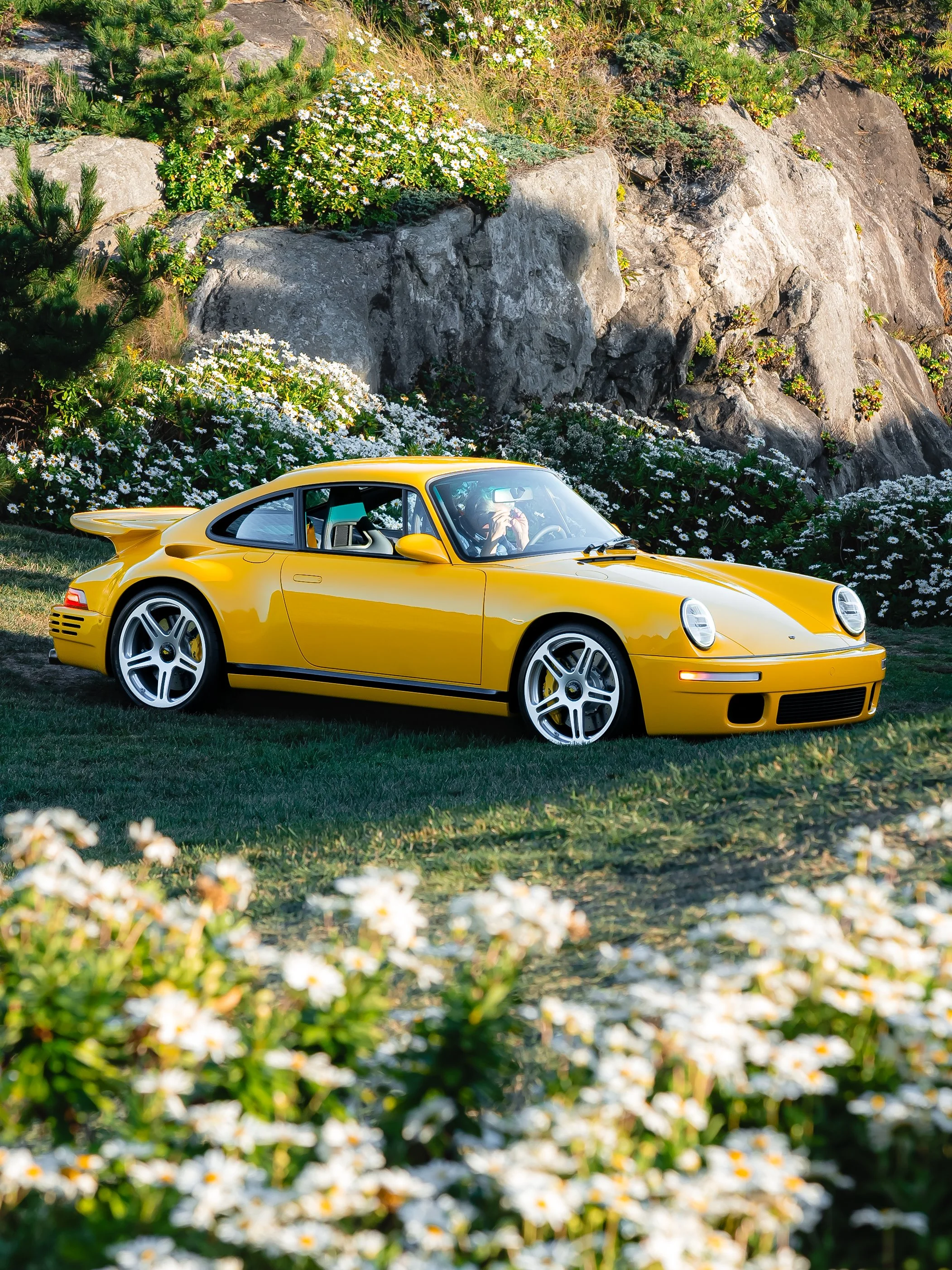
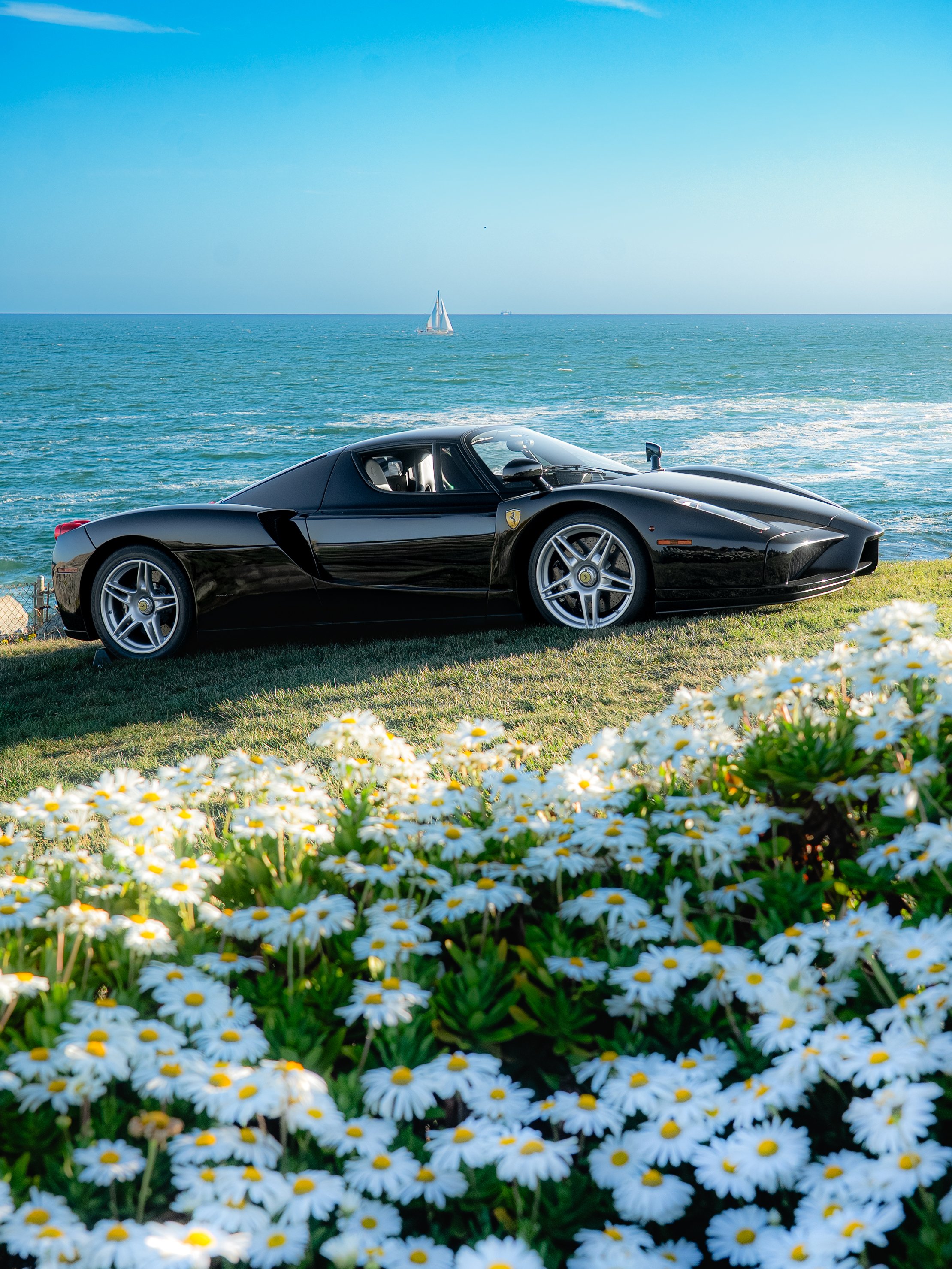
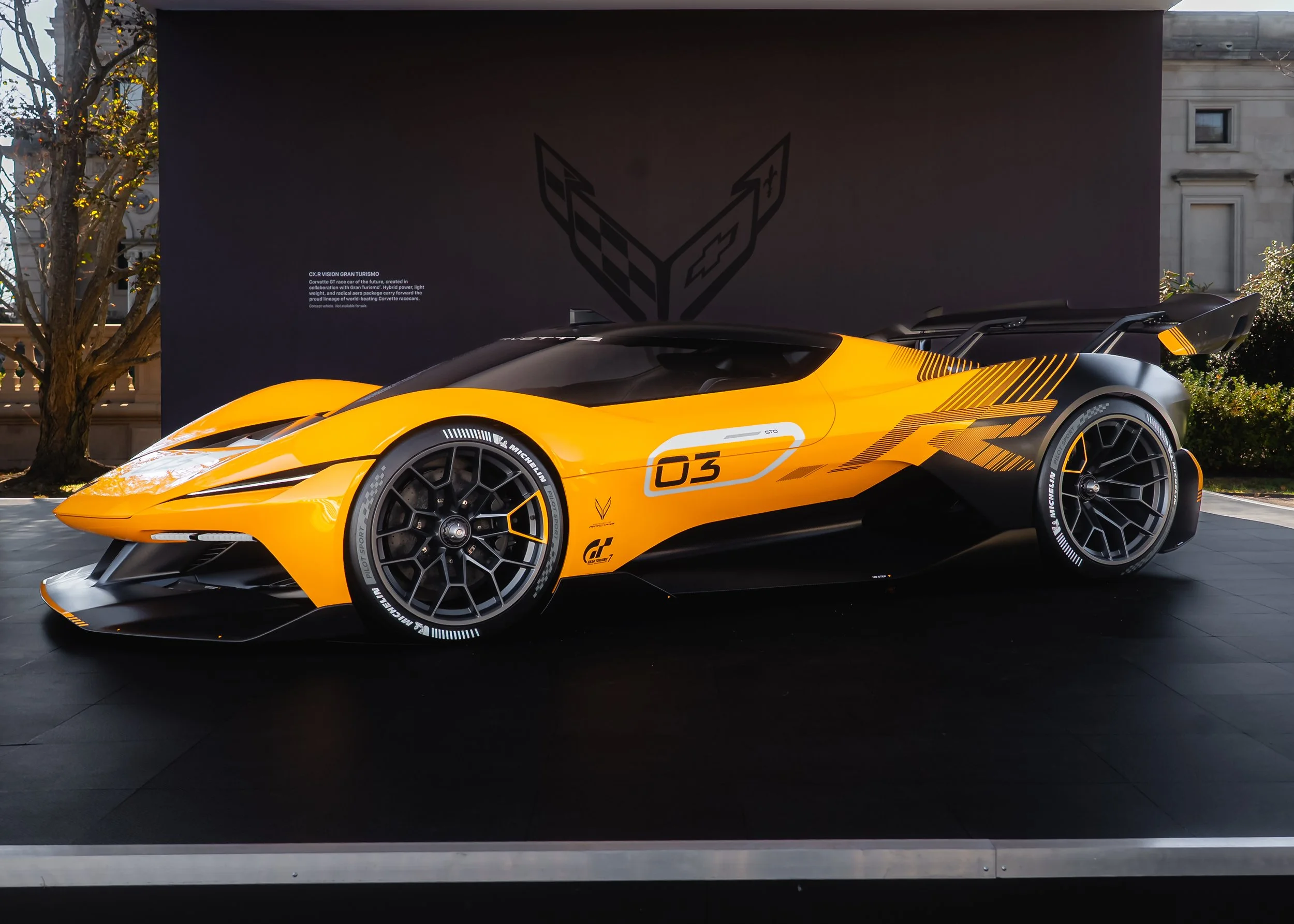
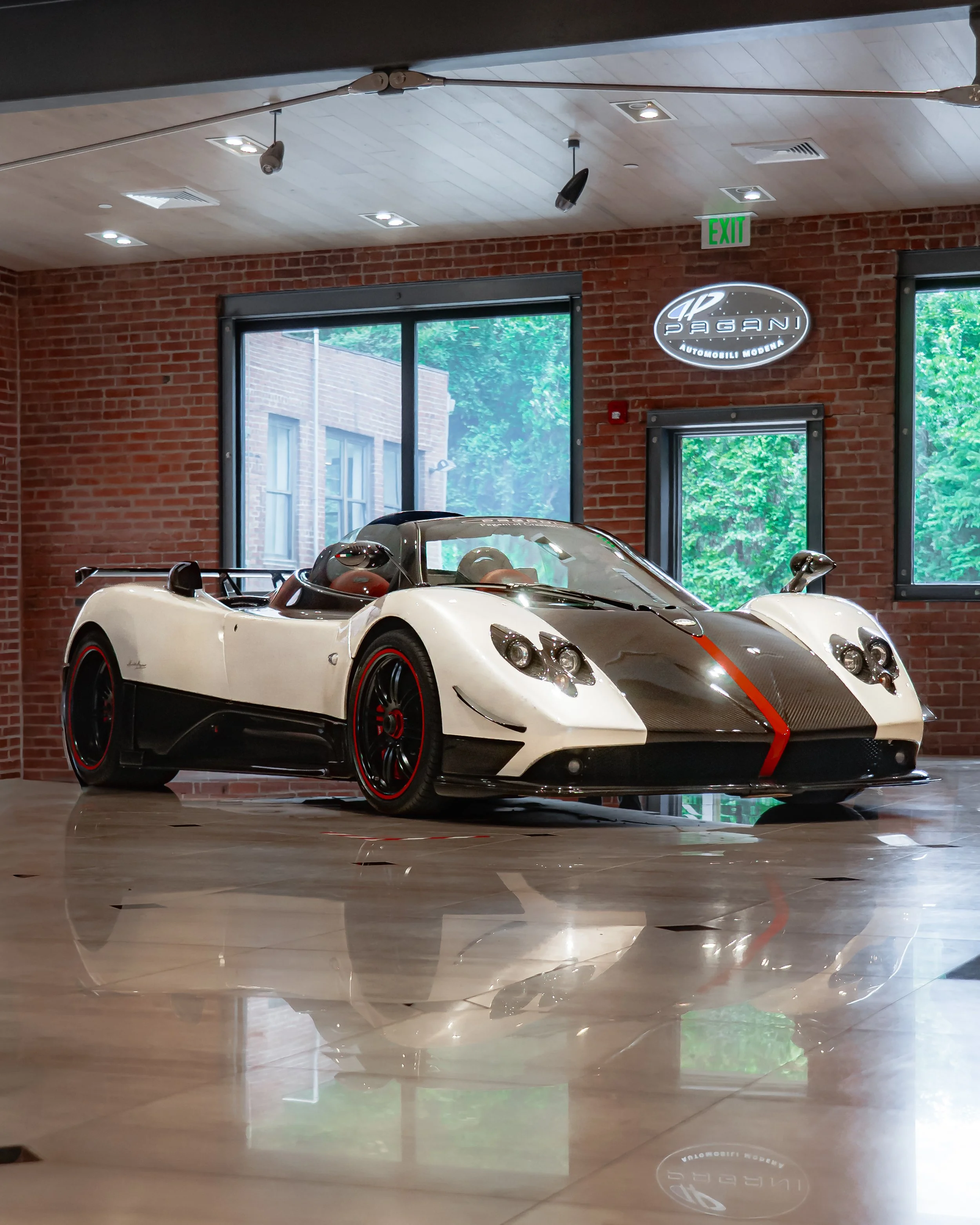
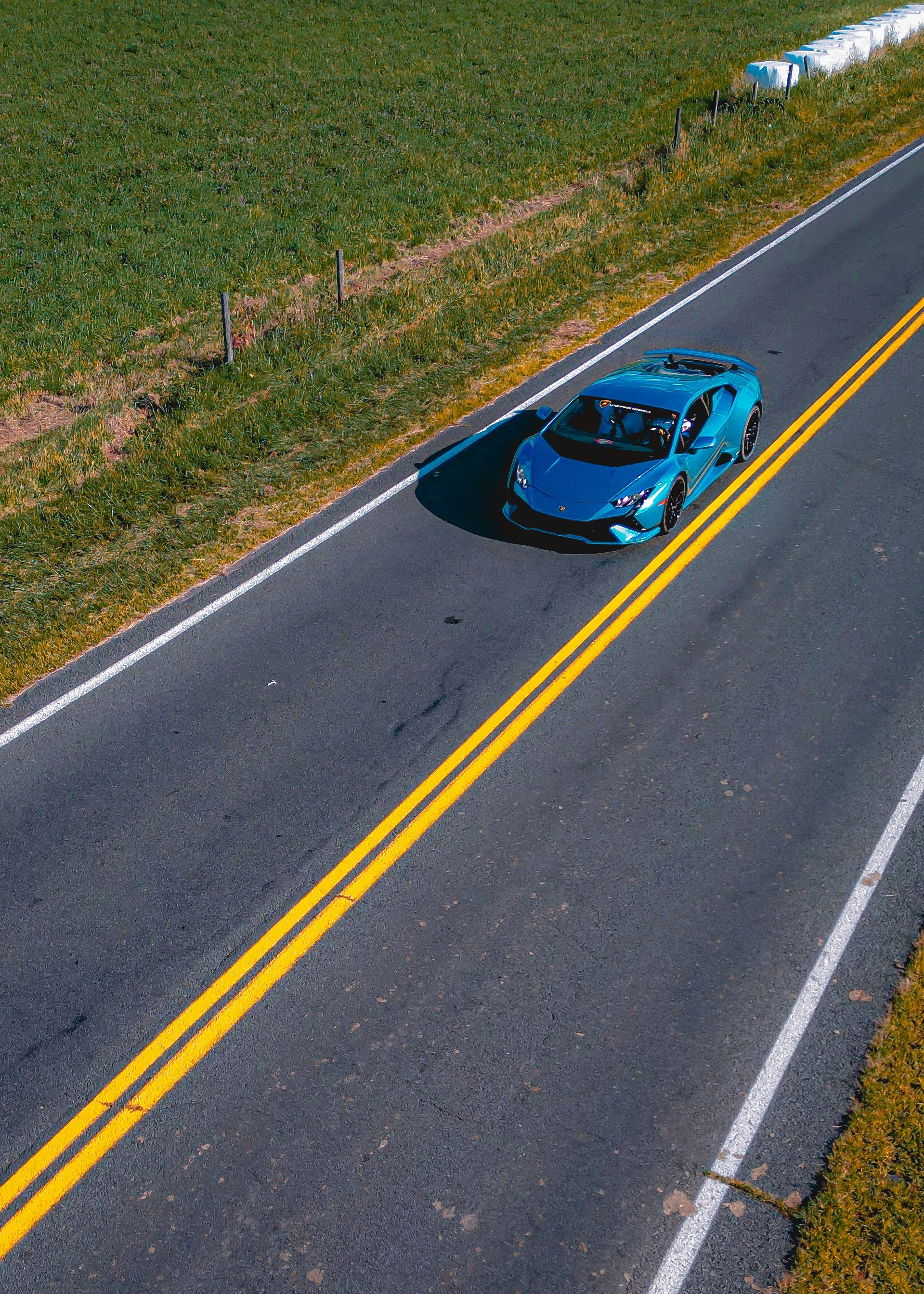
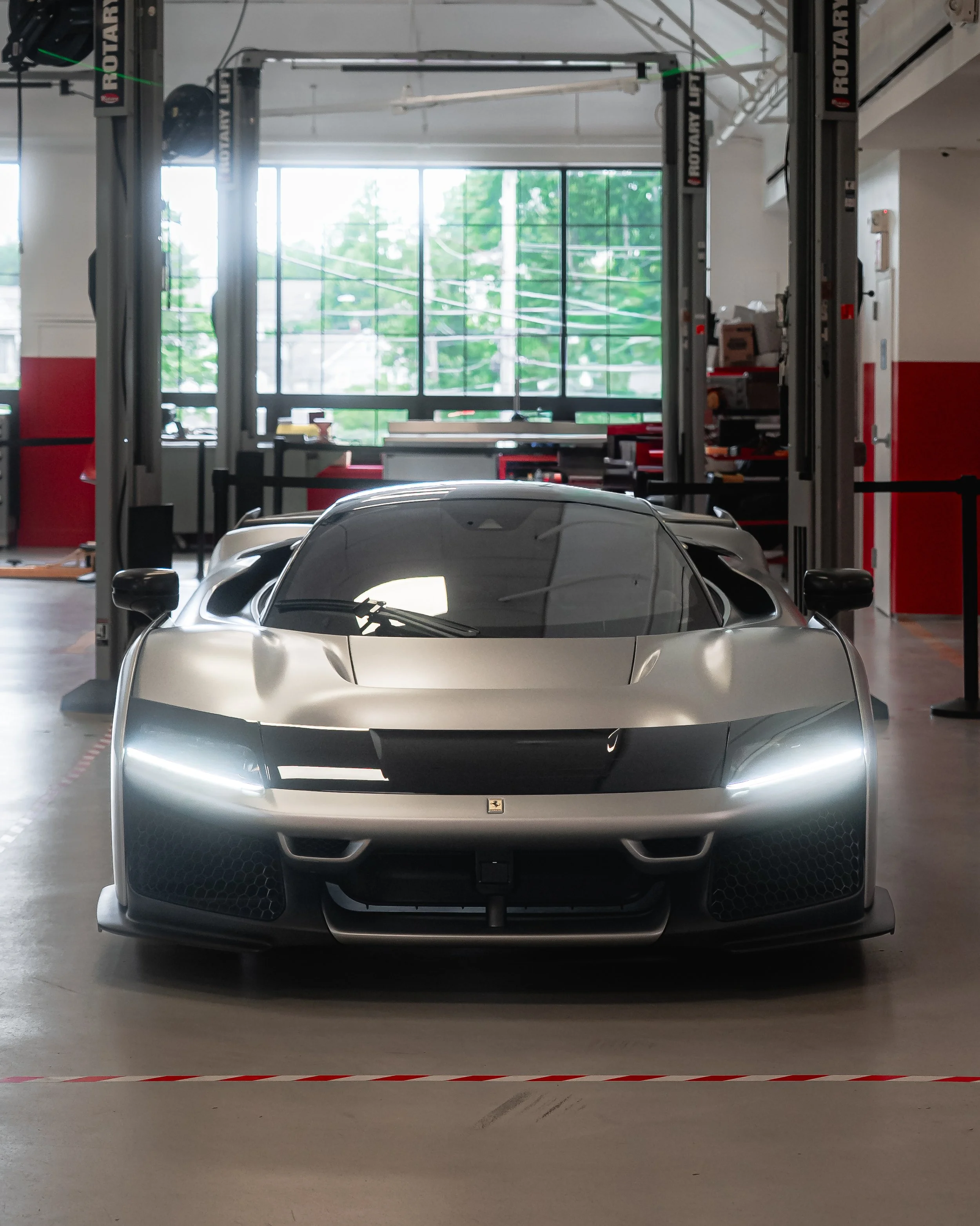
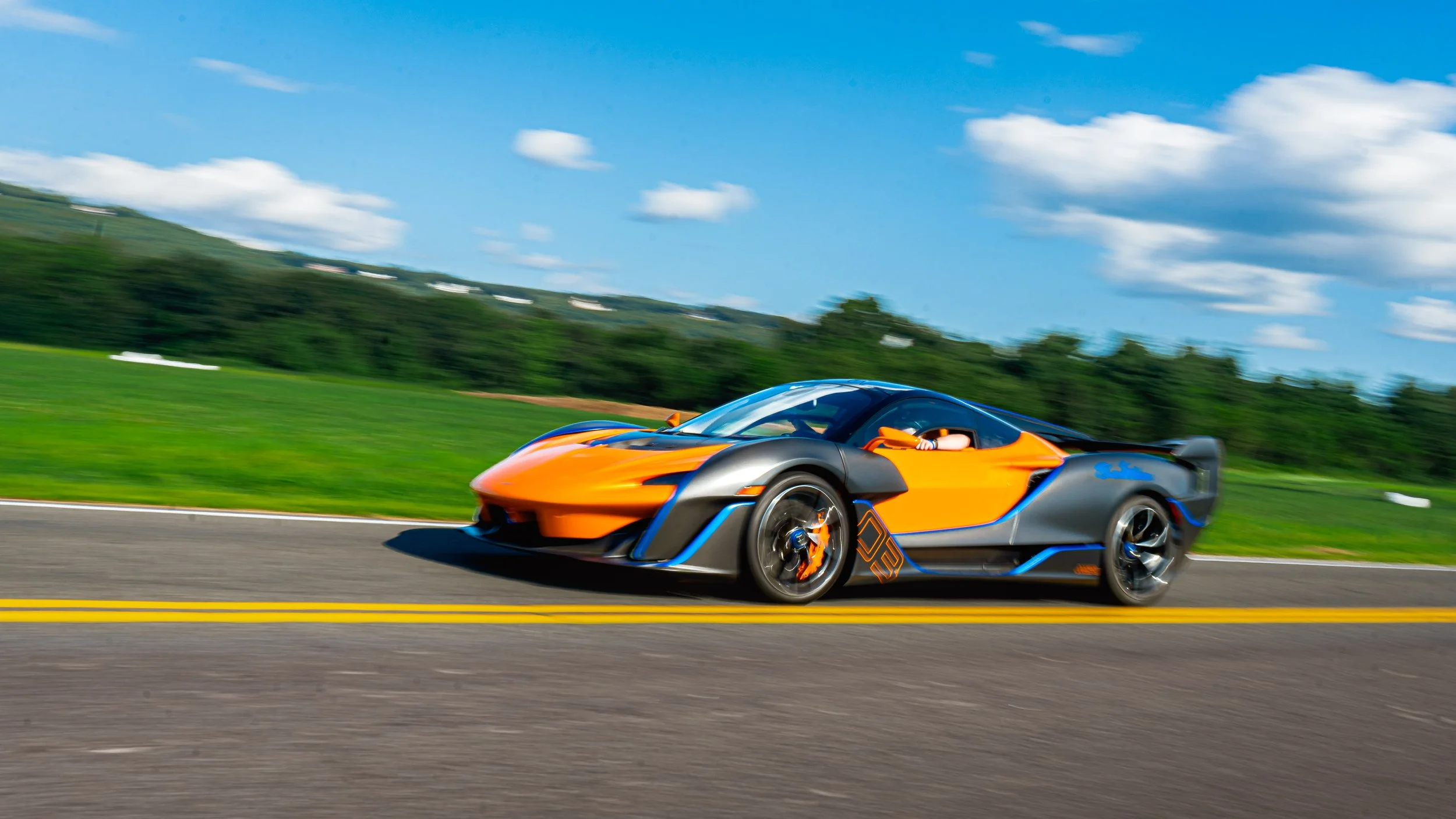
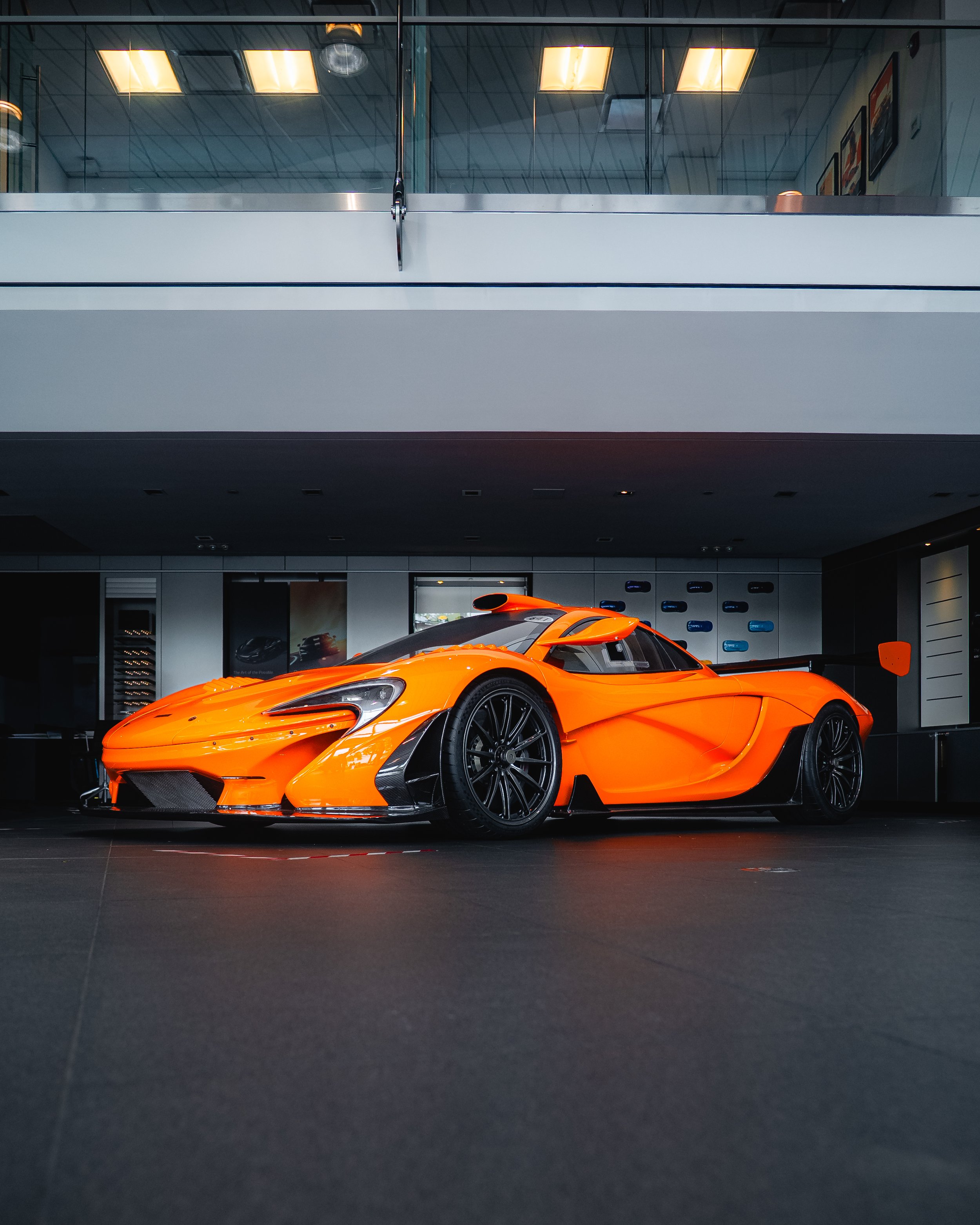
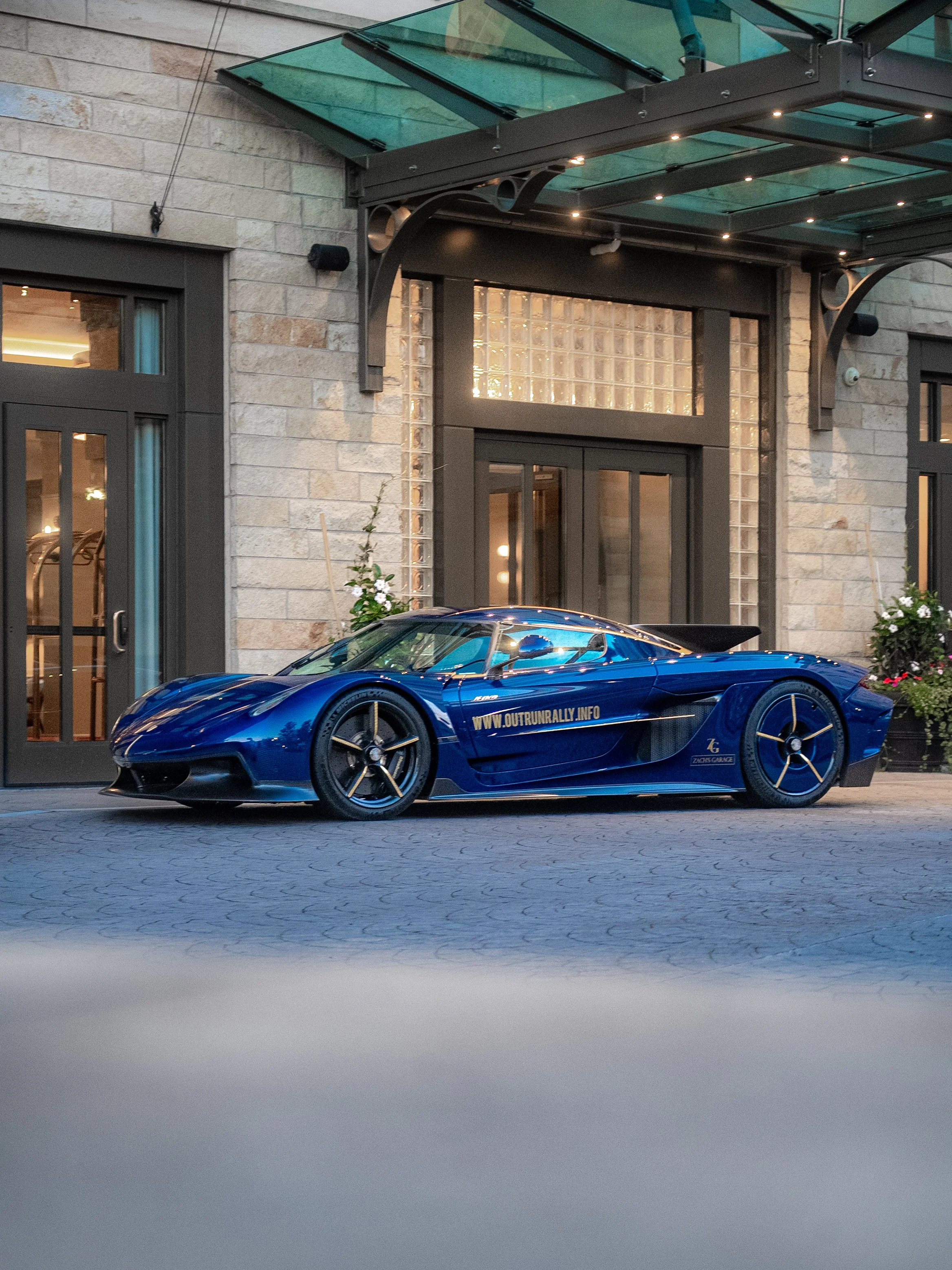
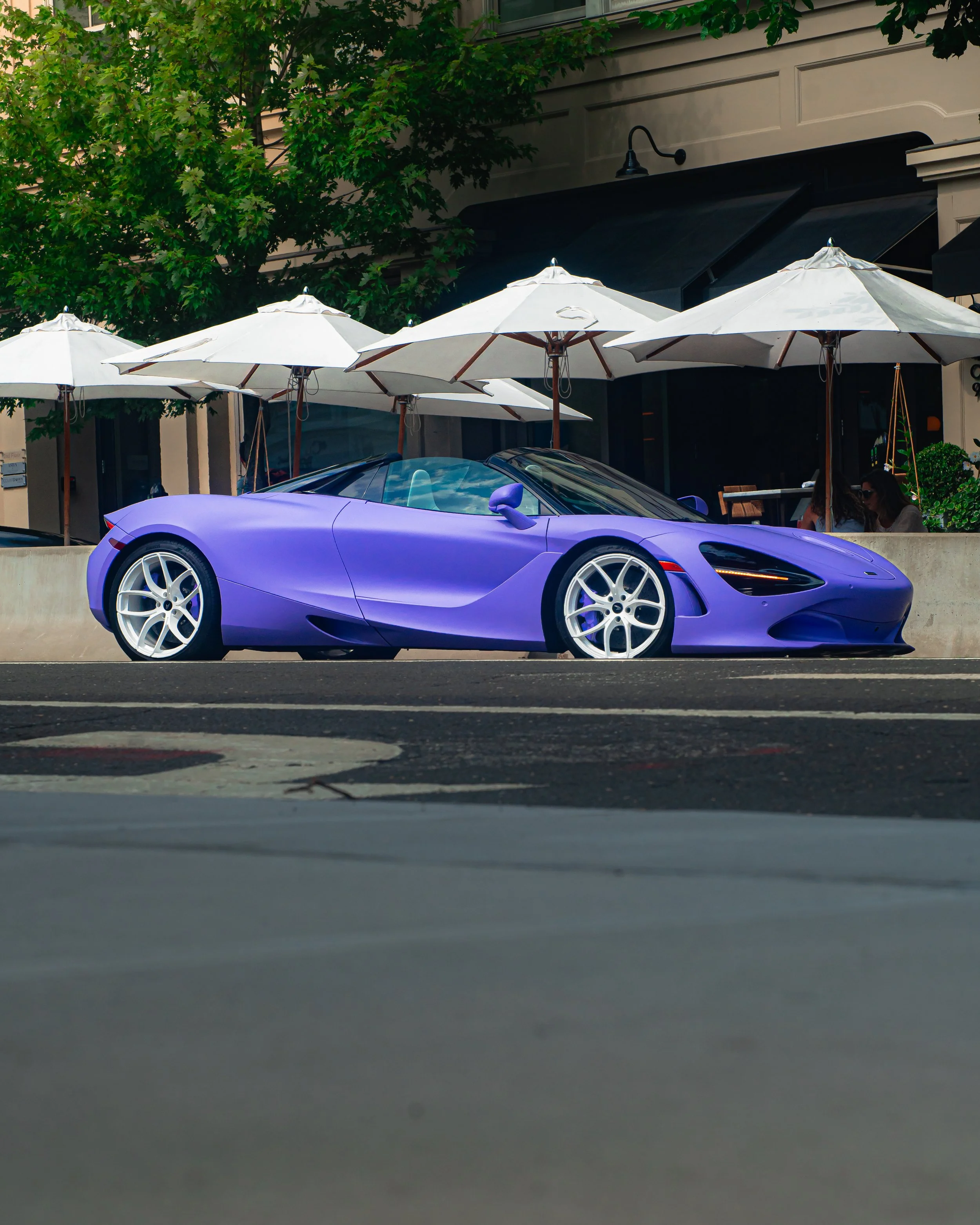
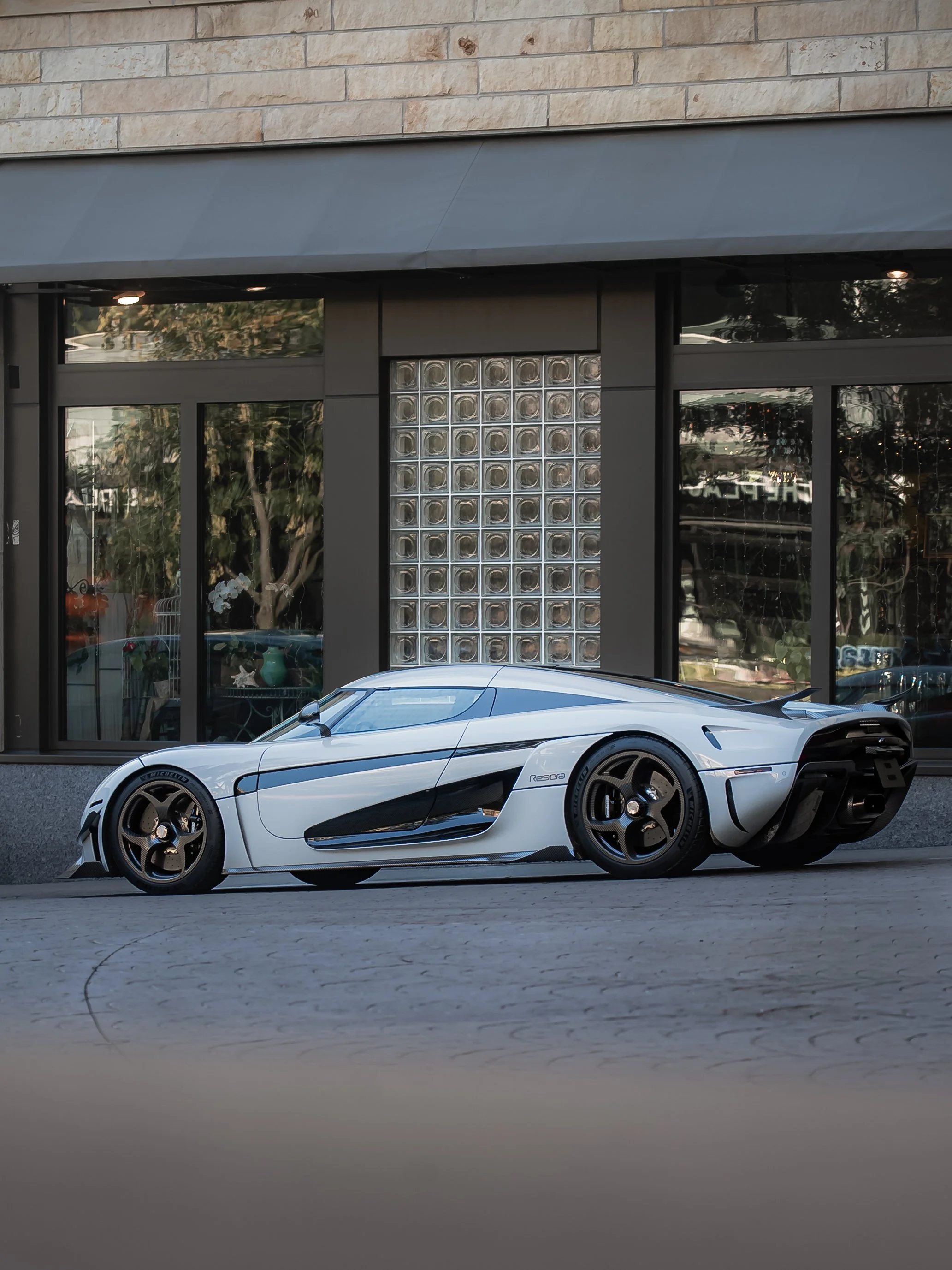
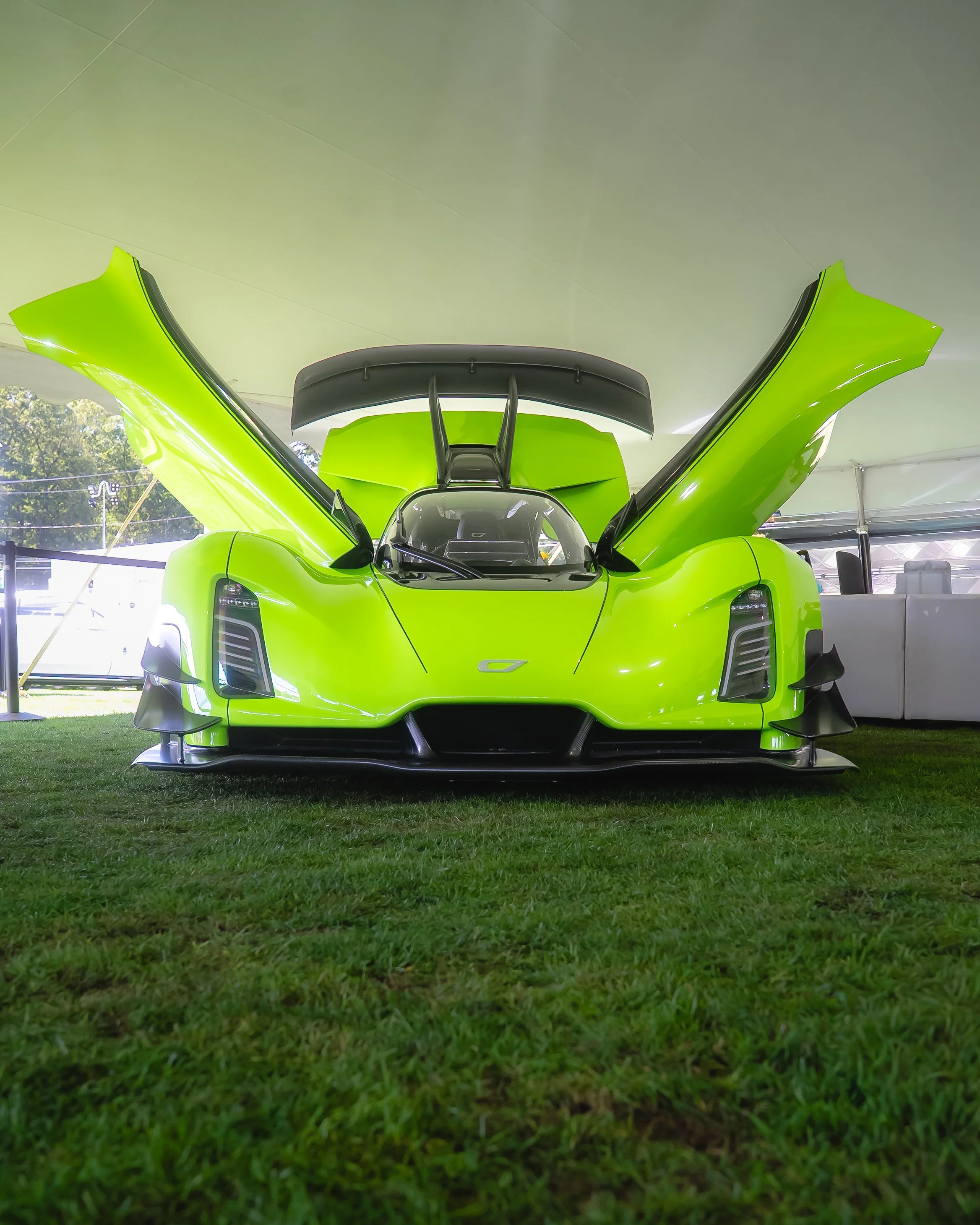
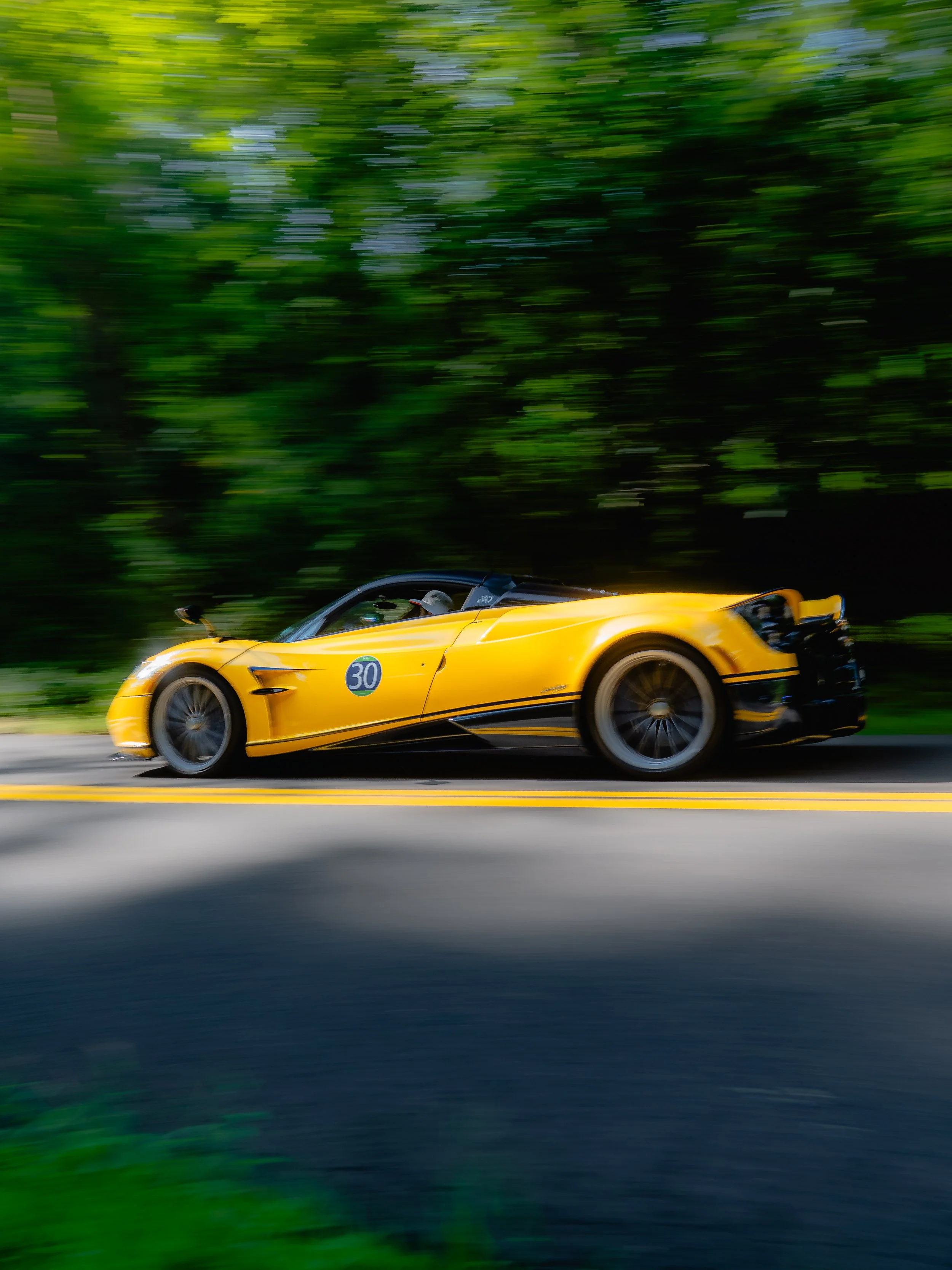
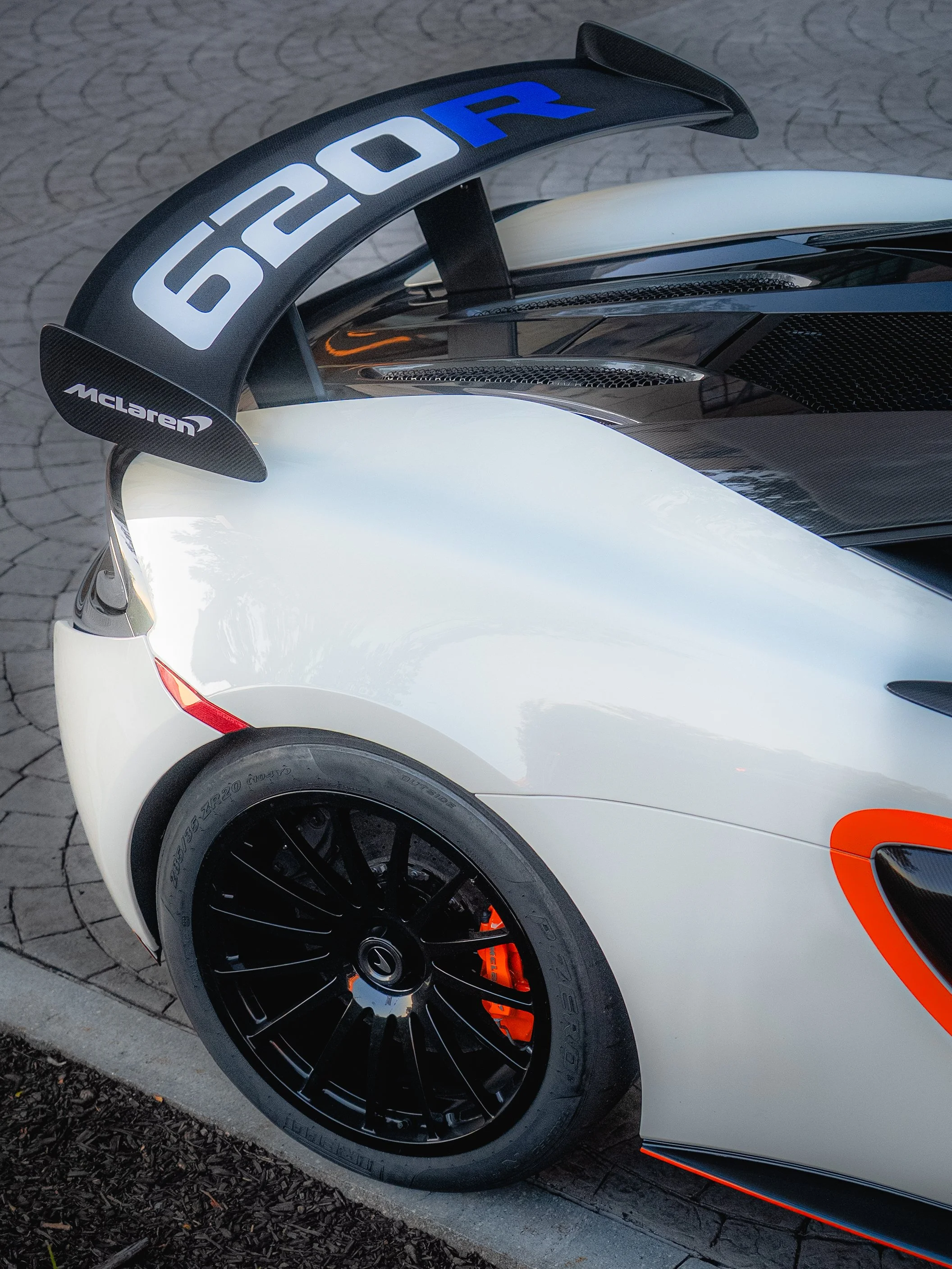
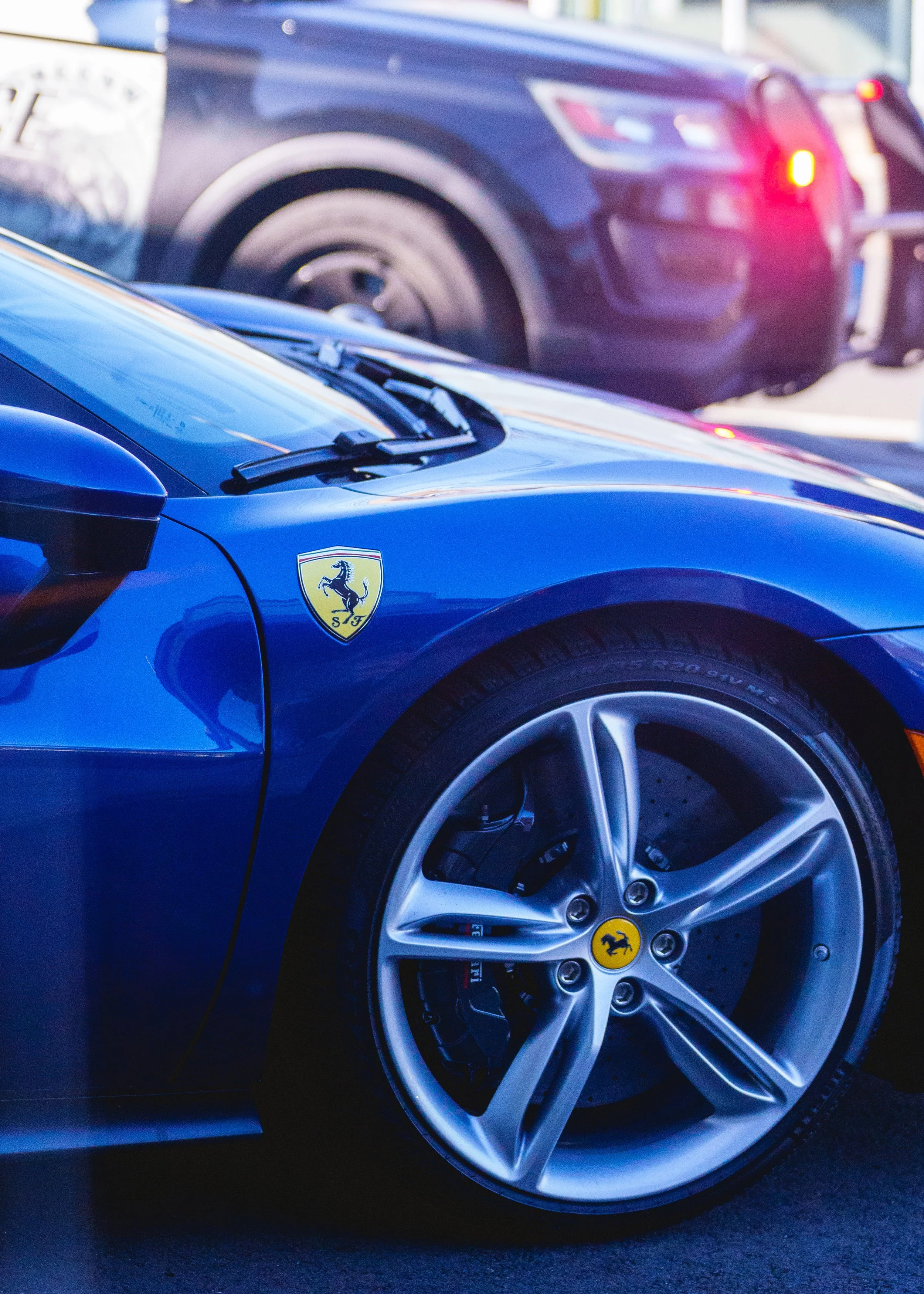
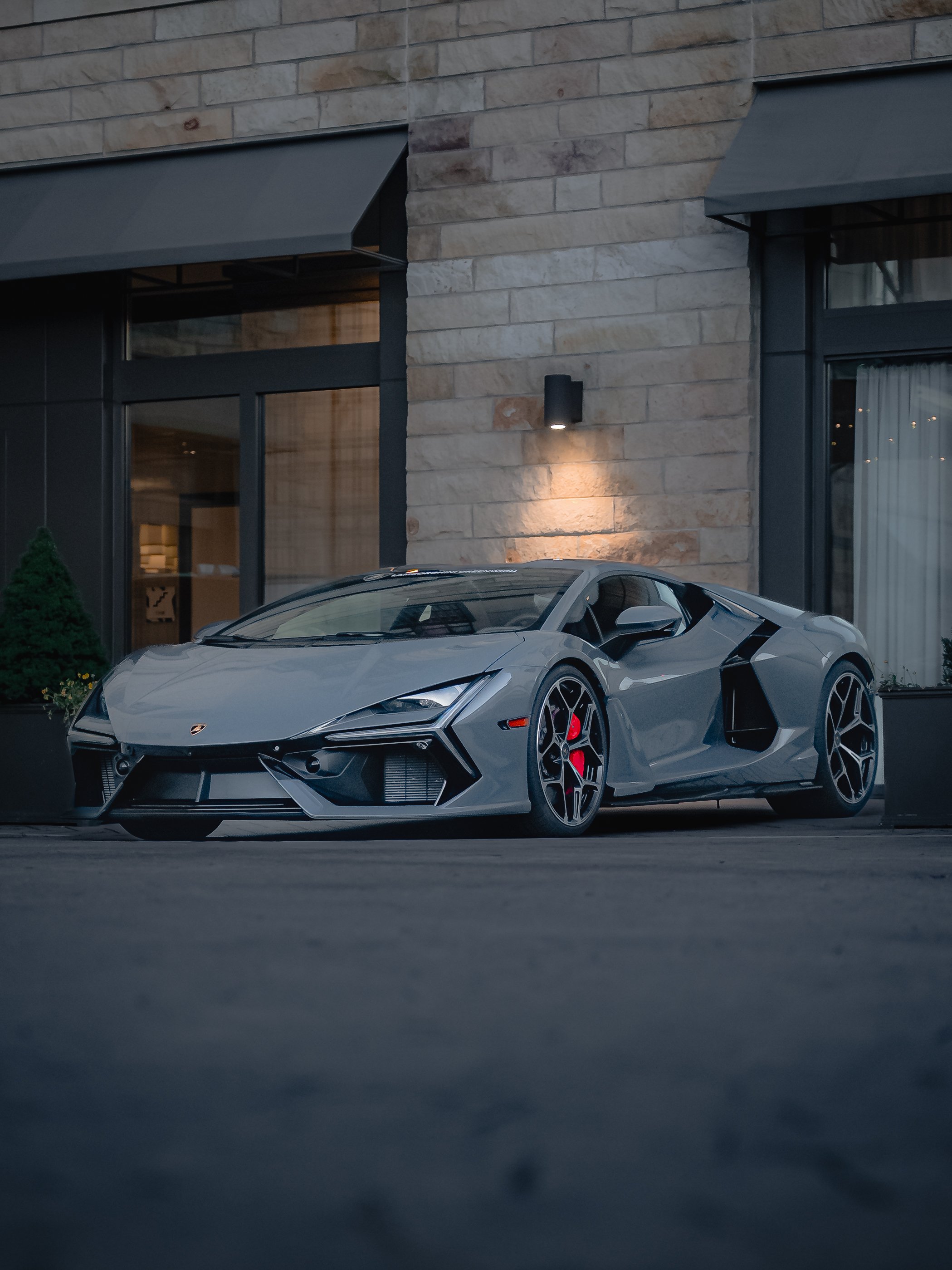
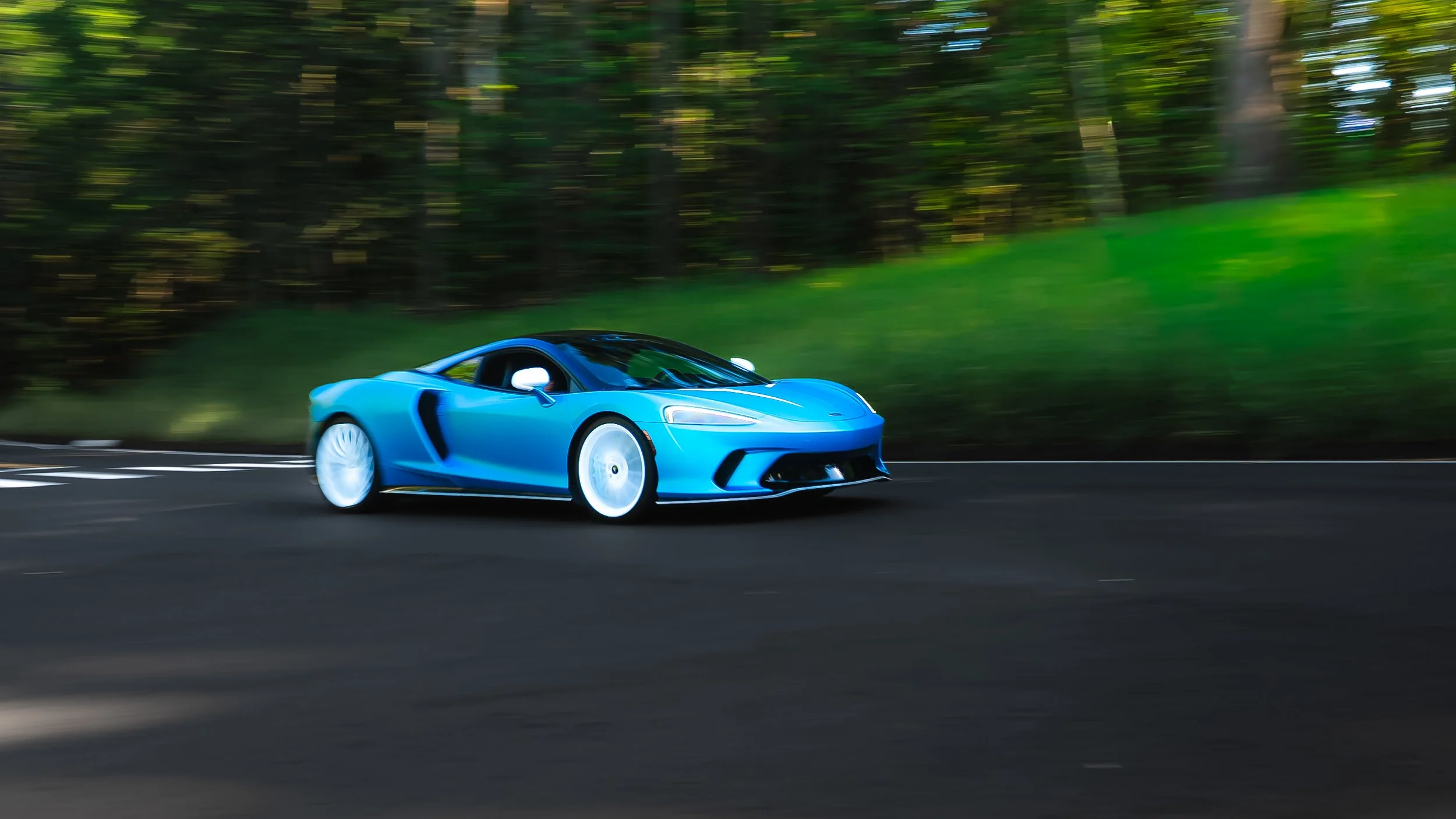
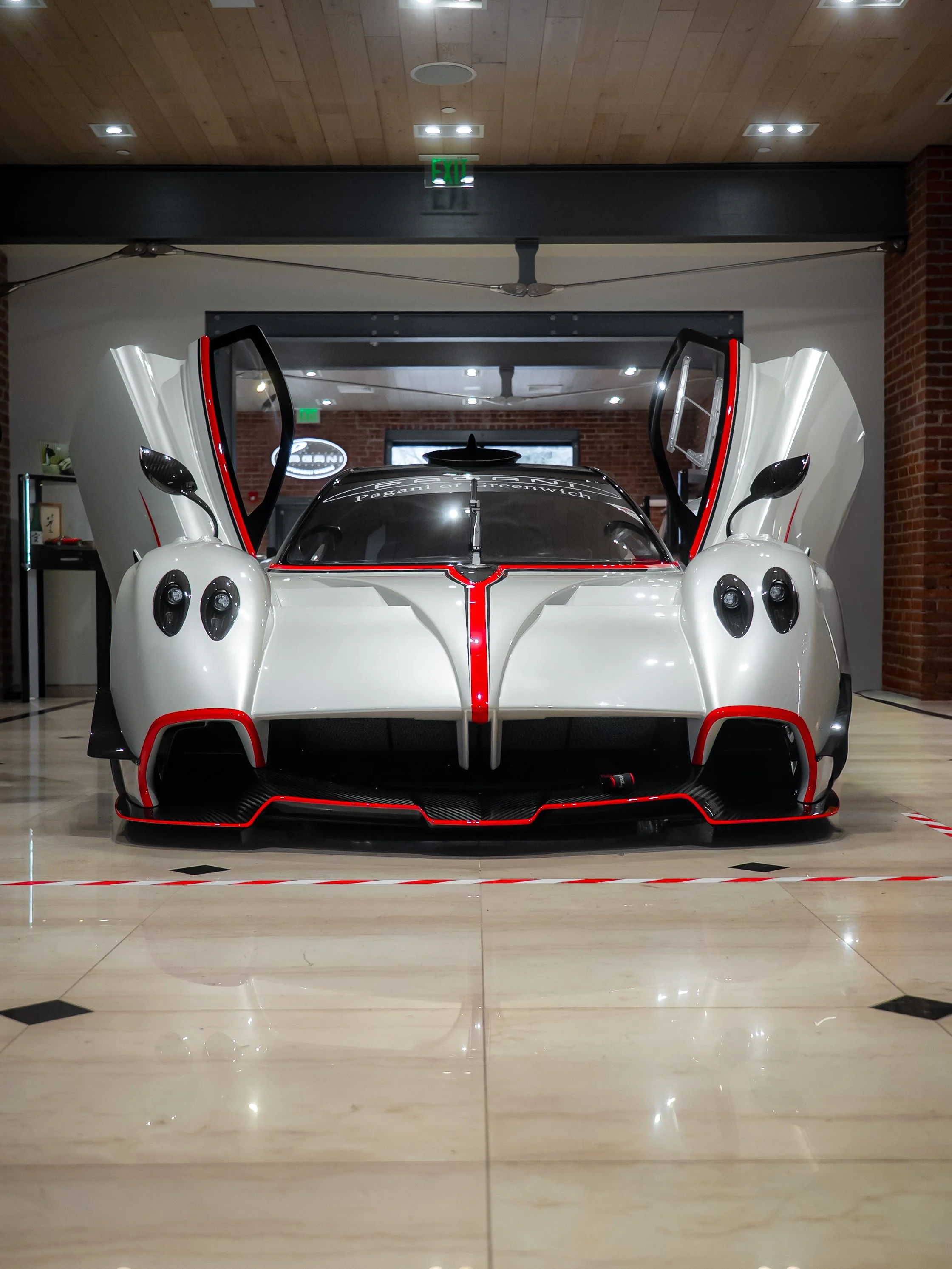
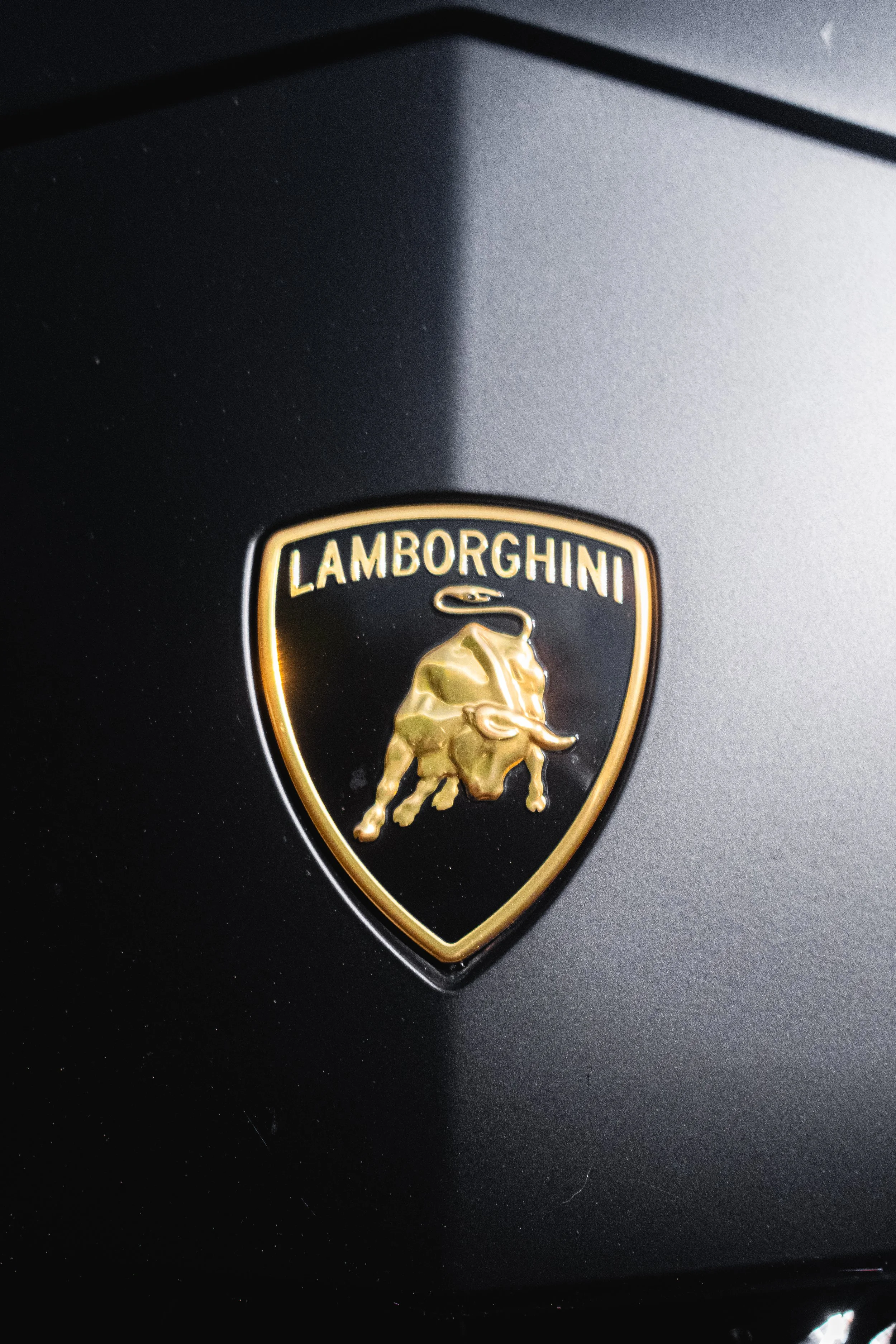
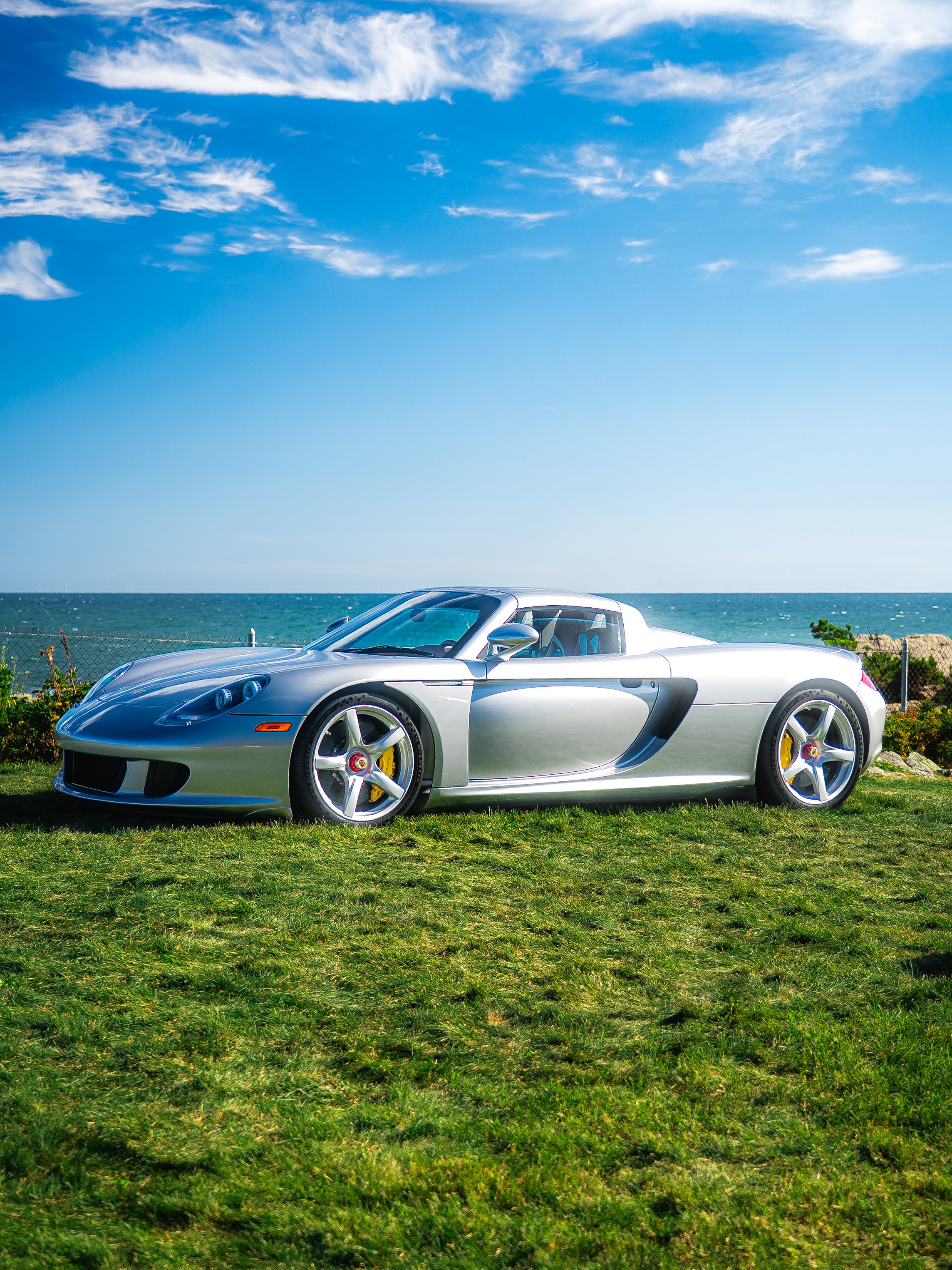
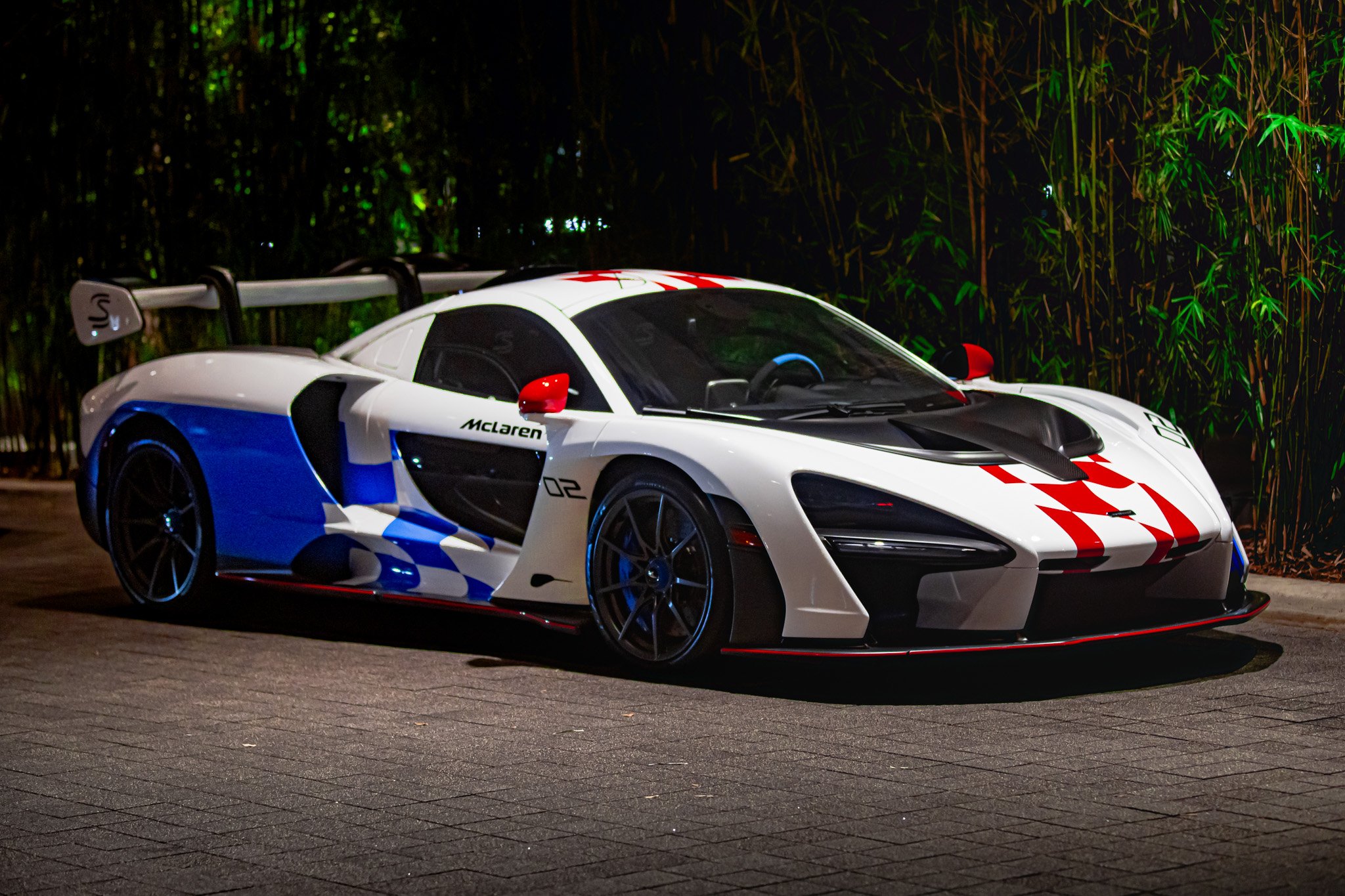
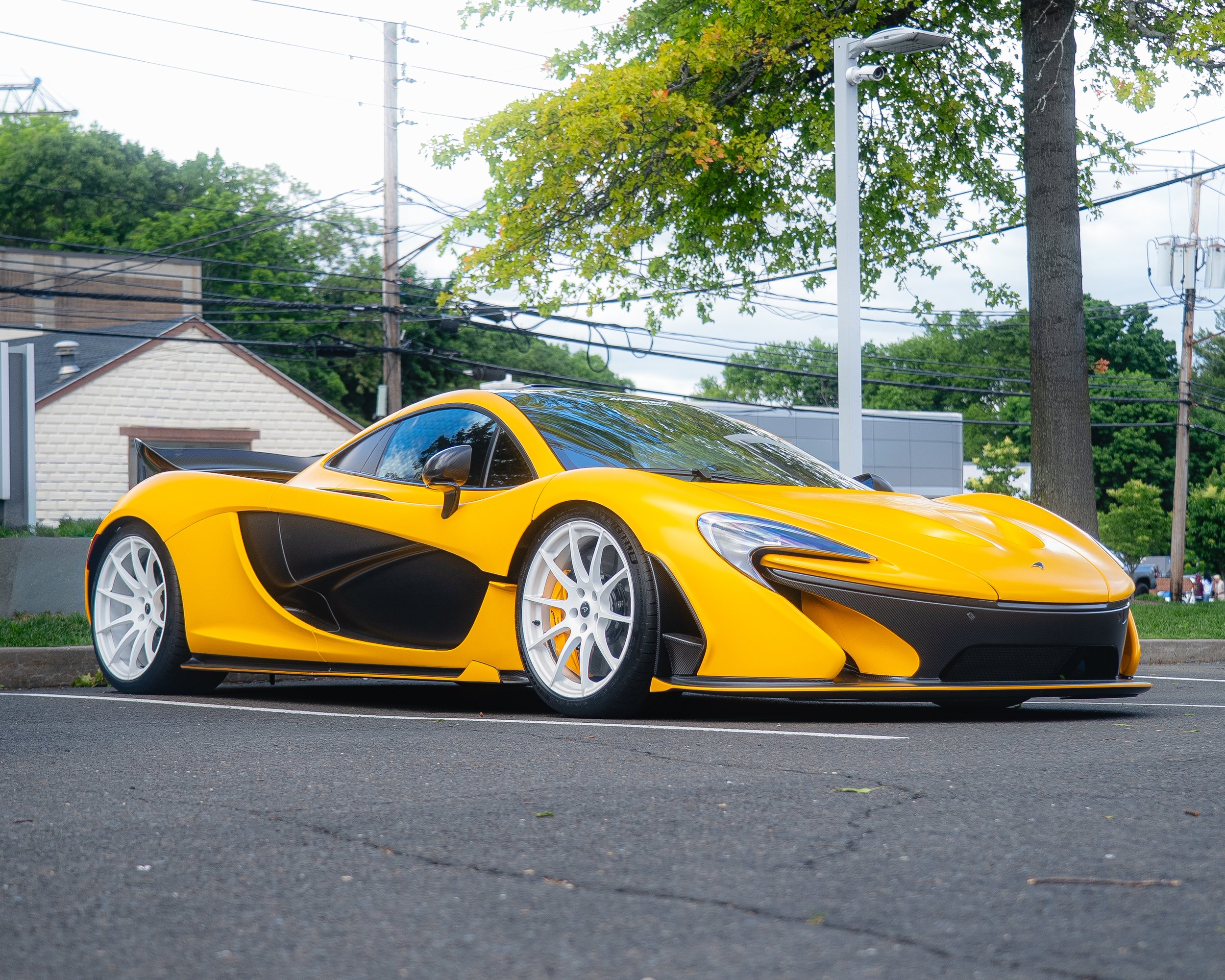
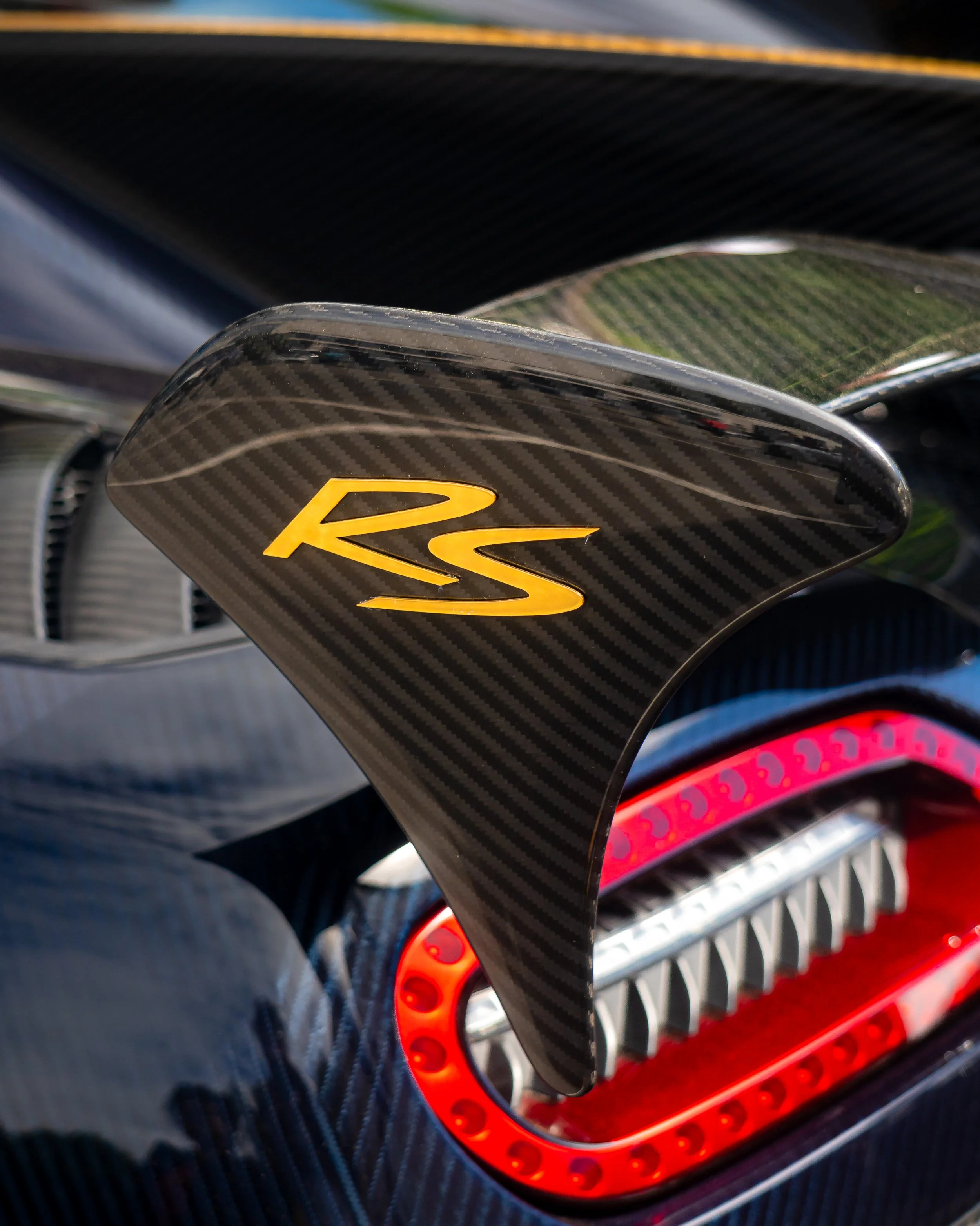
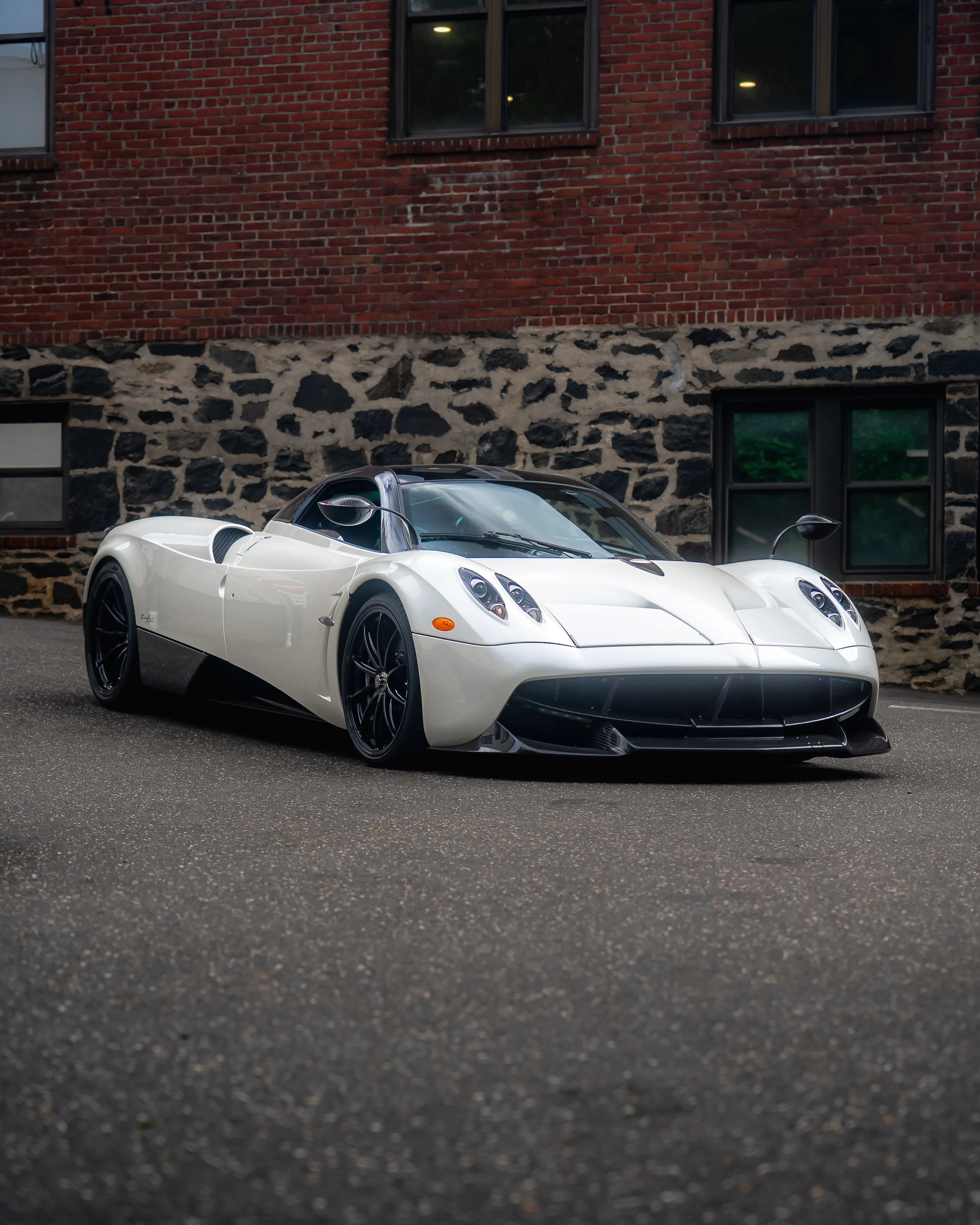
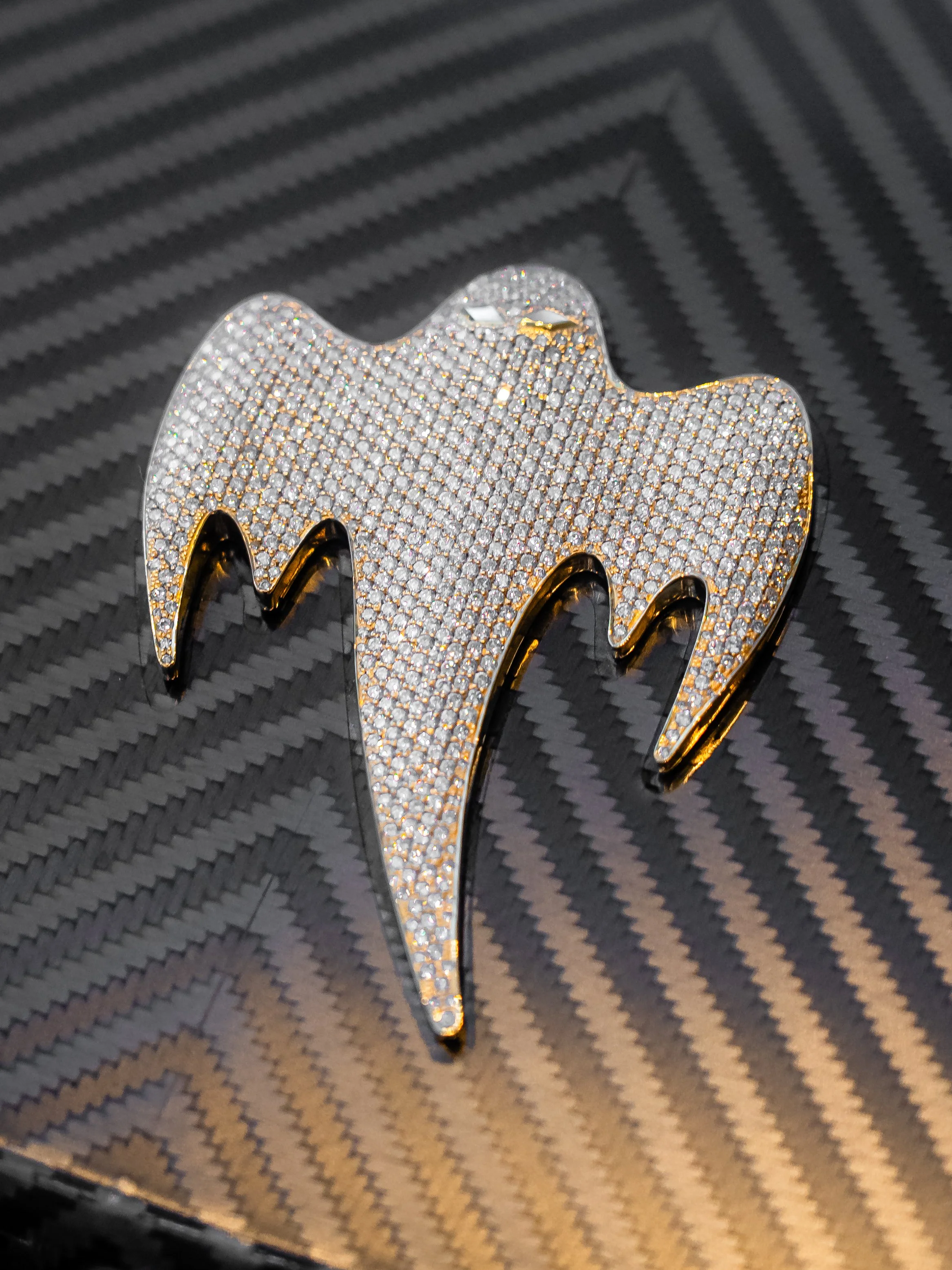
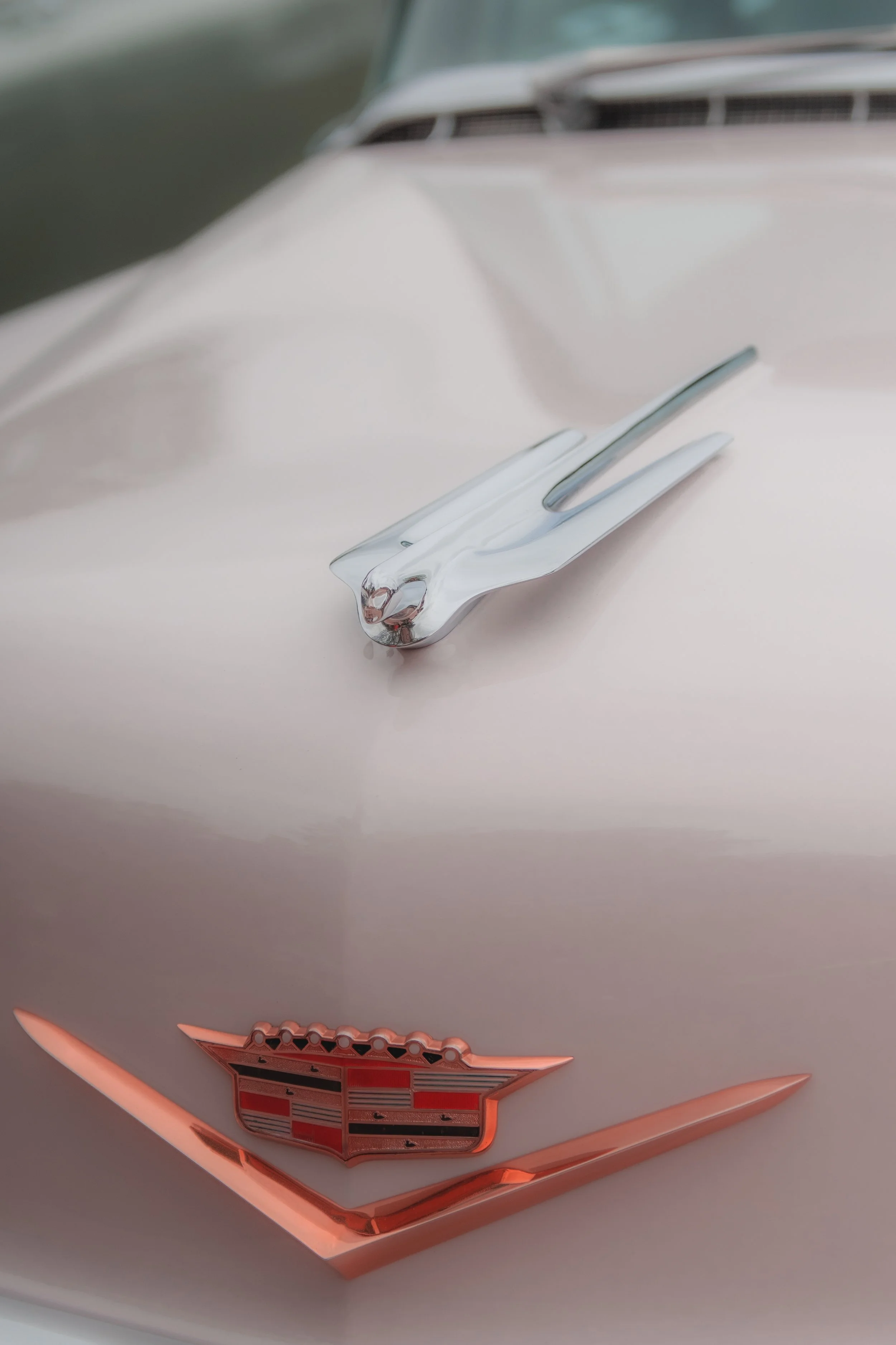
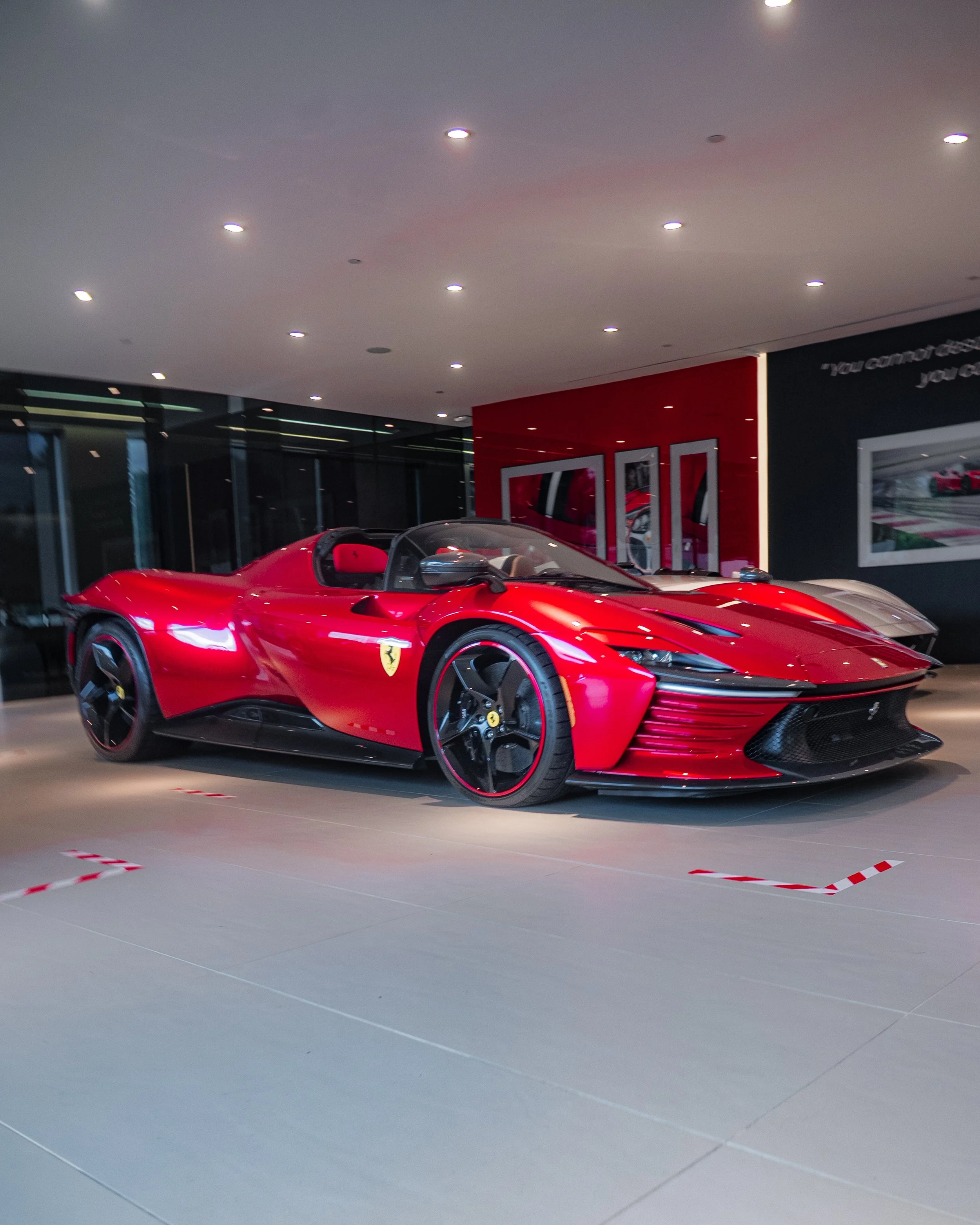
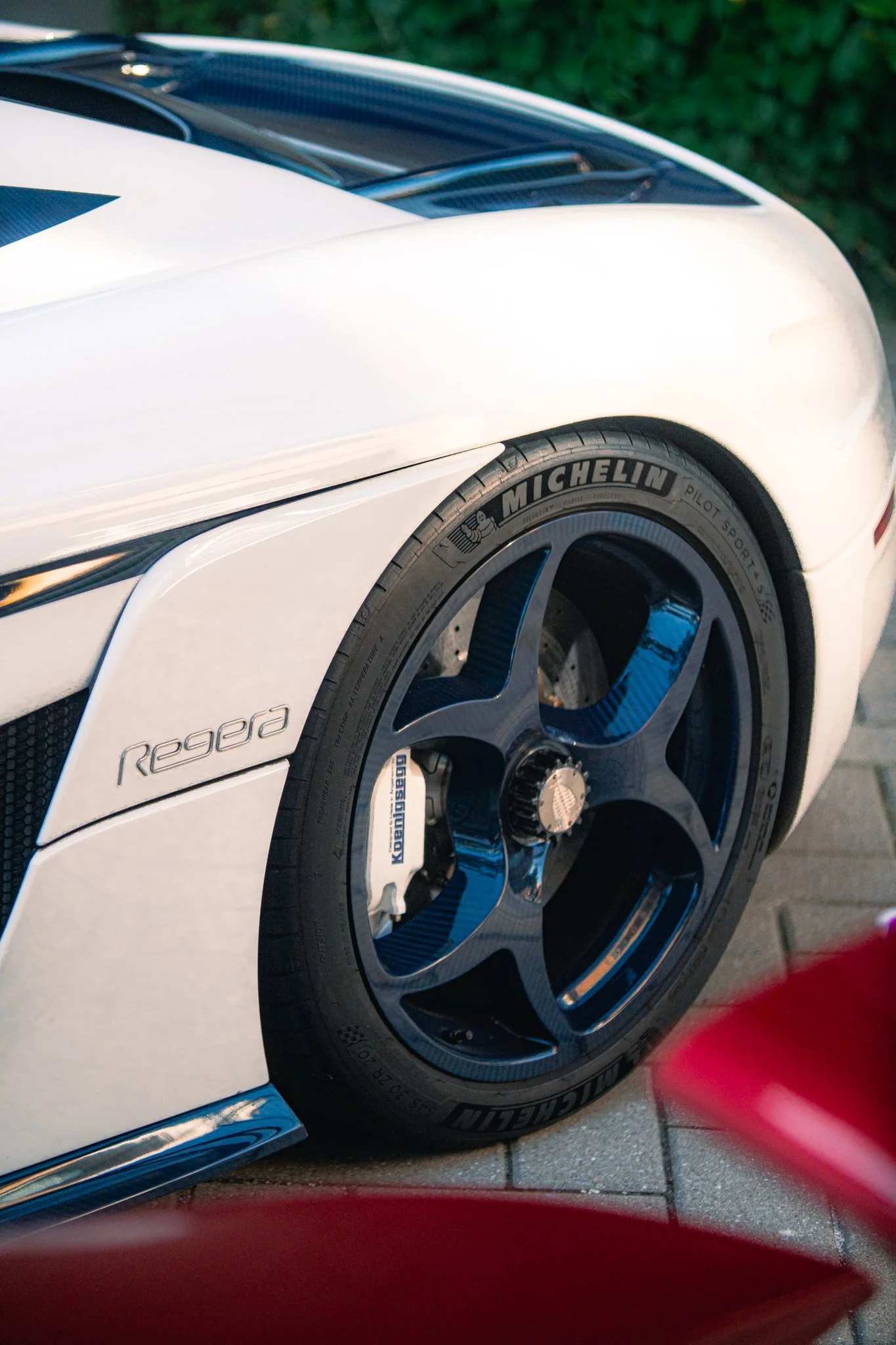
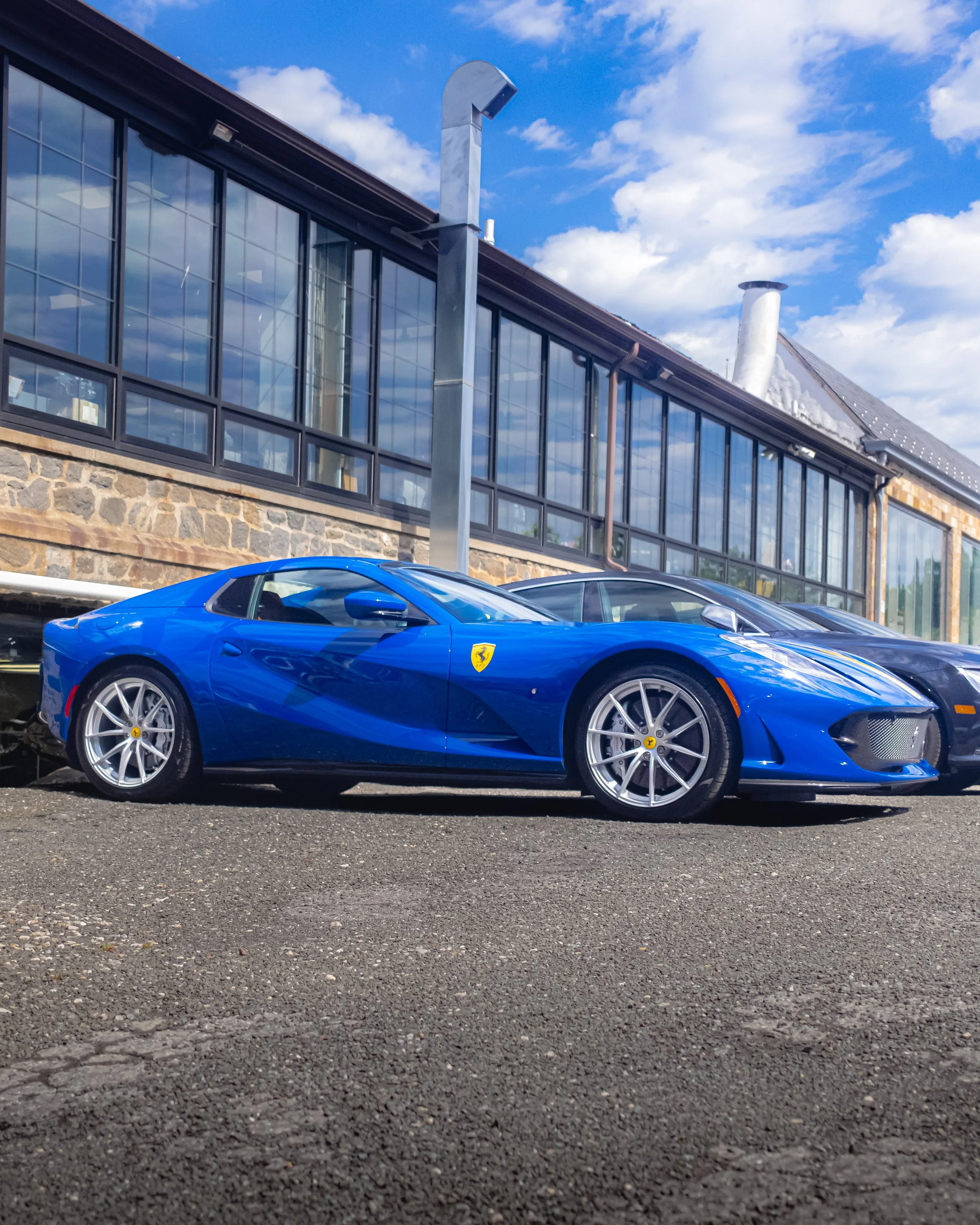
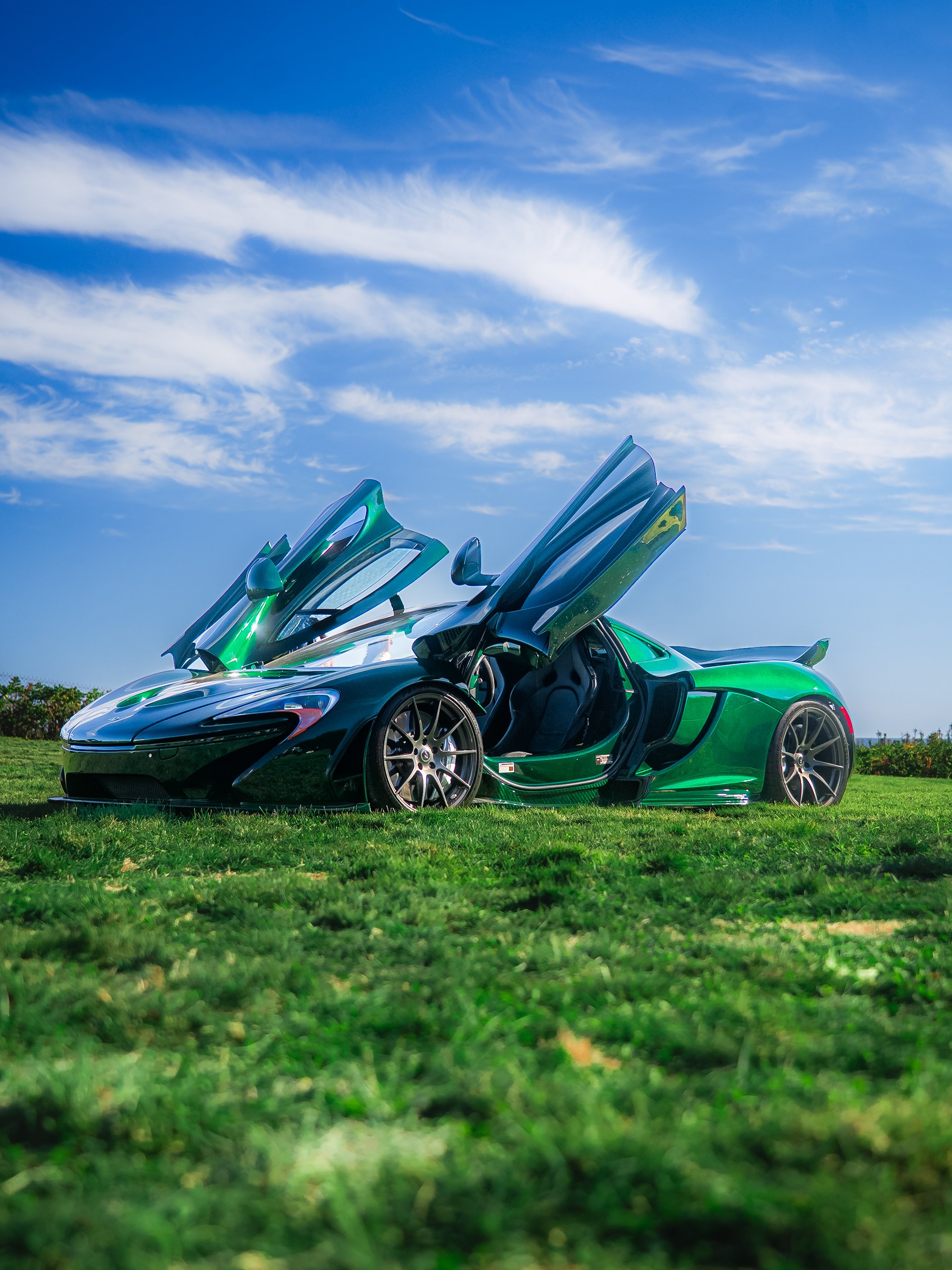
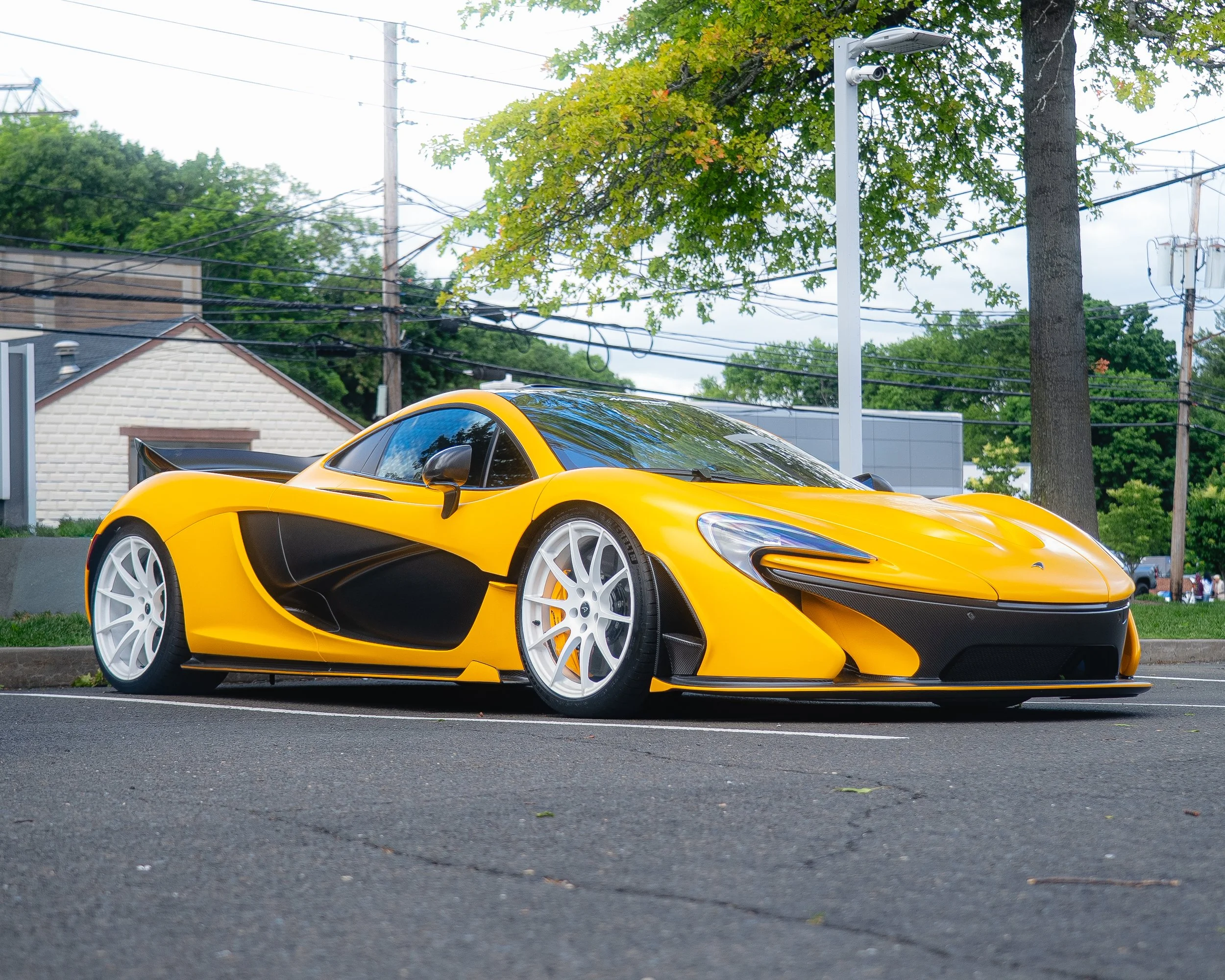
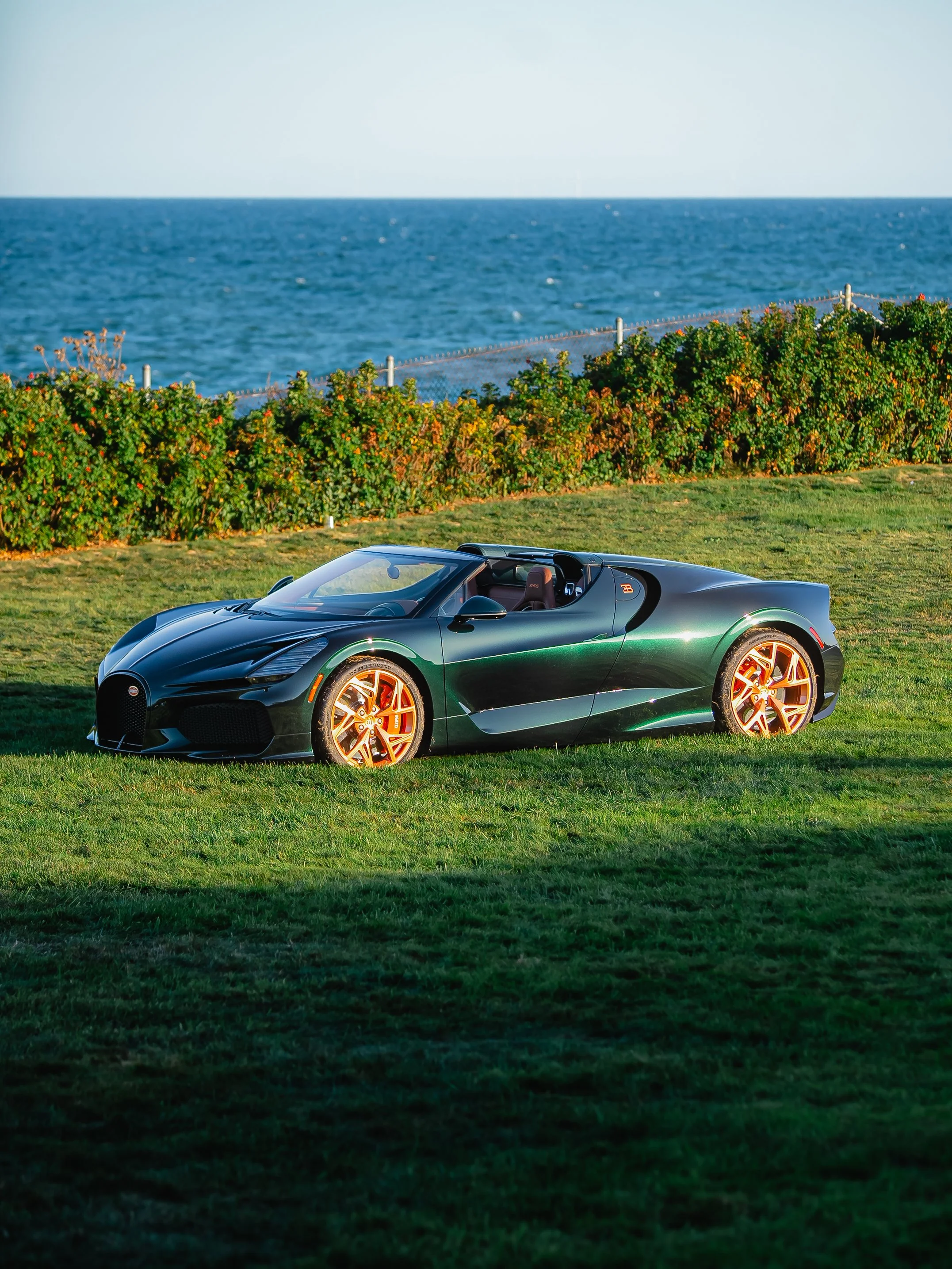
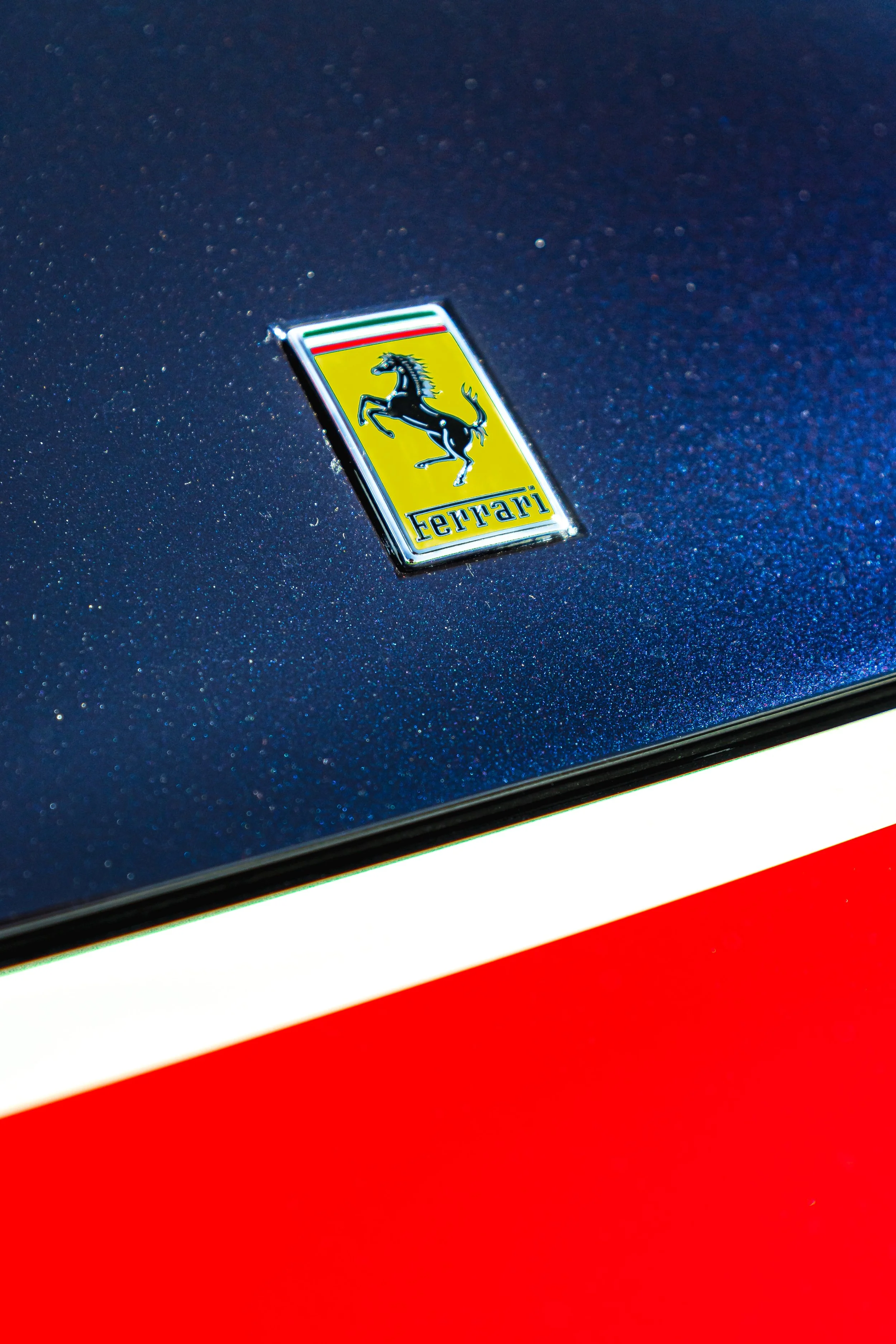
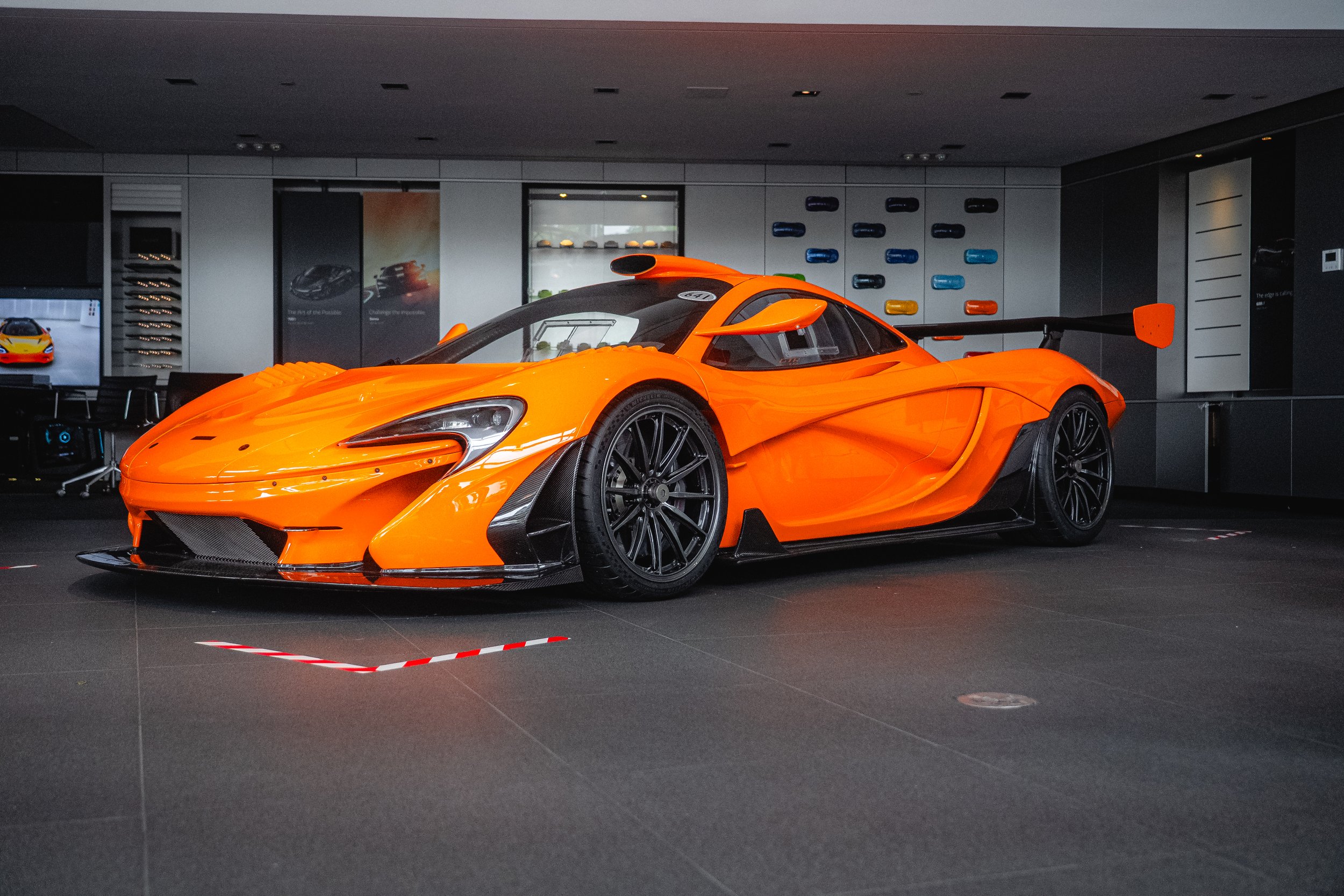
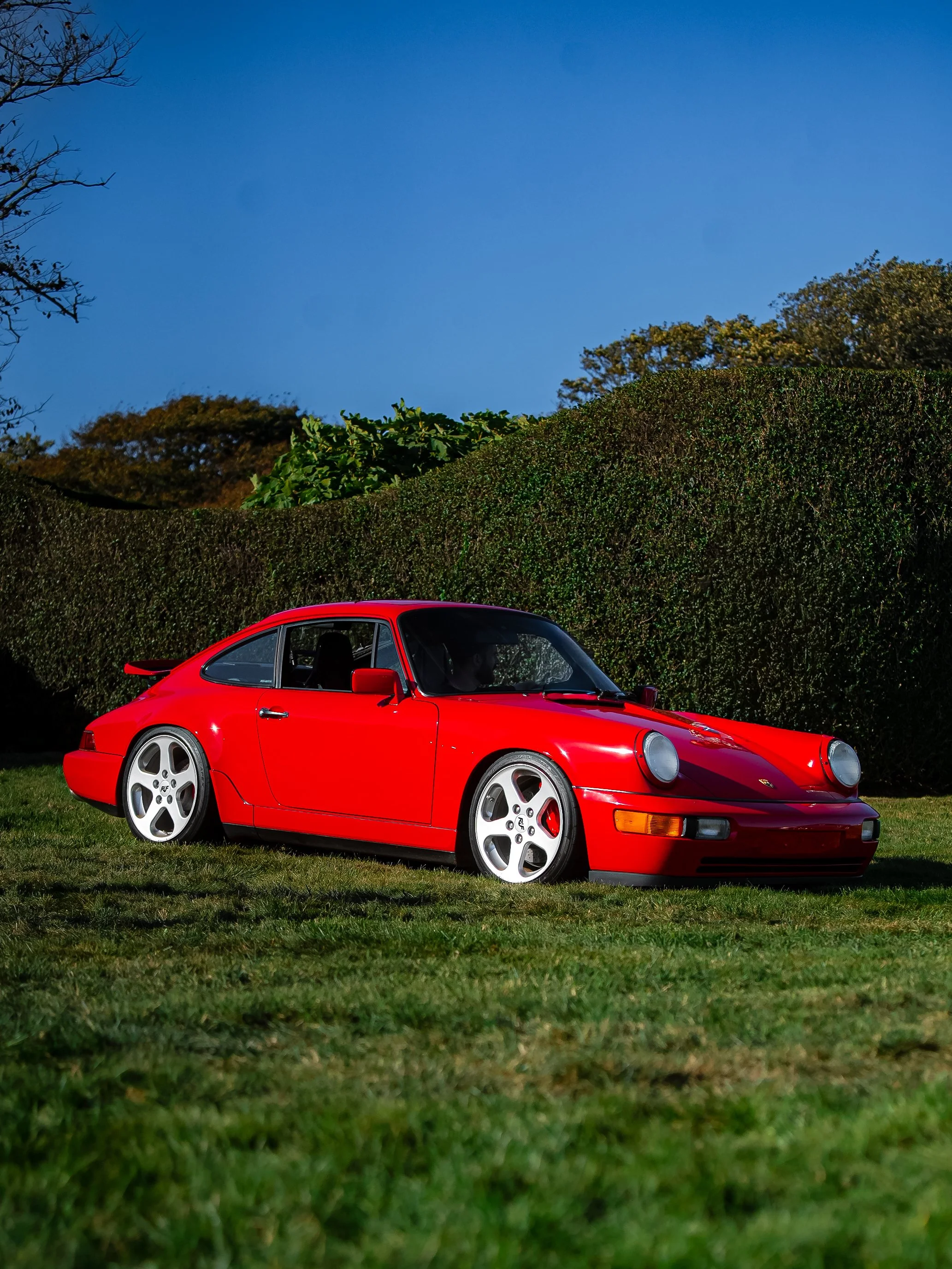
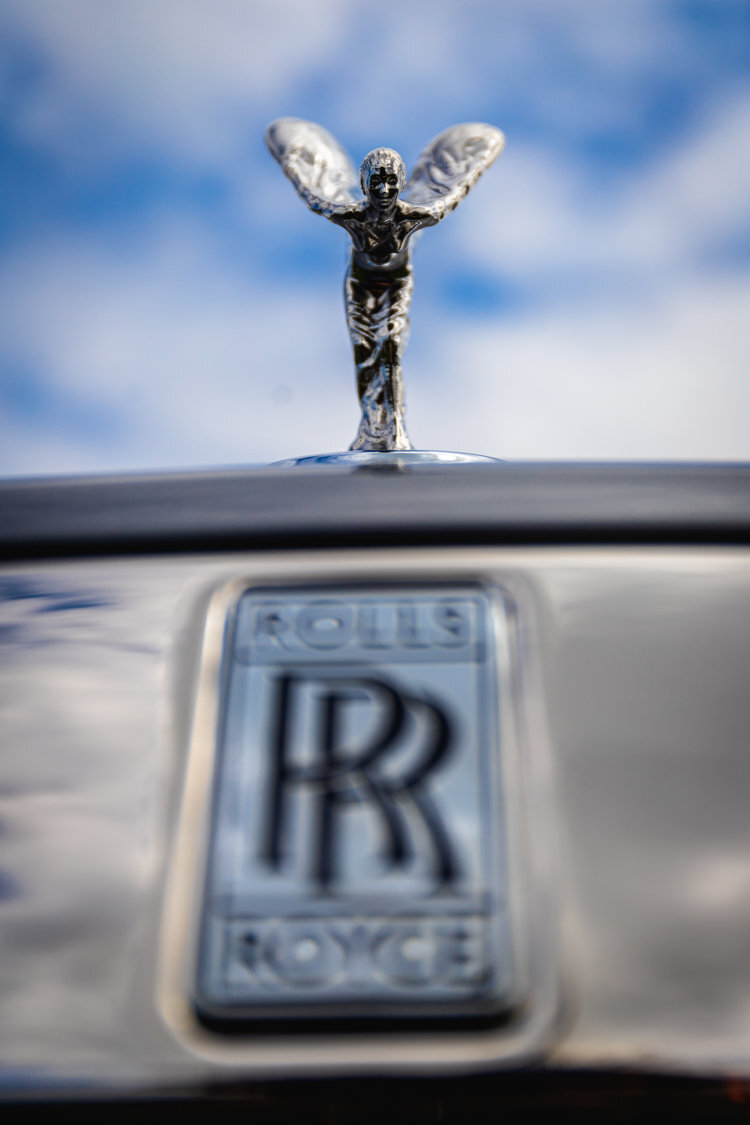
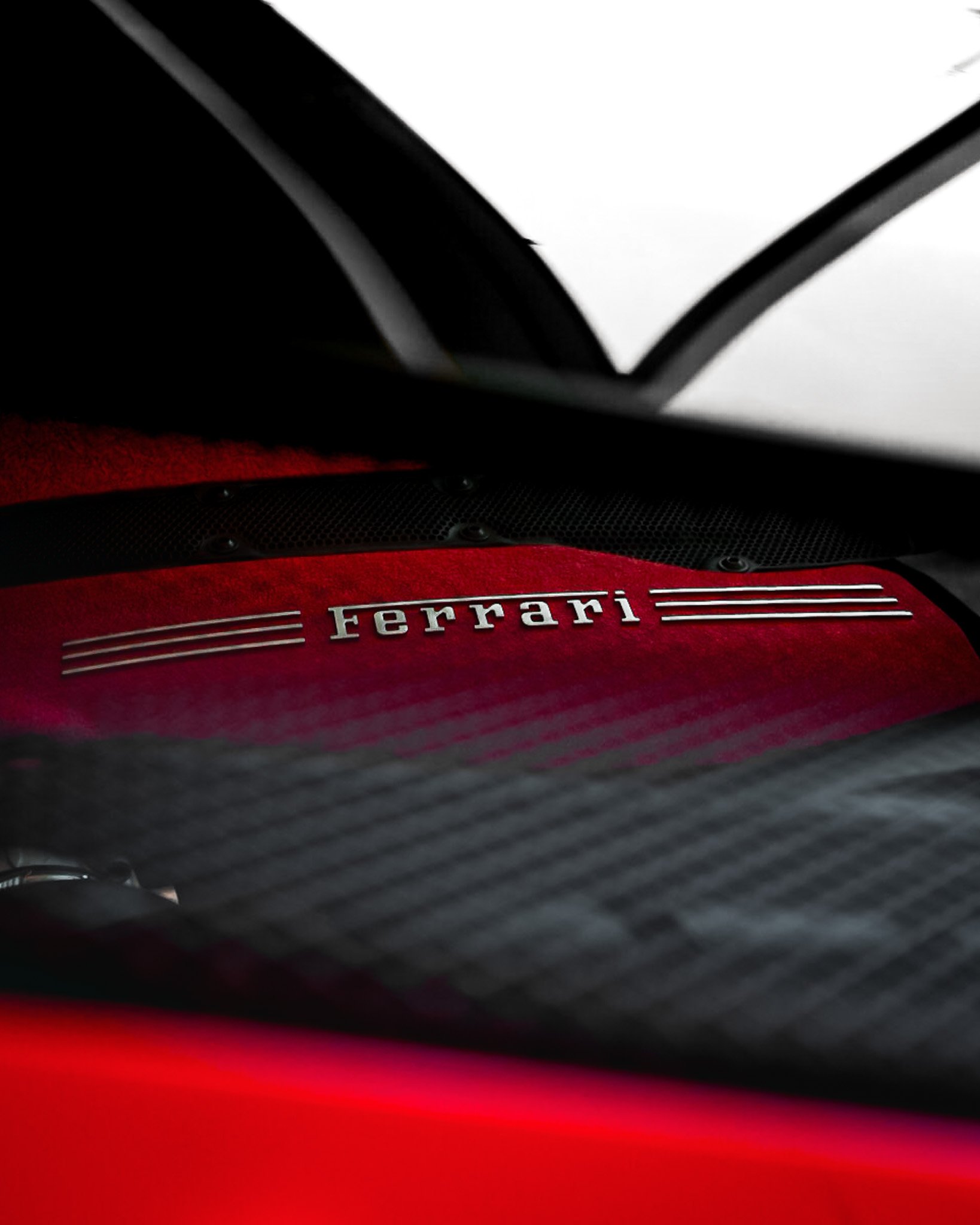
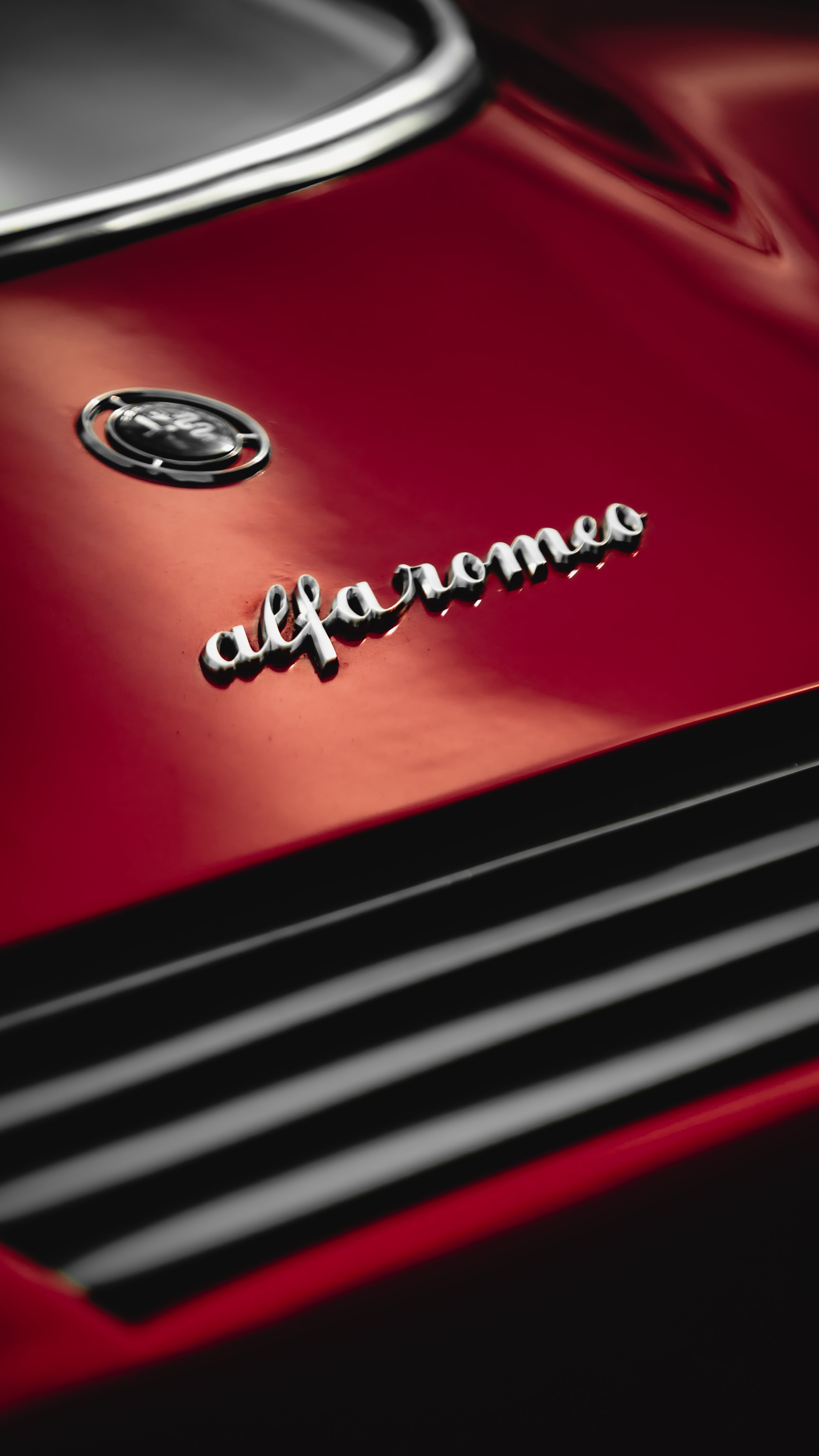
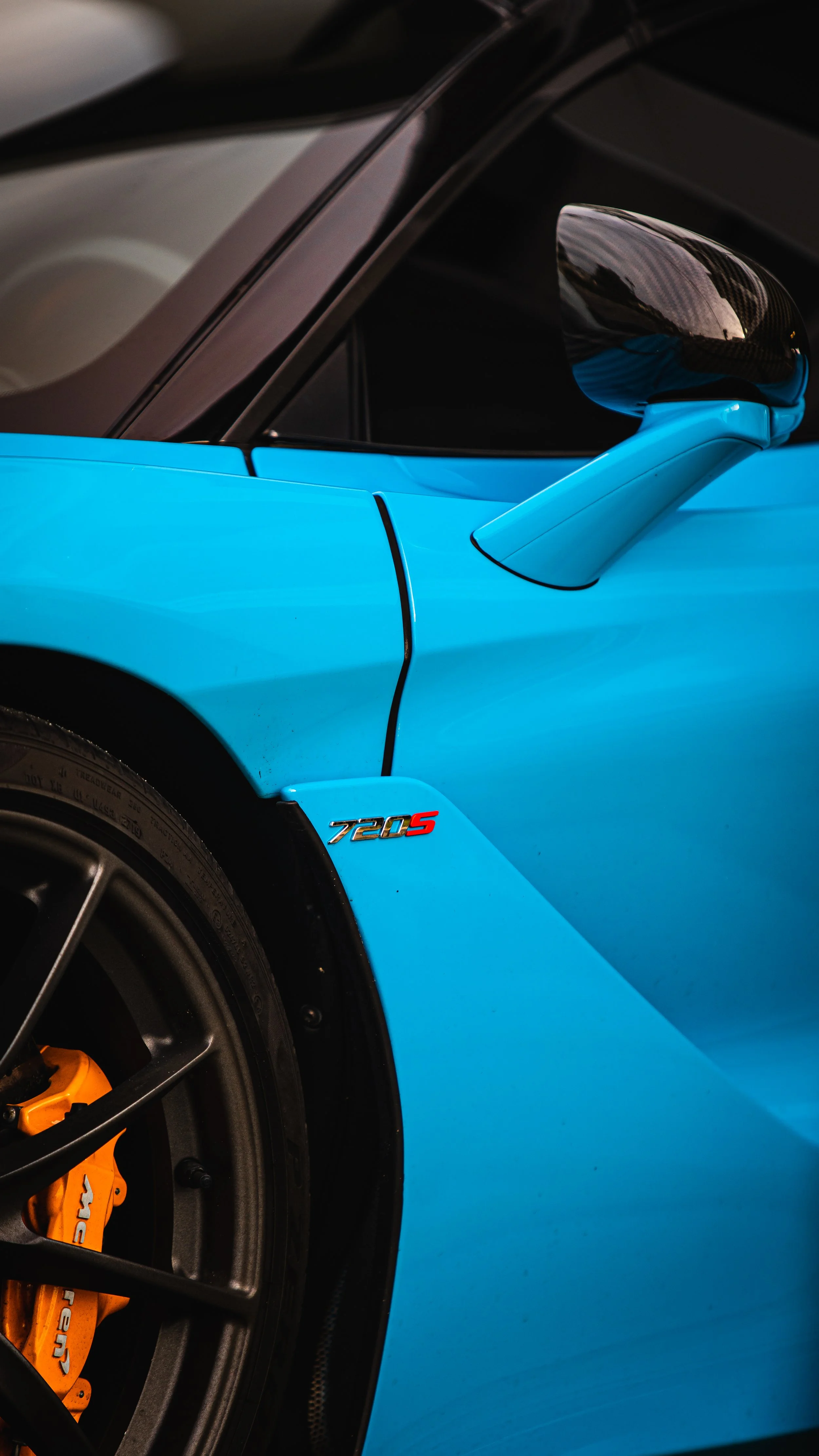
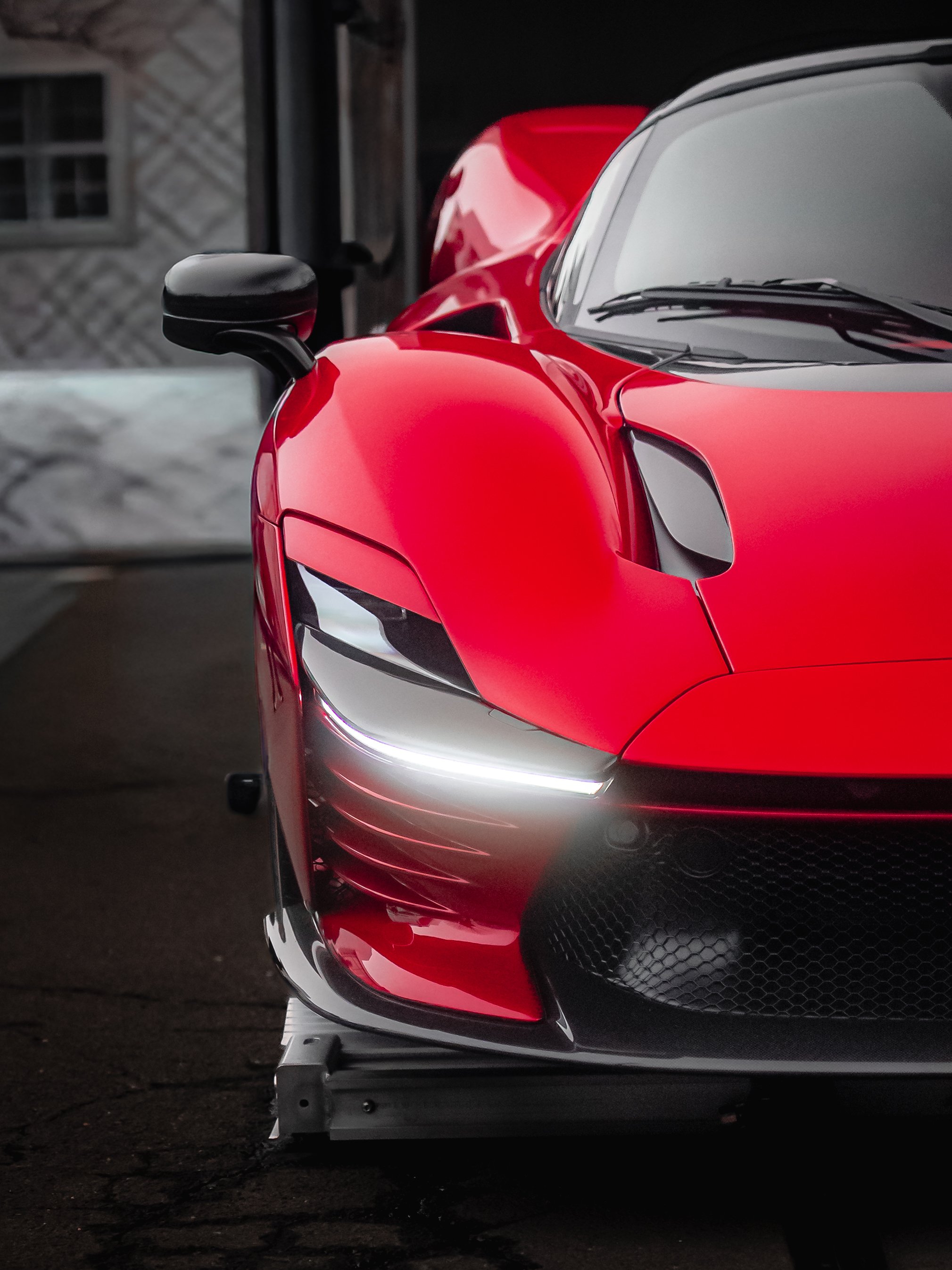
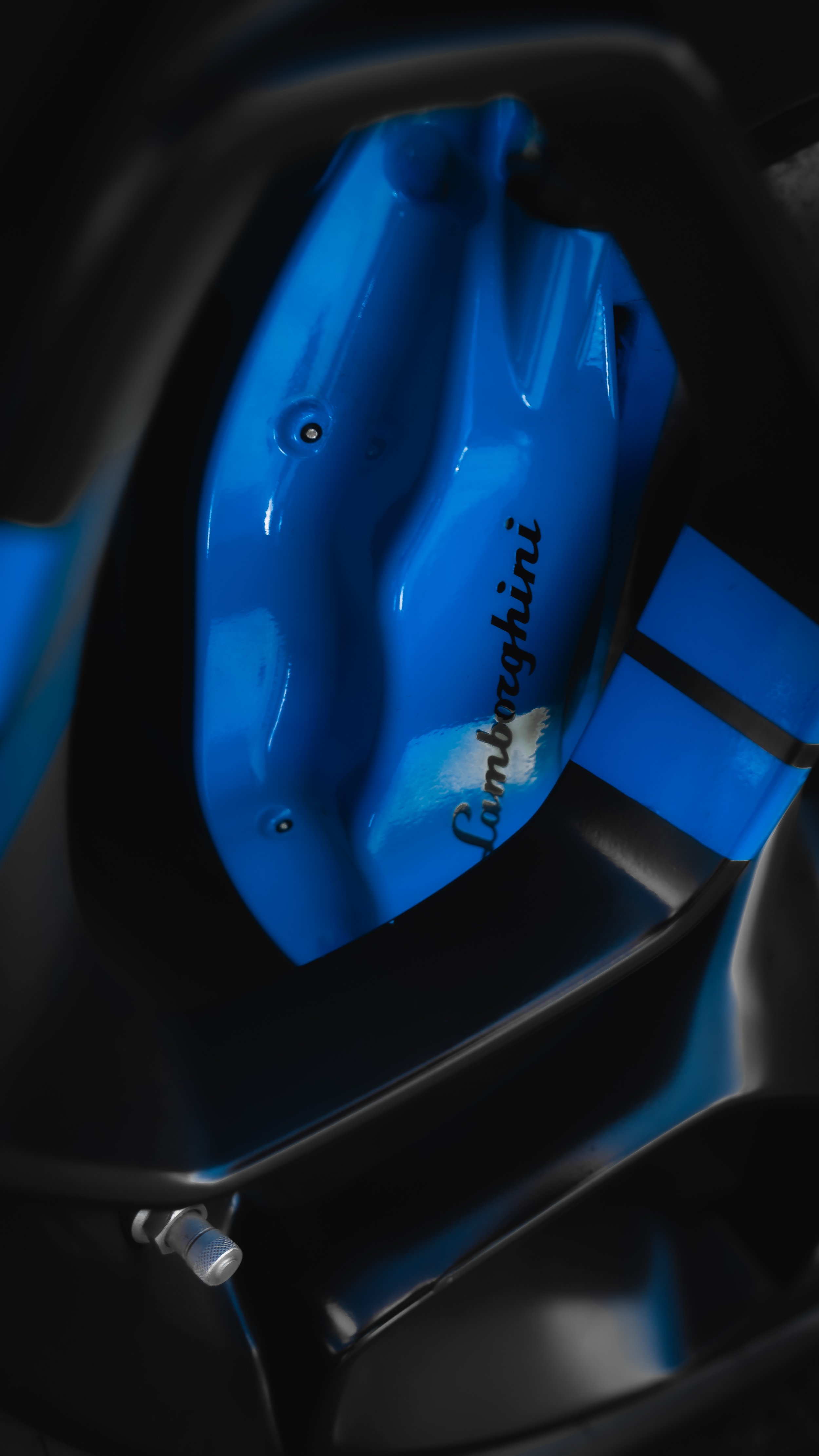
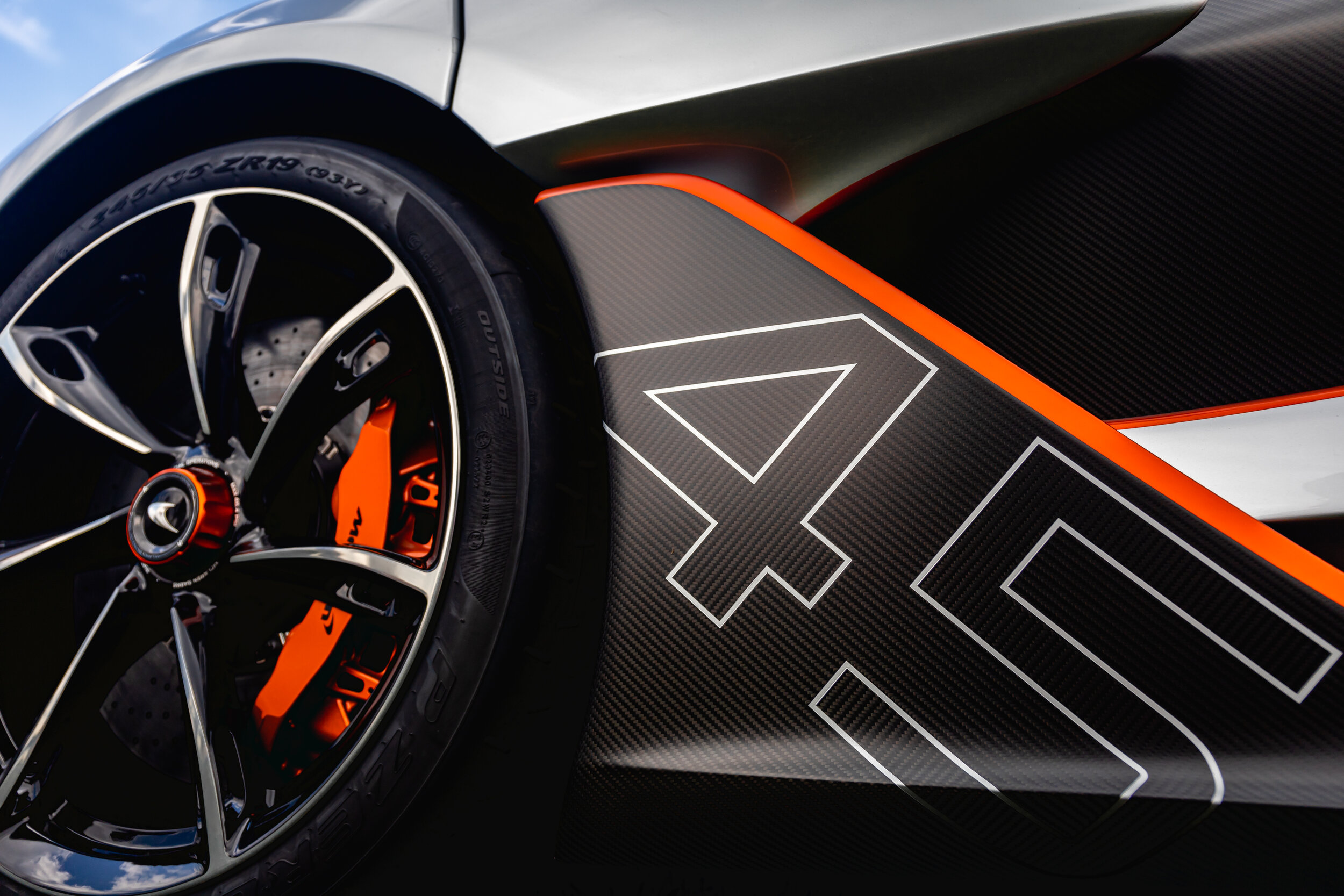
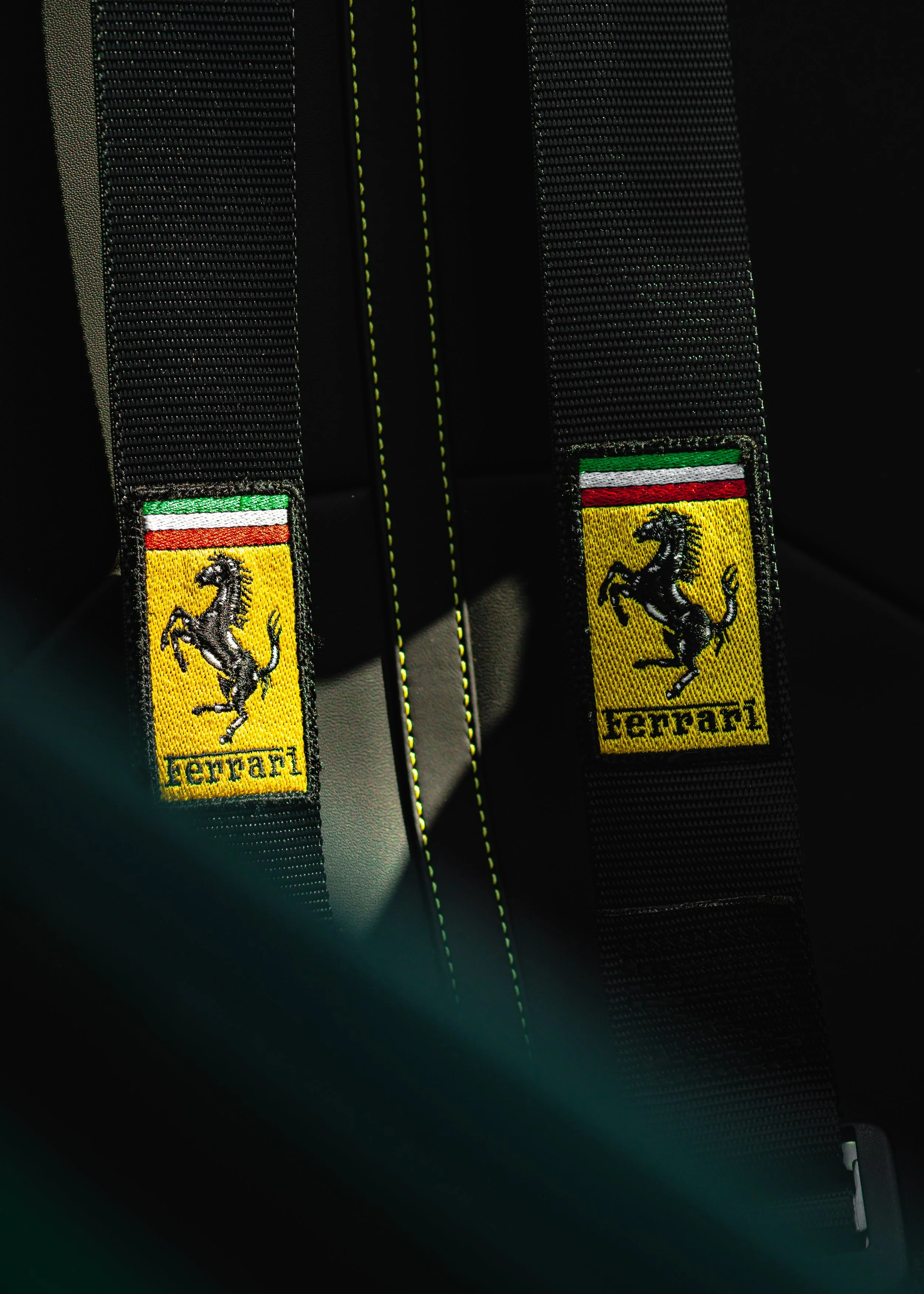
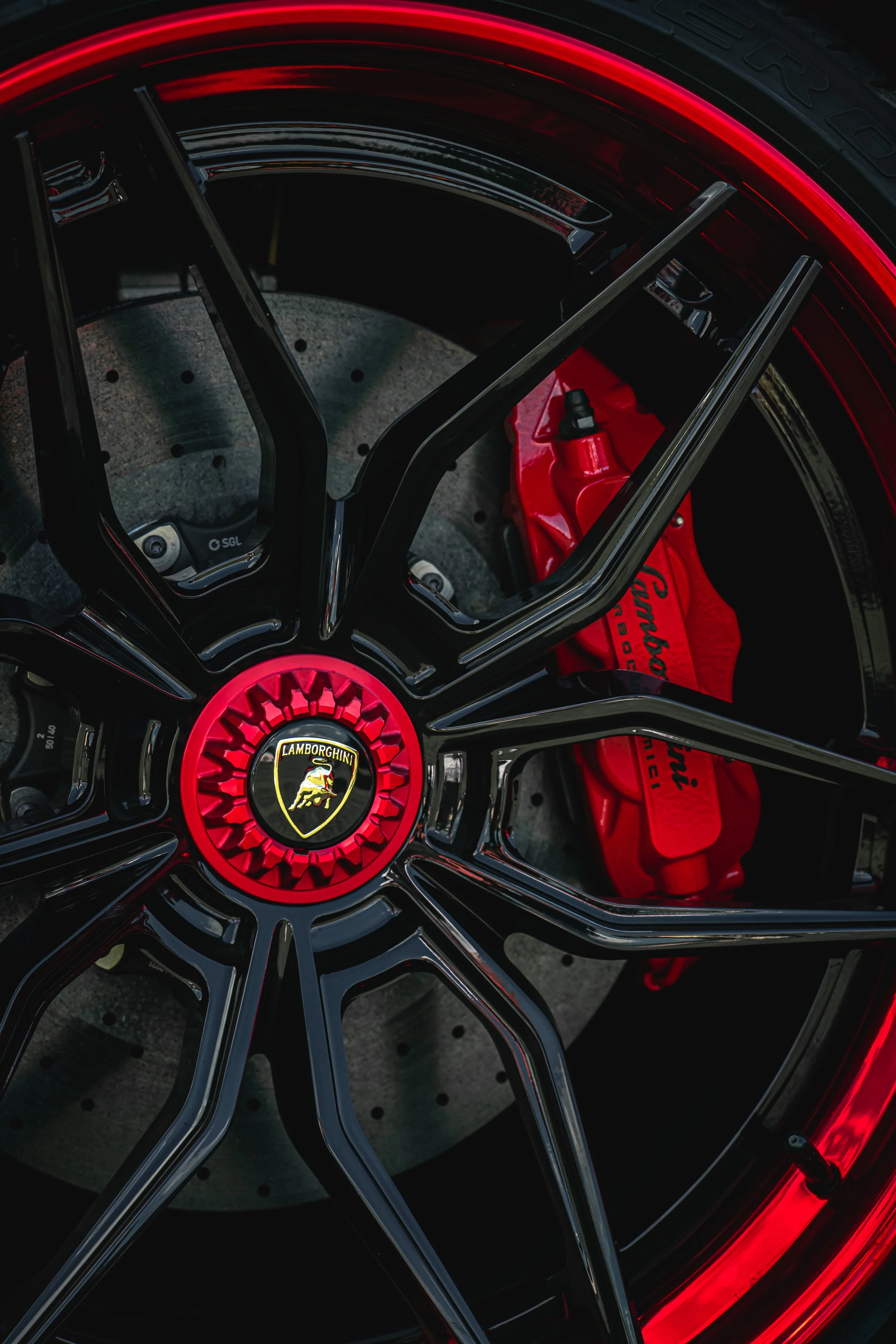
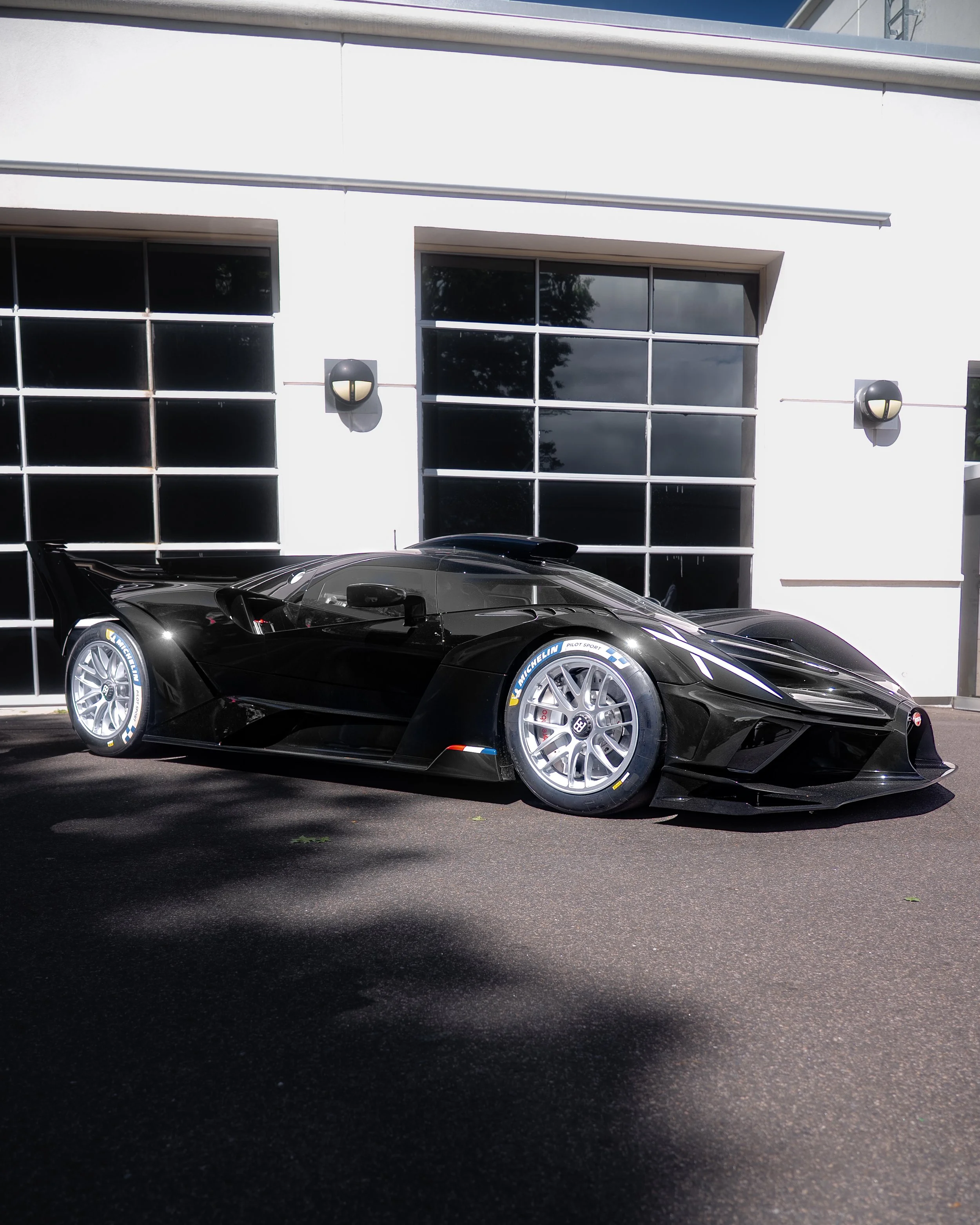
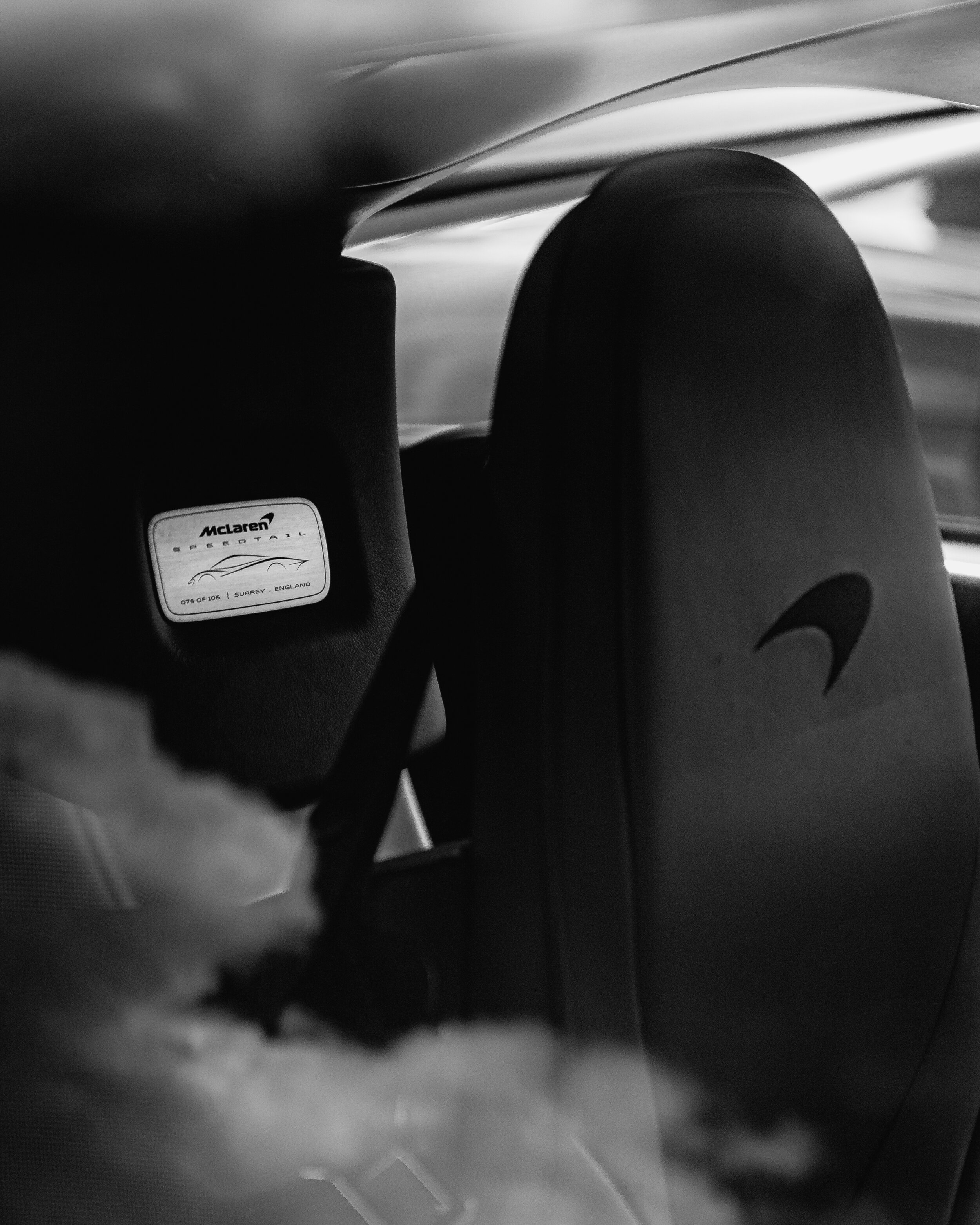
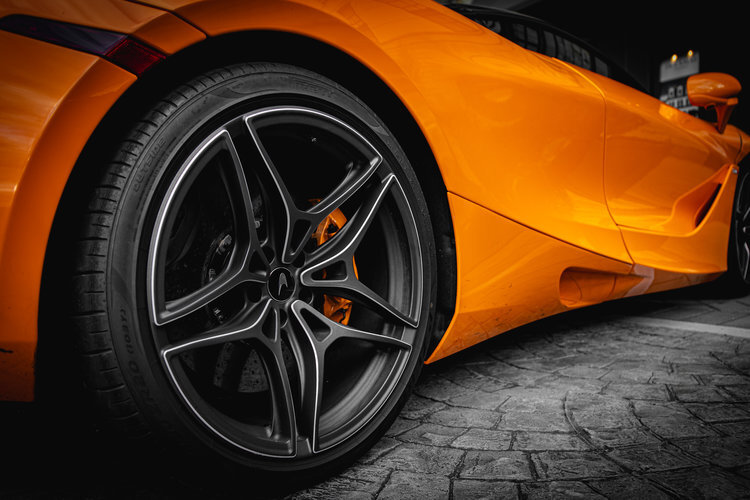
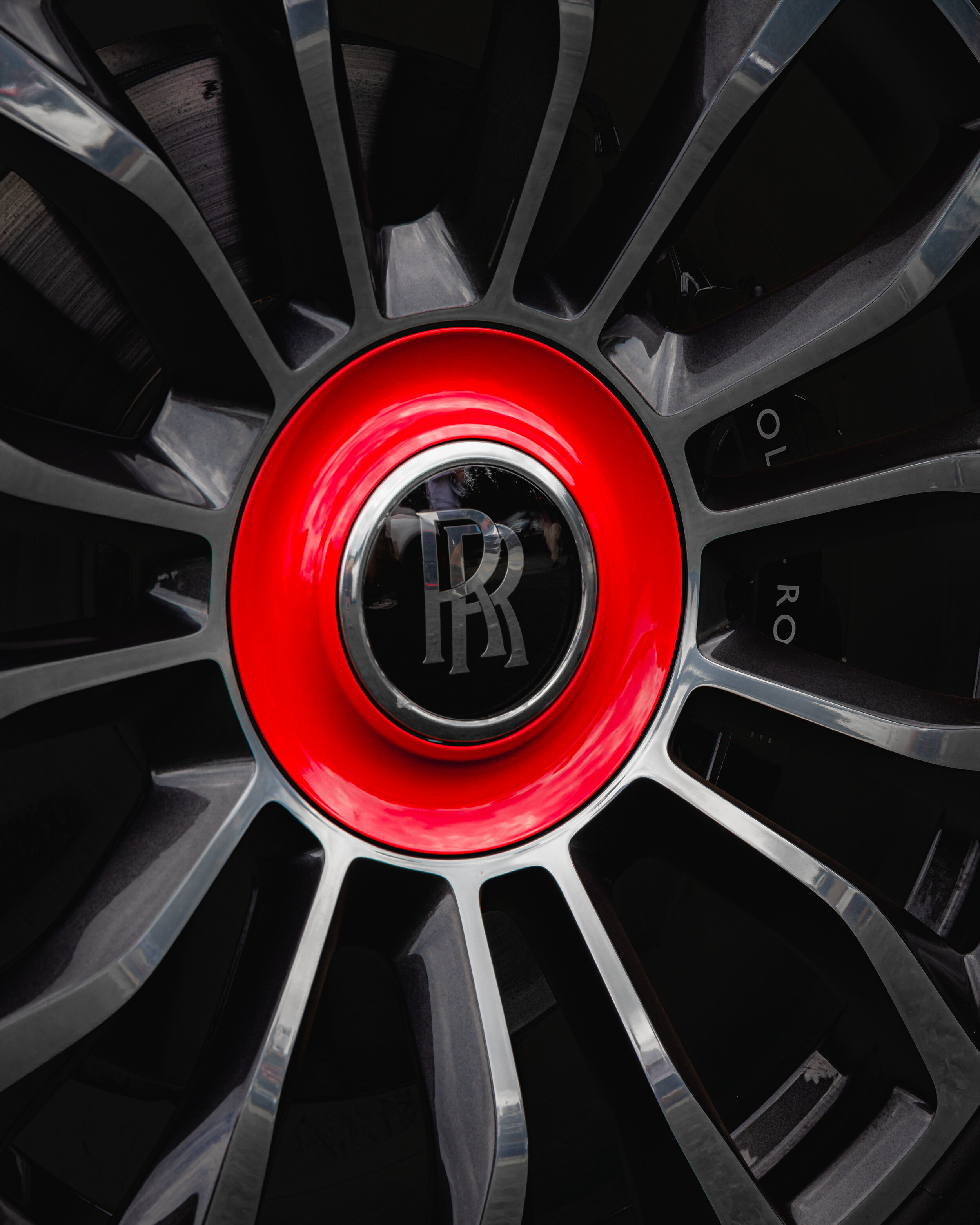
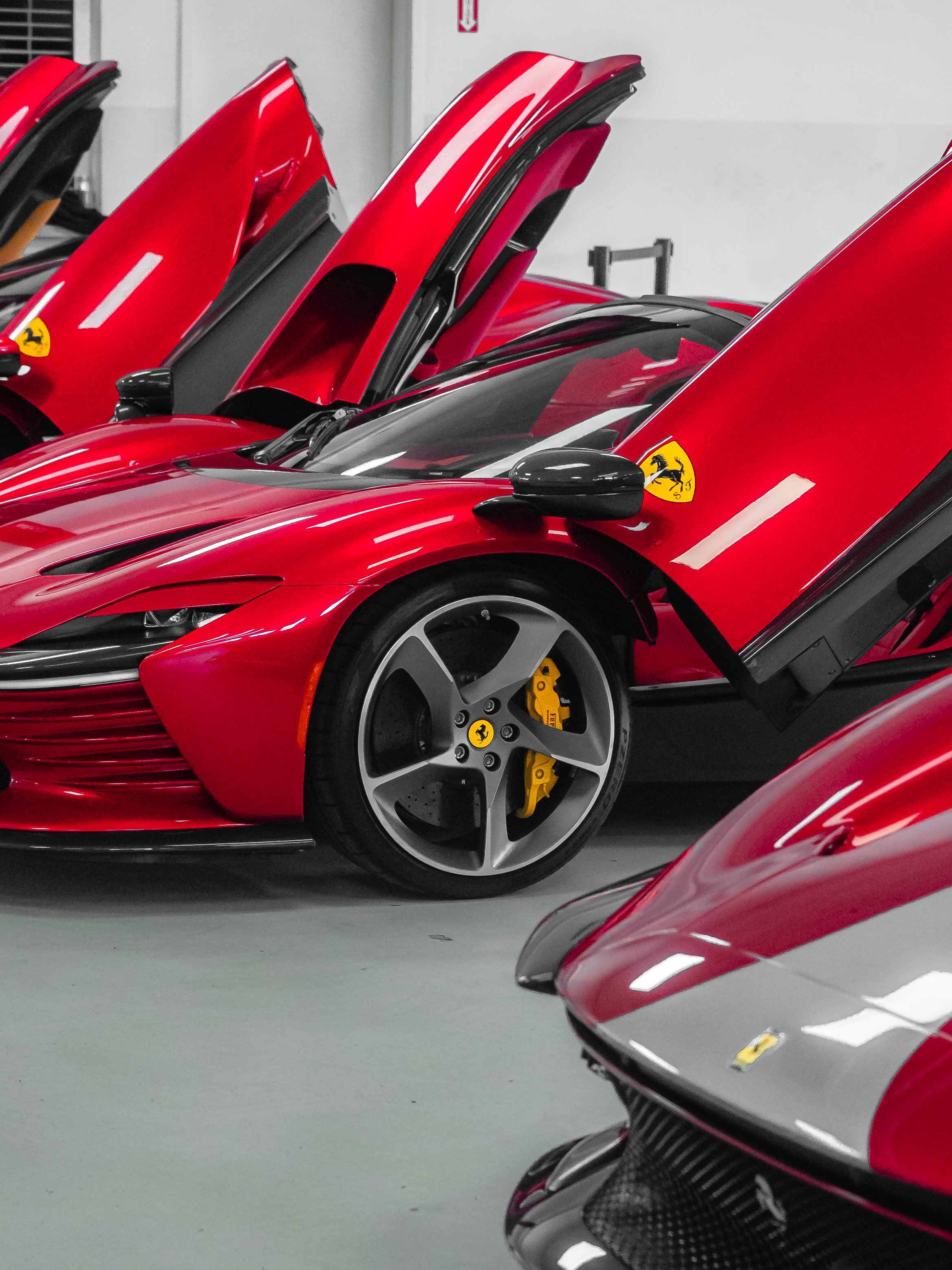
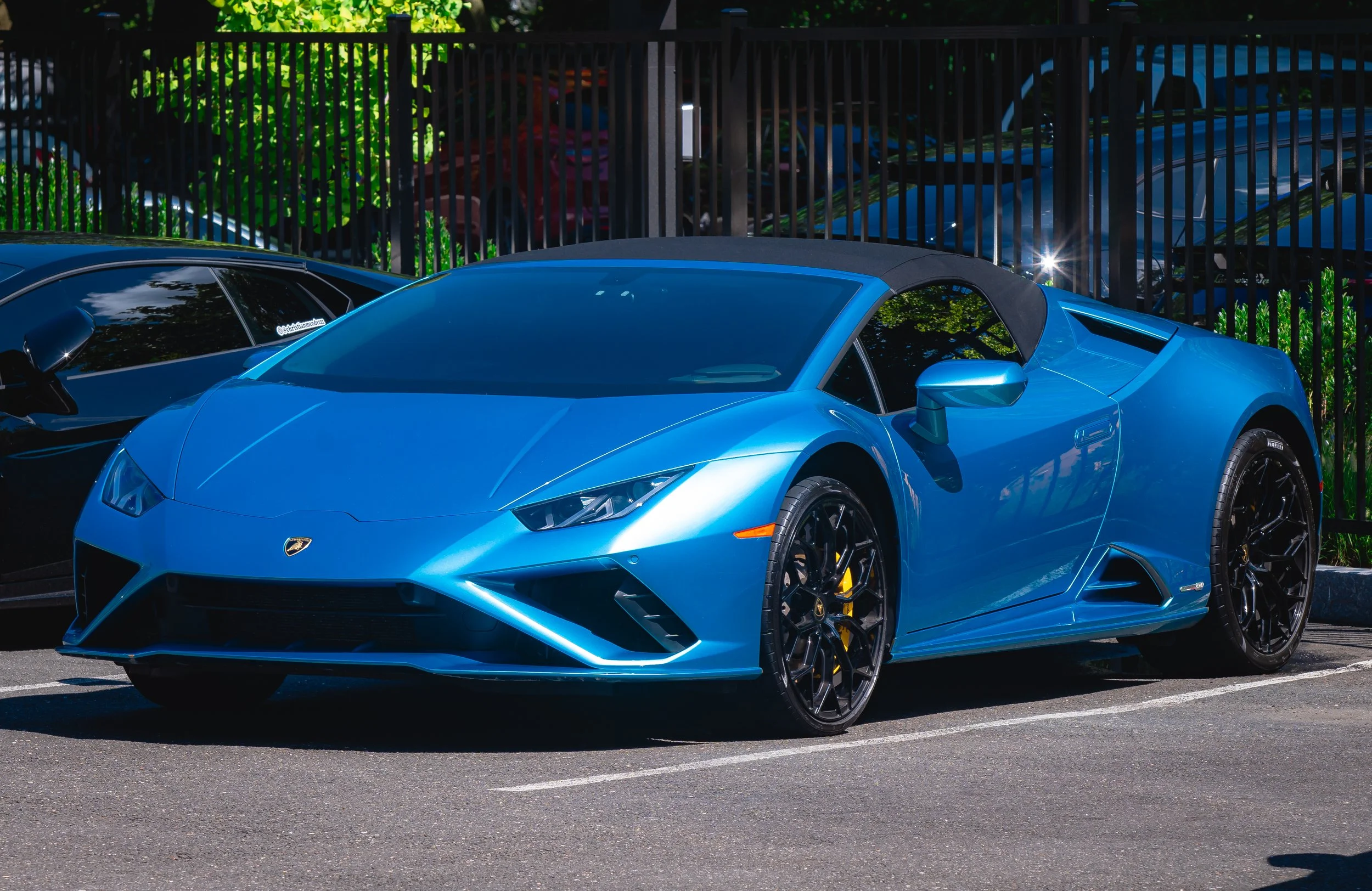
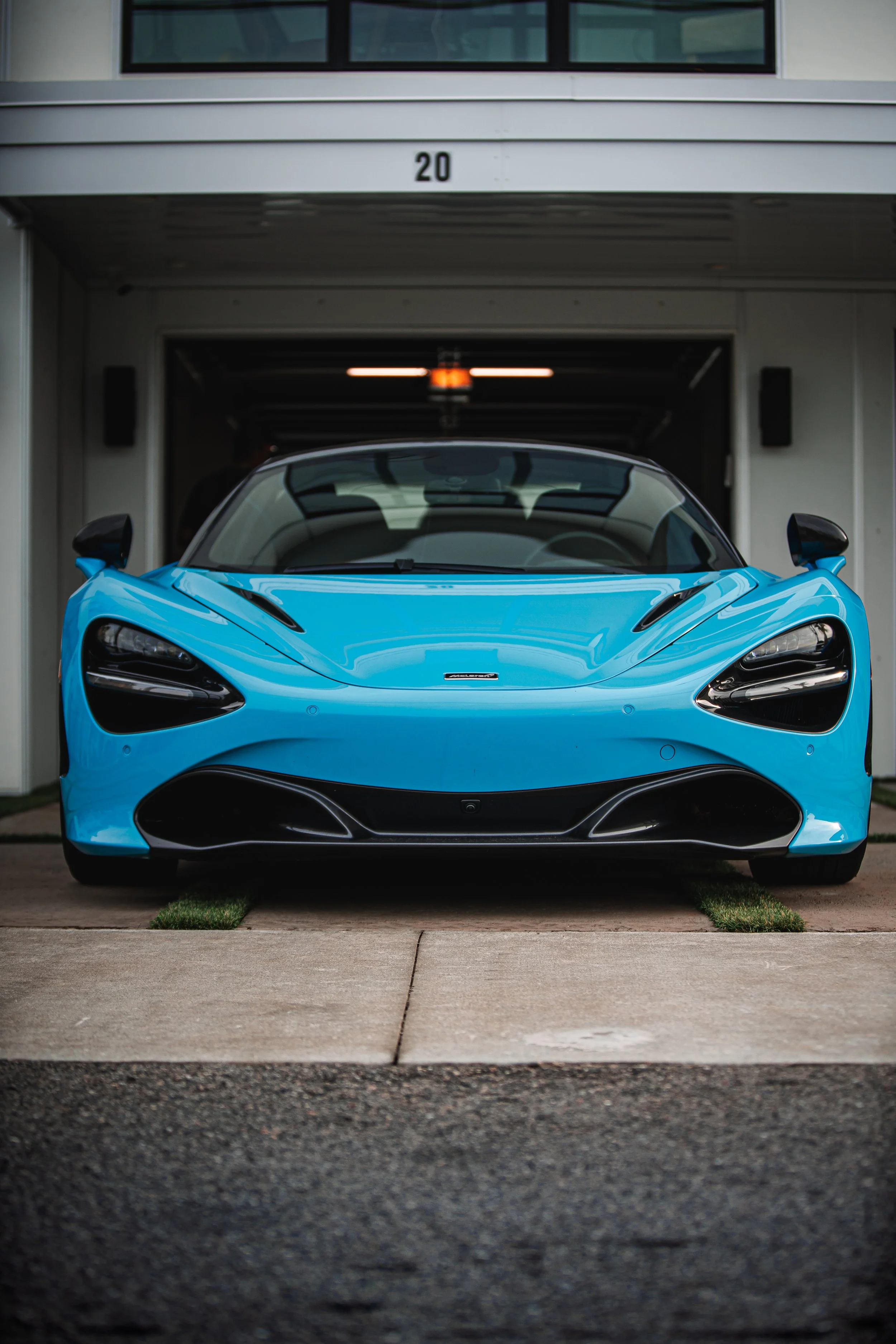
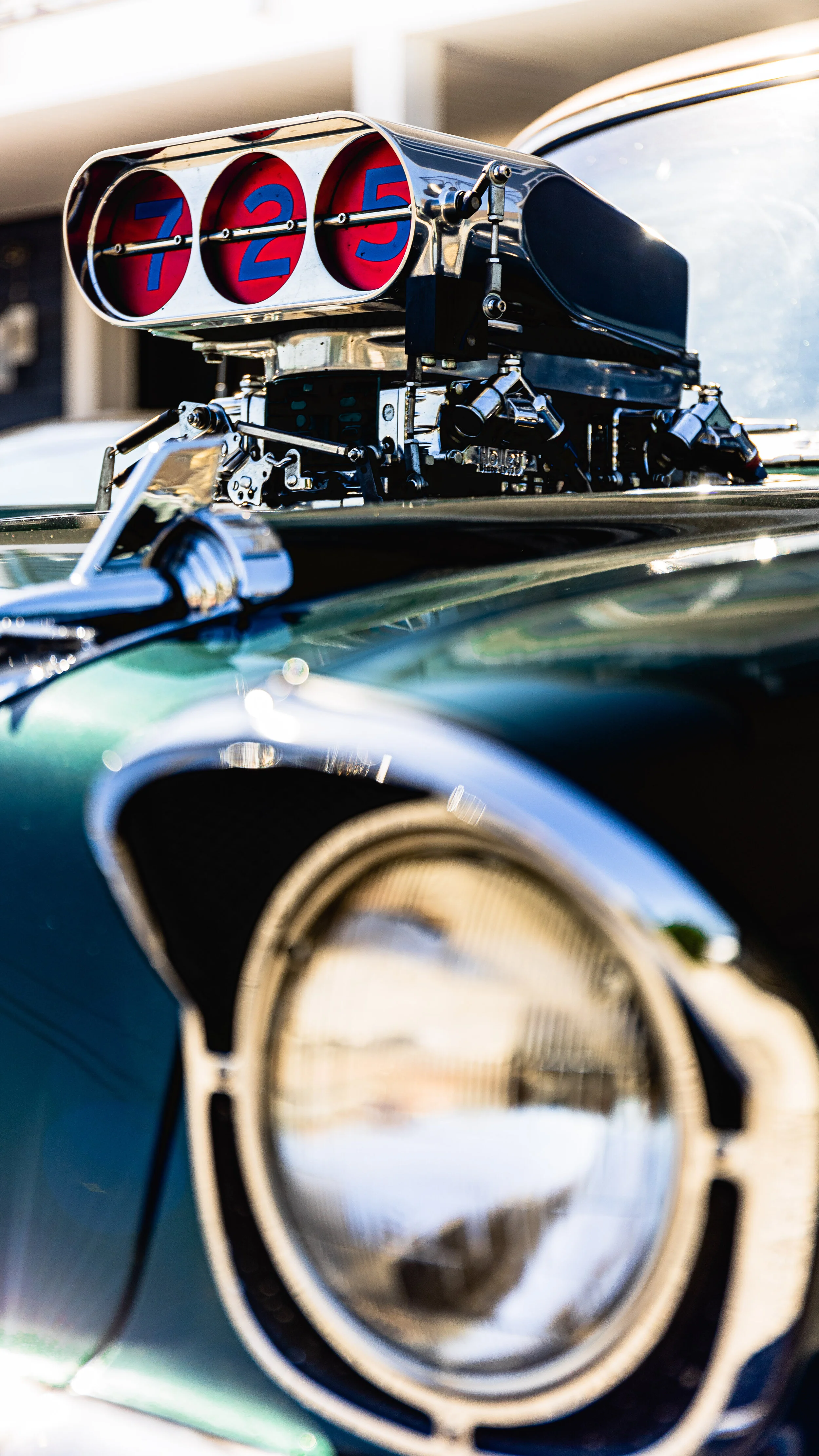
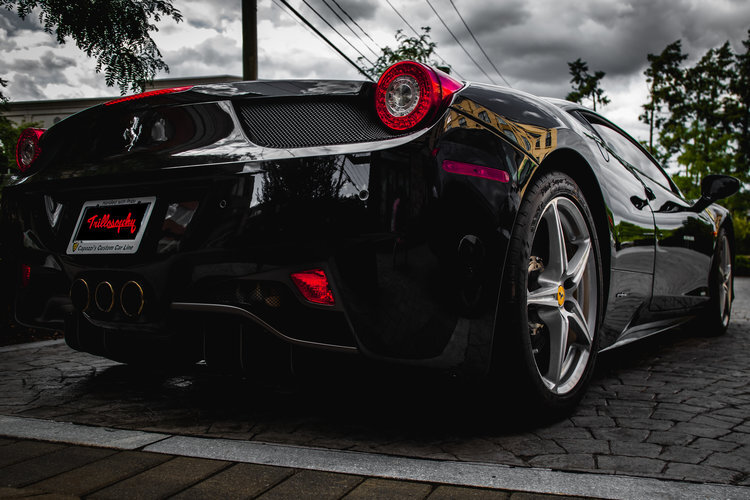
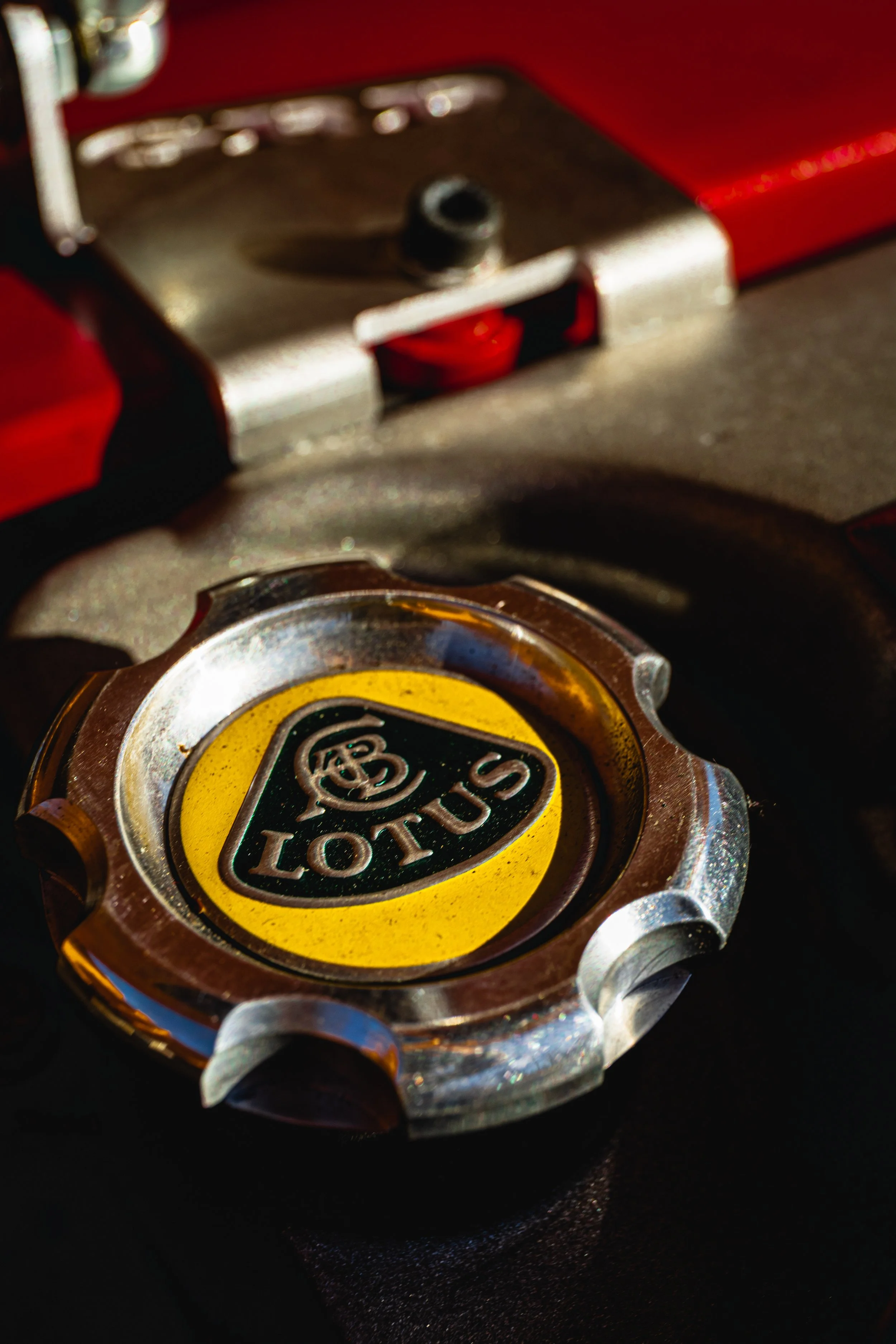
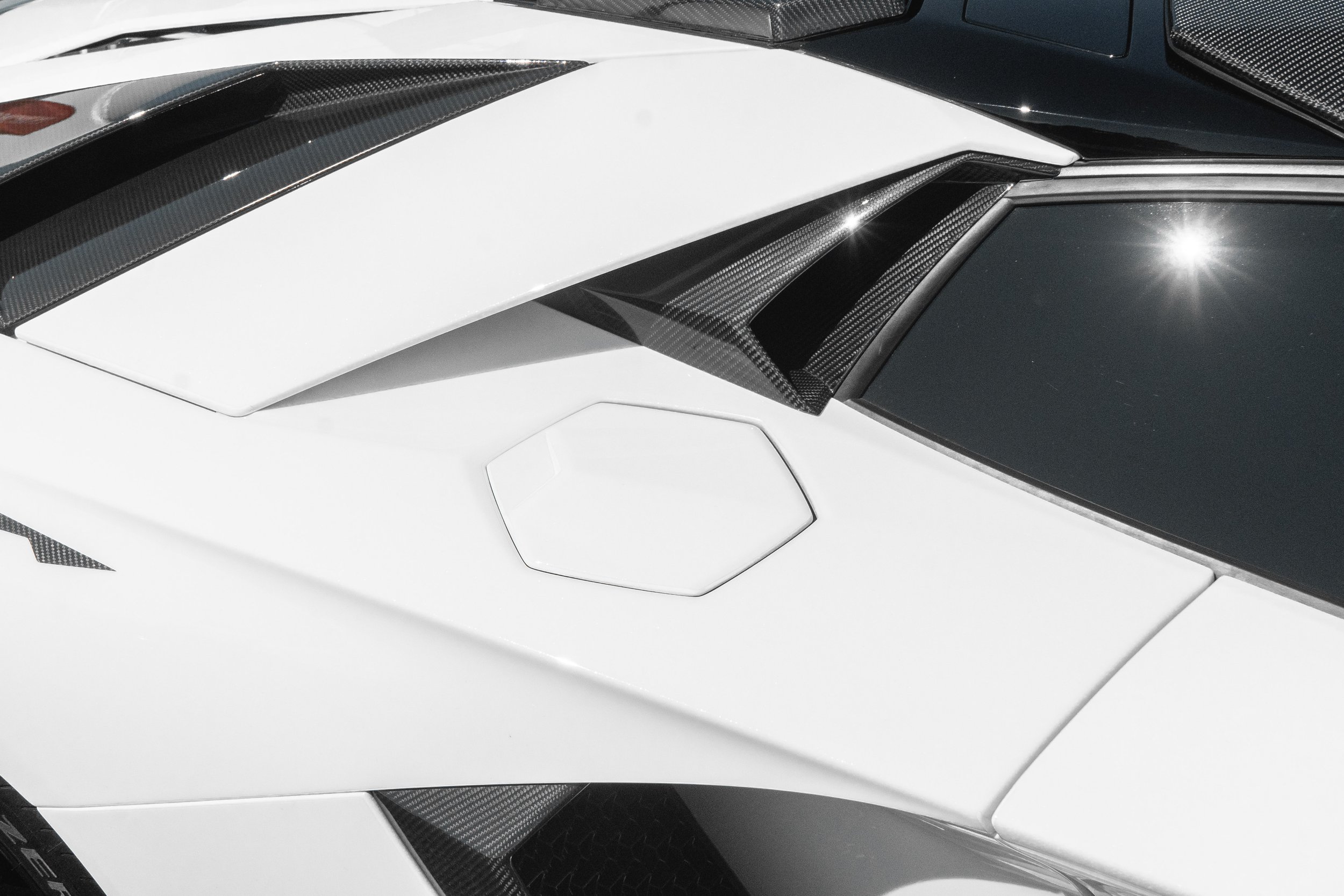
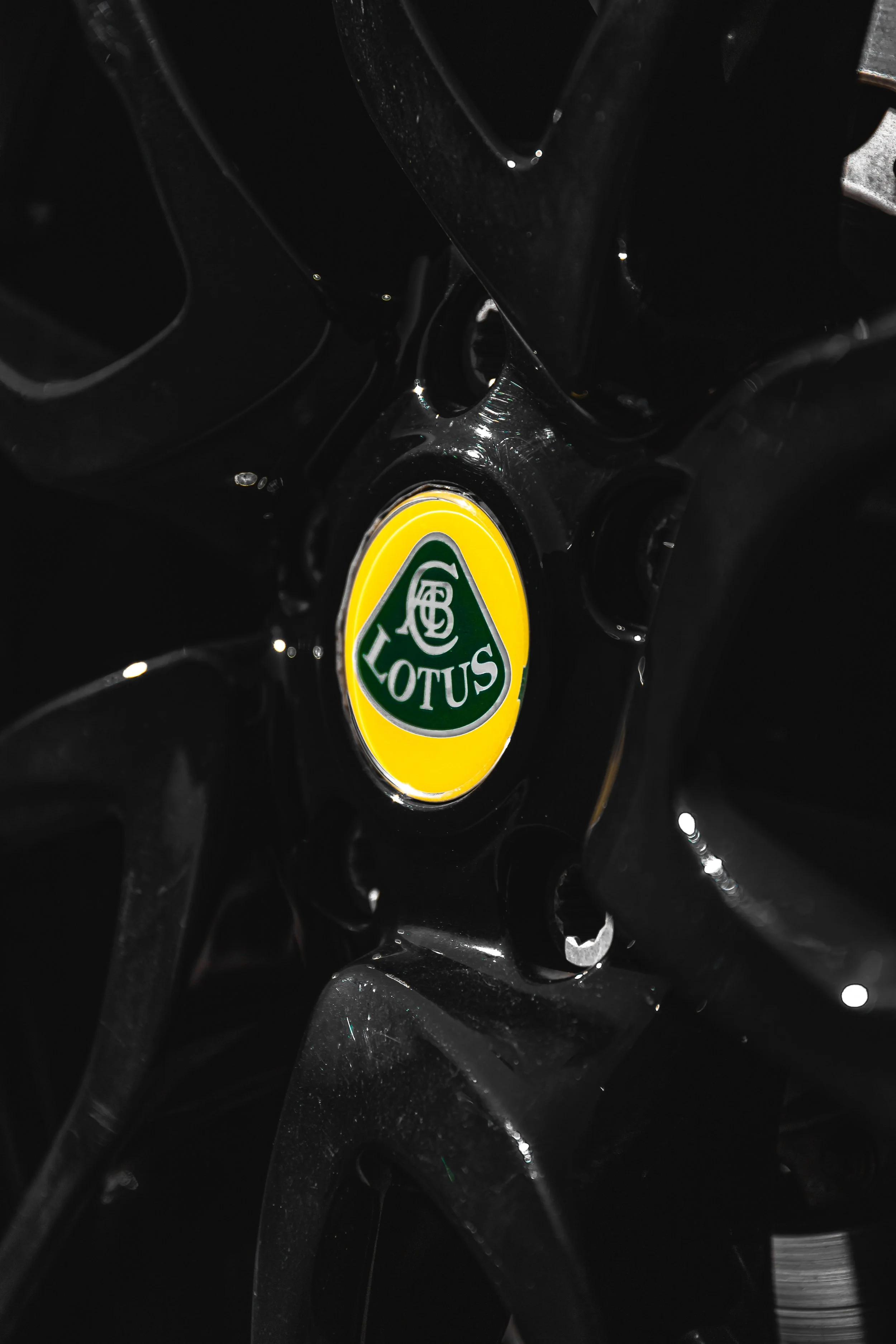
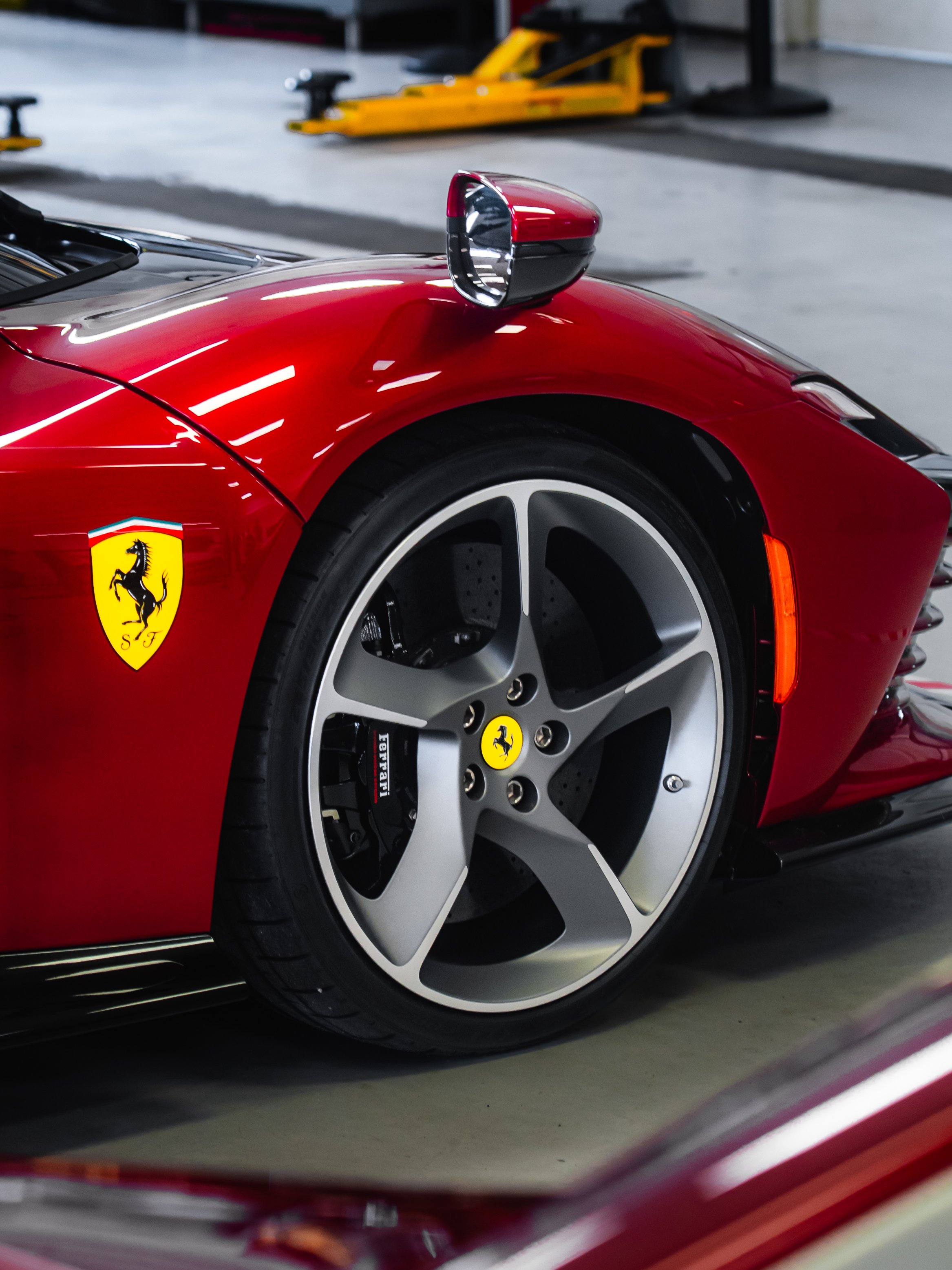
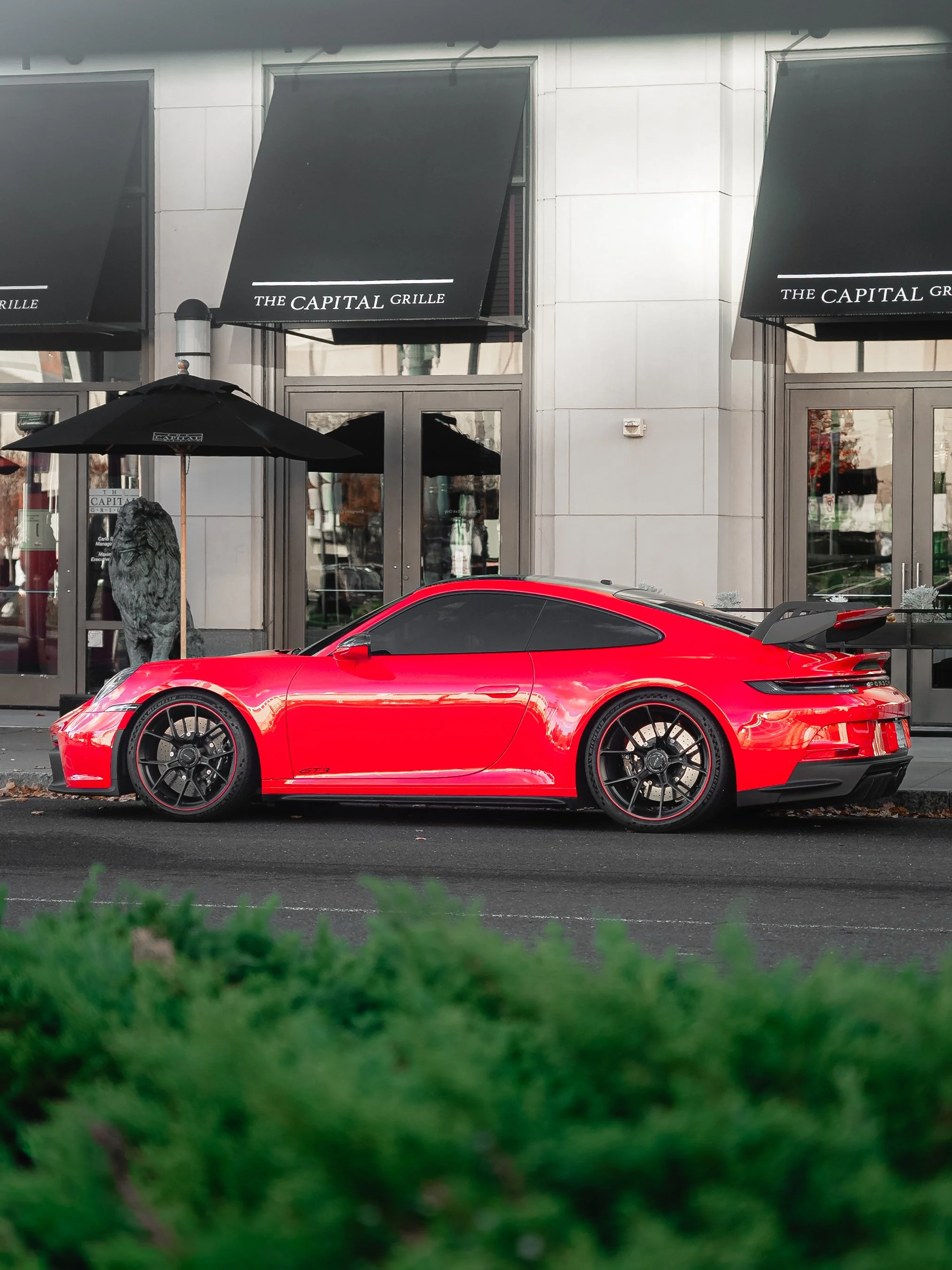
My automotive photography is less concerned with horsepower and technical specifications than with the aesthetics, style, and people who give automobiles and automotive culture meaning. As a working class photographer, when I began my journey into automotive photography, I didn't quite understand it. I knew about cars through so many hip-hop lyrics that shape my imagination, and my fixation on vivid colors and textures led to a deep fascination with the unique pigments and surfaces of high-end cars. But I didn't really grasp the point. After all, the average person can't drive a Lamborghini on the highway the way that it's meant to be driven. But after conversations with collectors, enthusiasts, engineers, and designers at dozens of events, I slowly came to recognize the depth of craftsmanship that goes into creating the engineering marvels collectors come to love as well as the insights (and investments) that many collectors carefully curate in their garages.
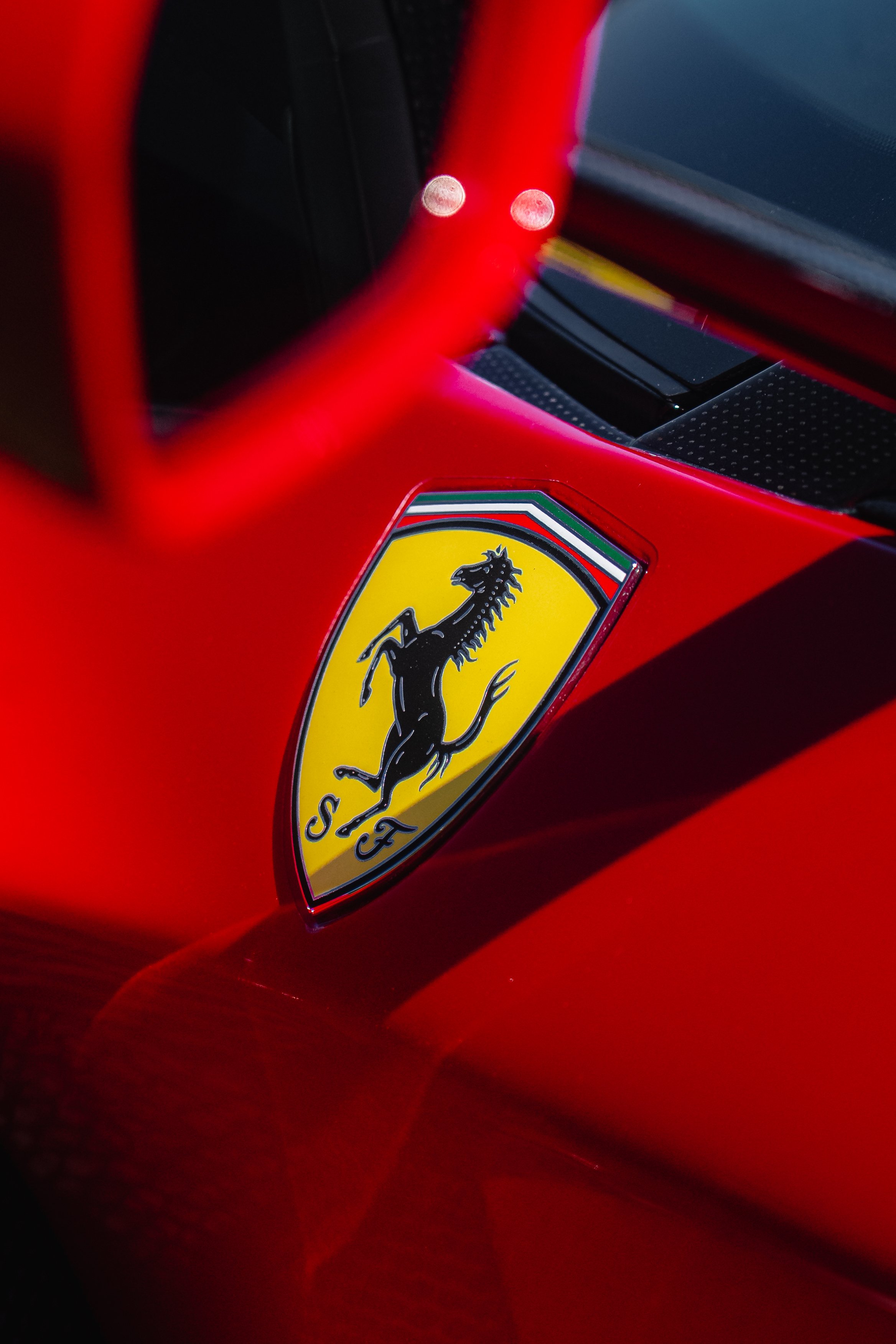
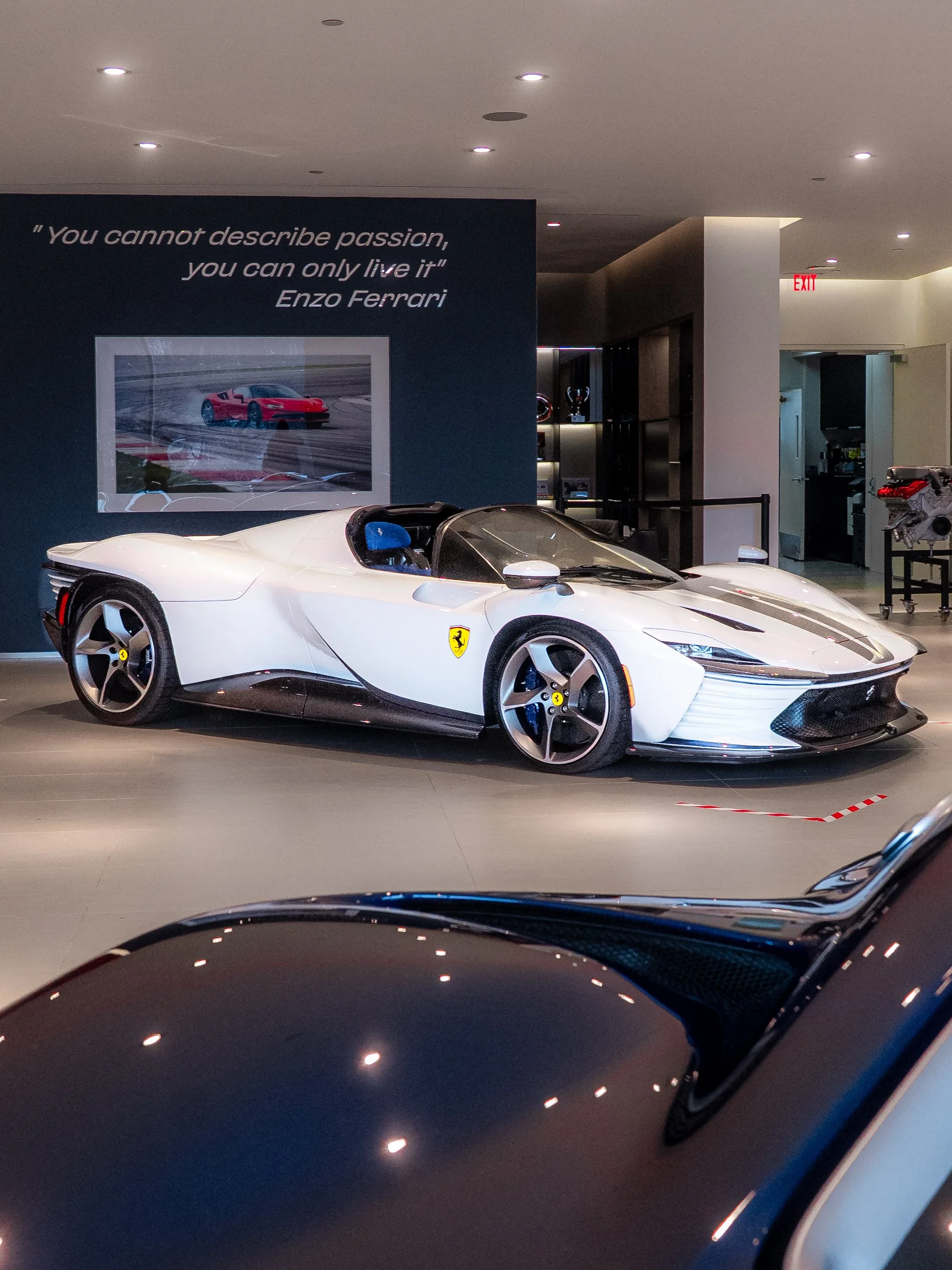
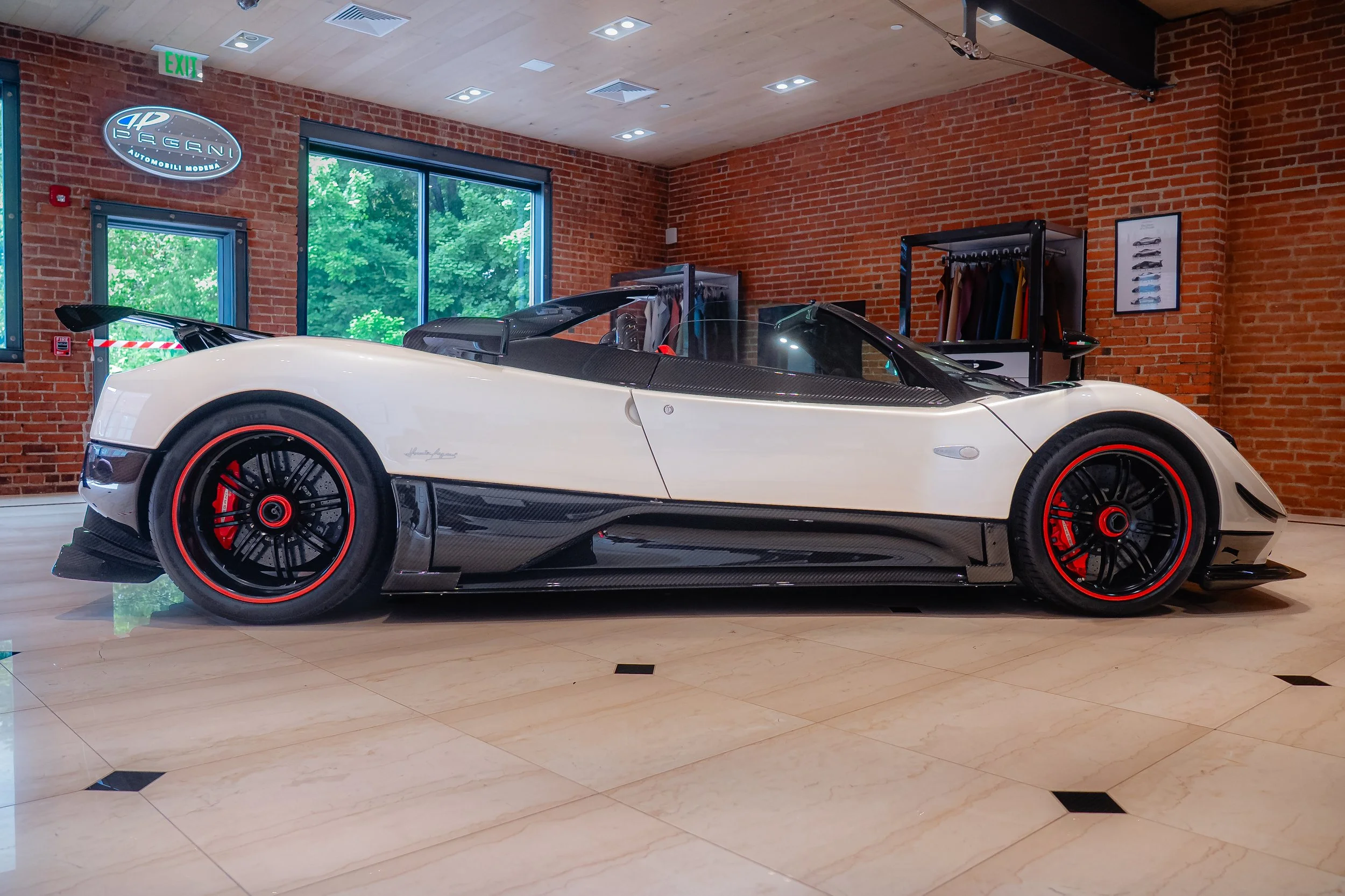
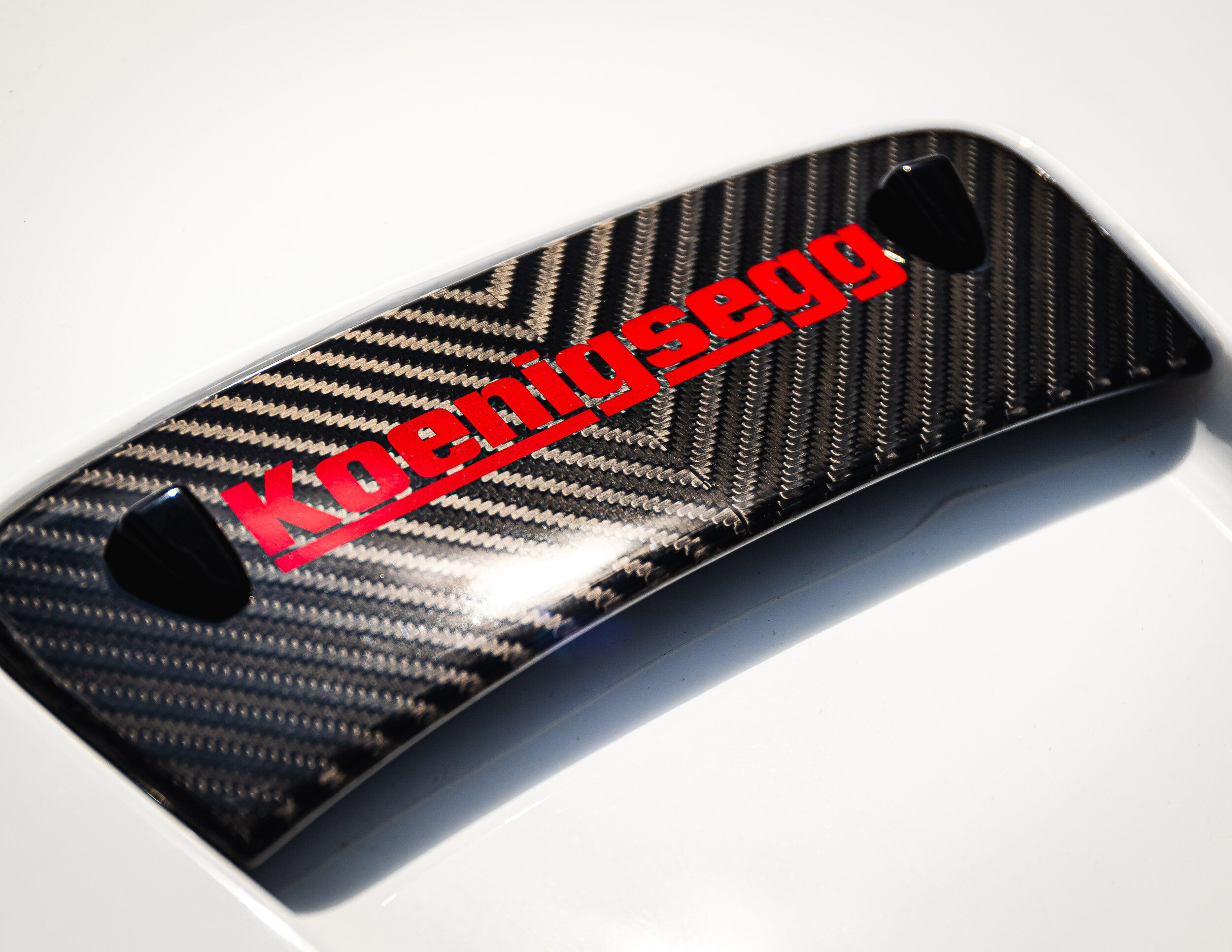
I am interested in the people who preserve these machines—the collectors, restorers, designers, mechanics, and enthusiasts who serve as stewards of automotive history. Their collections are rarely just collections; they are carefully curated expressions of identity, taste, philosophy, and an enduring commitment to preserving exceptional objects. Put simply, cars are one of the highest forms of contemporary art. While some wealthy people take interest in collecting Claude Monet, Jean-Michel Basquiat, or Georgia O'Keeffe, others take pride in collecting Enzo Ferrari, Horatio Pagani, or Christian von Koenigsegg.
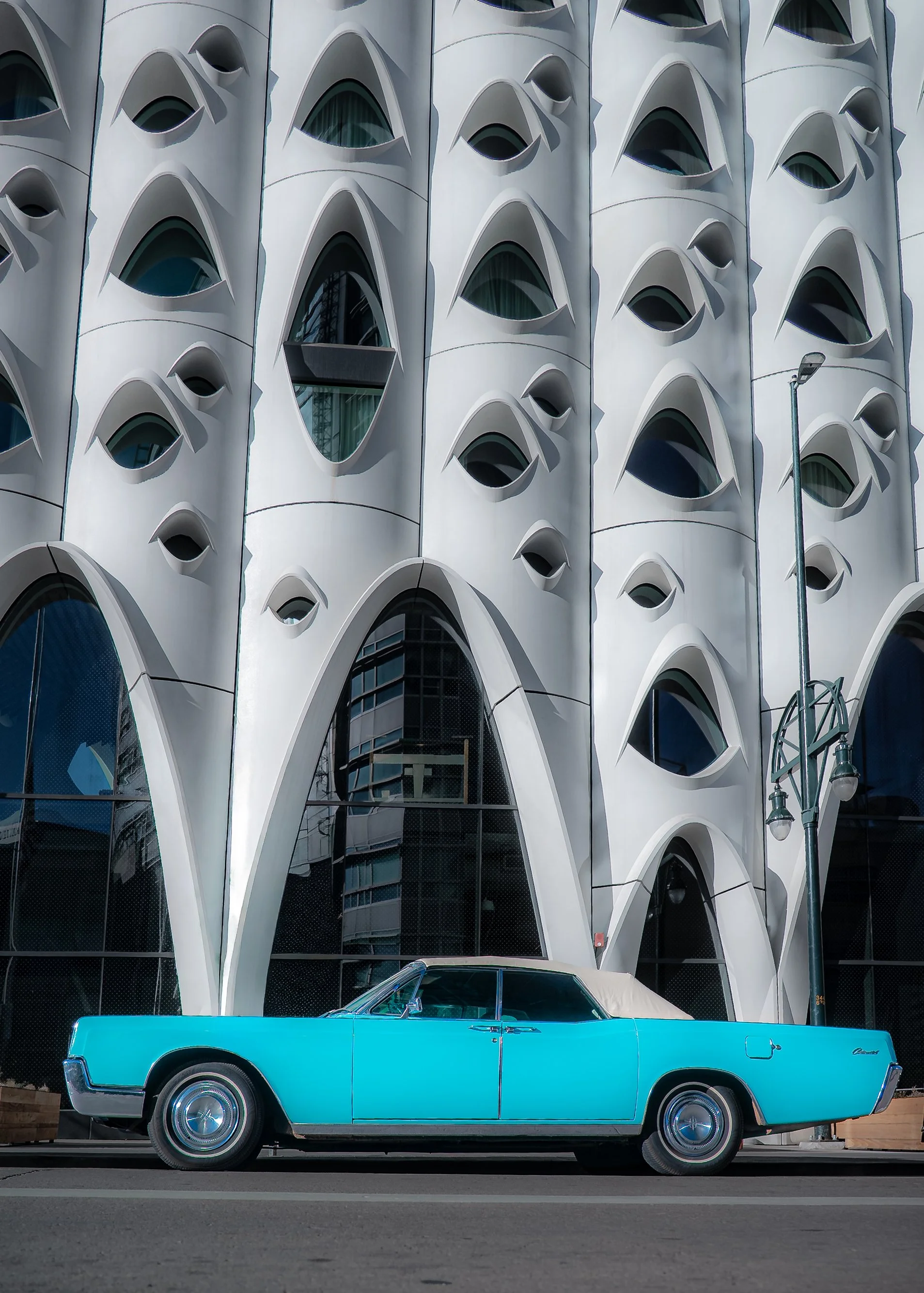
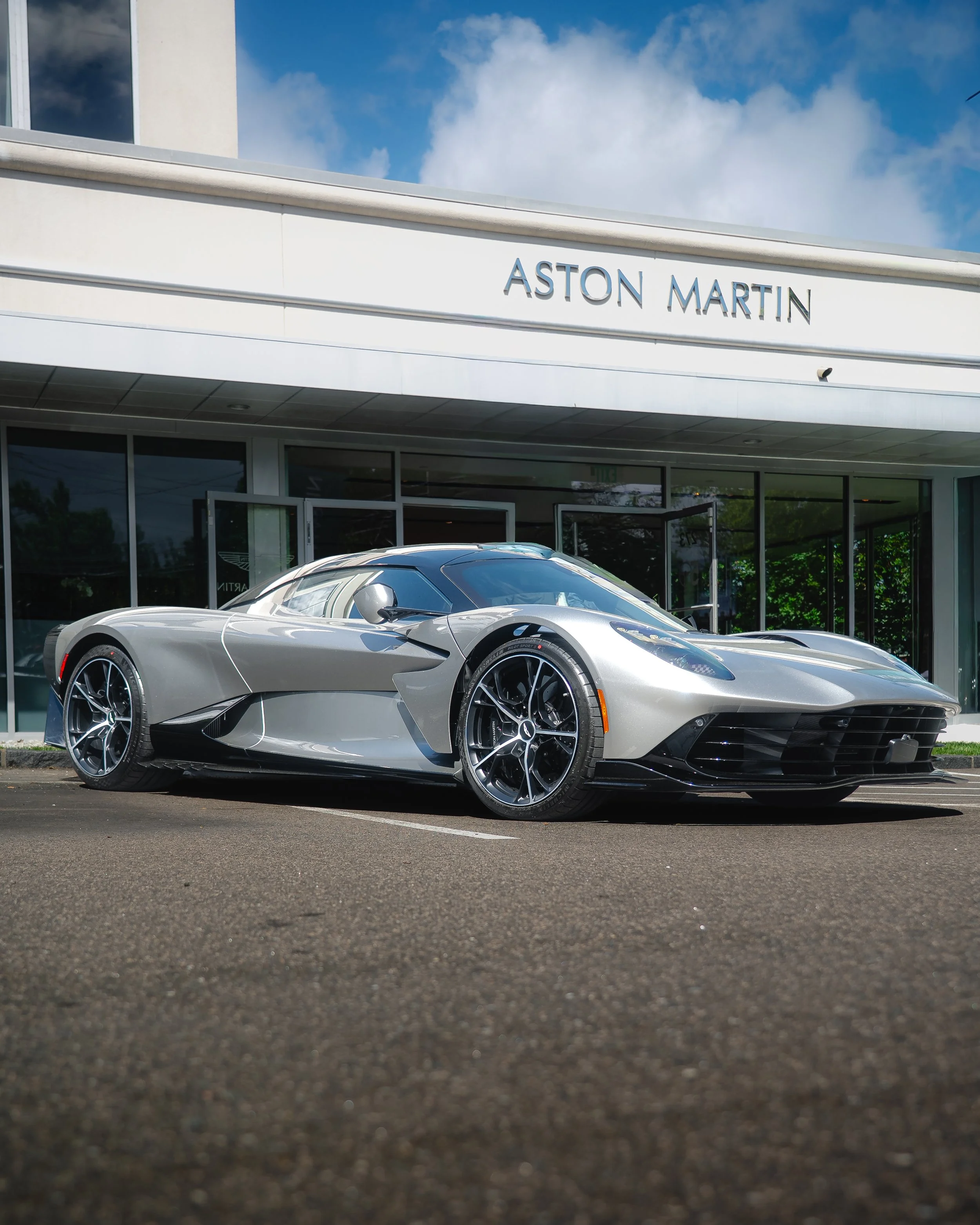
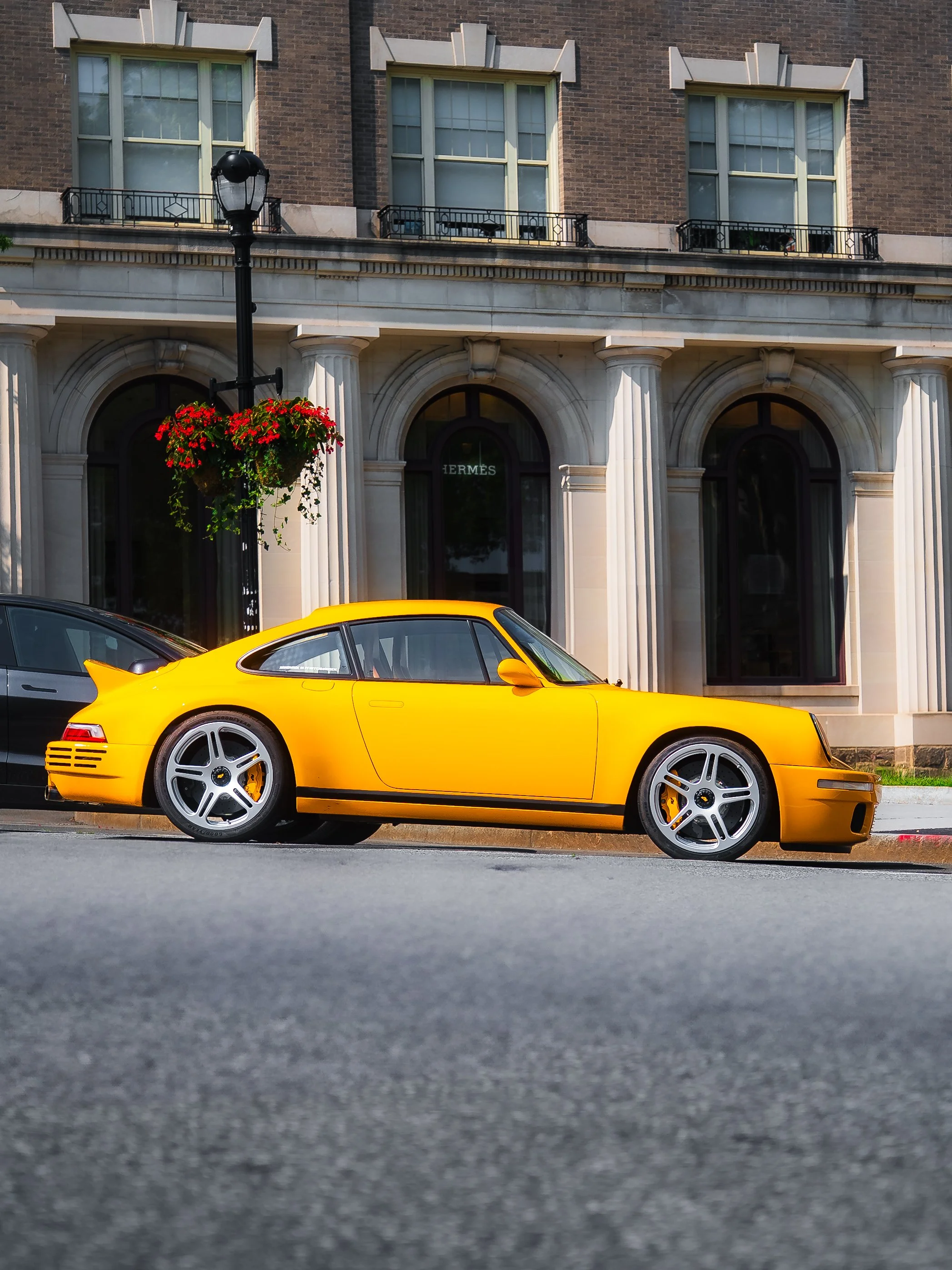
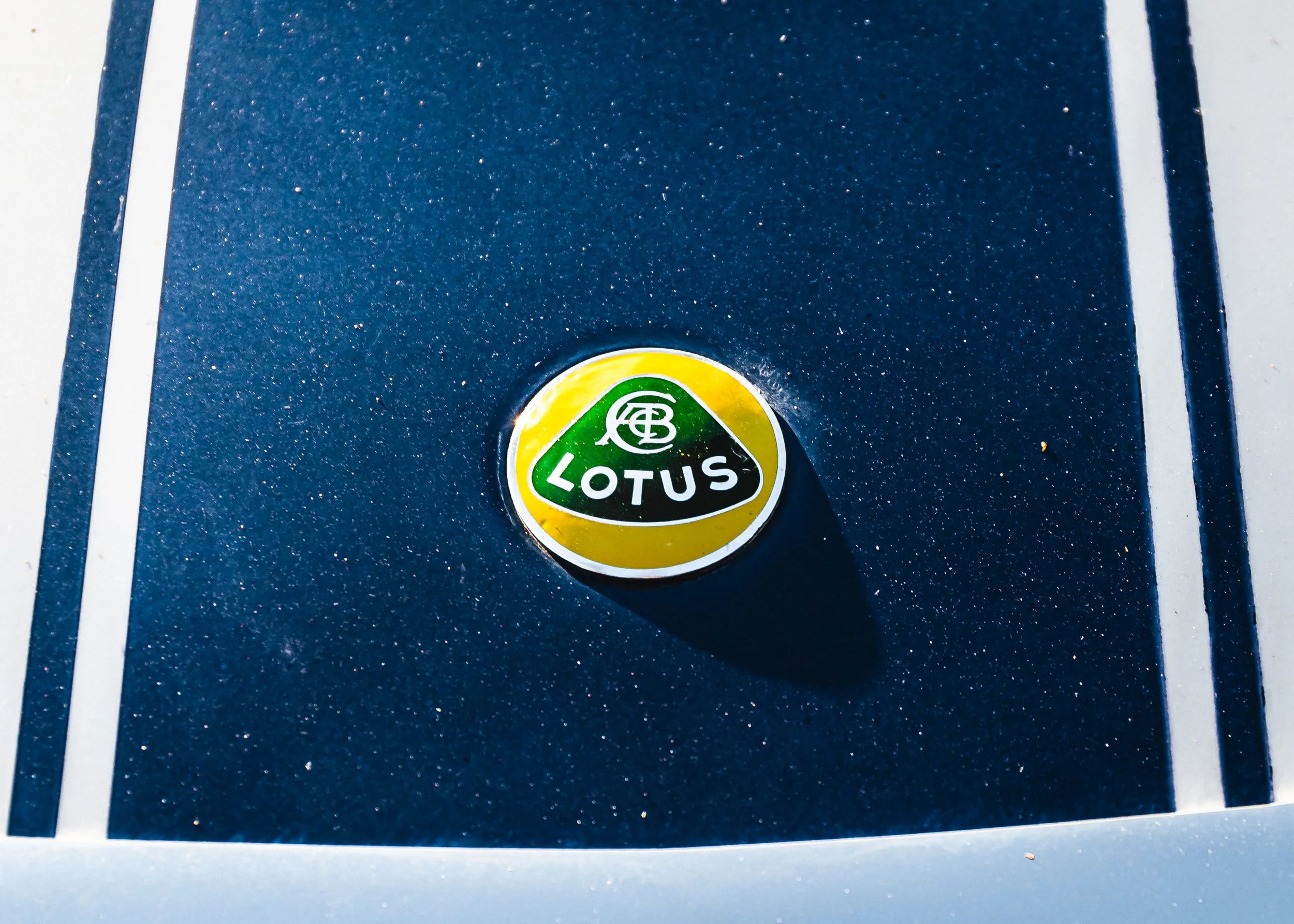
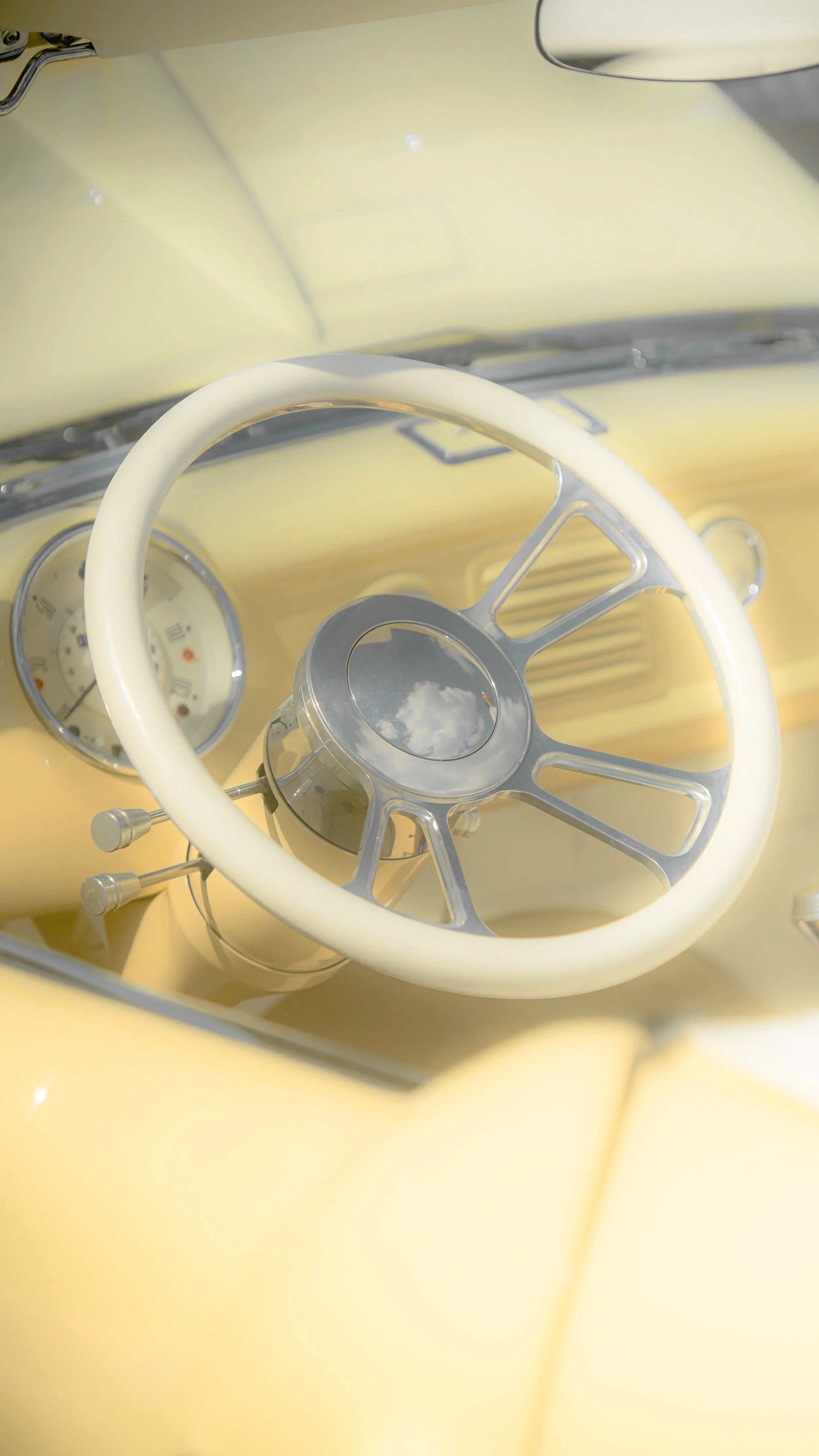
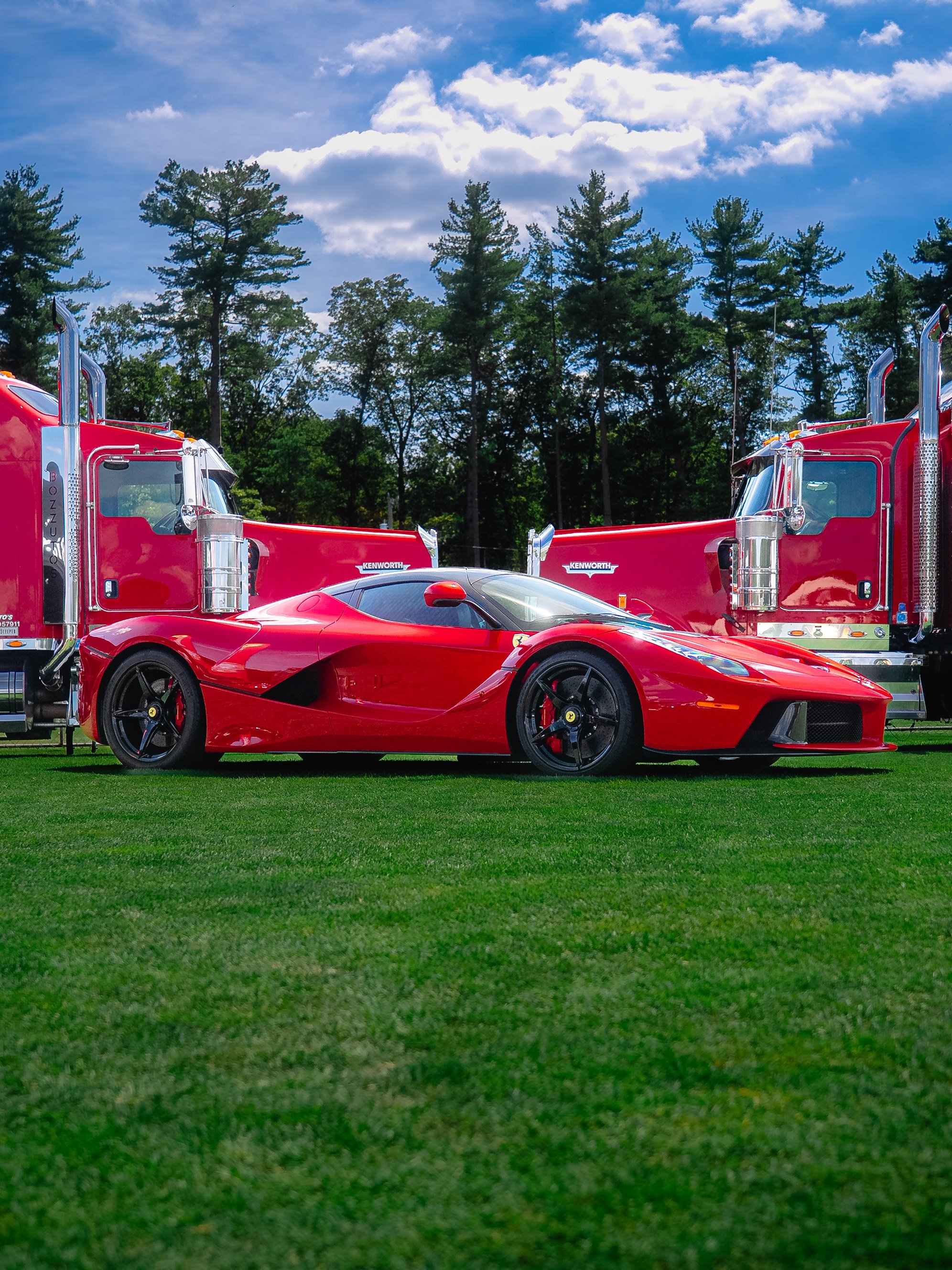
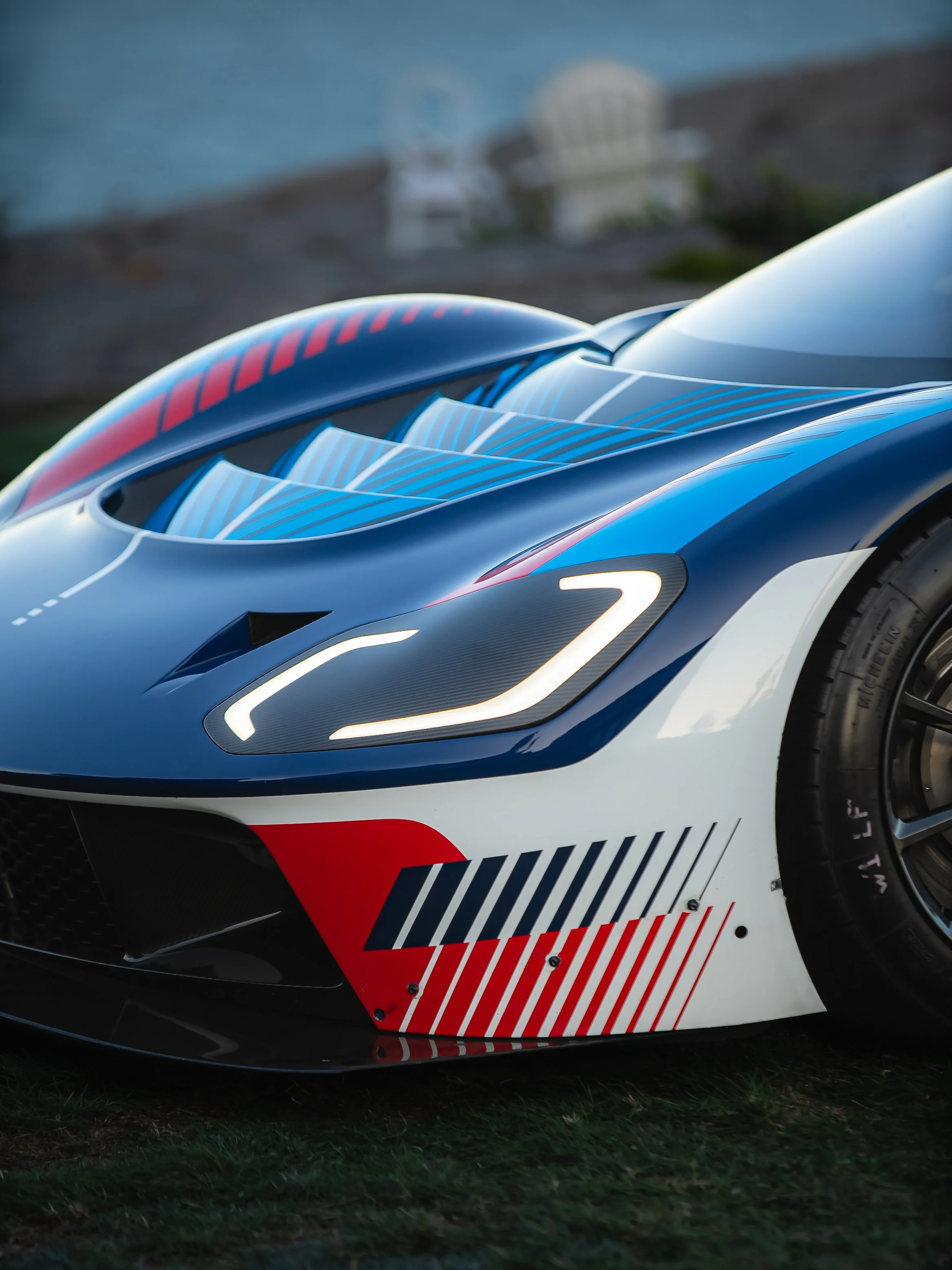
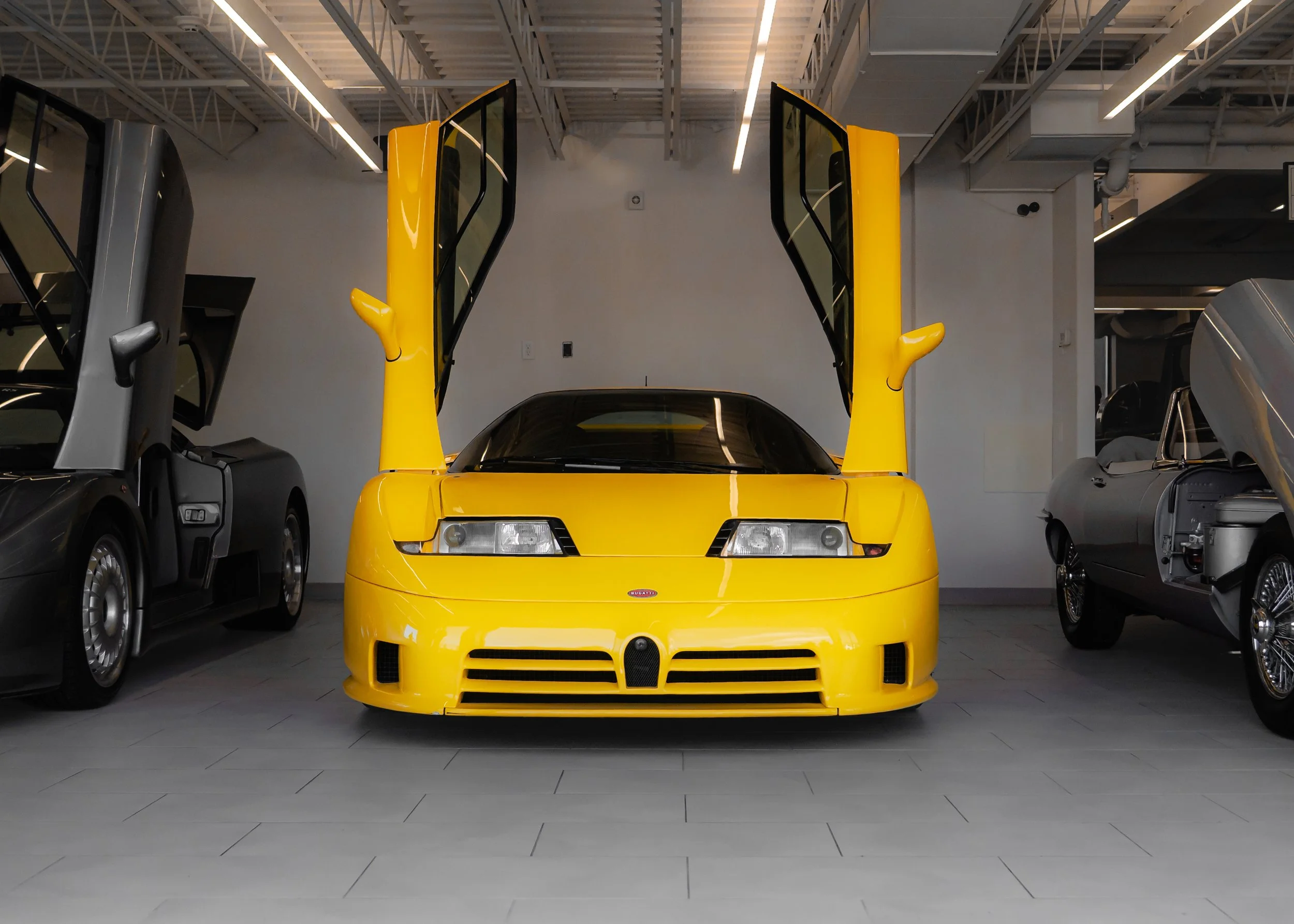
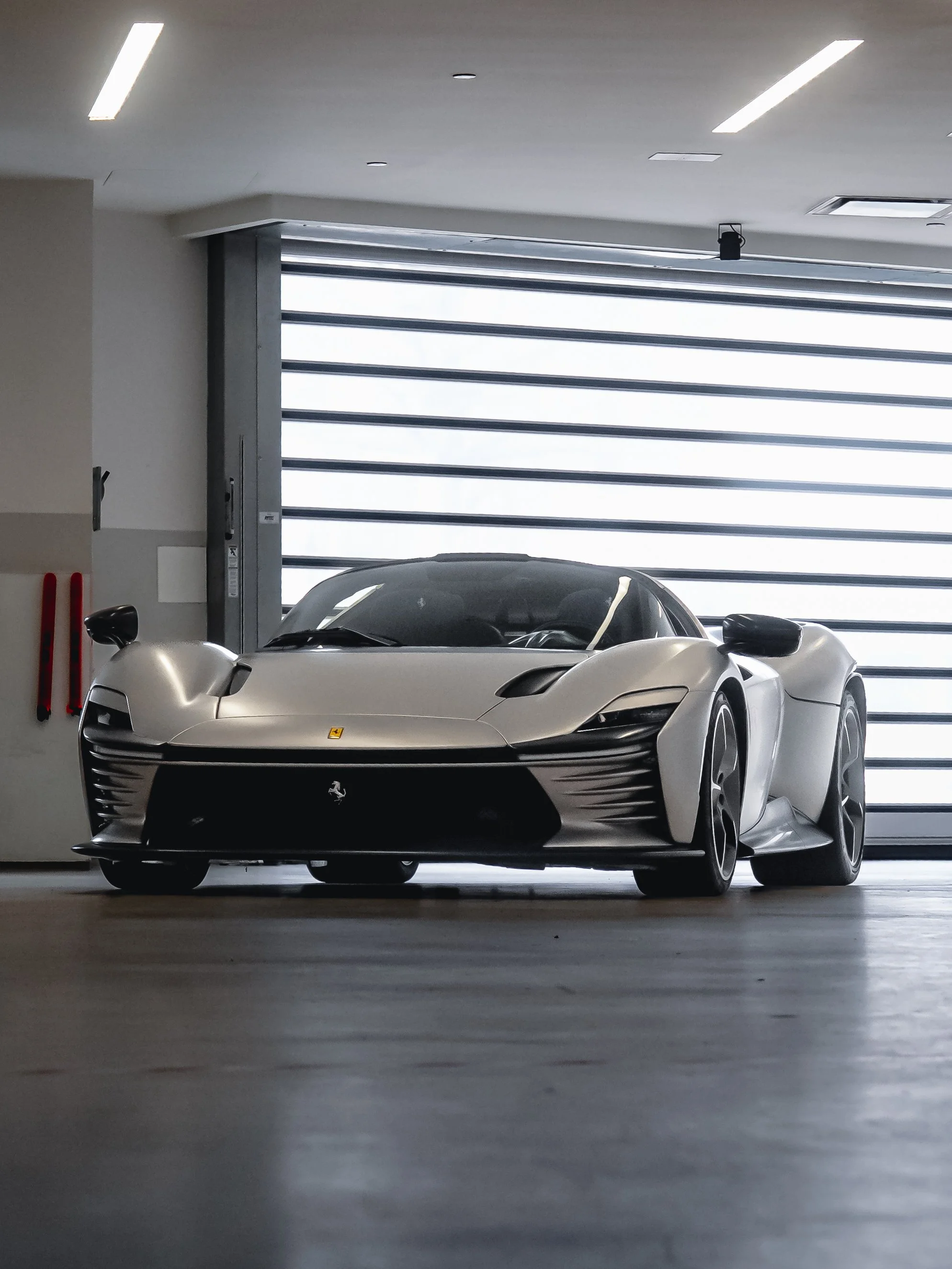
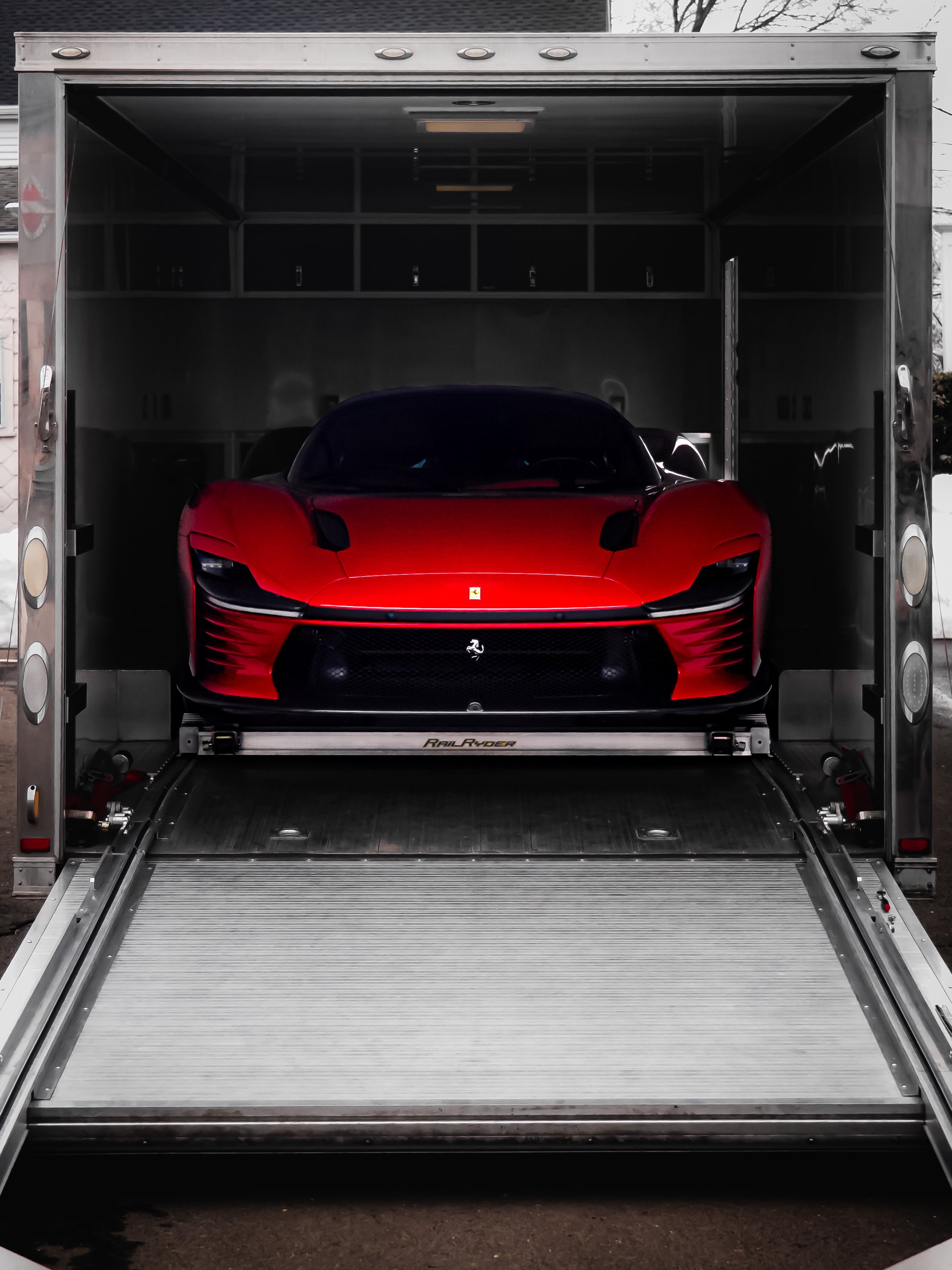
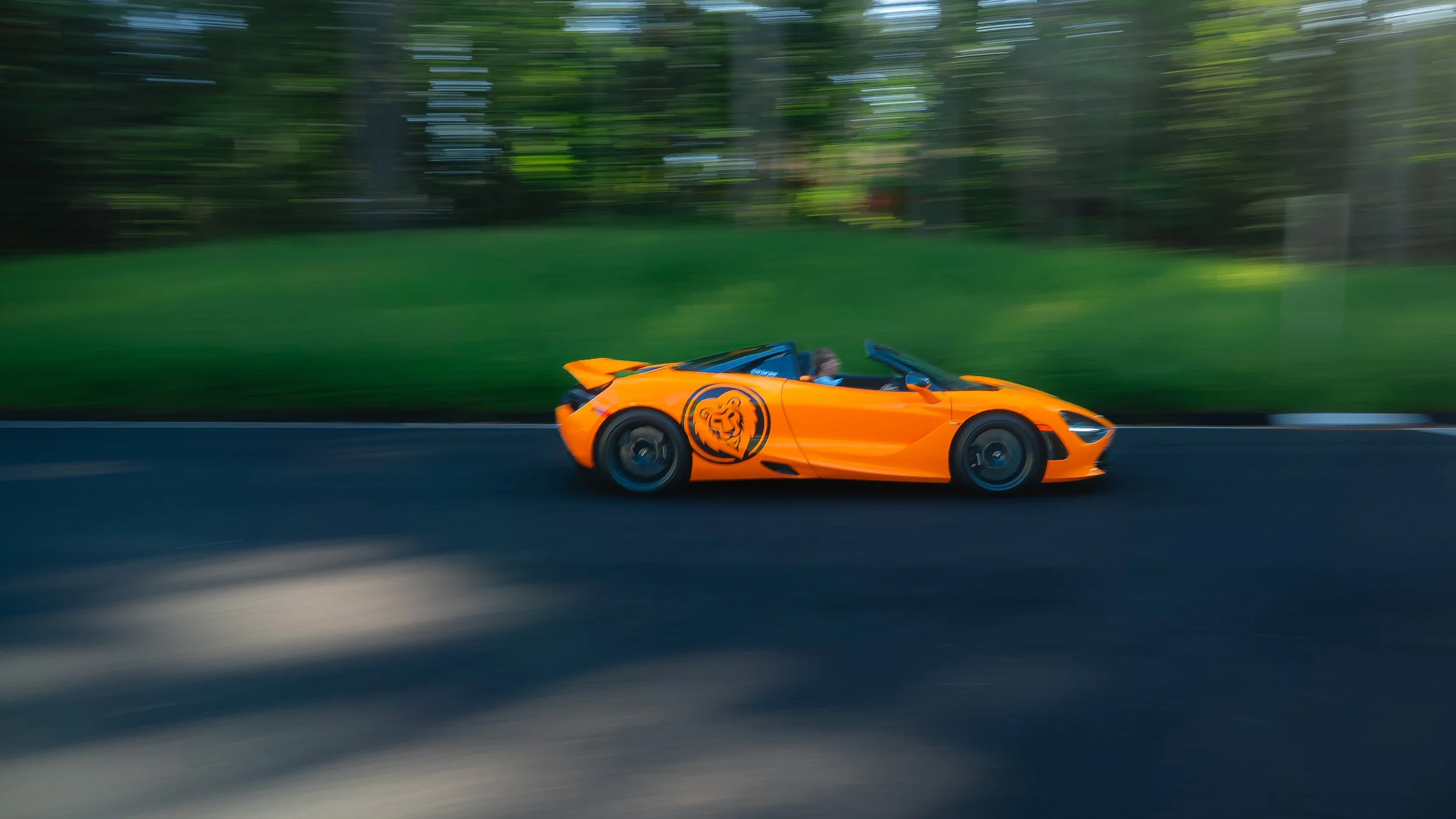
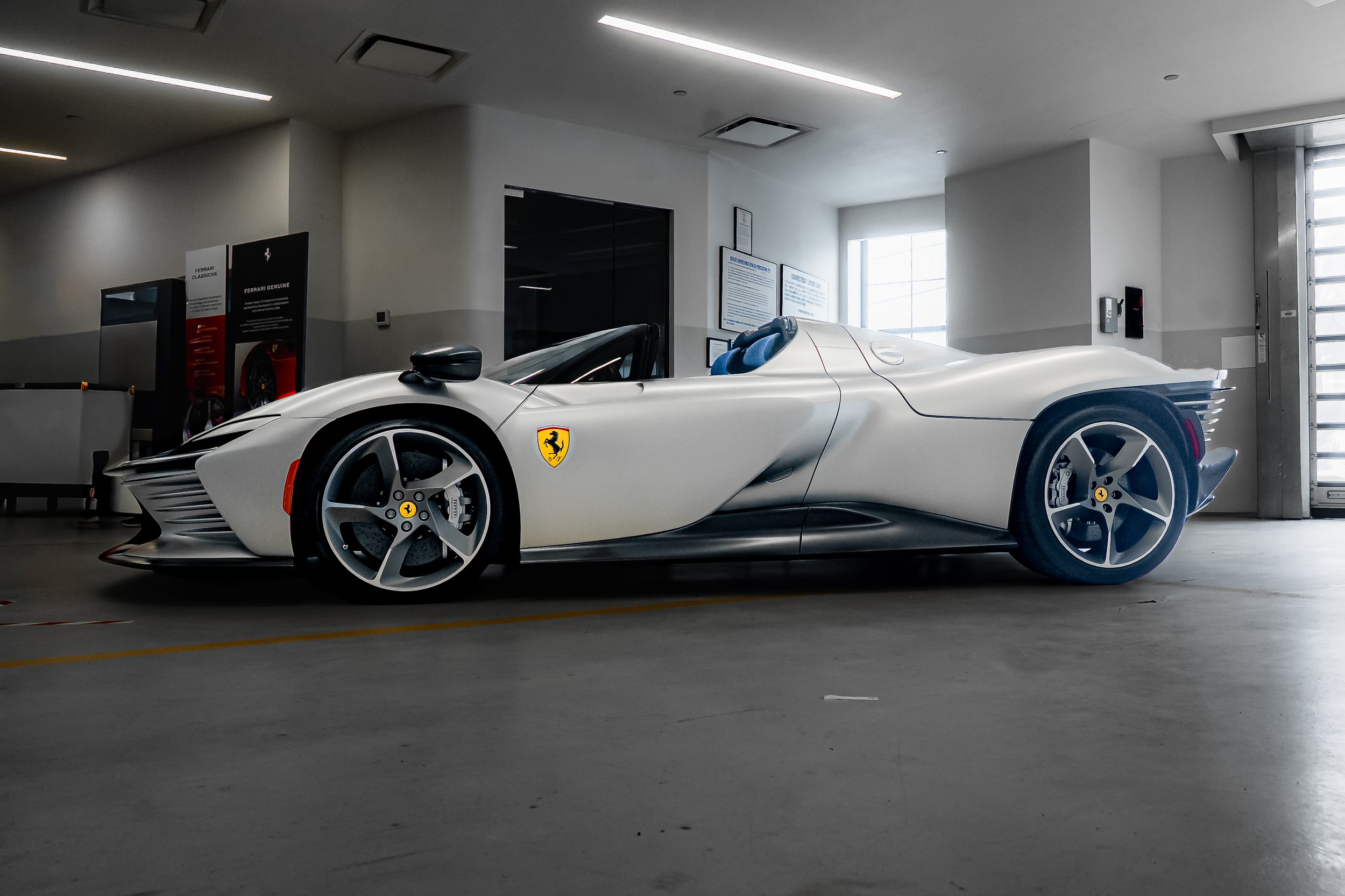
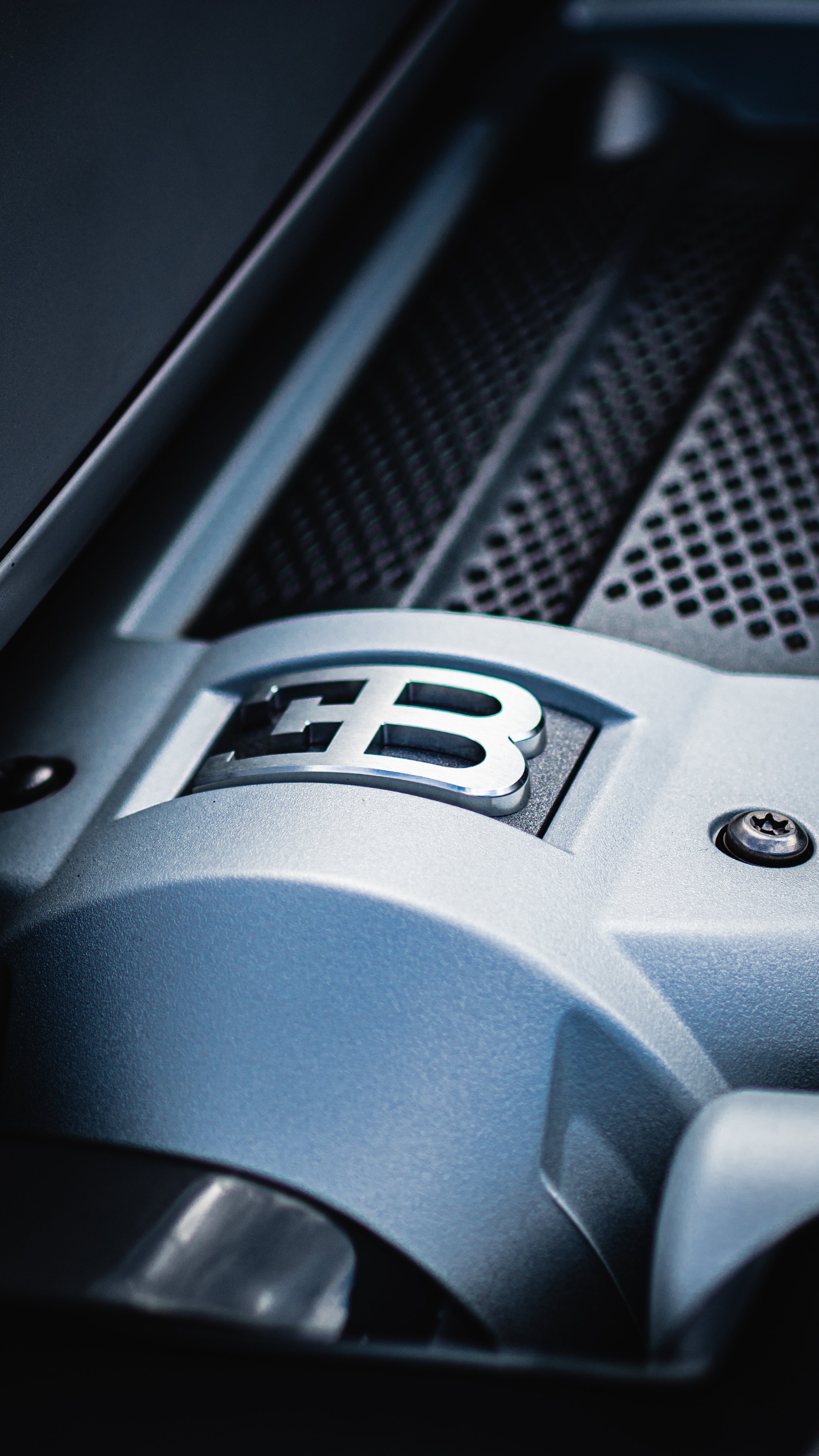
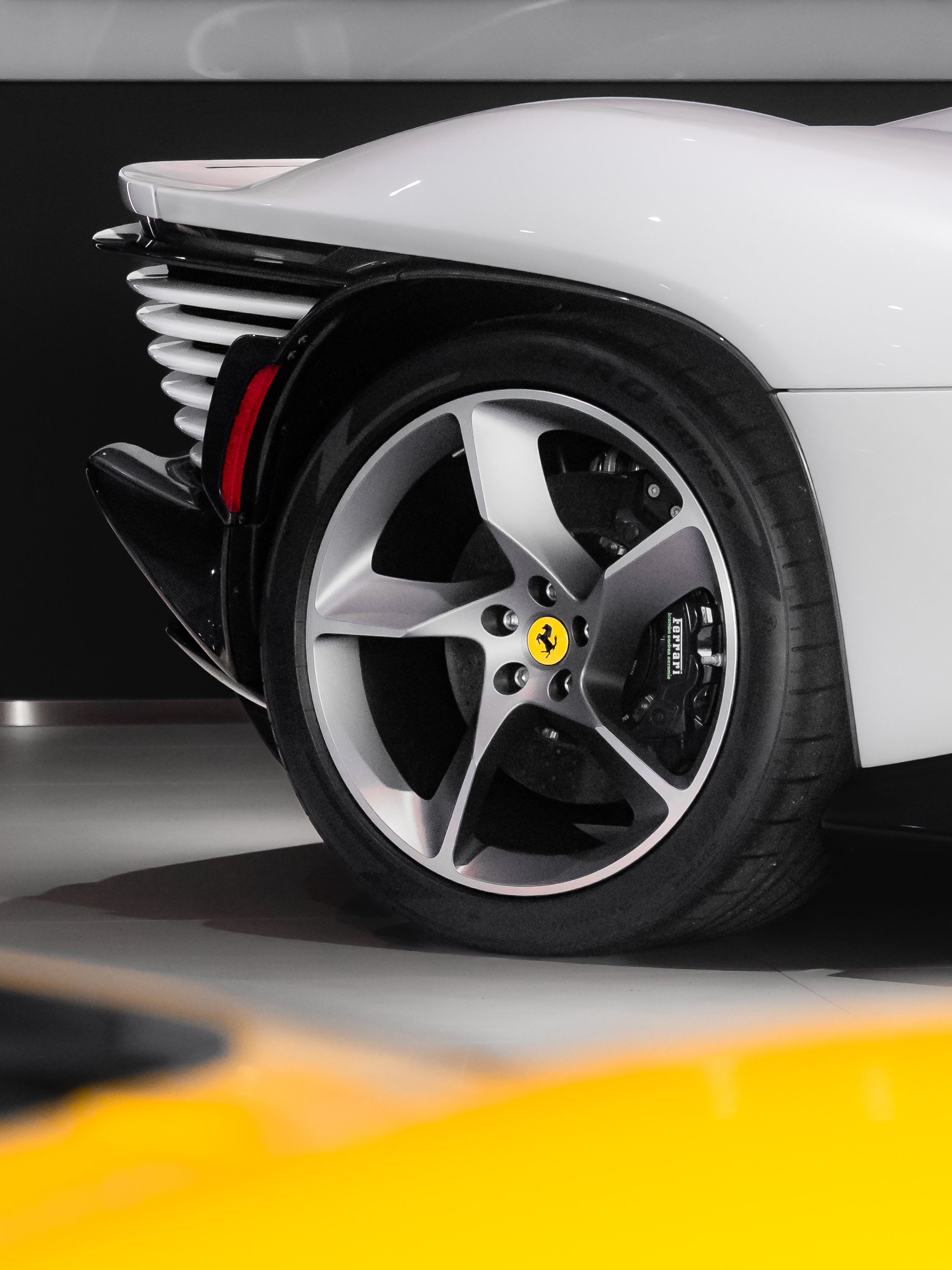
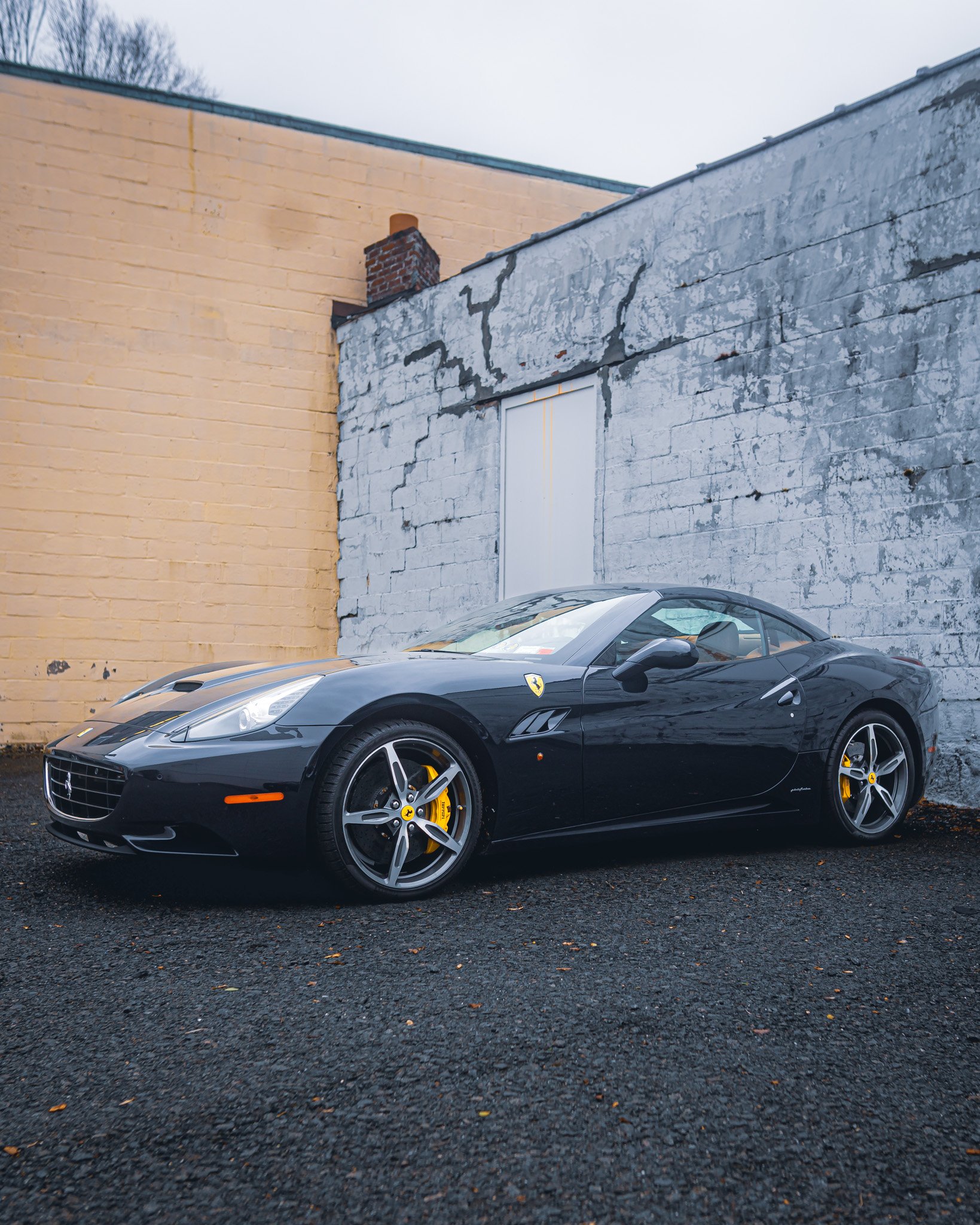
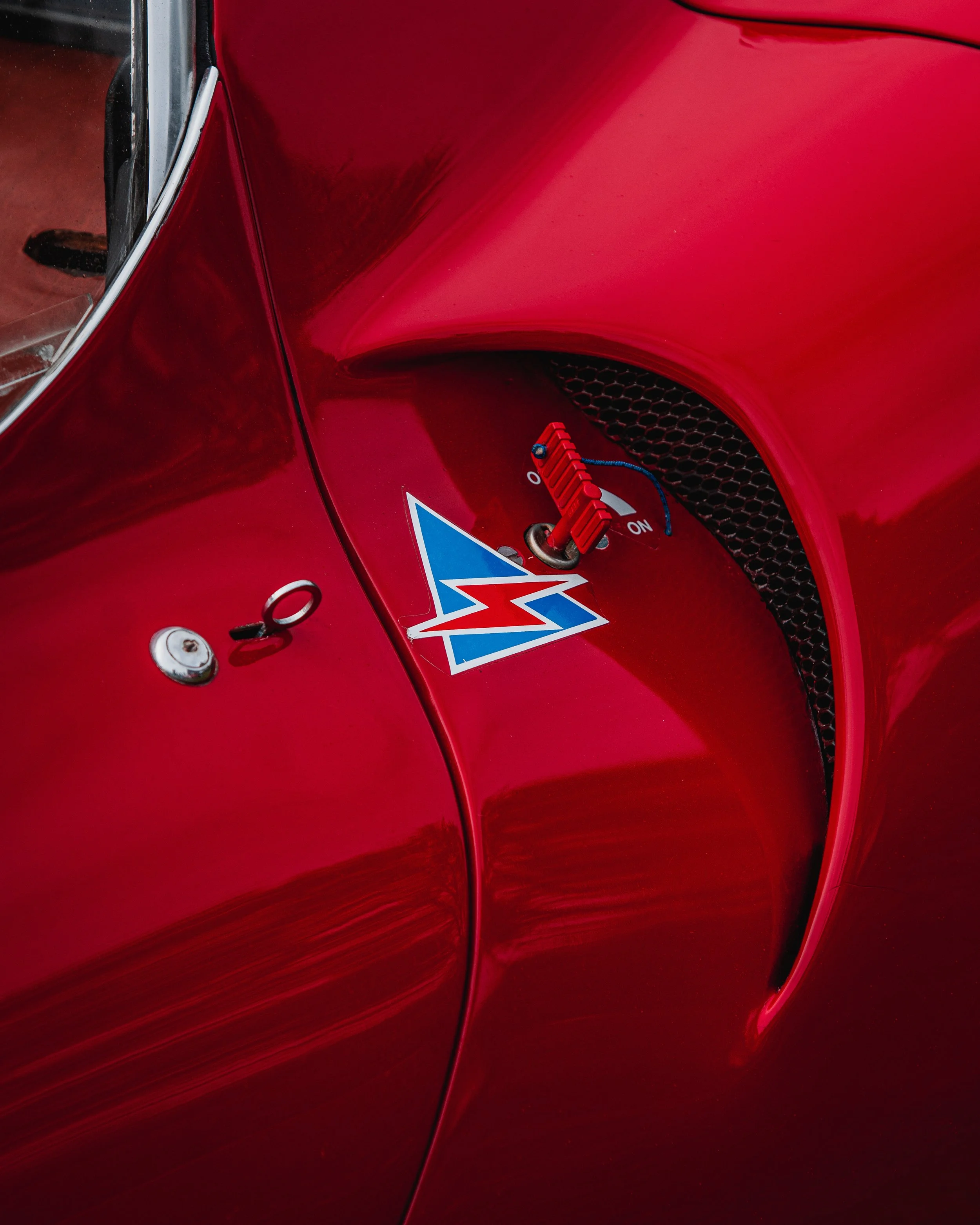
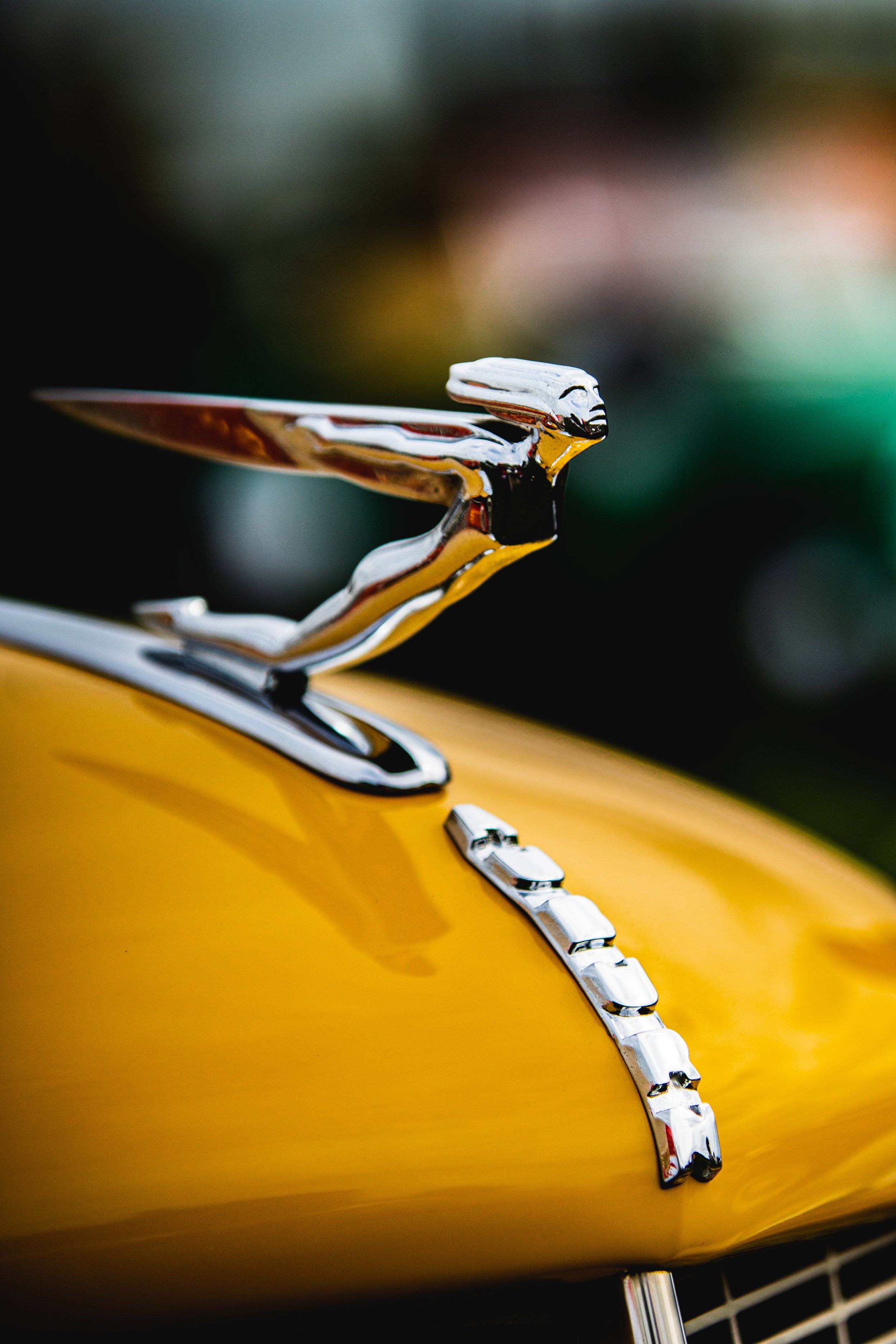
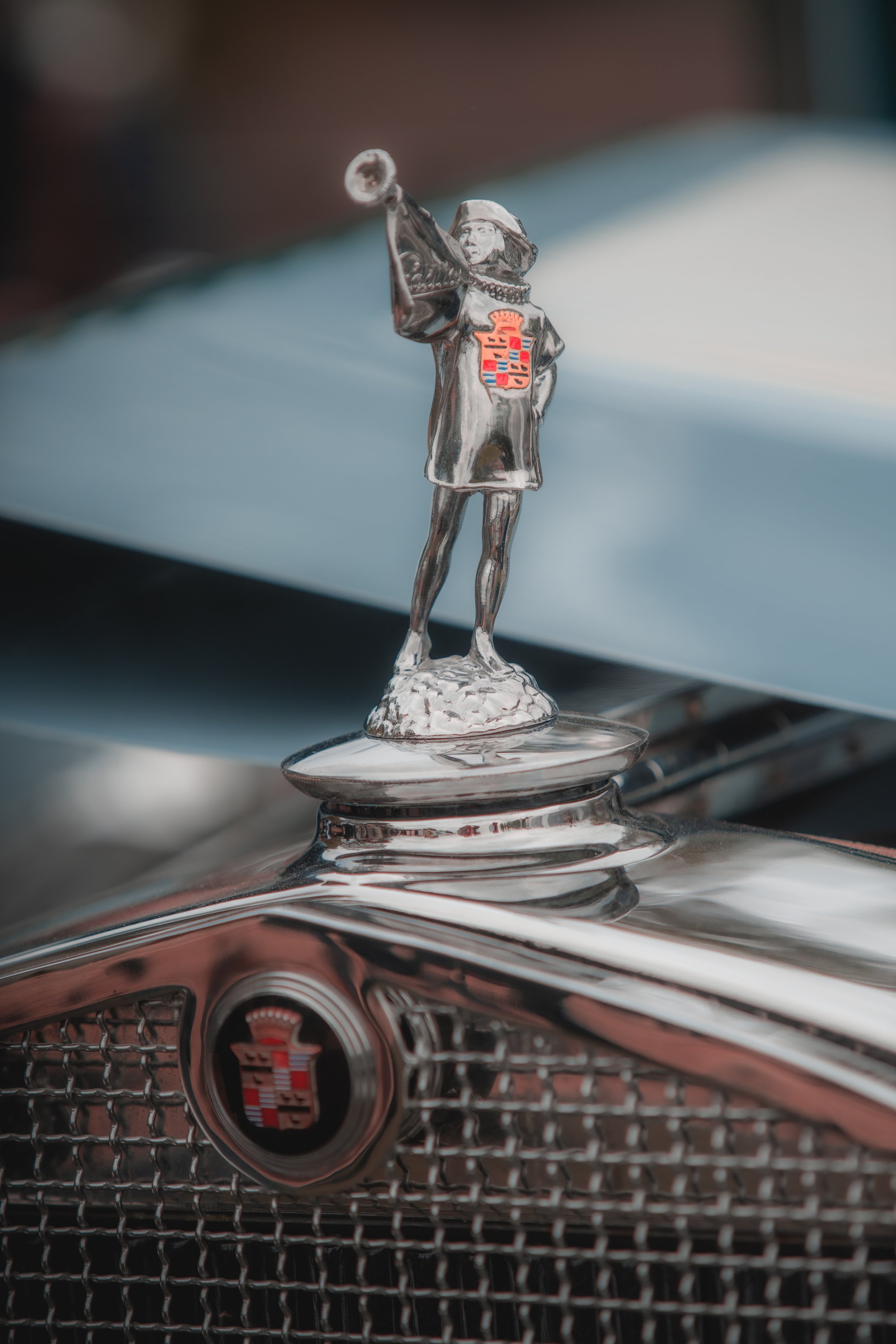
Whether documenting a concours d'elegance, an intimate private garage, or the weathered details of a decades-old sports car, I approach each image as an editorial inquiry. I look for the dialogue between light and metal, architecture and technology, object and owner. I am drawn as much to the spaces automobiles inhabit as to the vehicles themselves, recognizing that thoughtfully designed collections often reveal as much about their caretakers as the automobiles they contain.
This portfolio forms part of an ongoing editorial project exploring the culture of automotive collecting through the people who sustain it. Rather than celebrating automobiles in isolation, these photographs examine the relationships that give them meaning: between craftsmanship and preservation, history and design, collector and collection.
In the end, these photographs ask a simple question: not merely what people drive, but what drives them.