
Wildlife Photography
“Until we have courage to recognize cruelty for what it is—whether its victim is human or animal—we cannot expect things to be much better in the world.”
– Rachel Carson (1953)
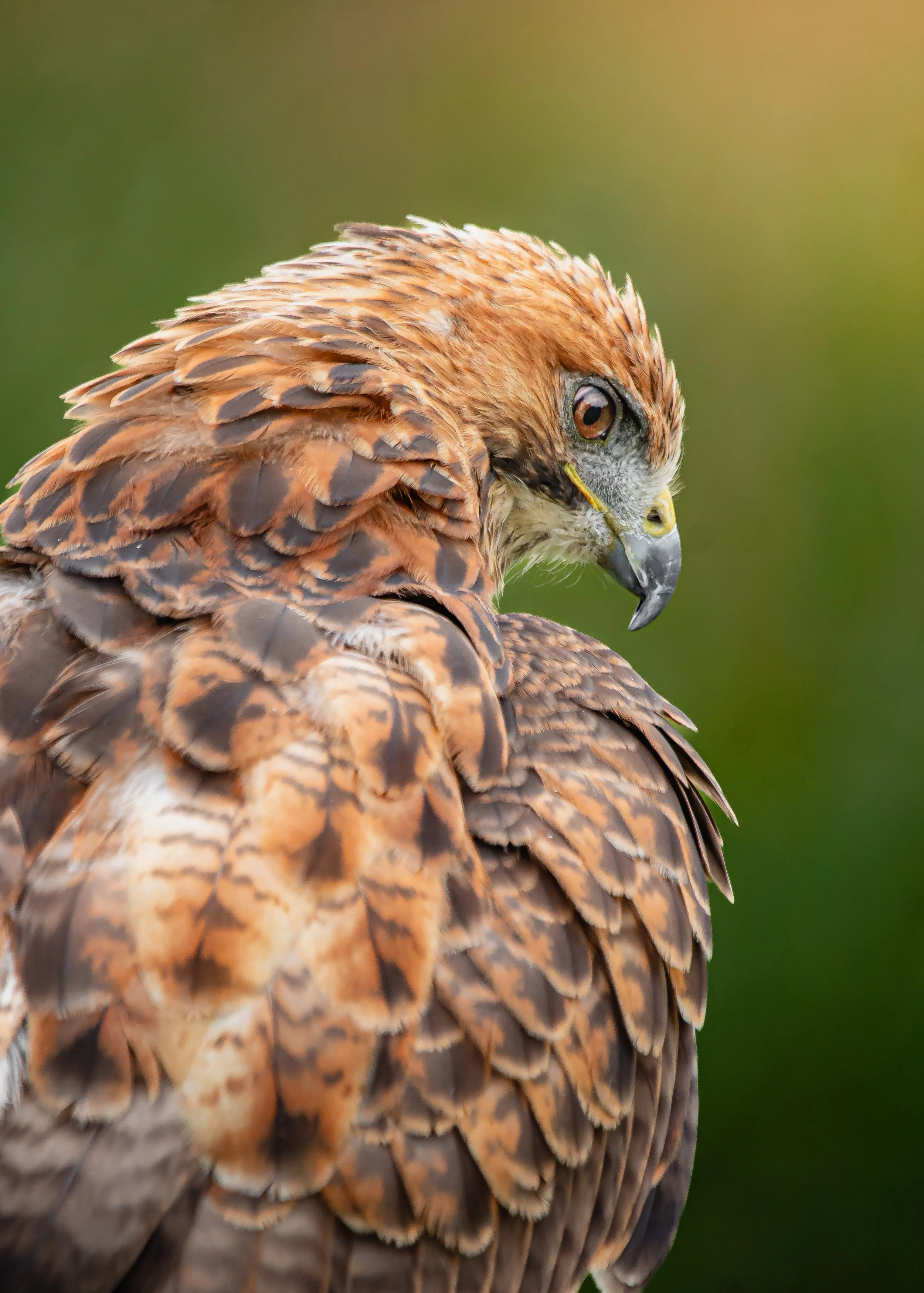
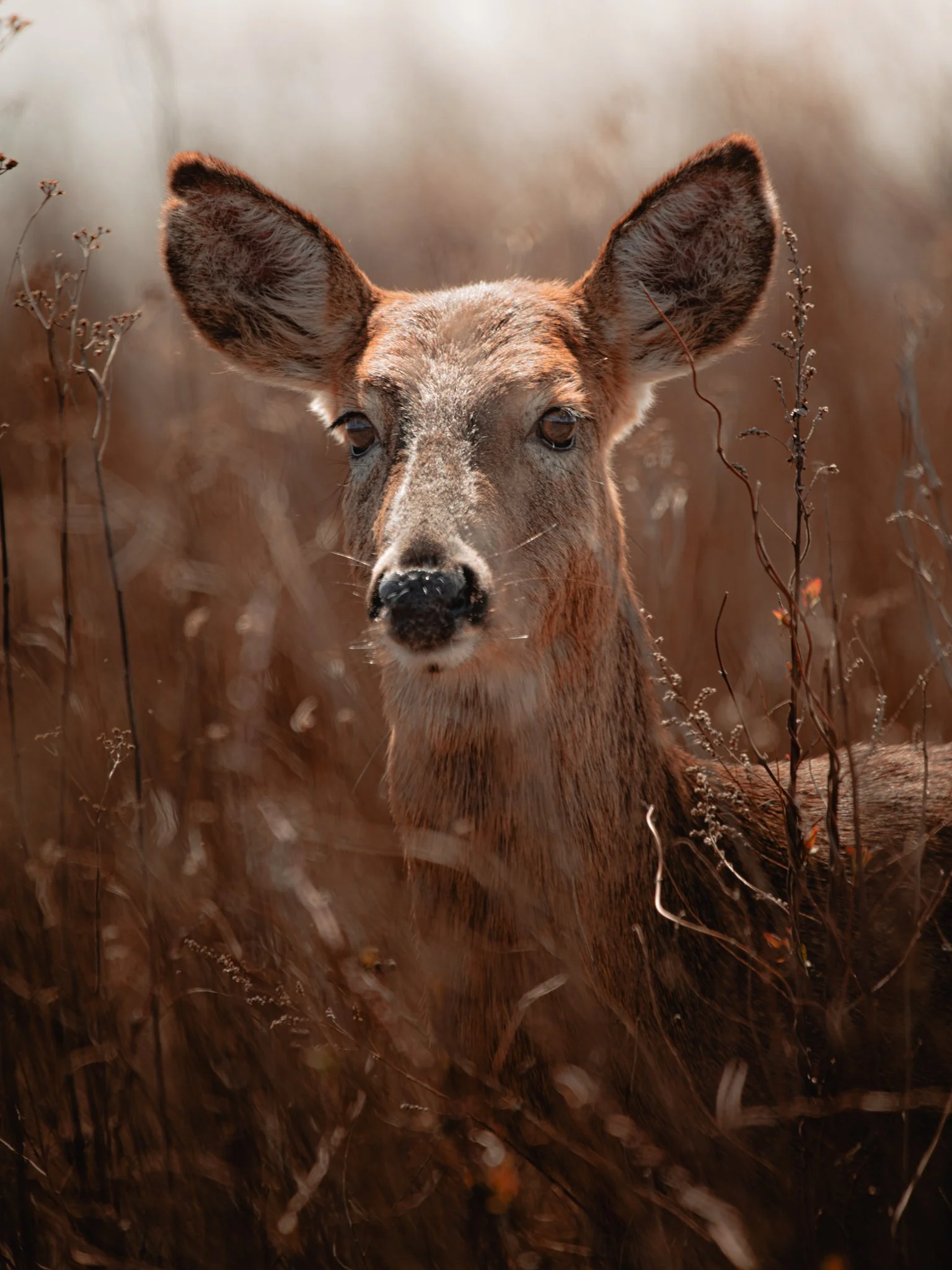
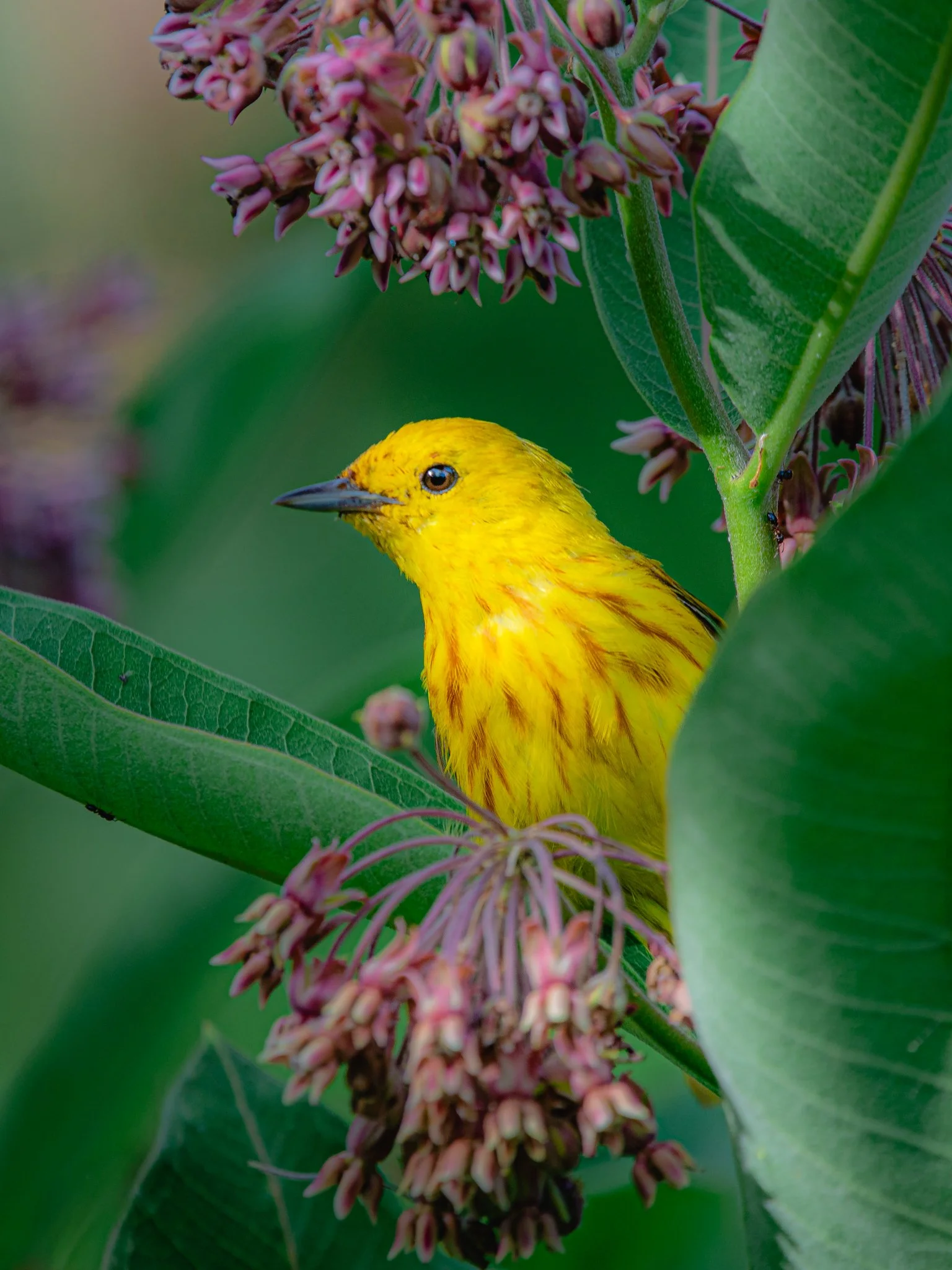
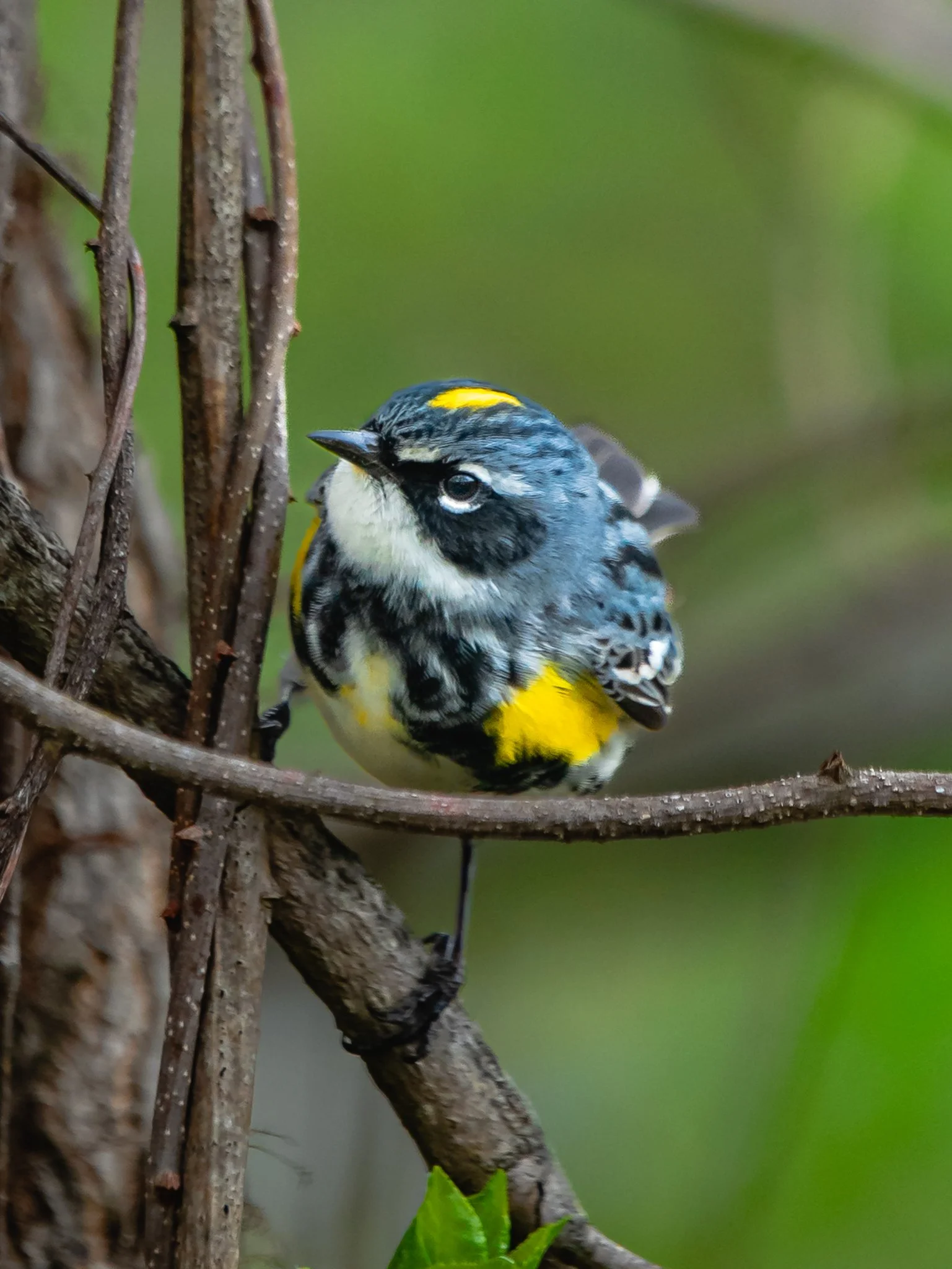
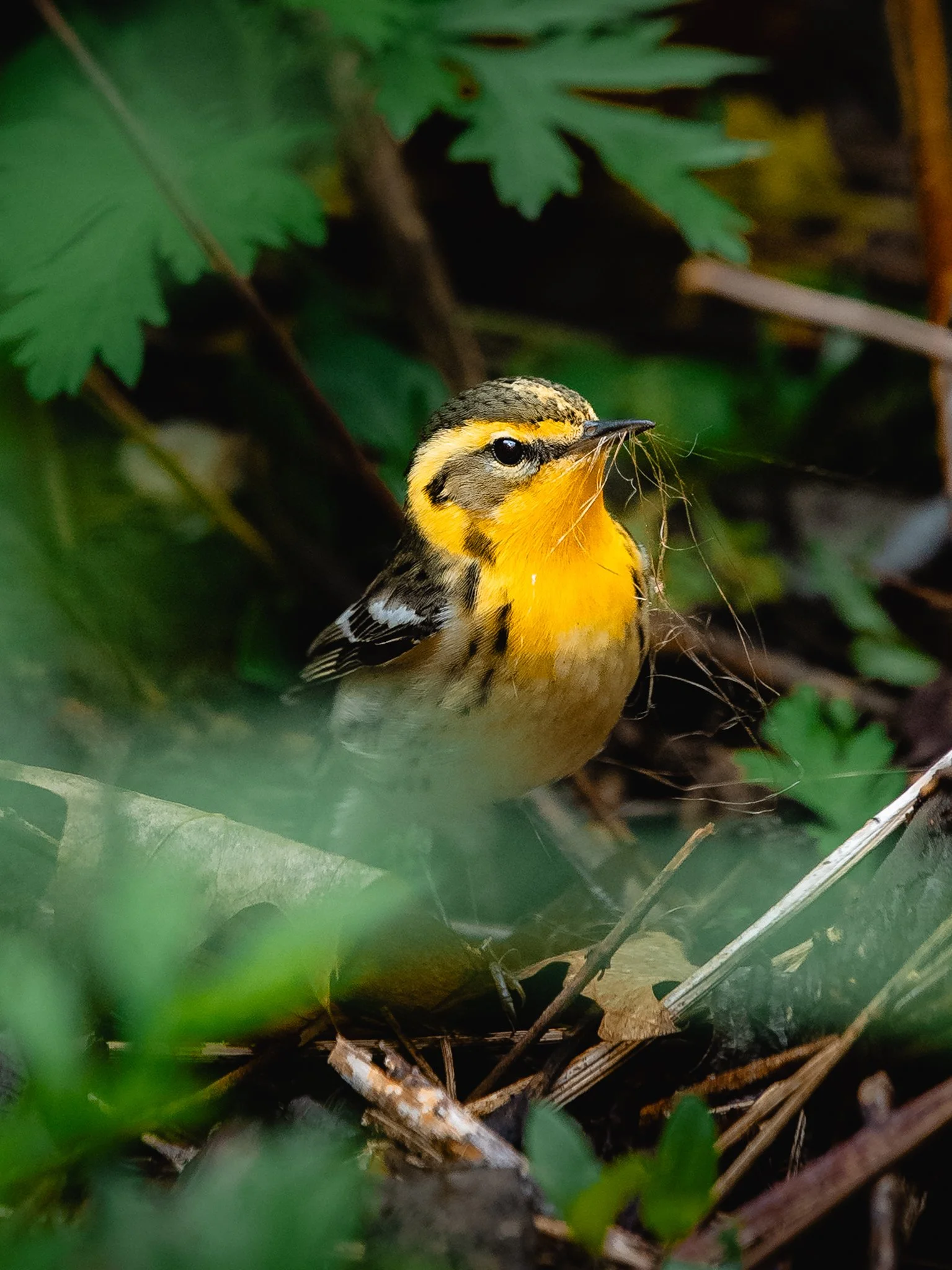
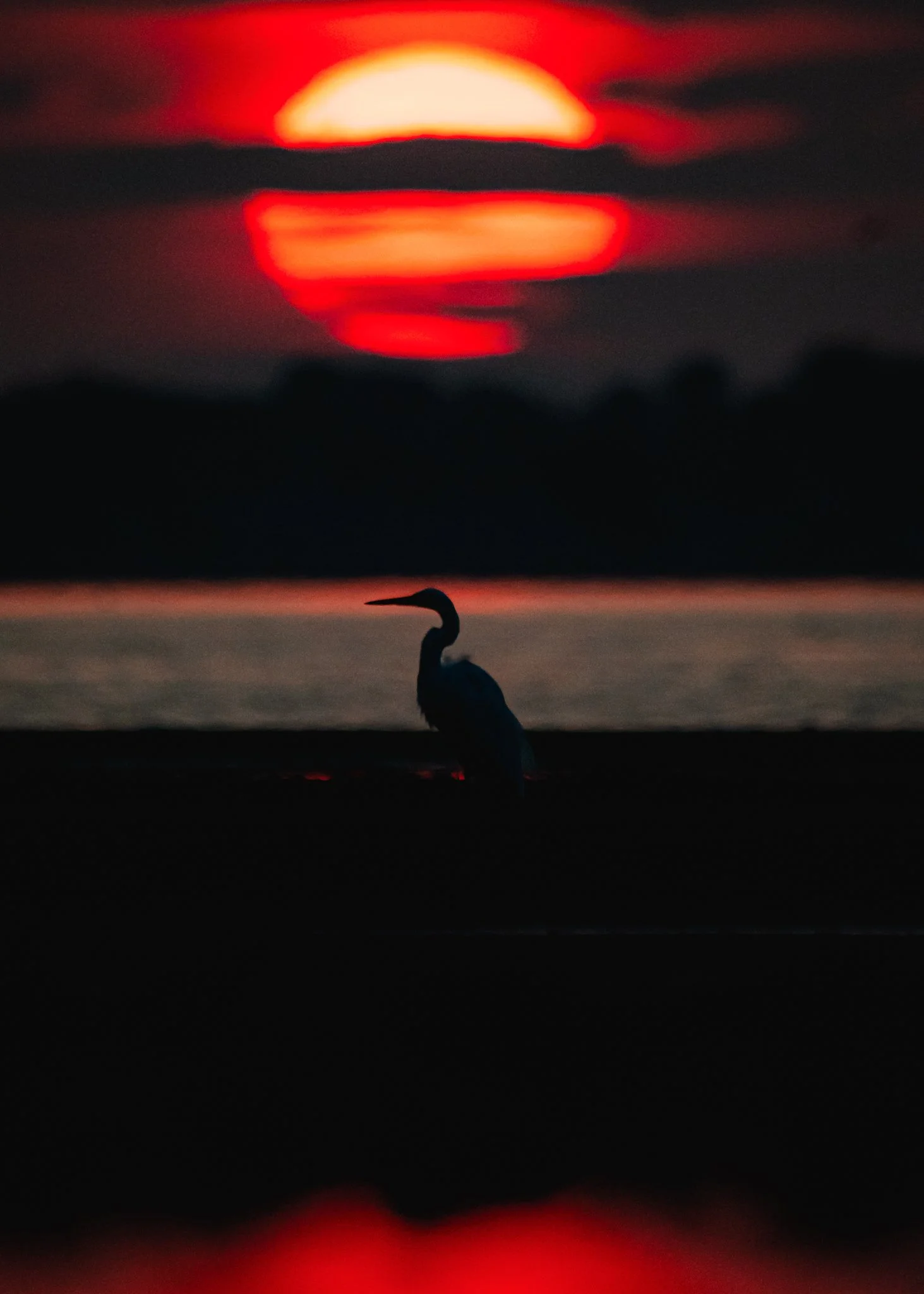
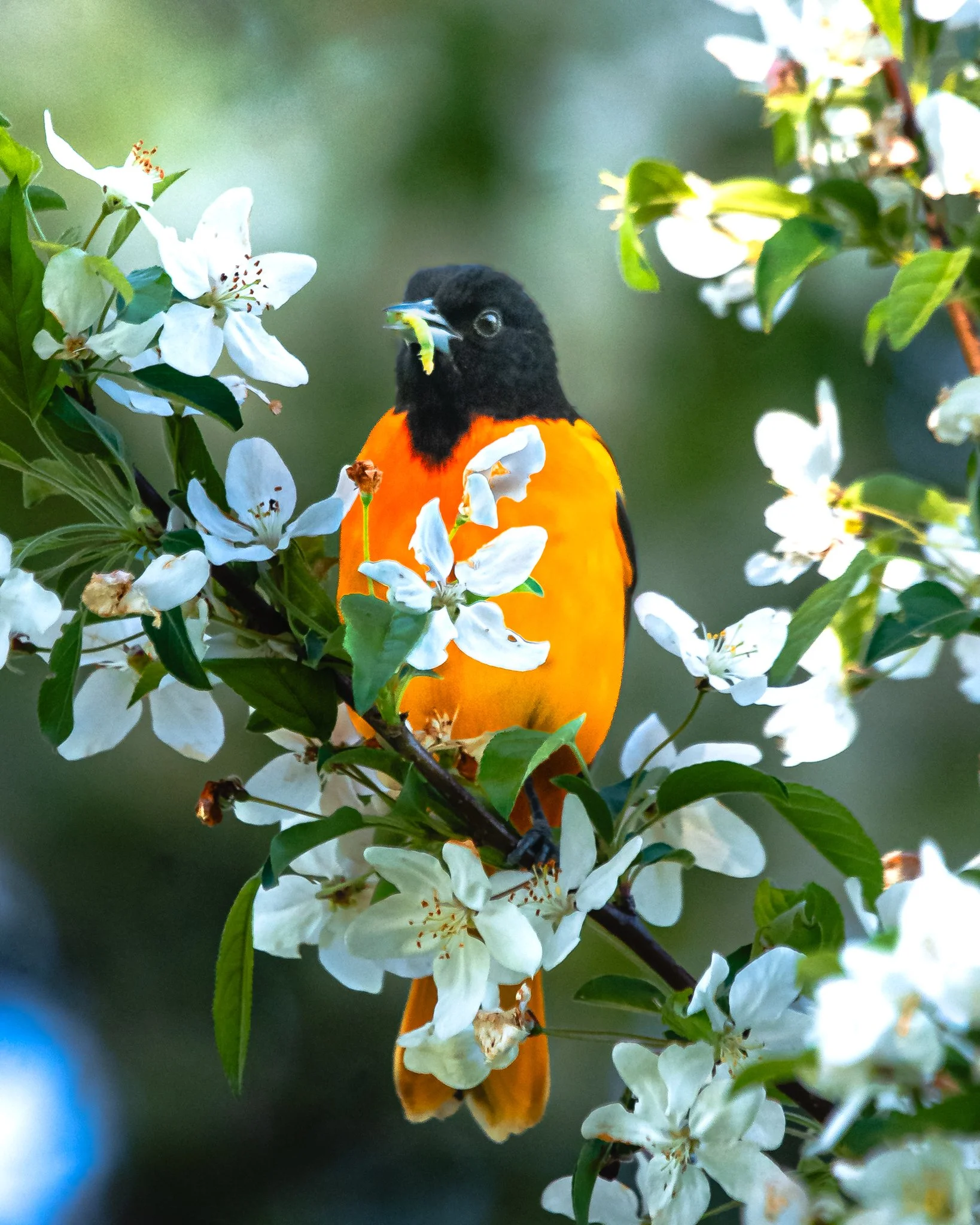
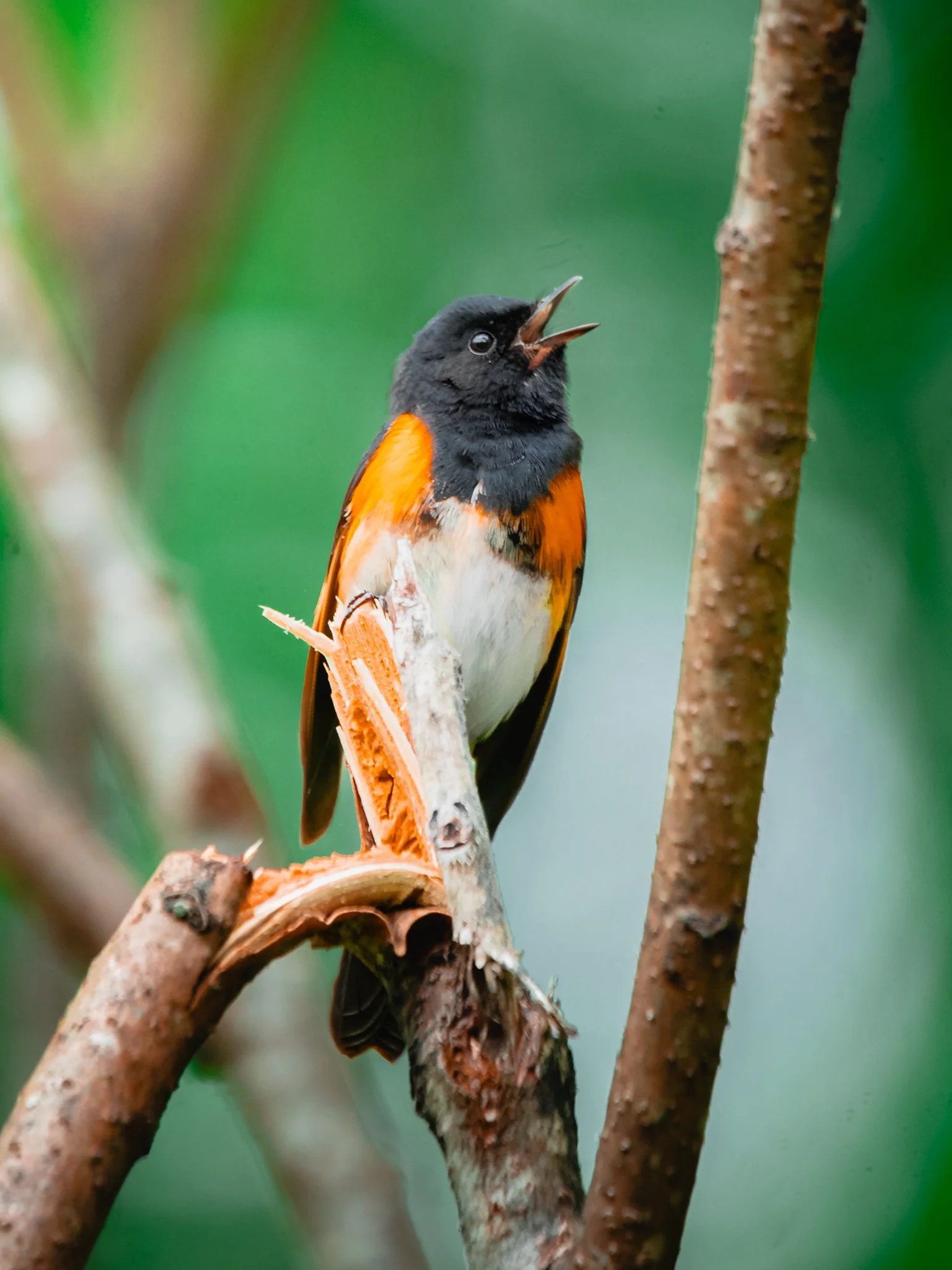
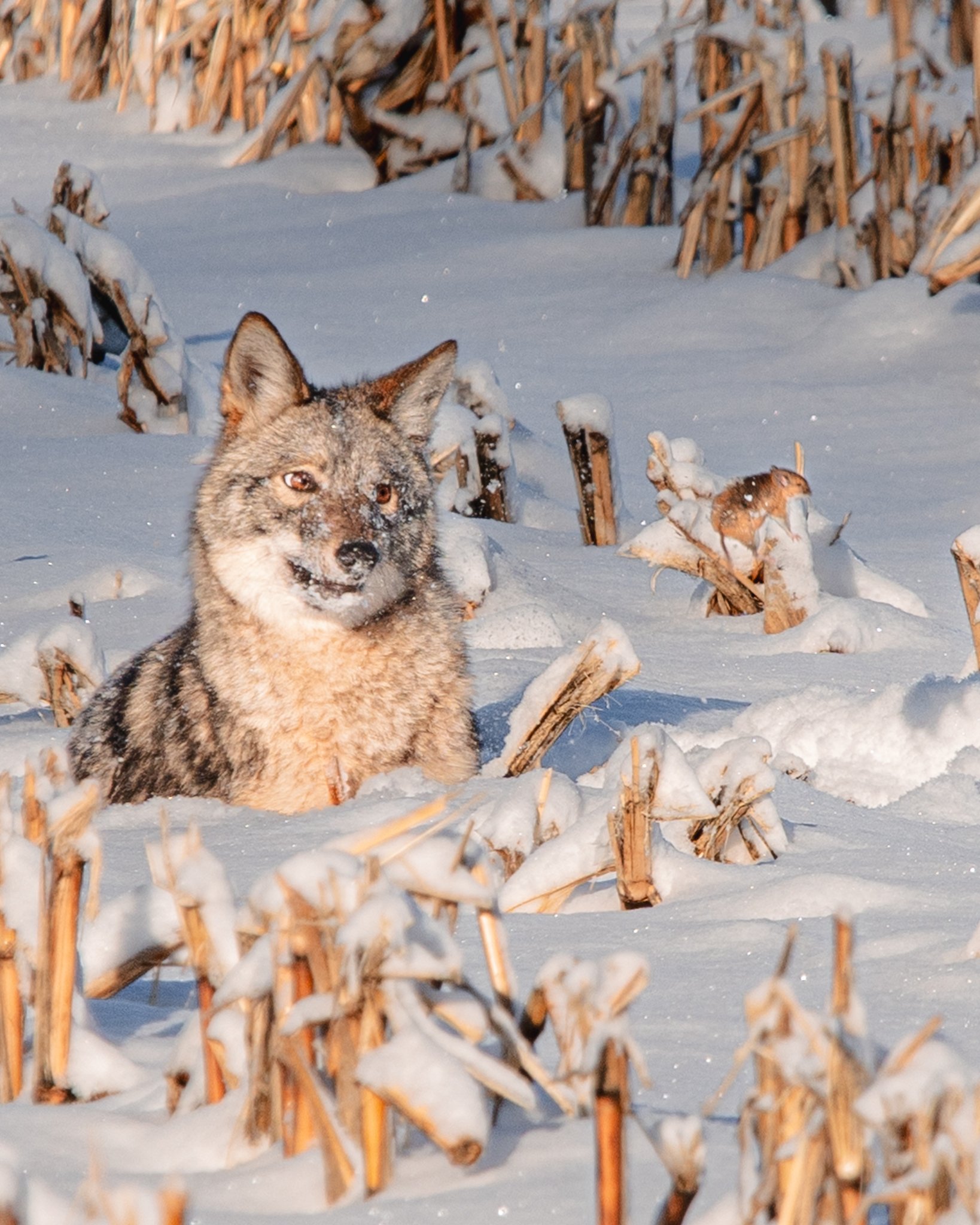
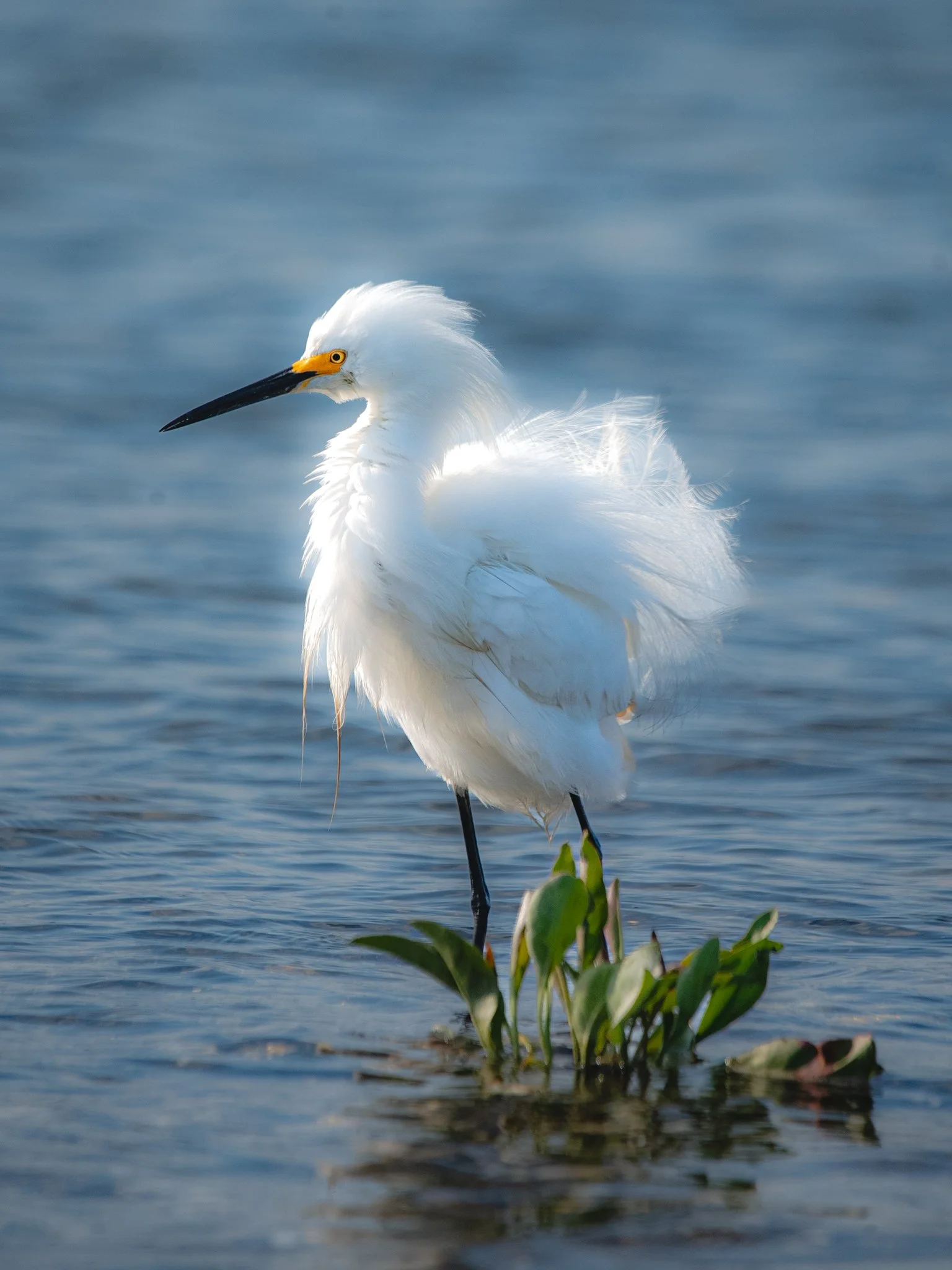
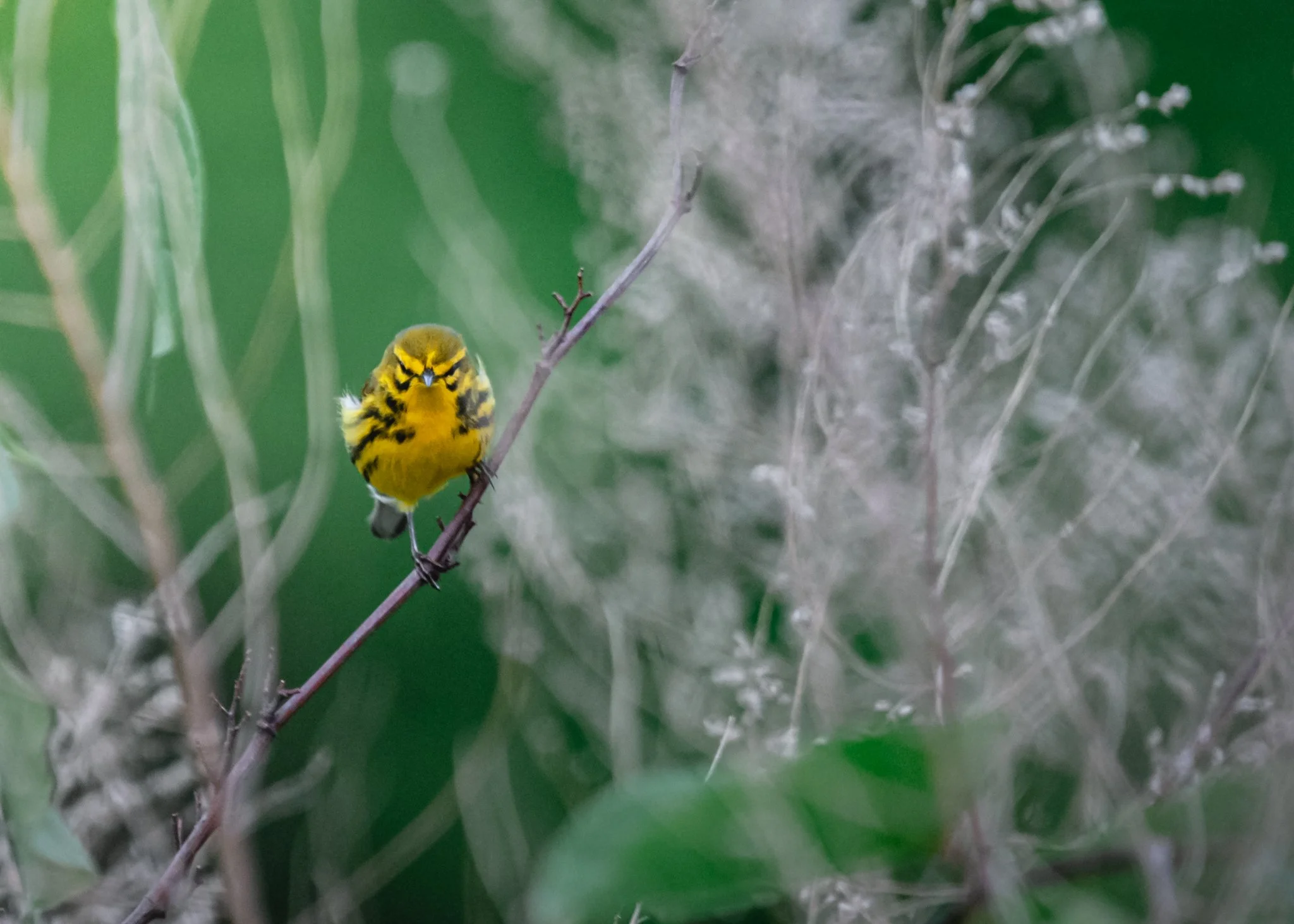
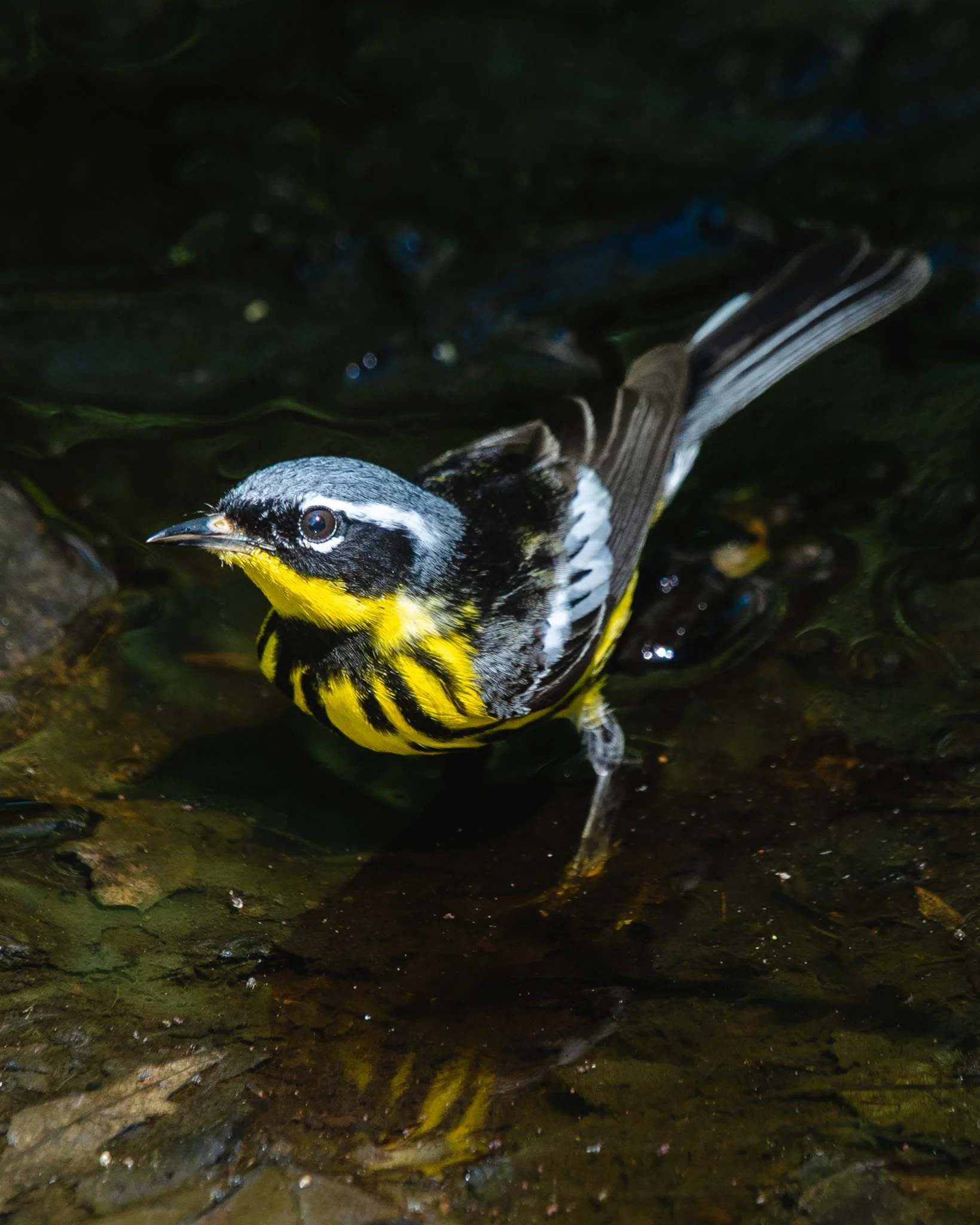
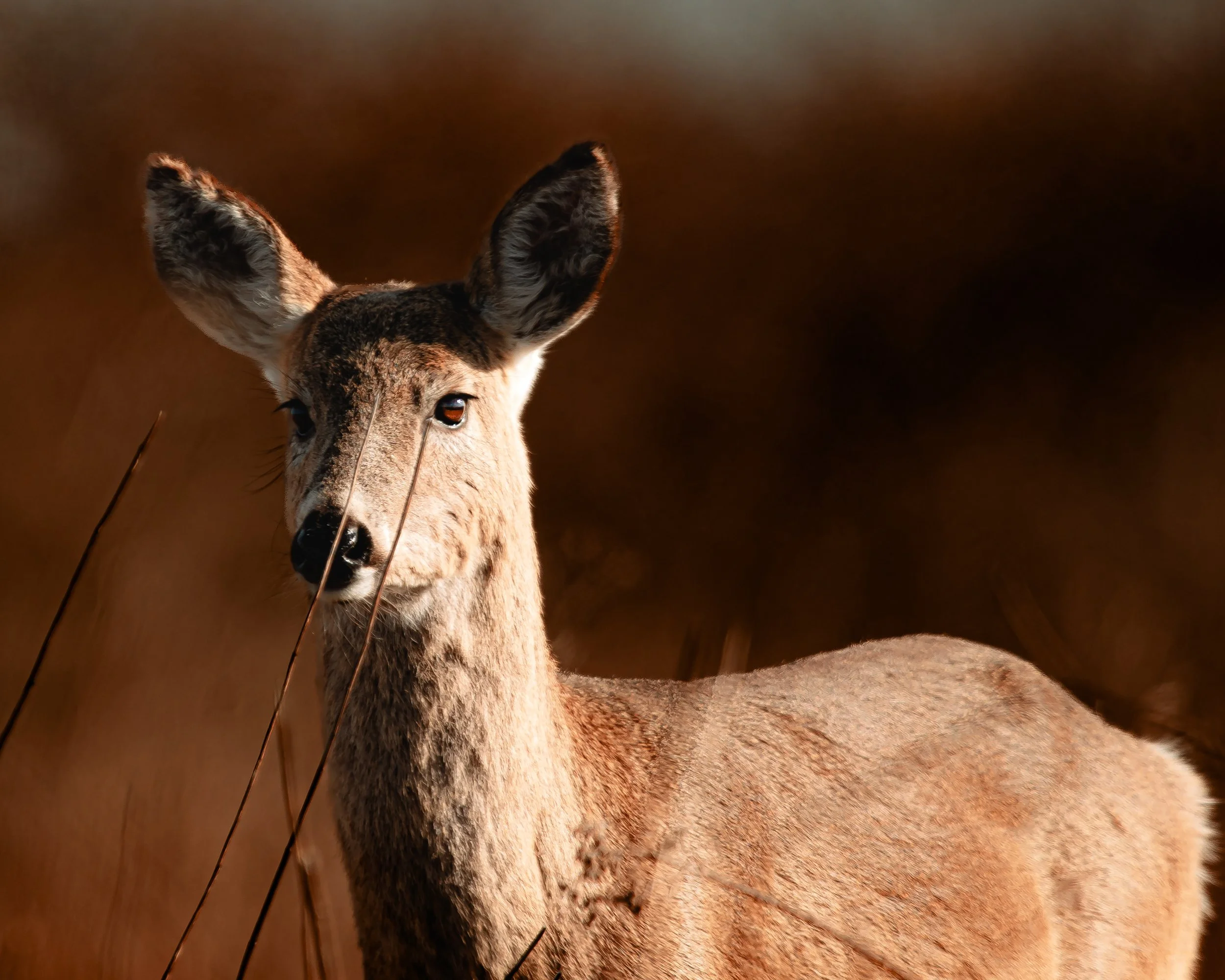
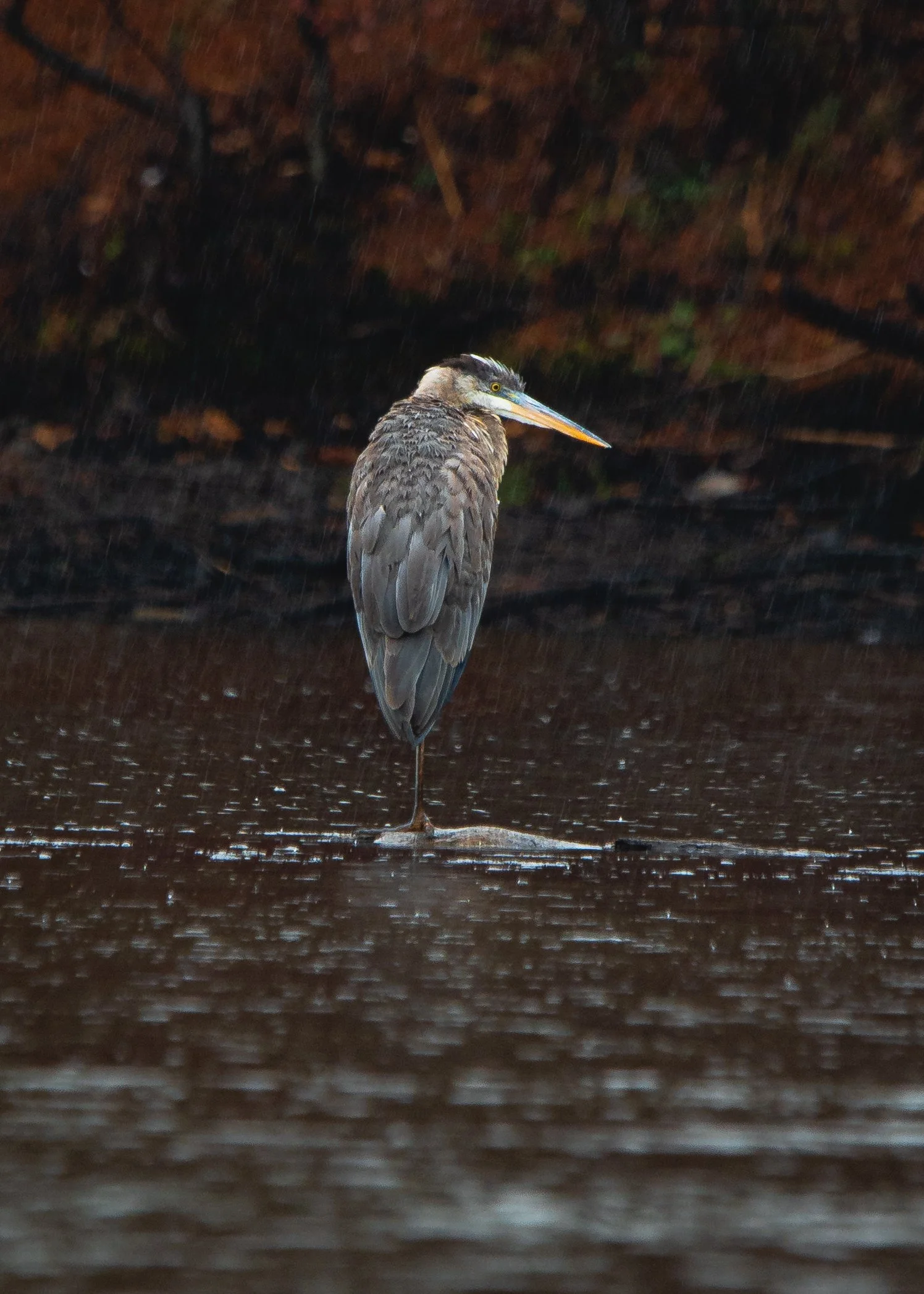
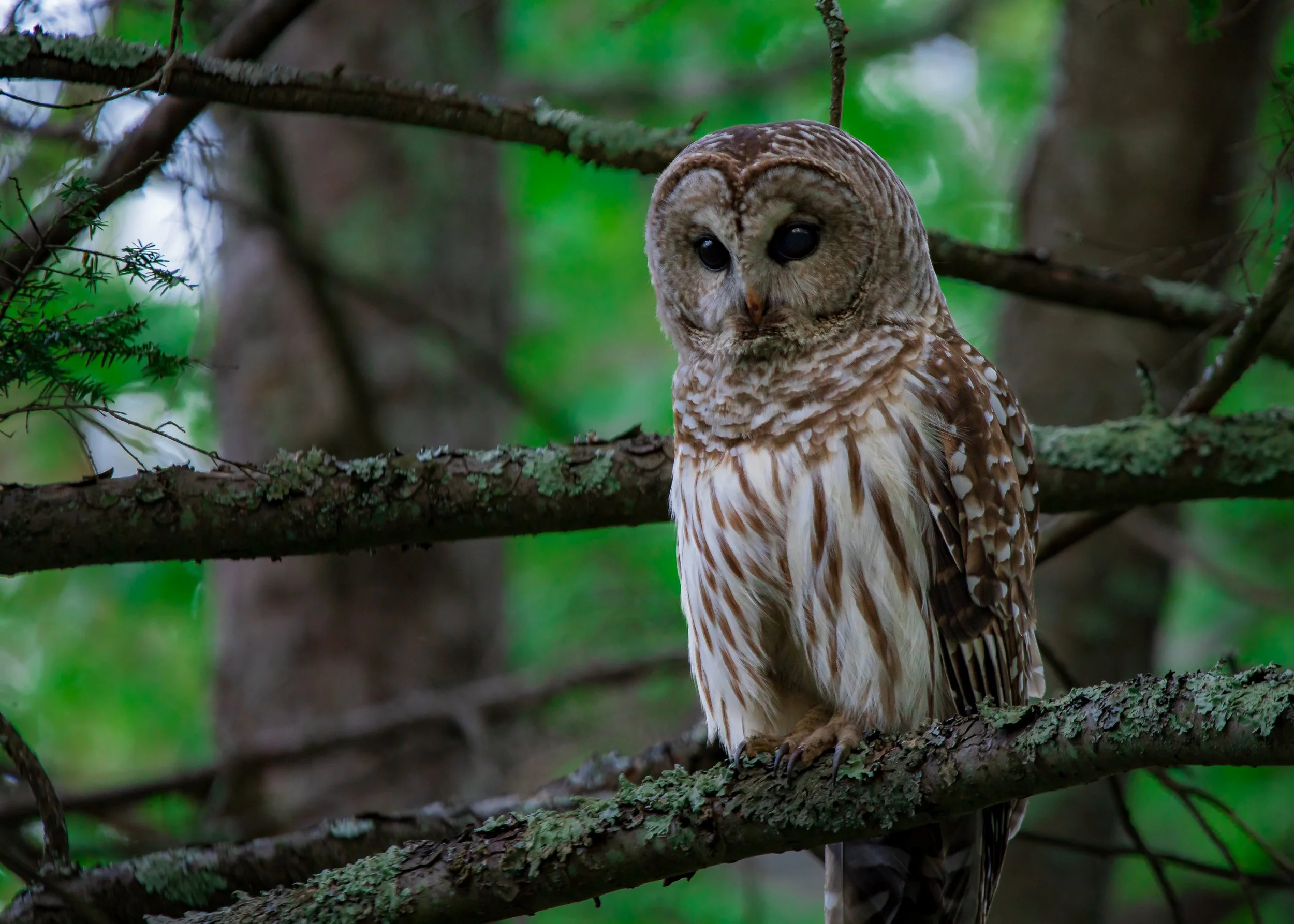
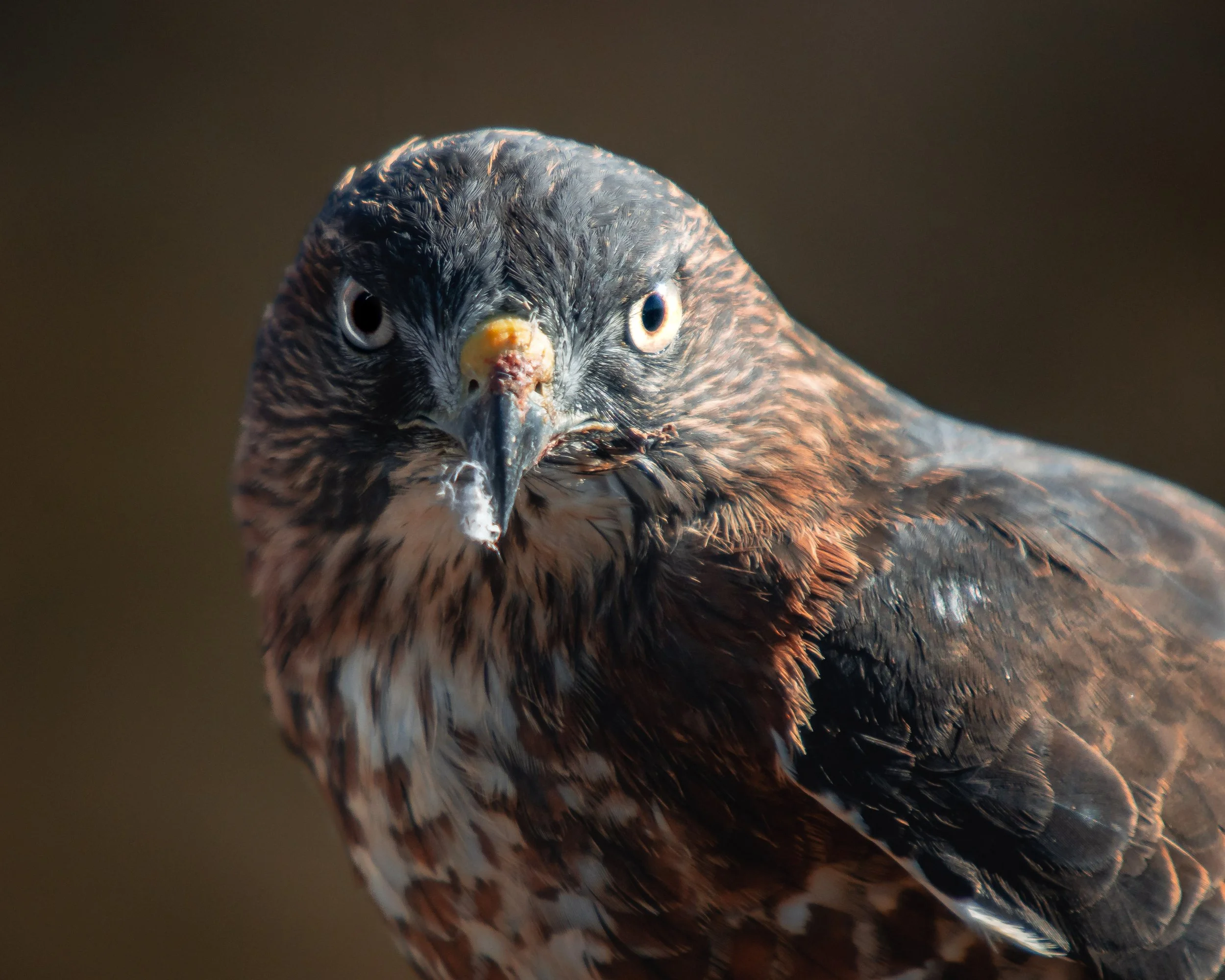
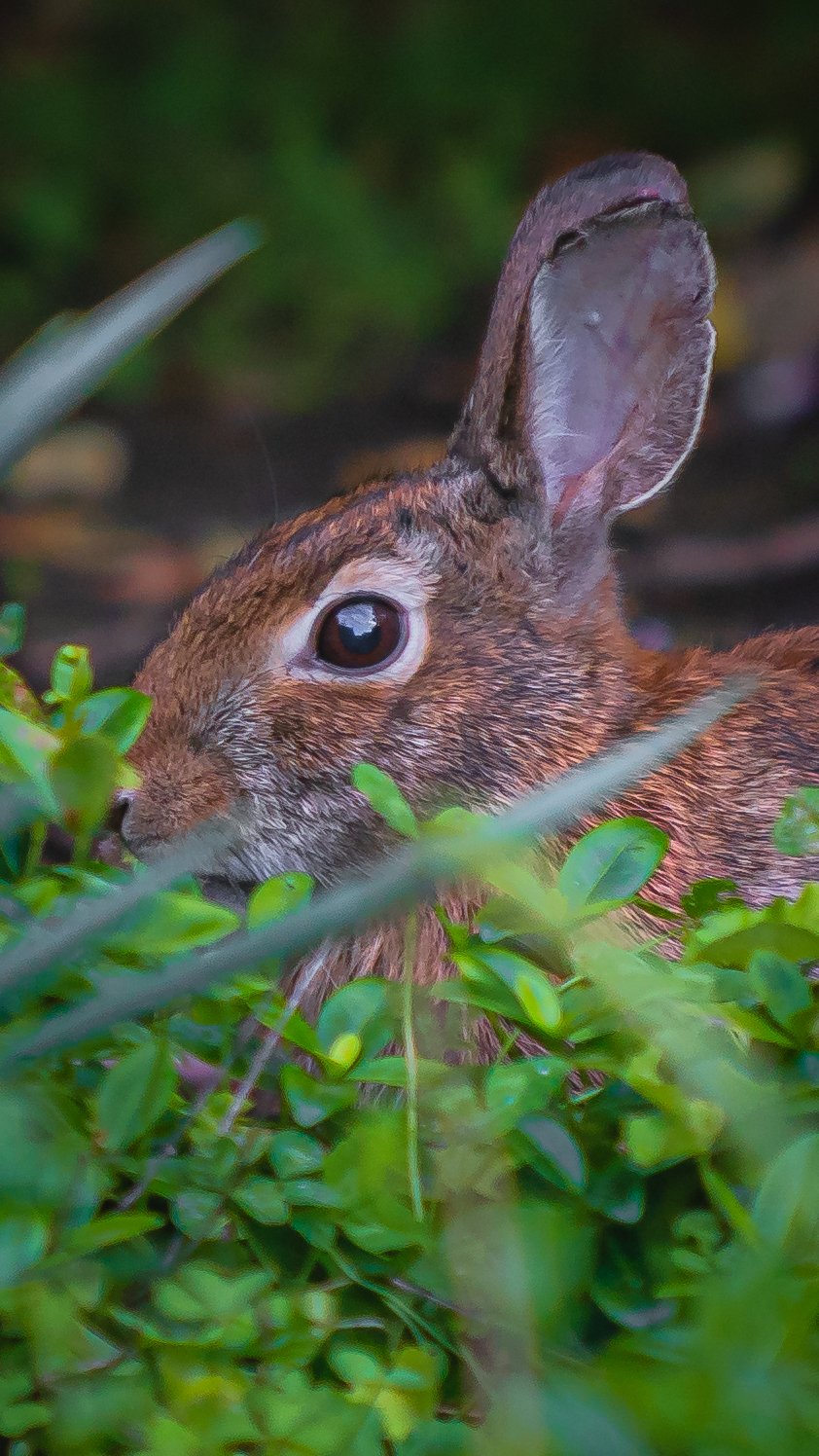
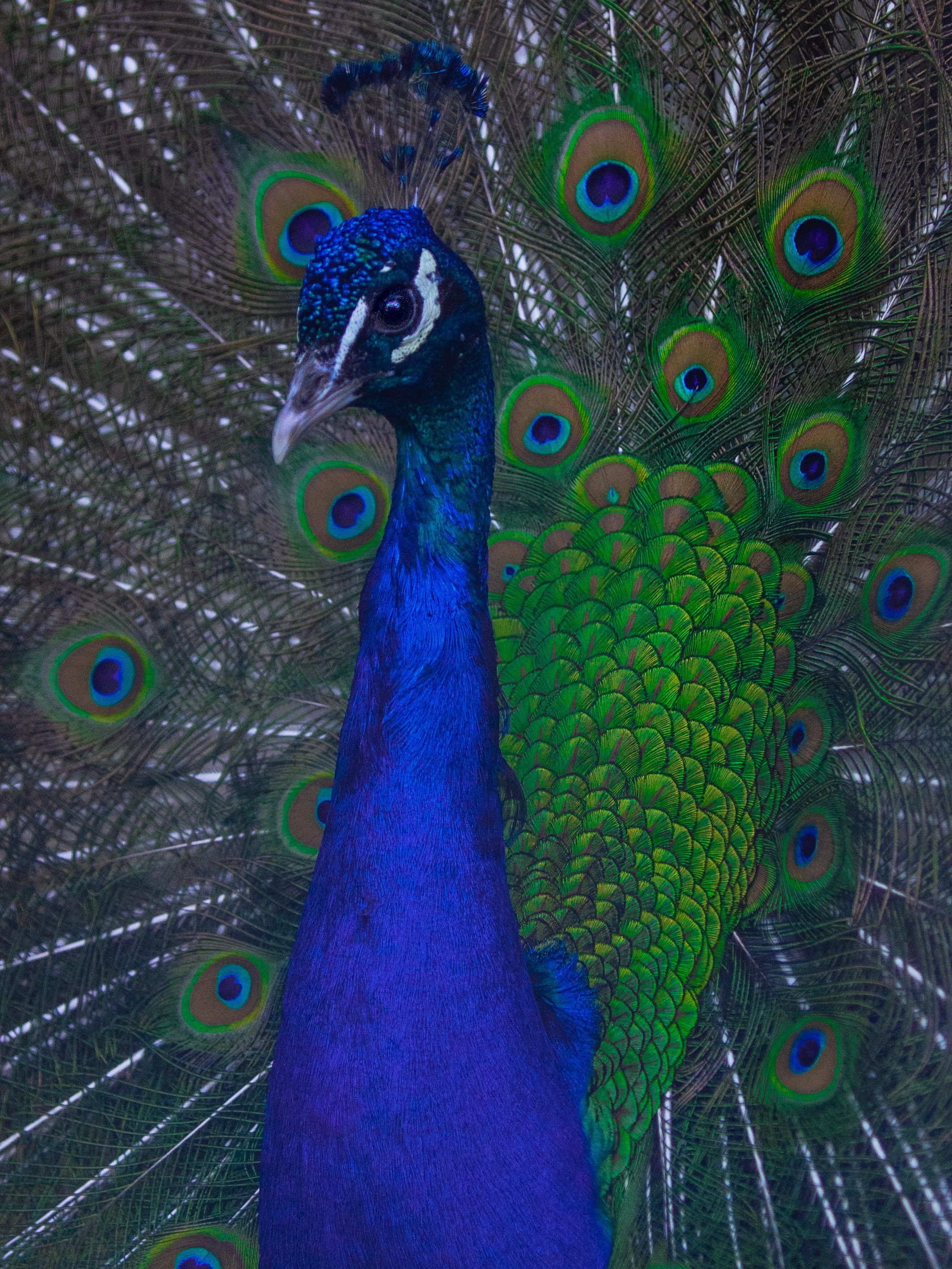
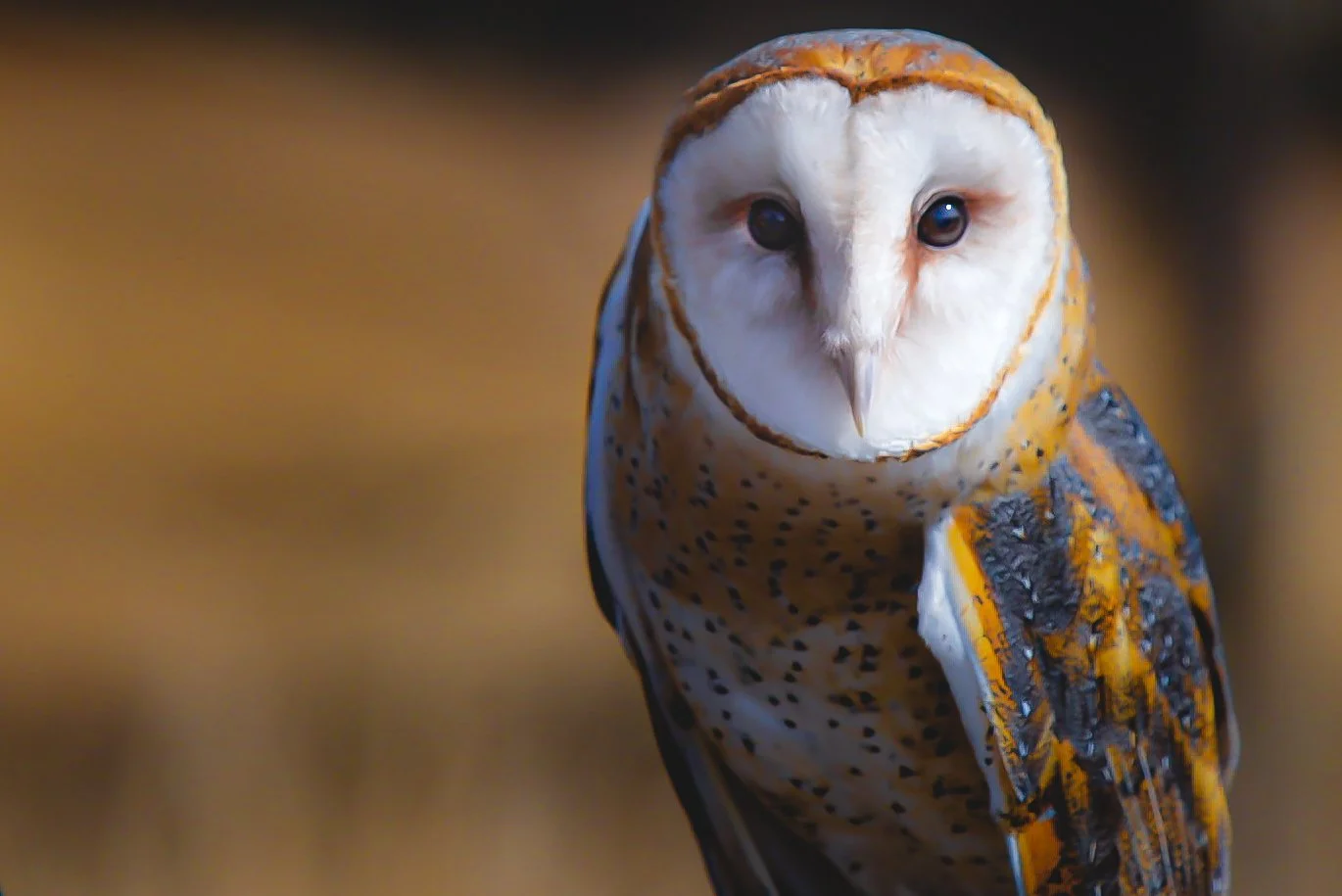
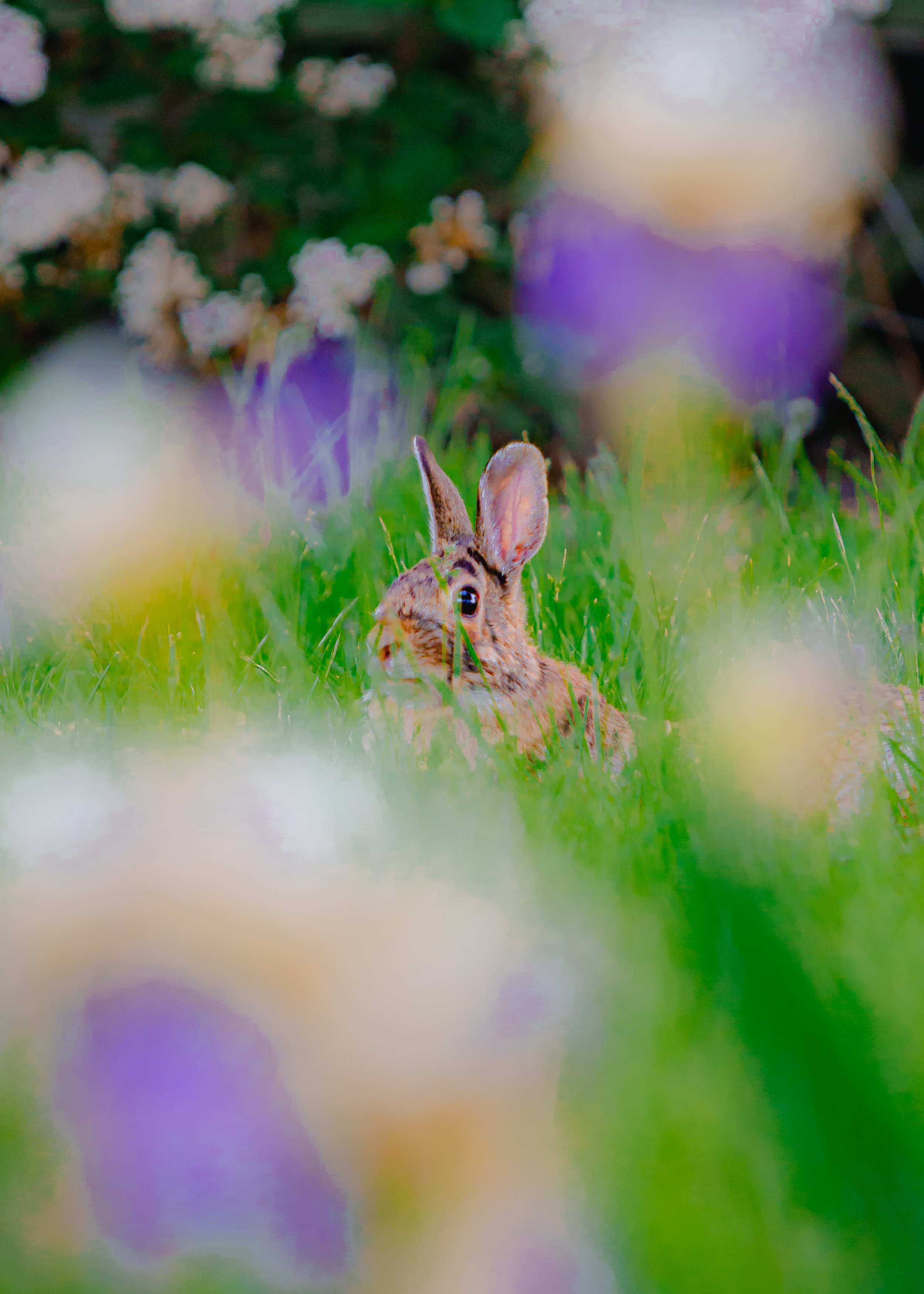
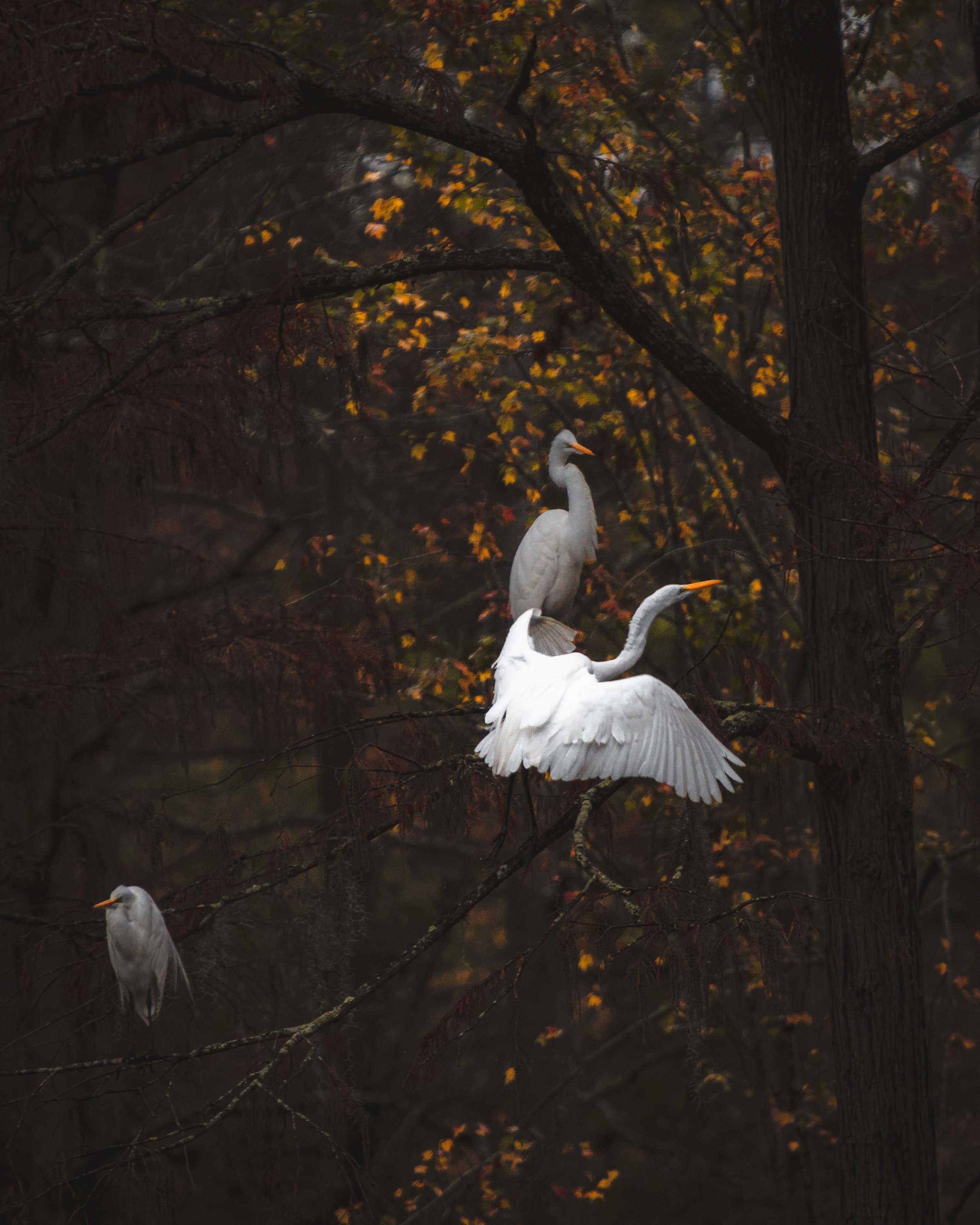
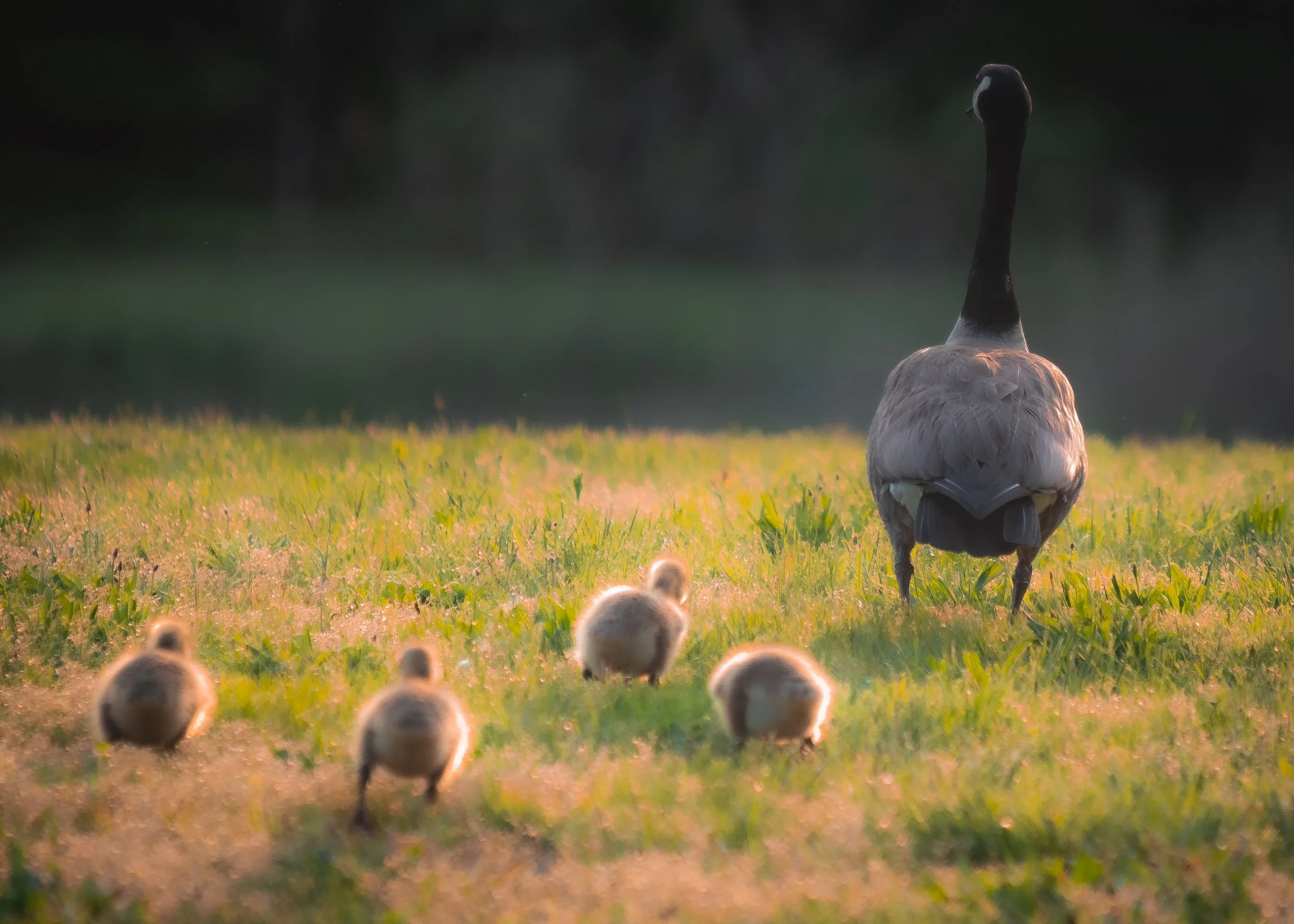
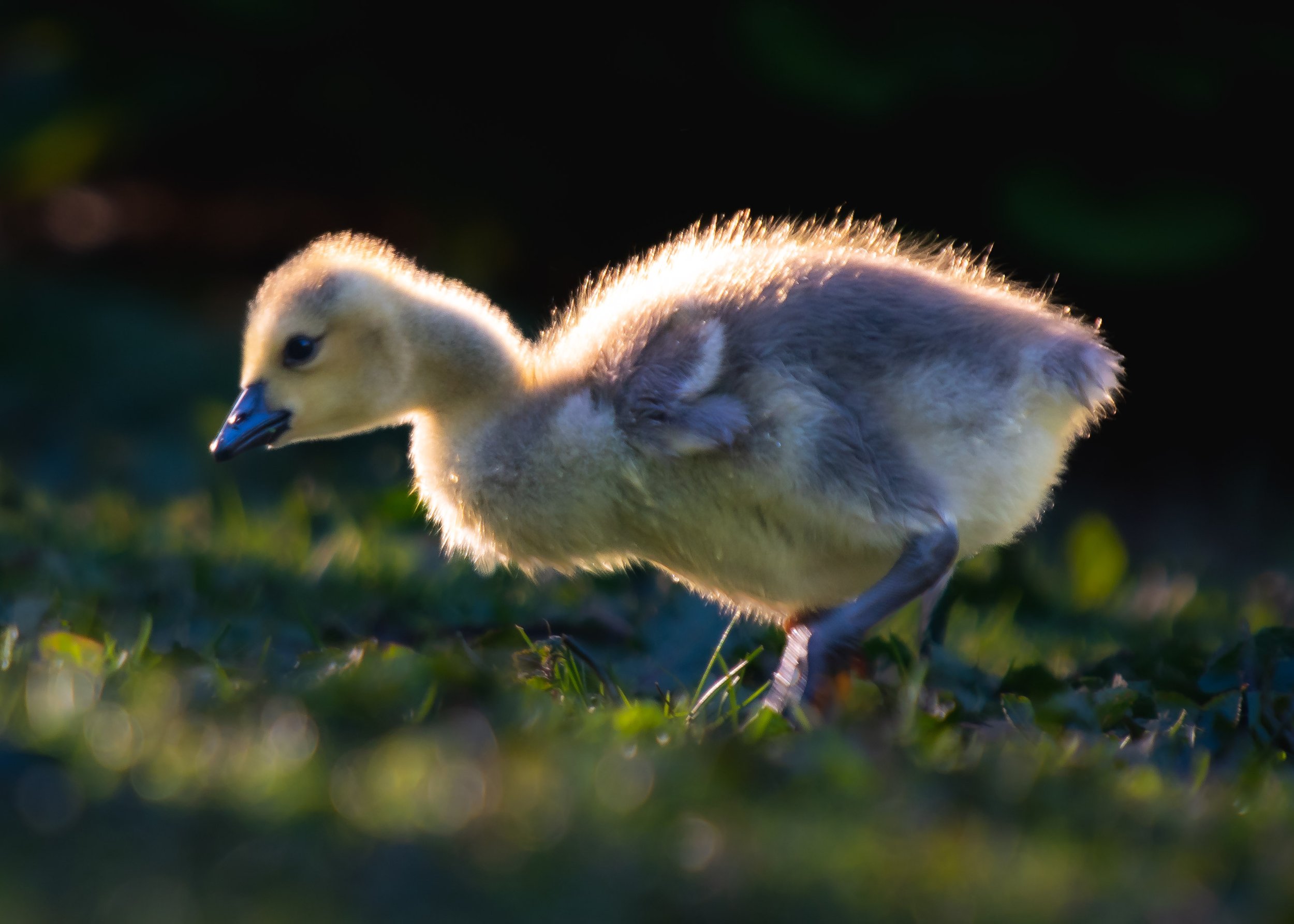
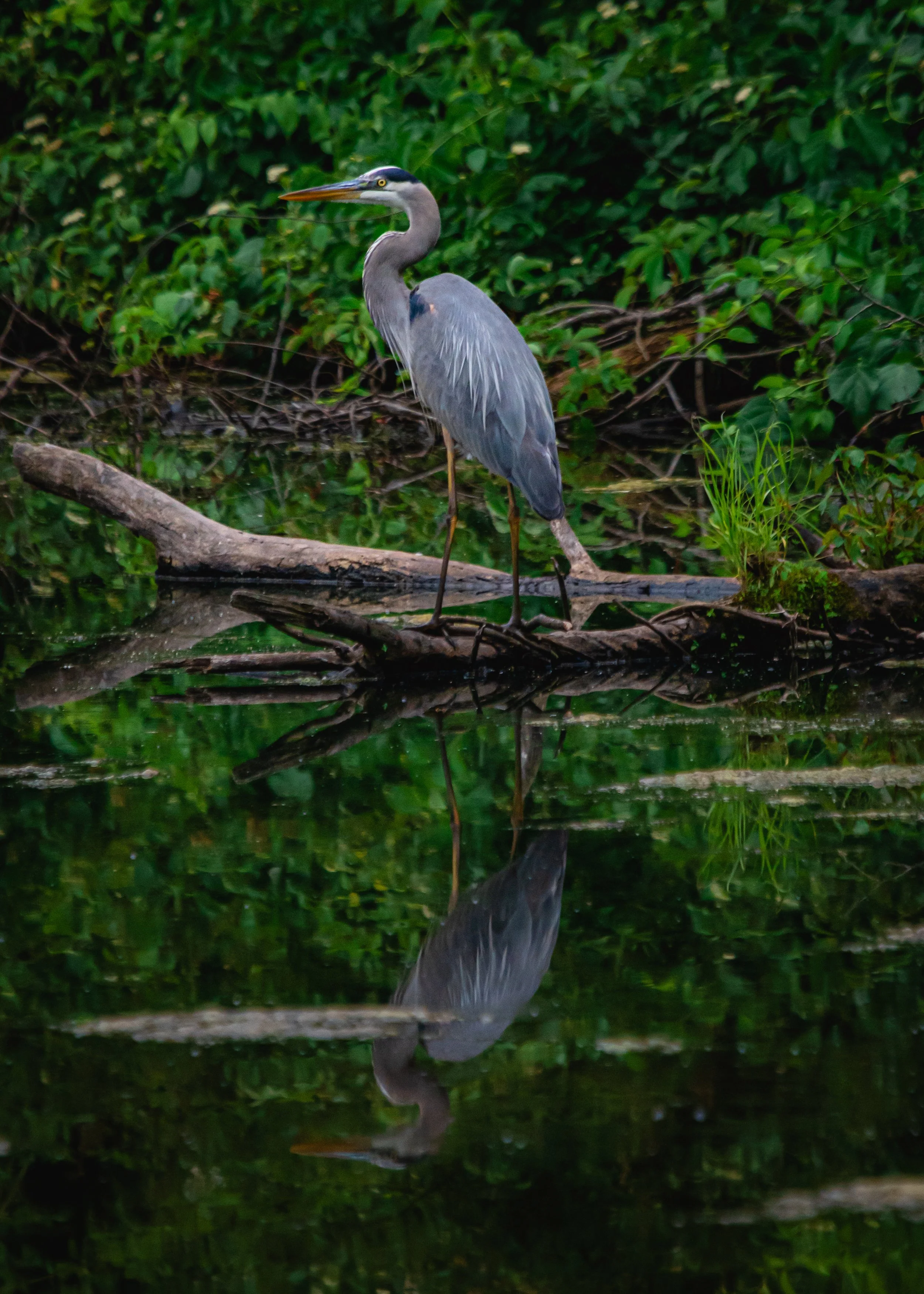
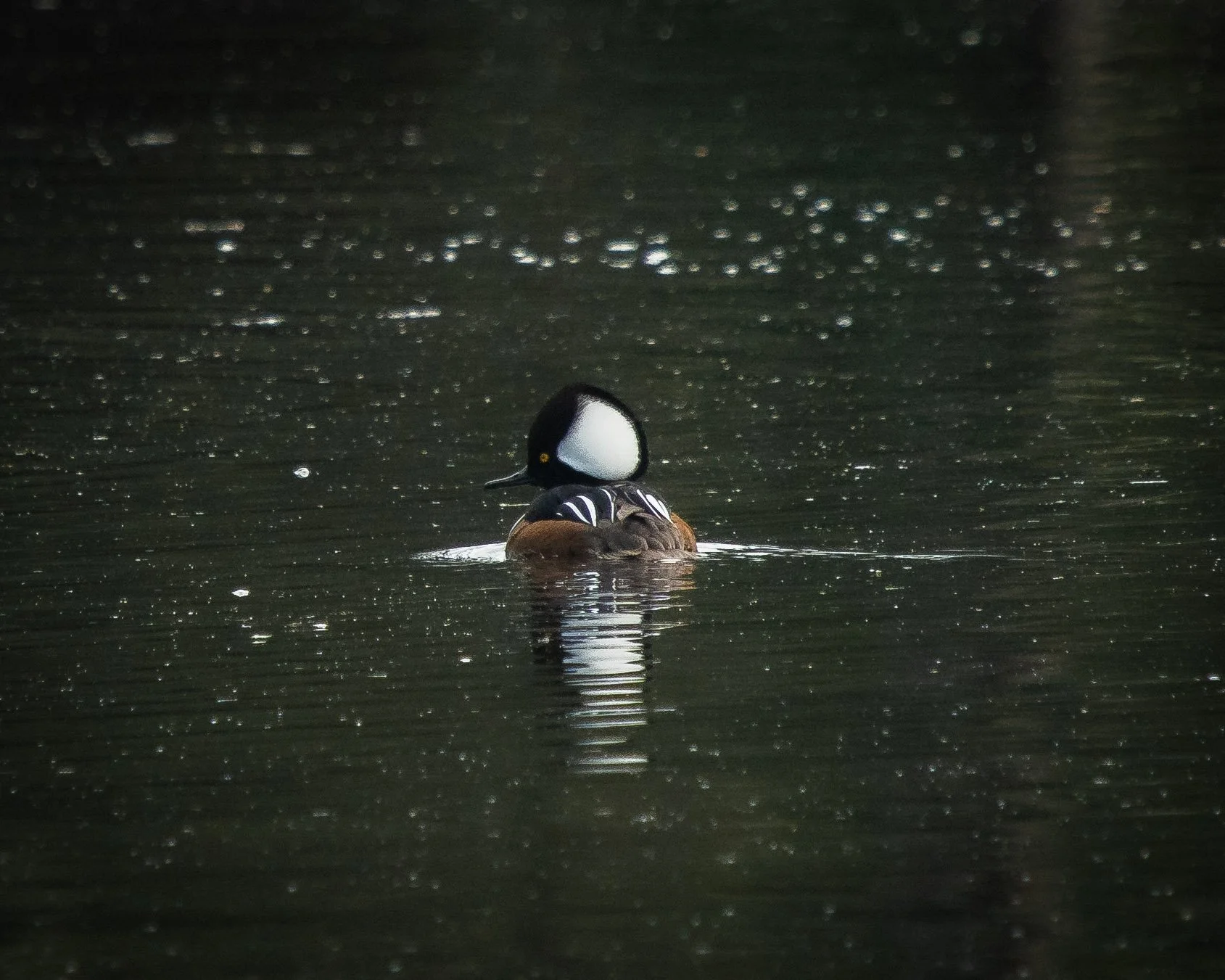
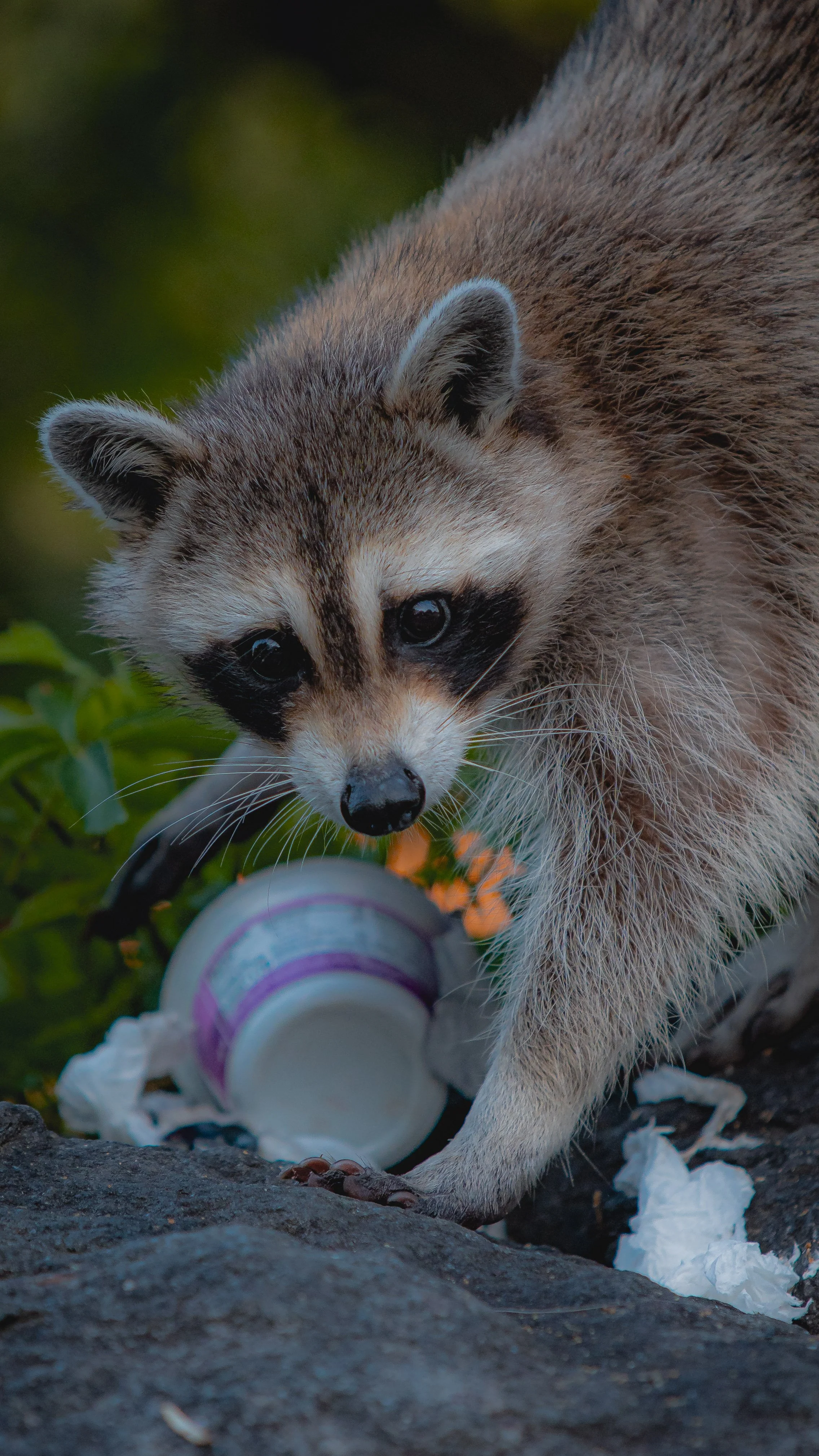
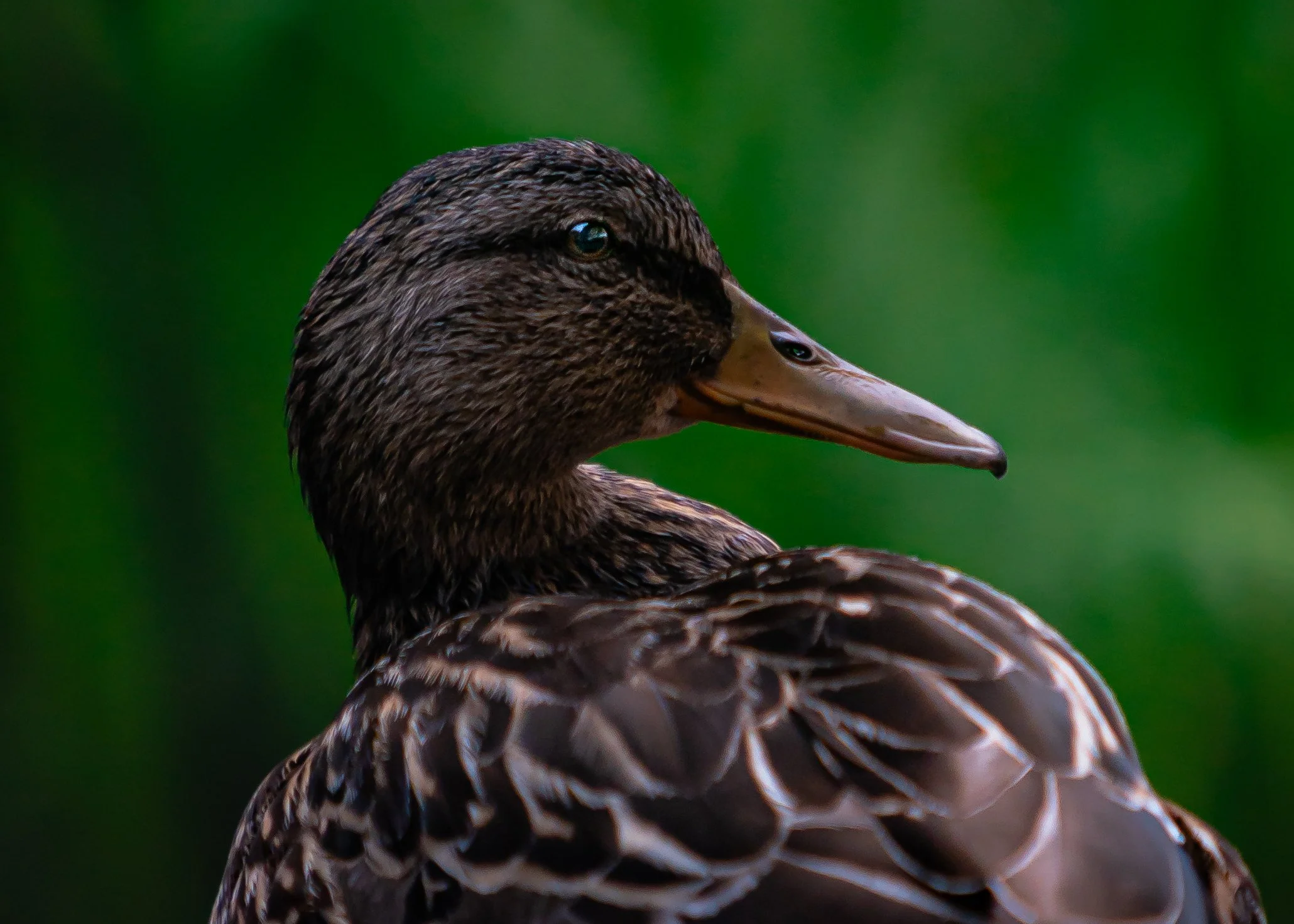
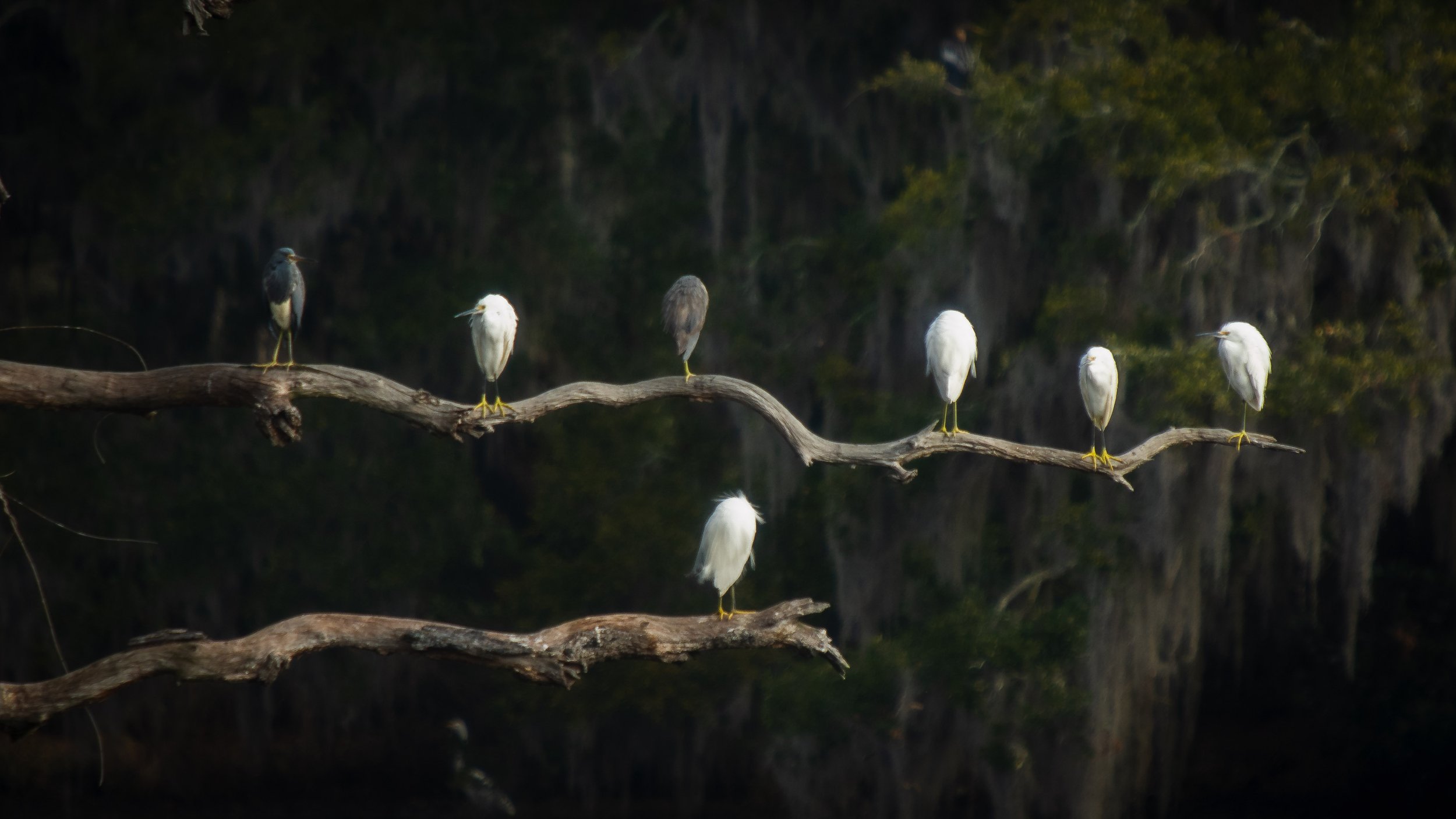
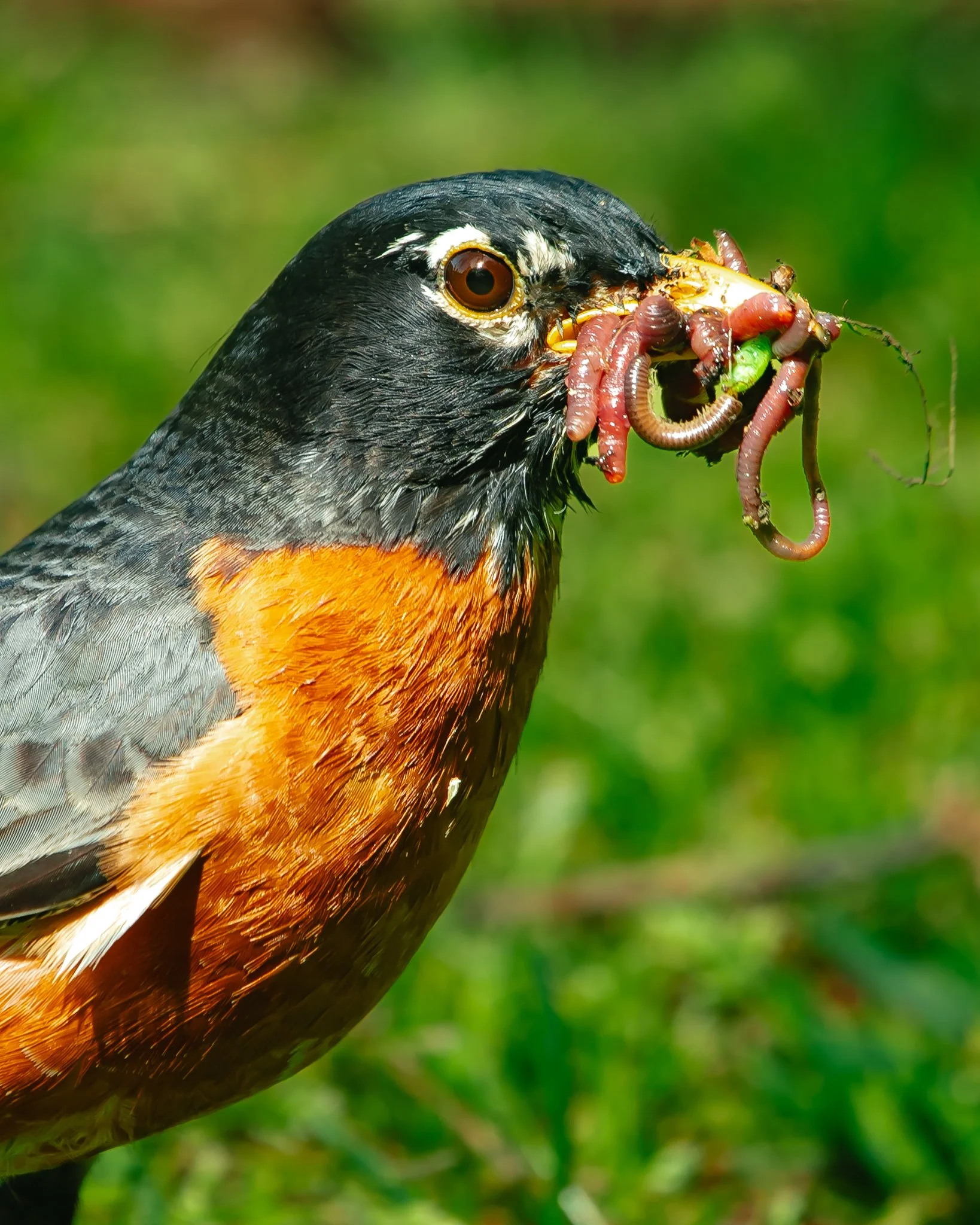
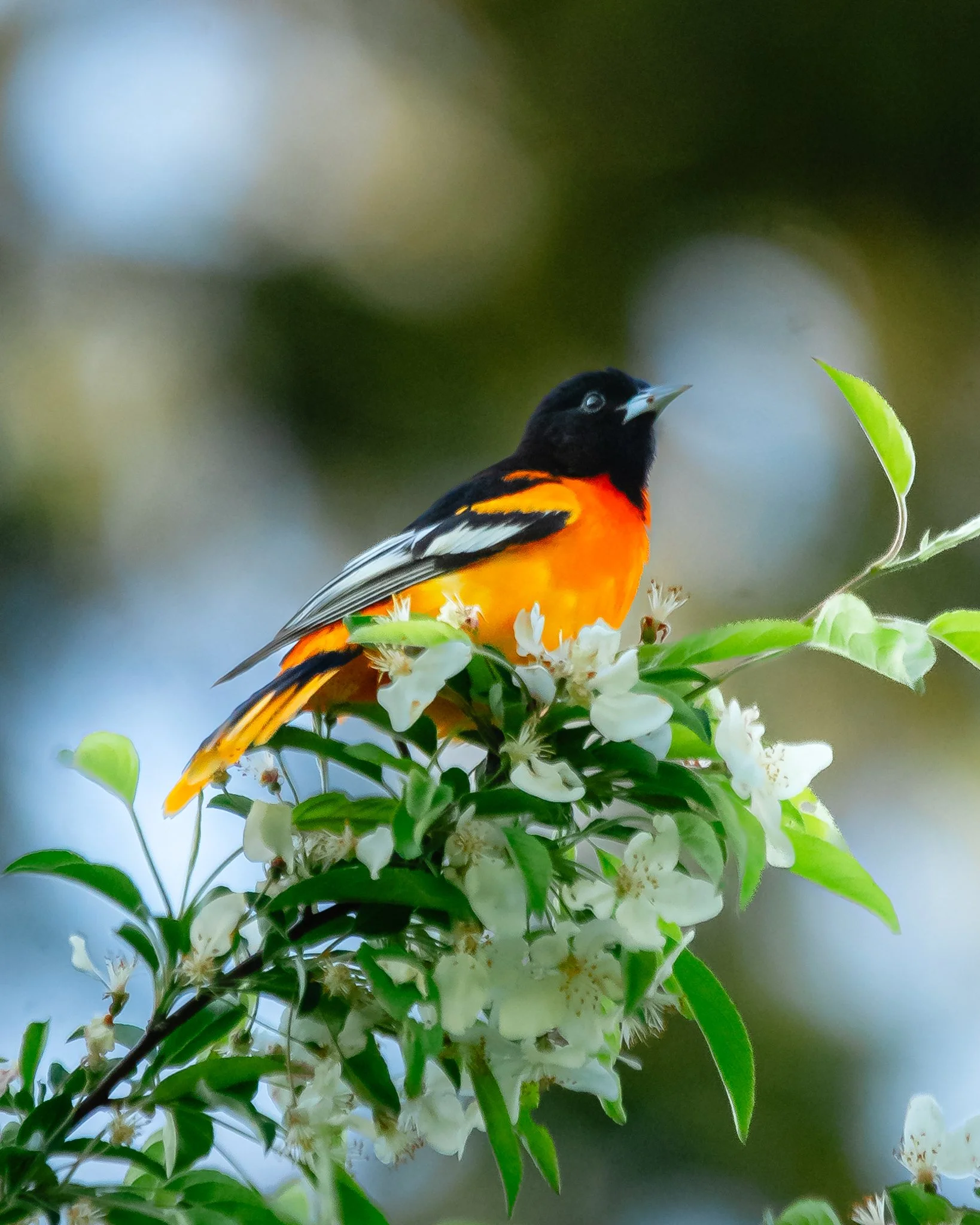
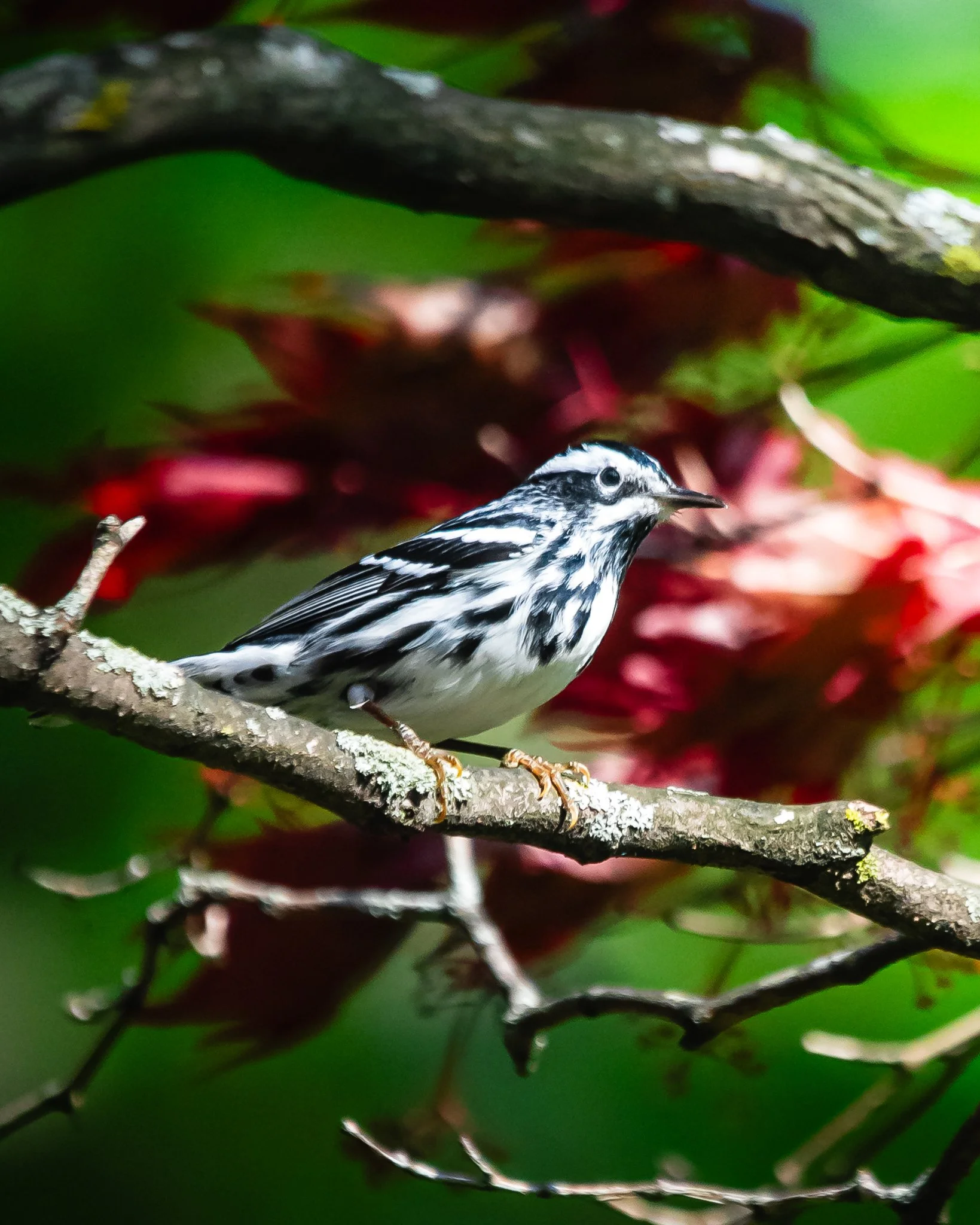
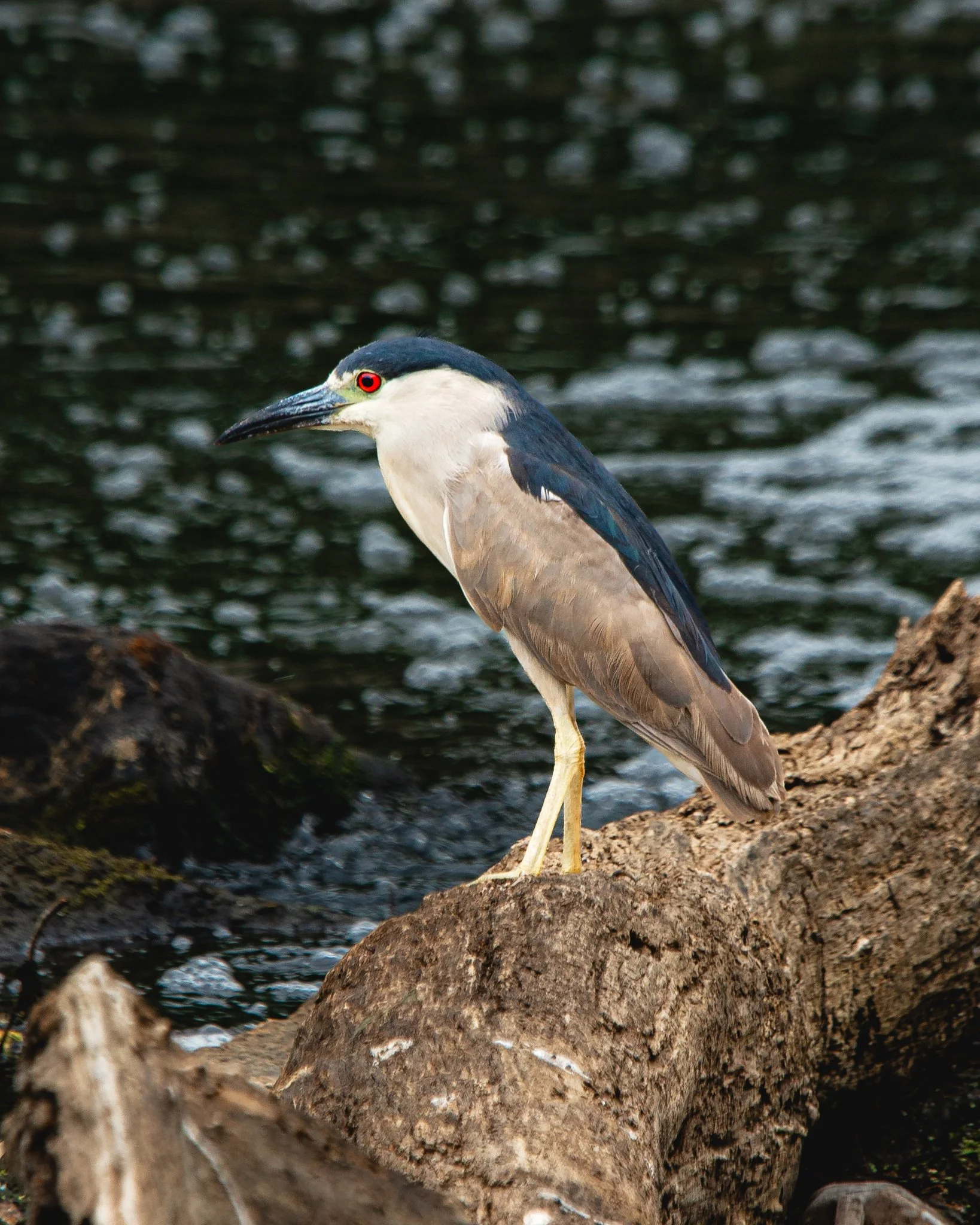
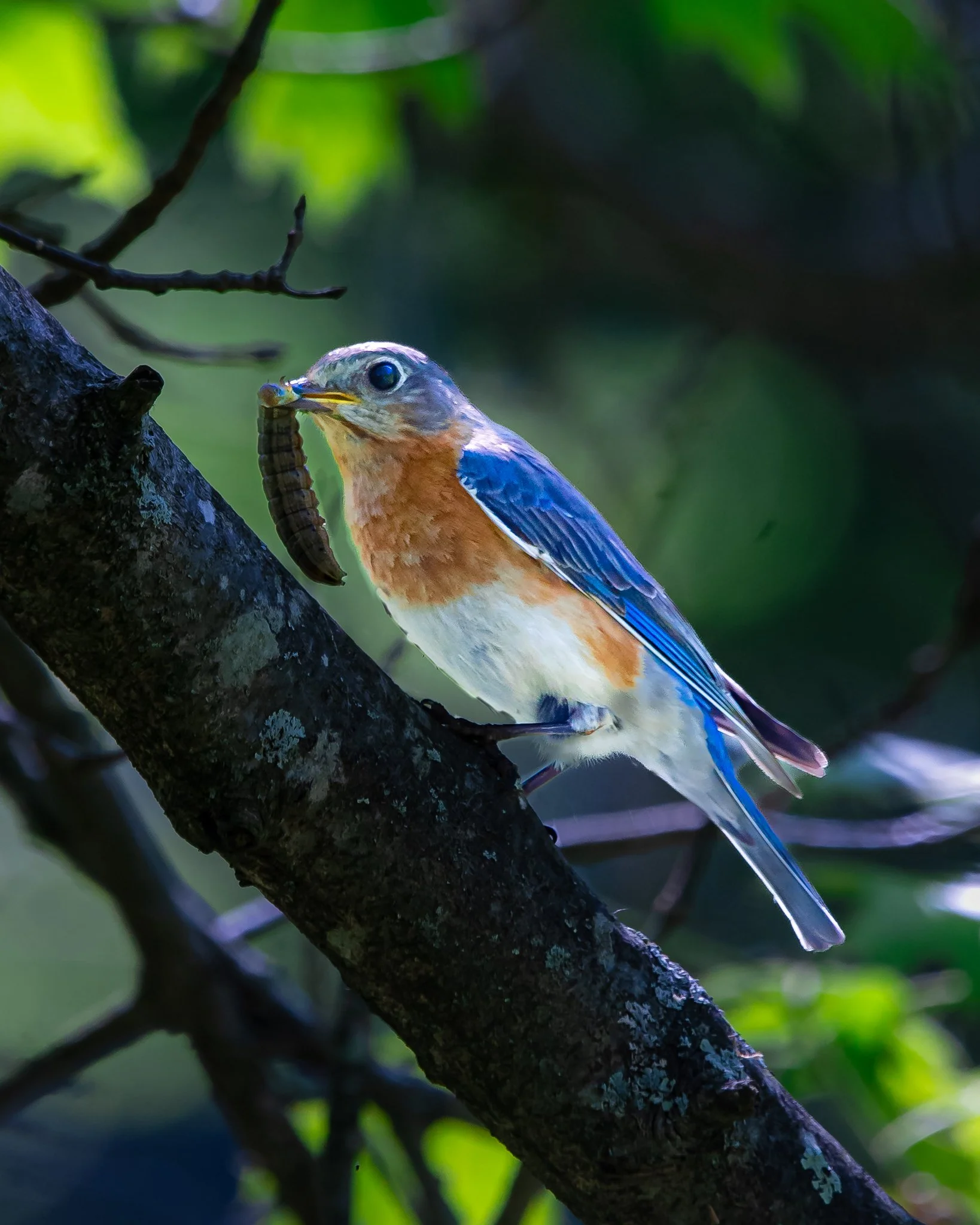
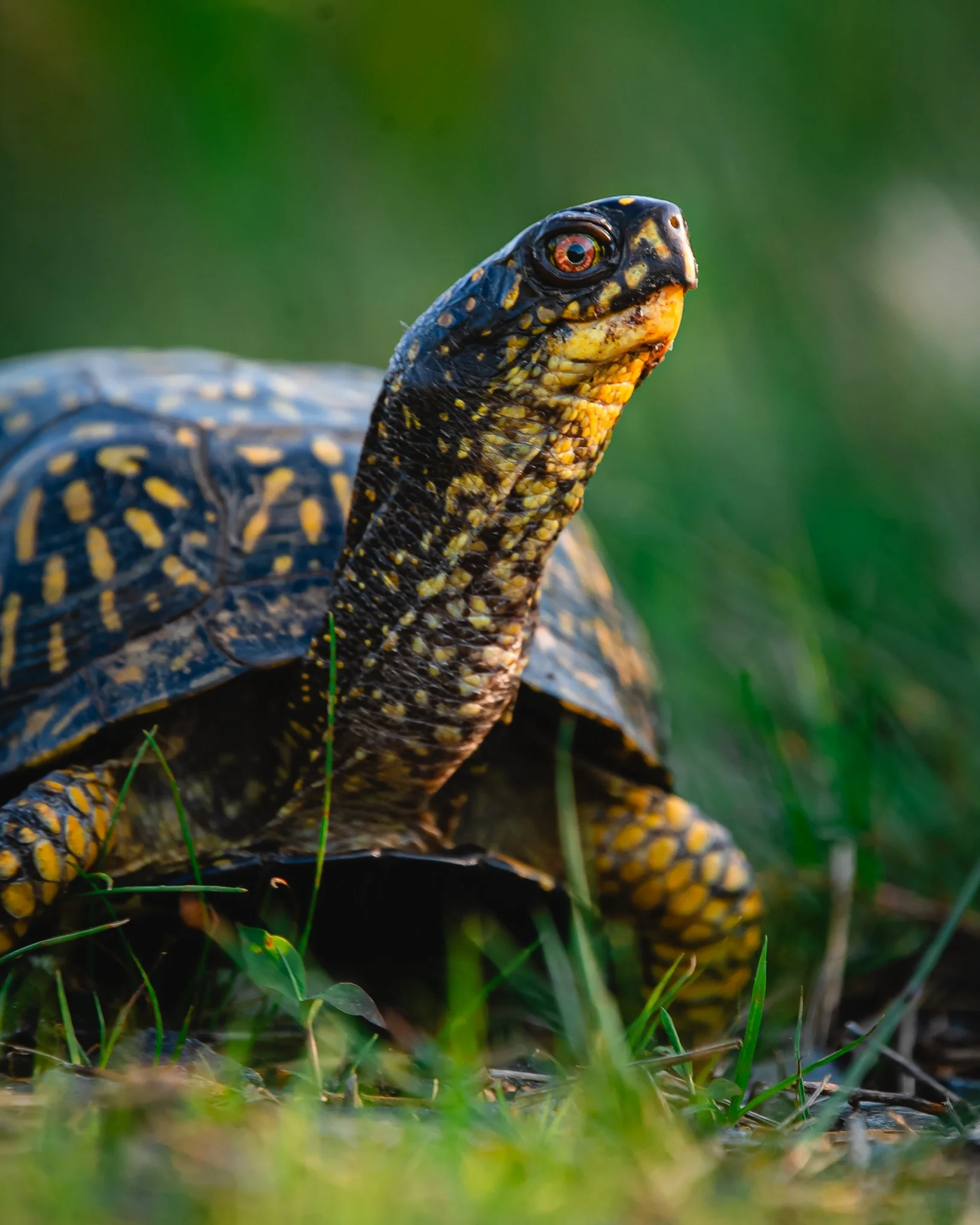
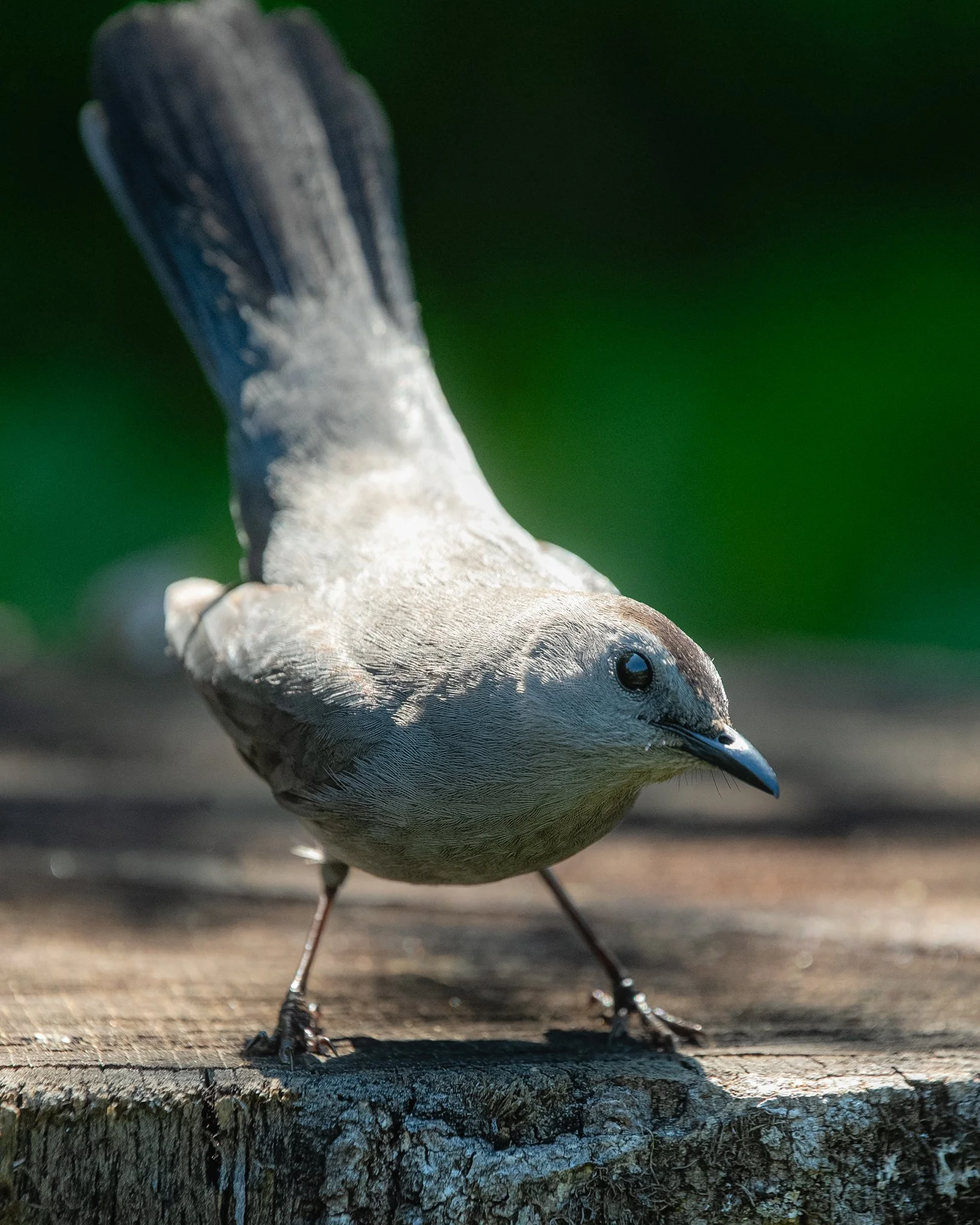
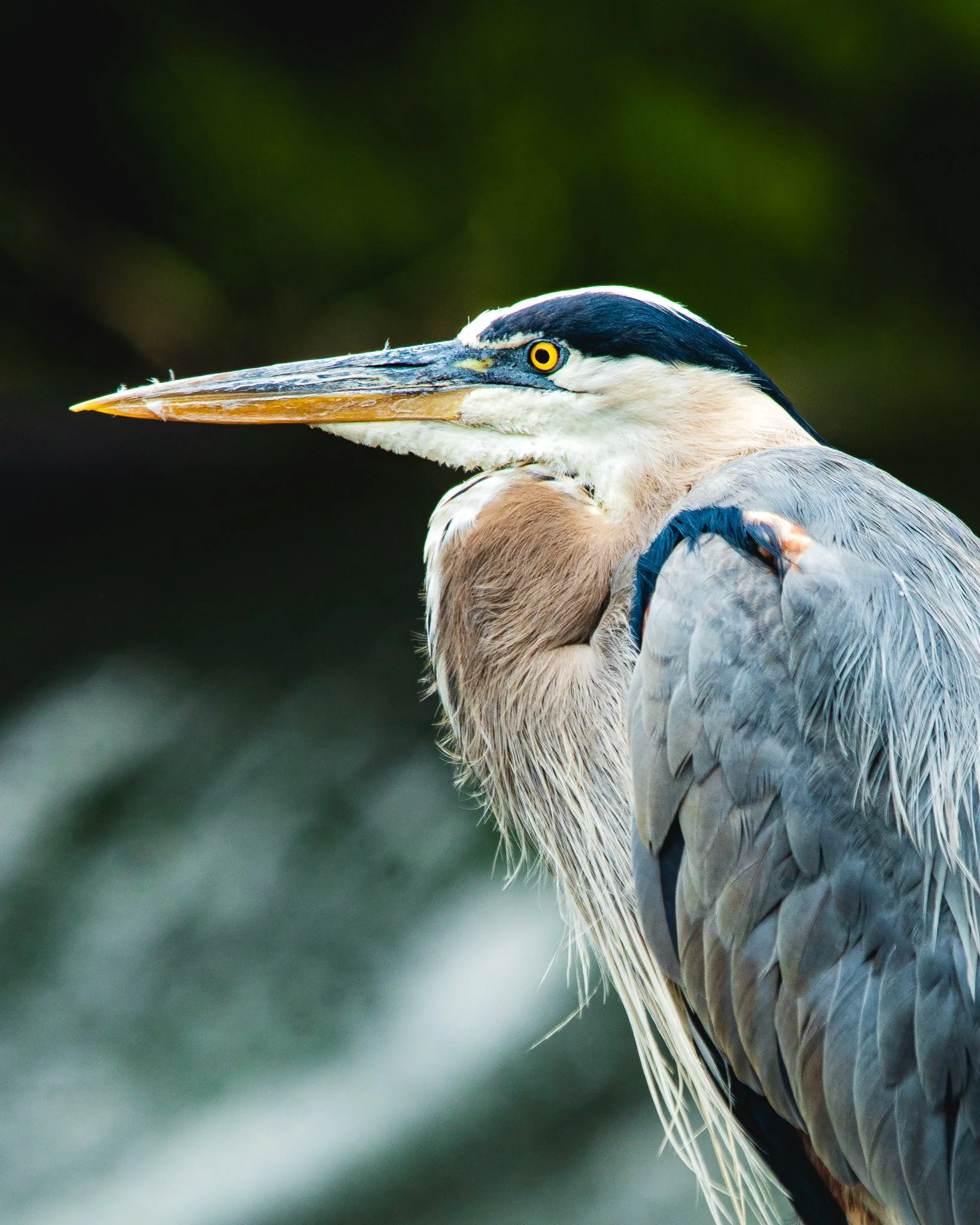
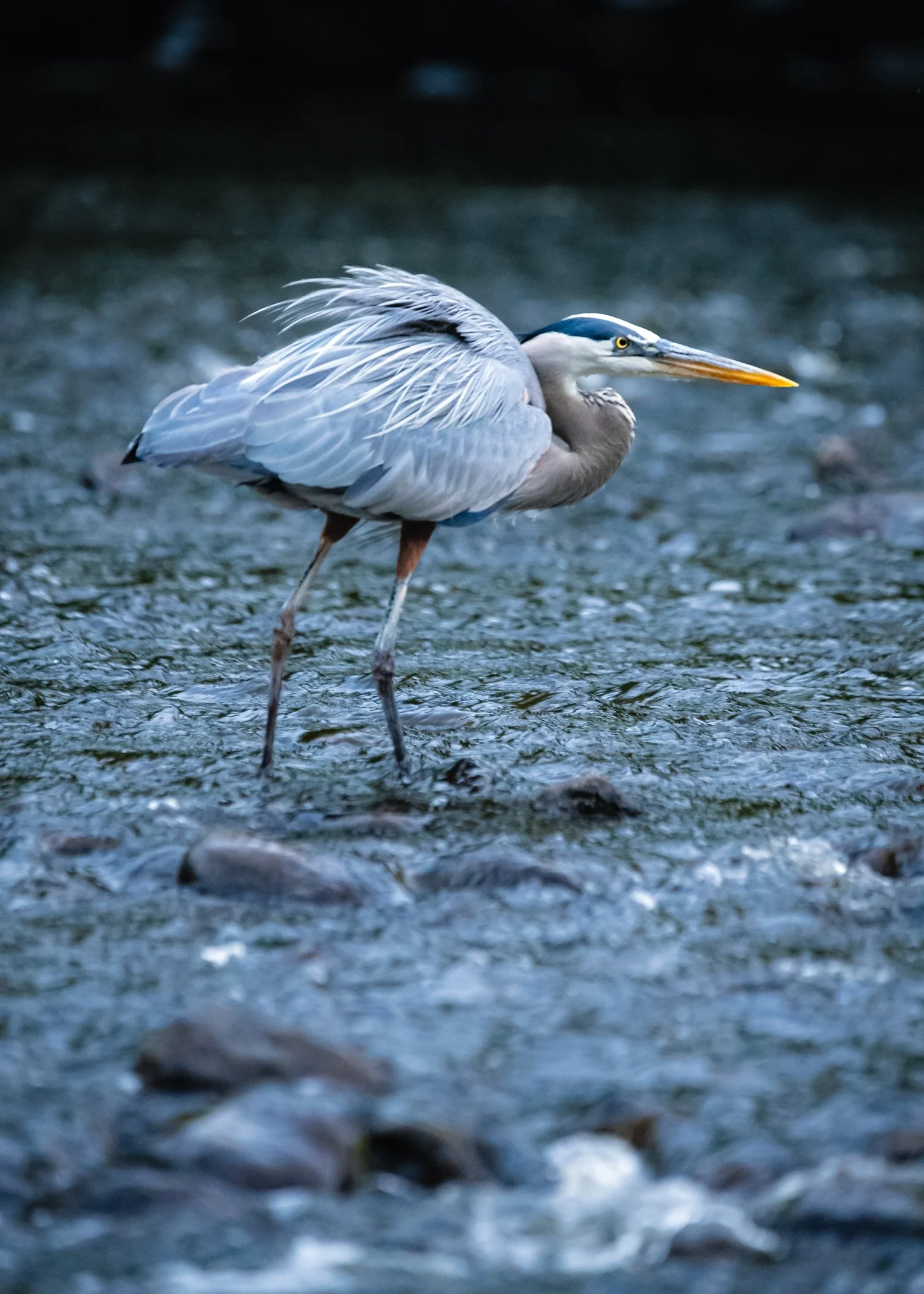
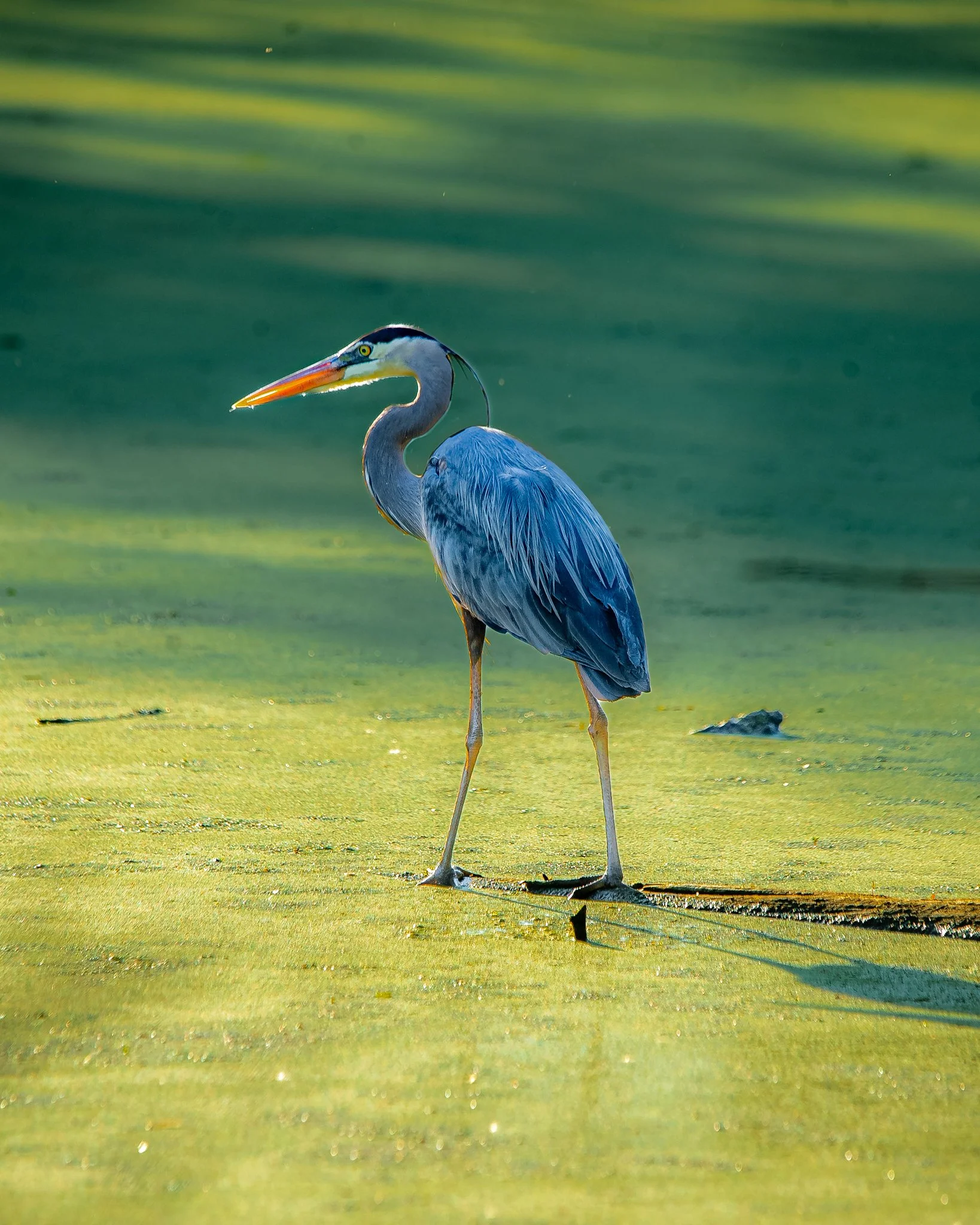
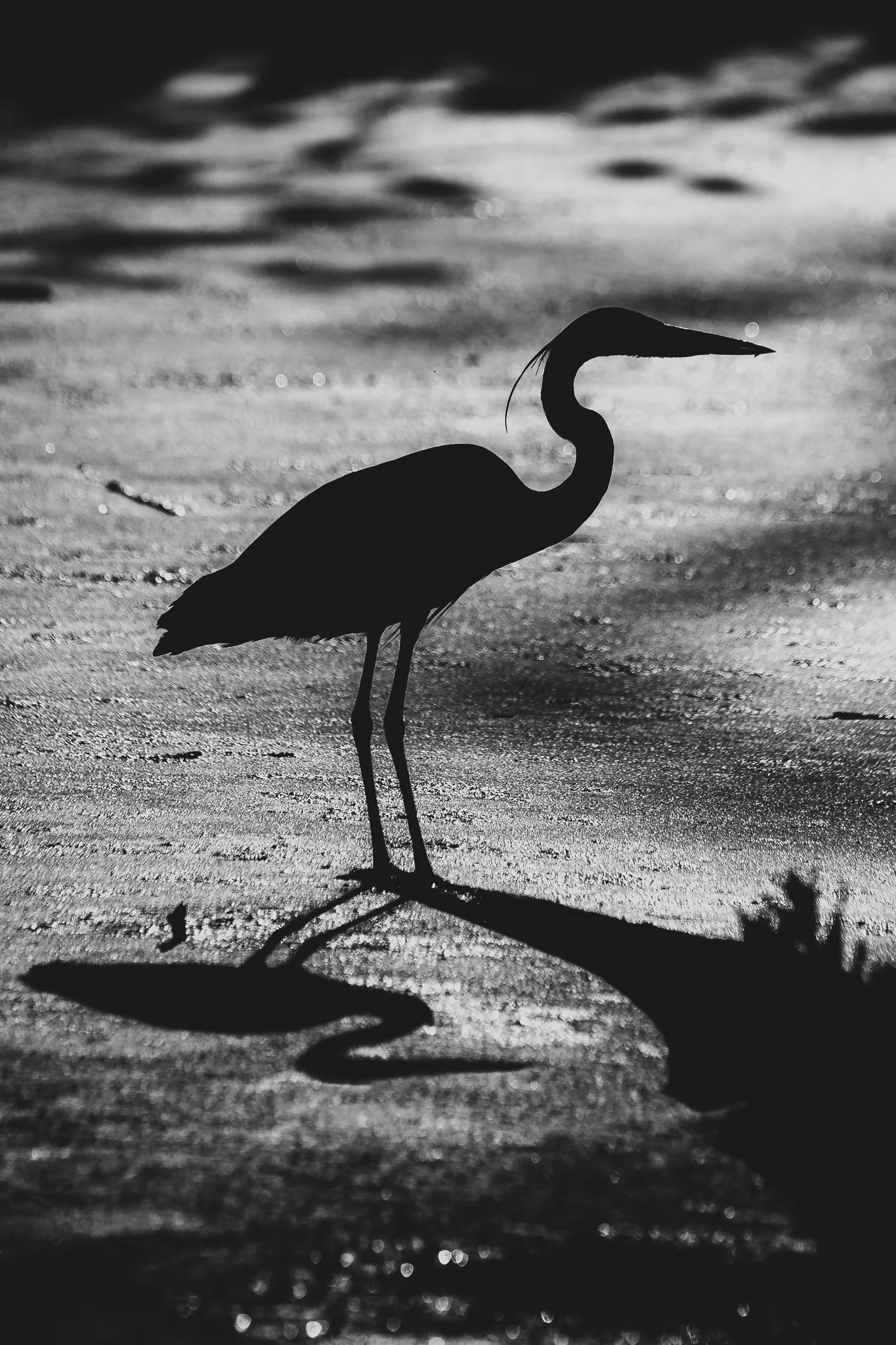
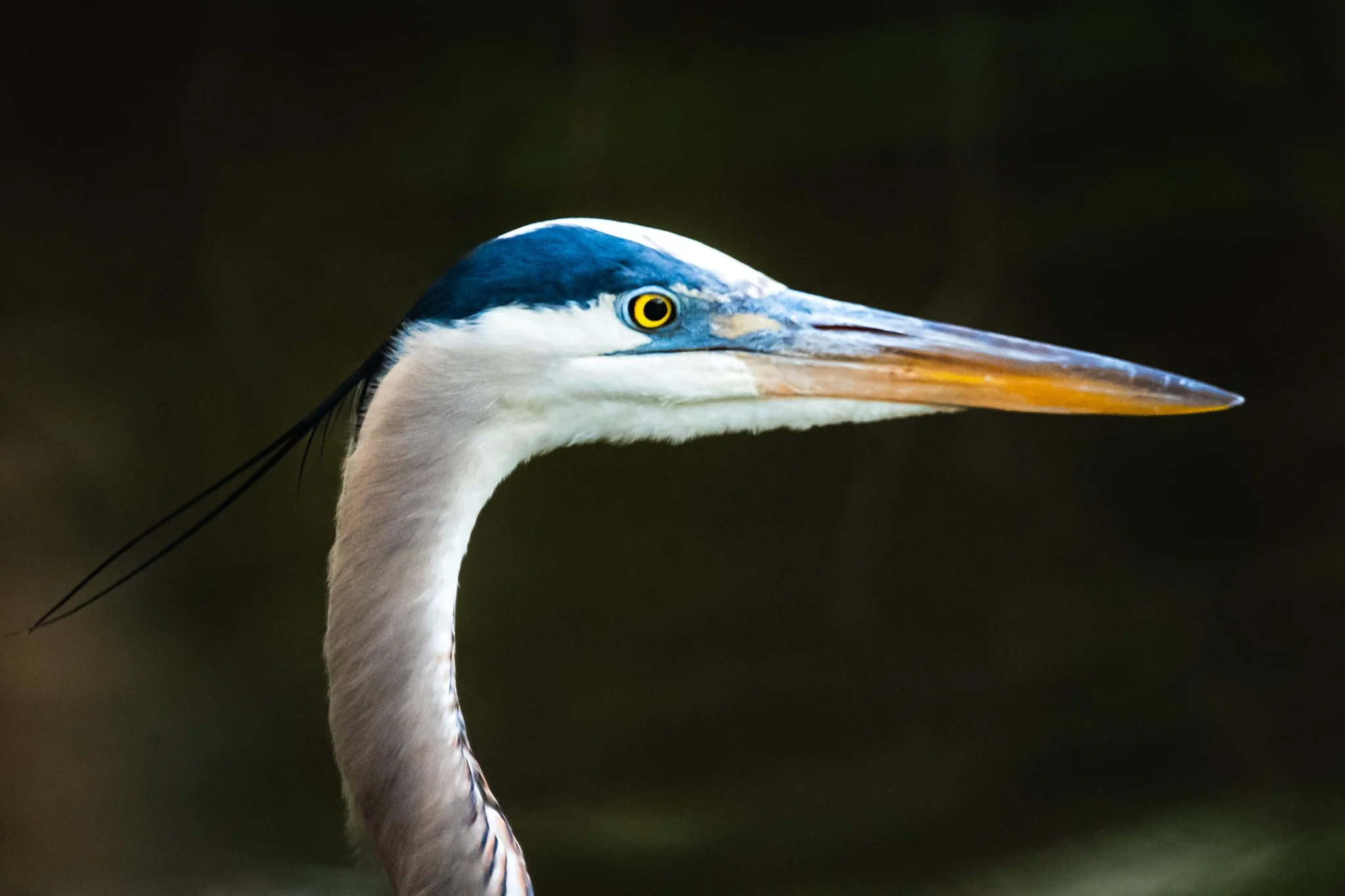
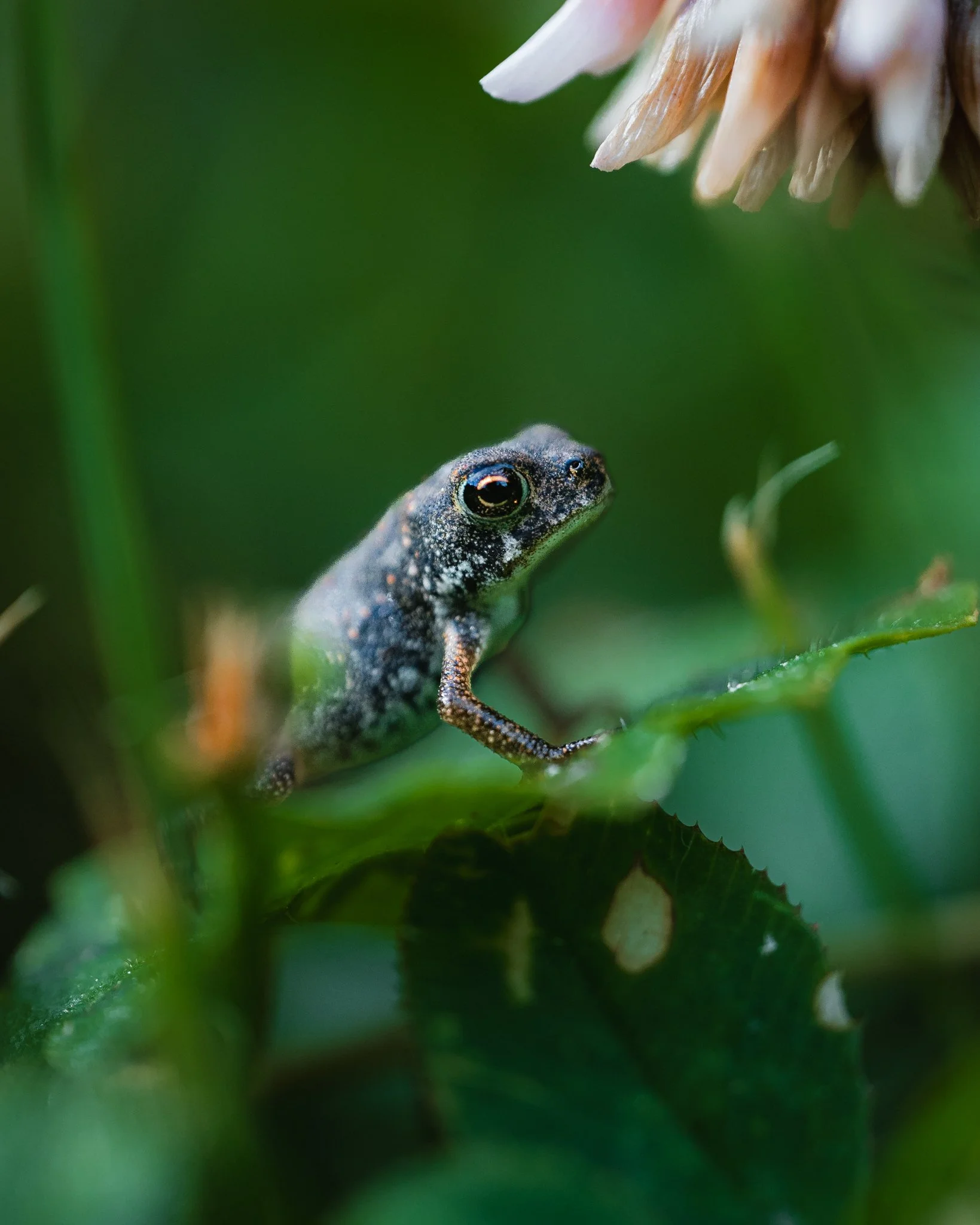
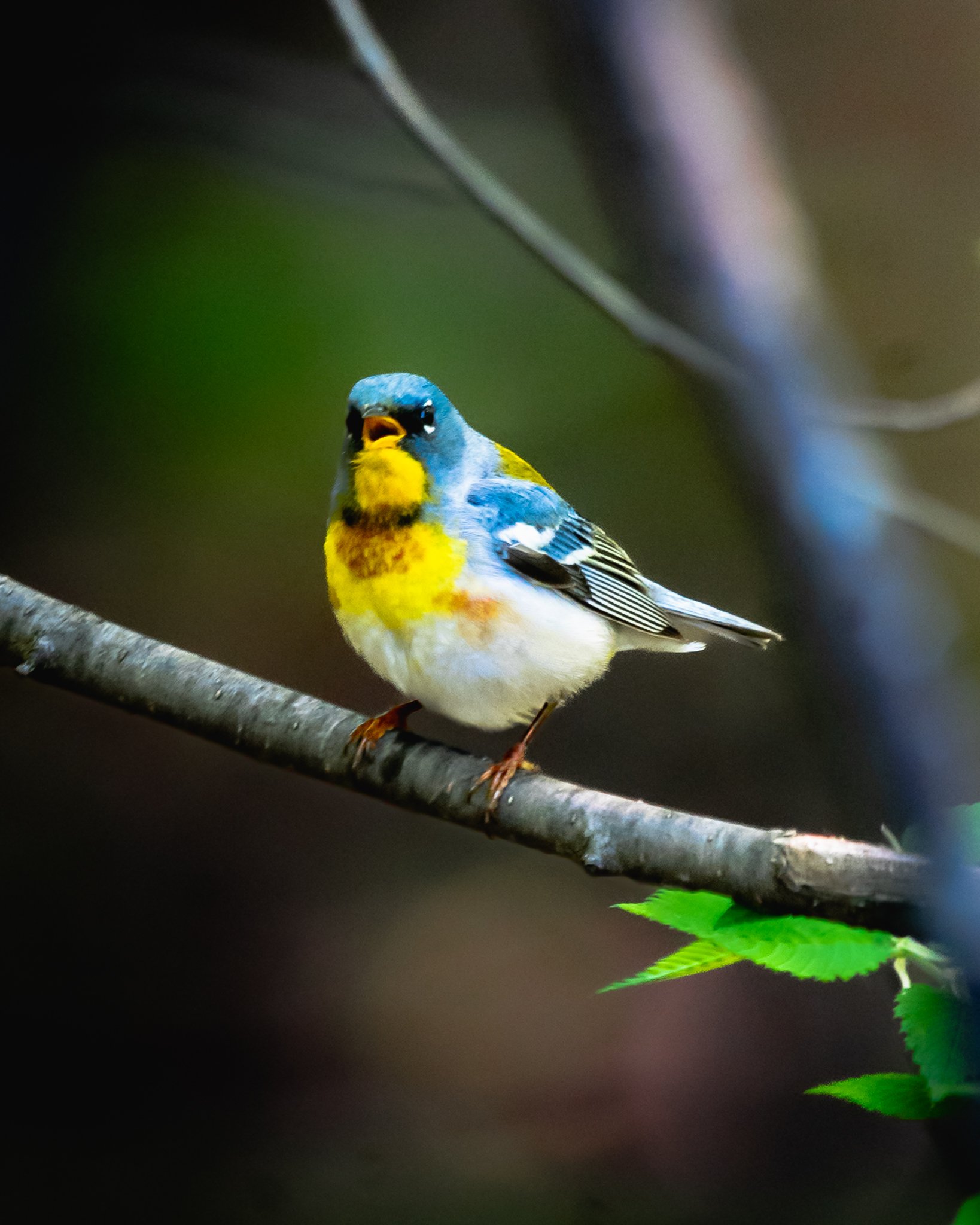
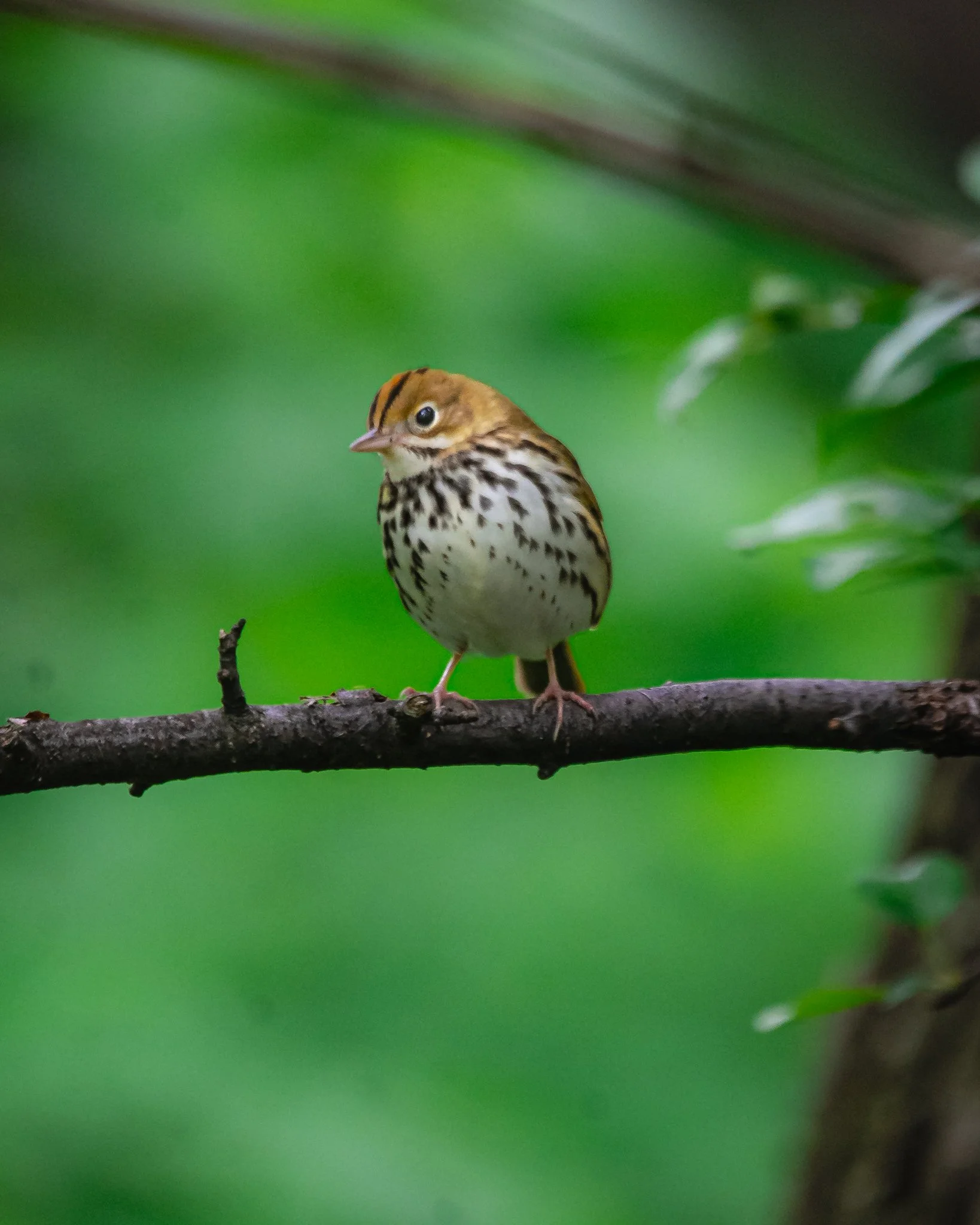
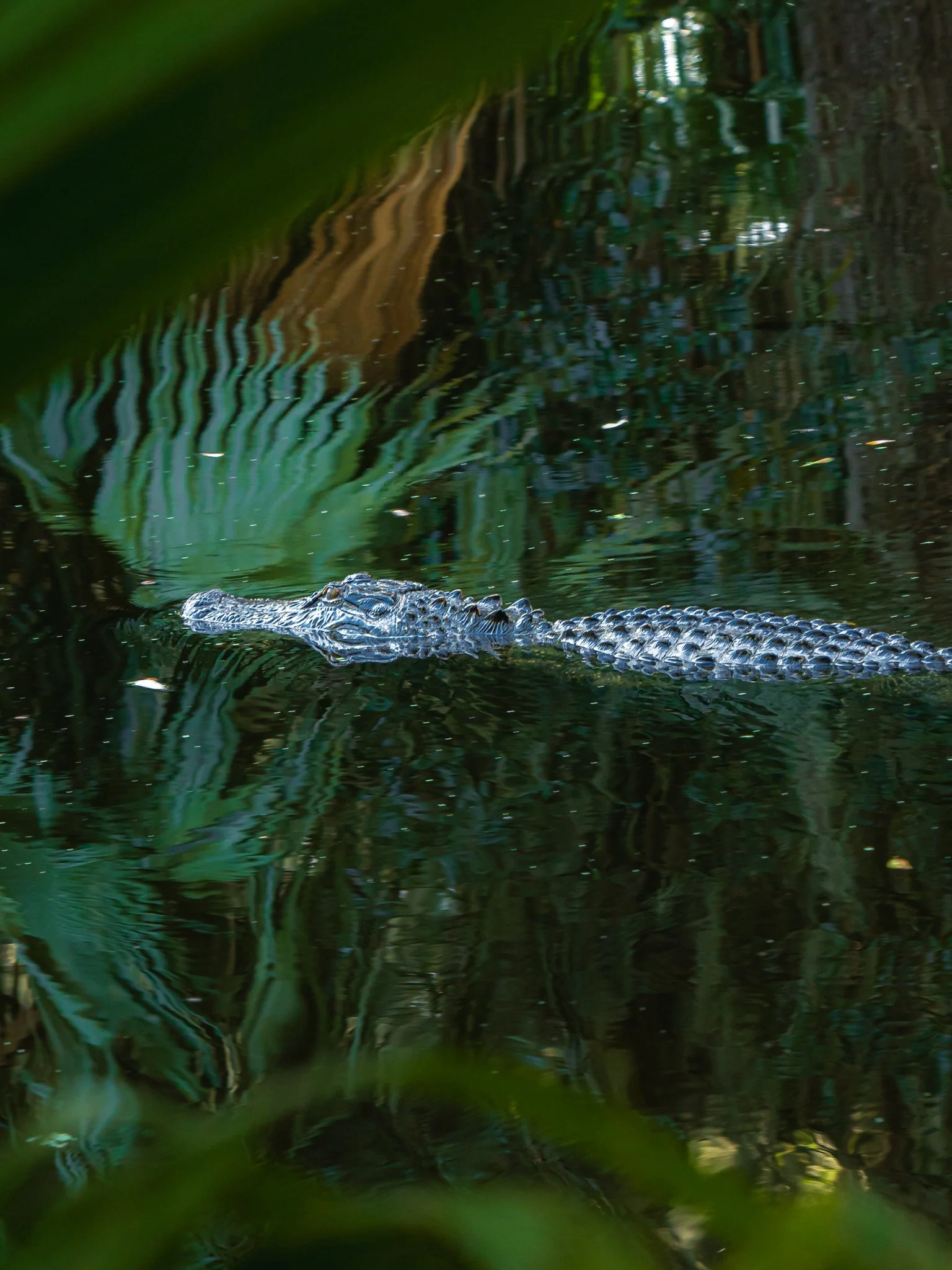
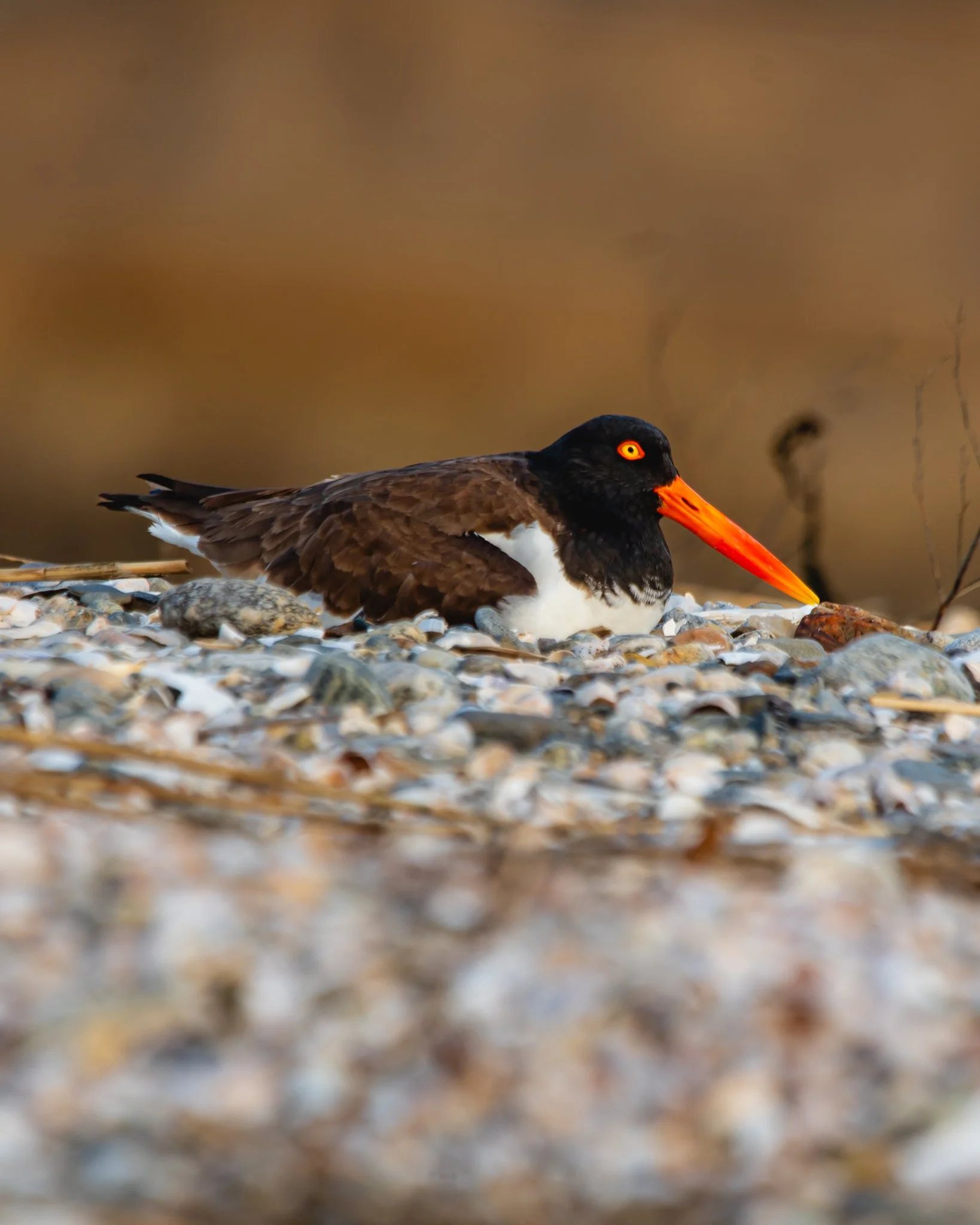
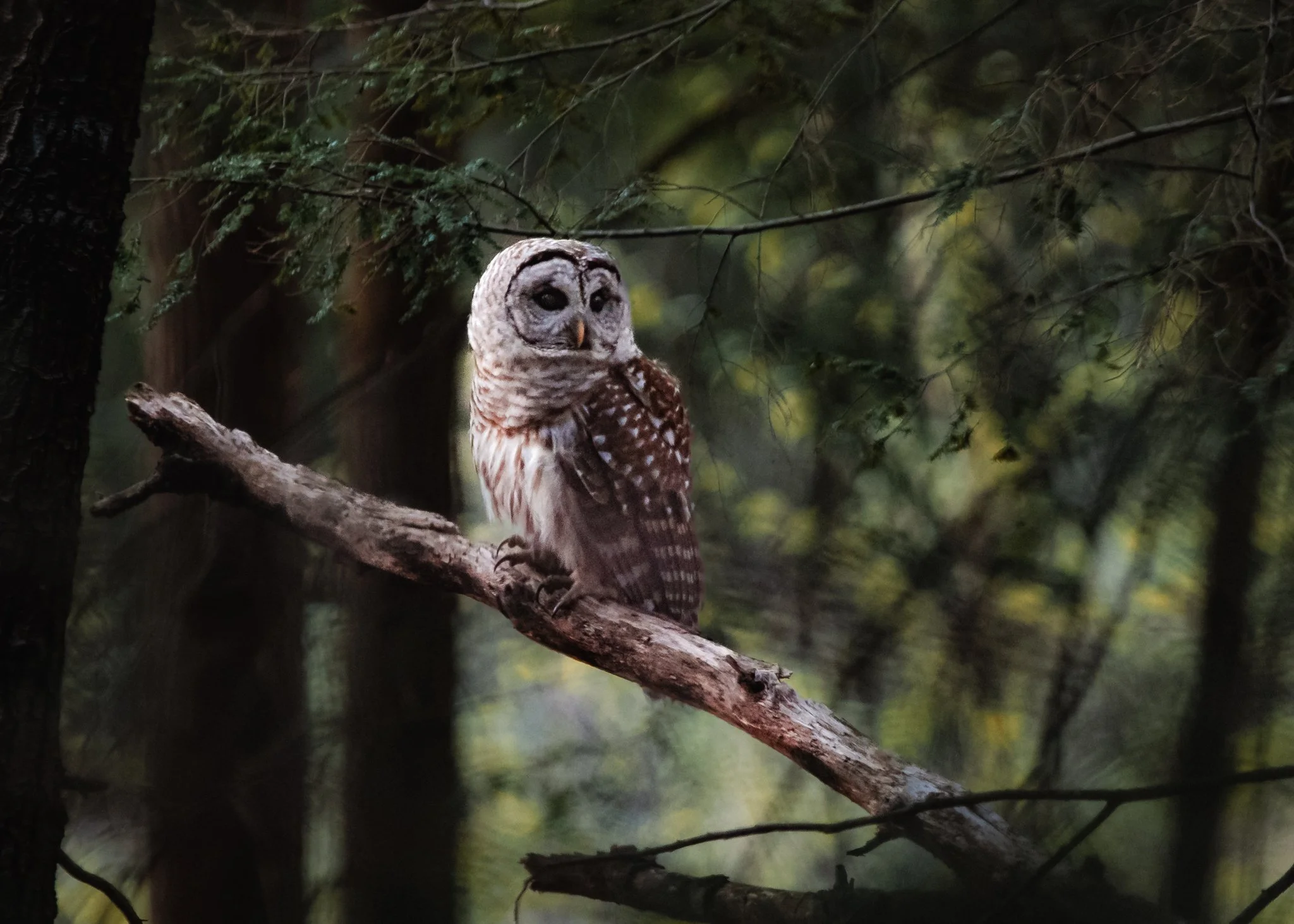
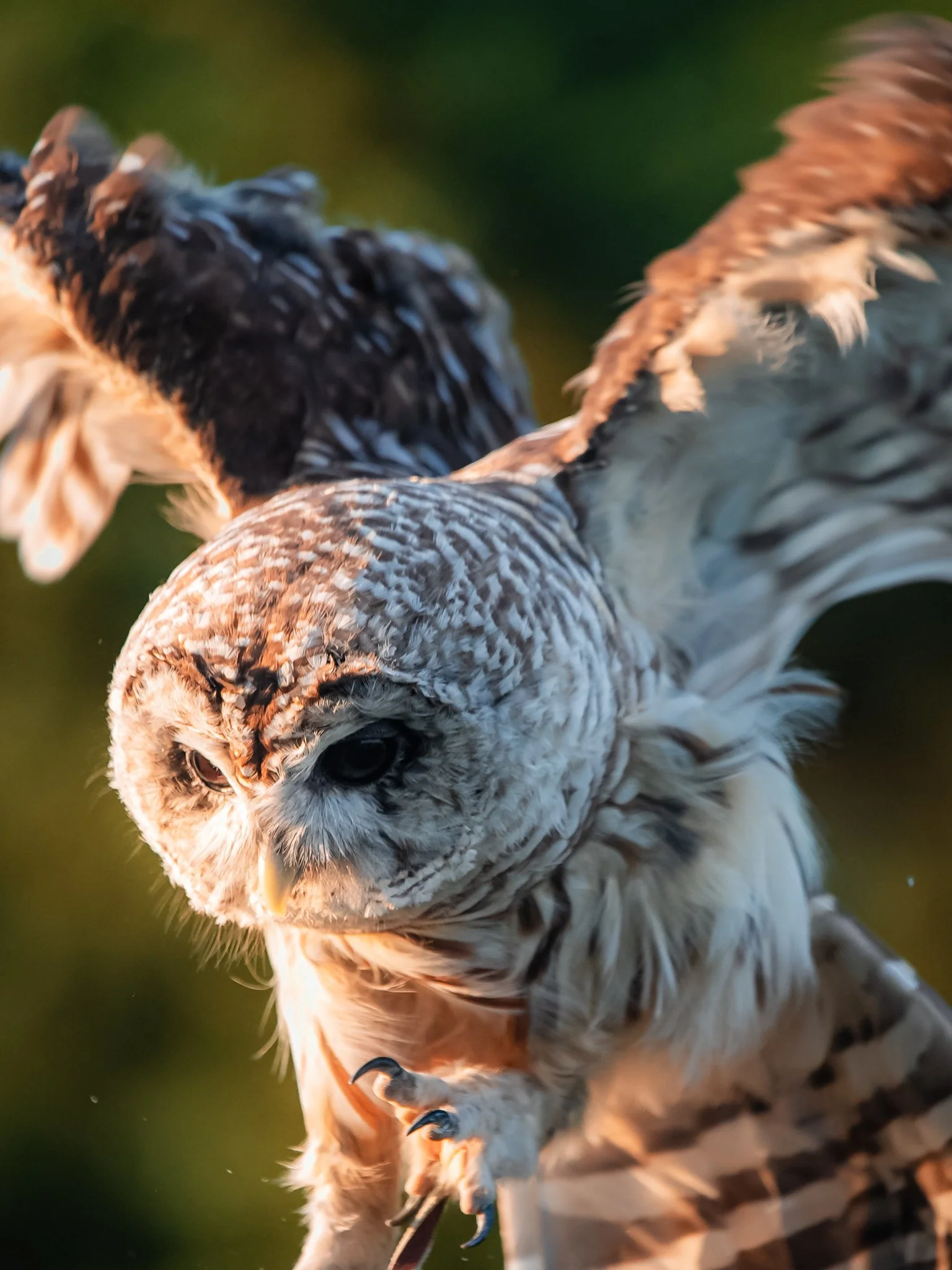
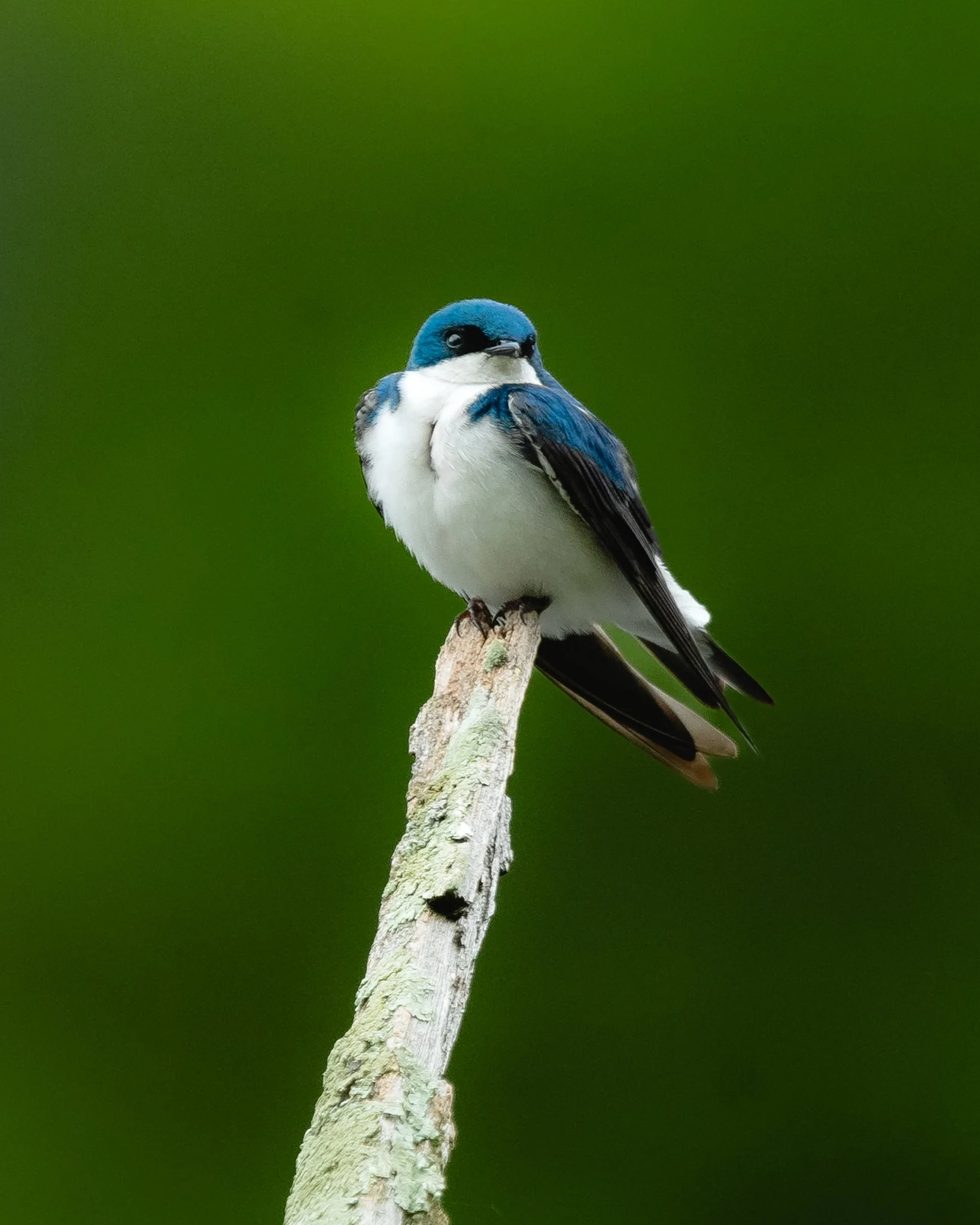
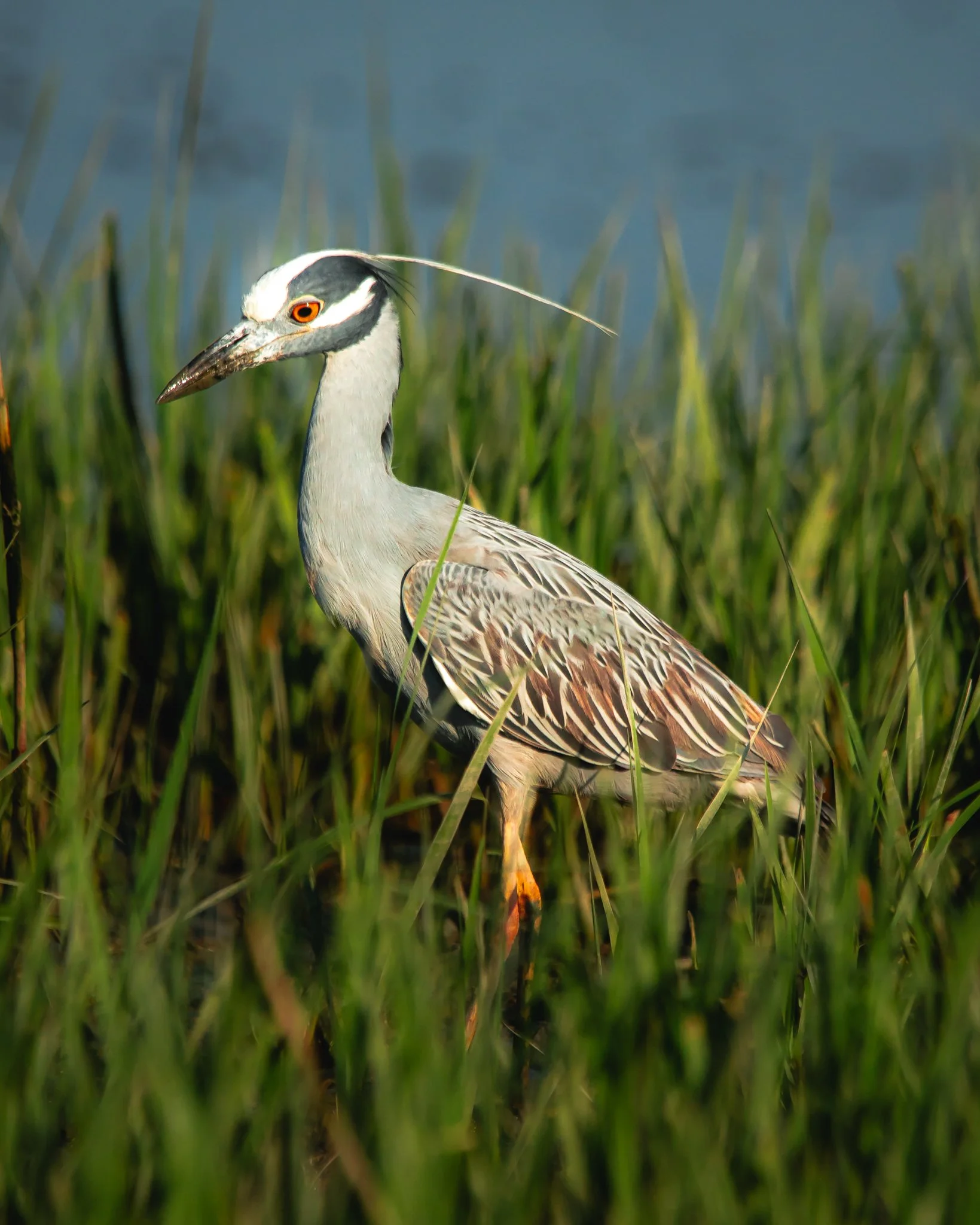
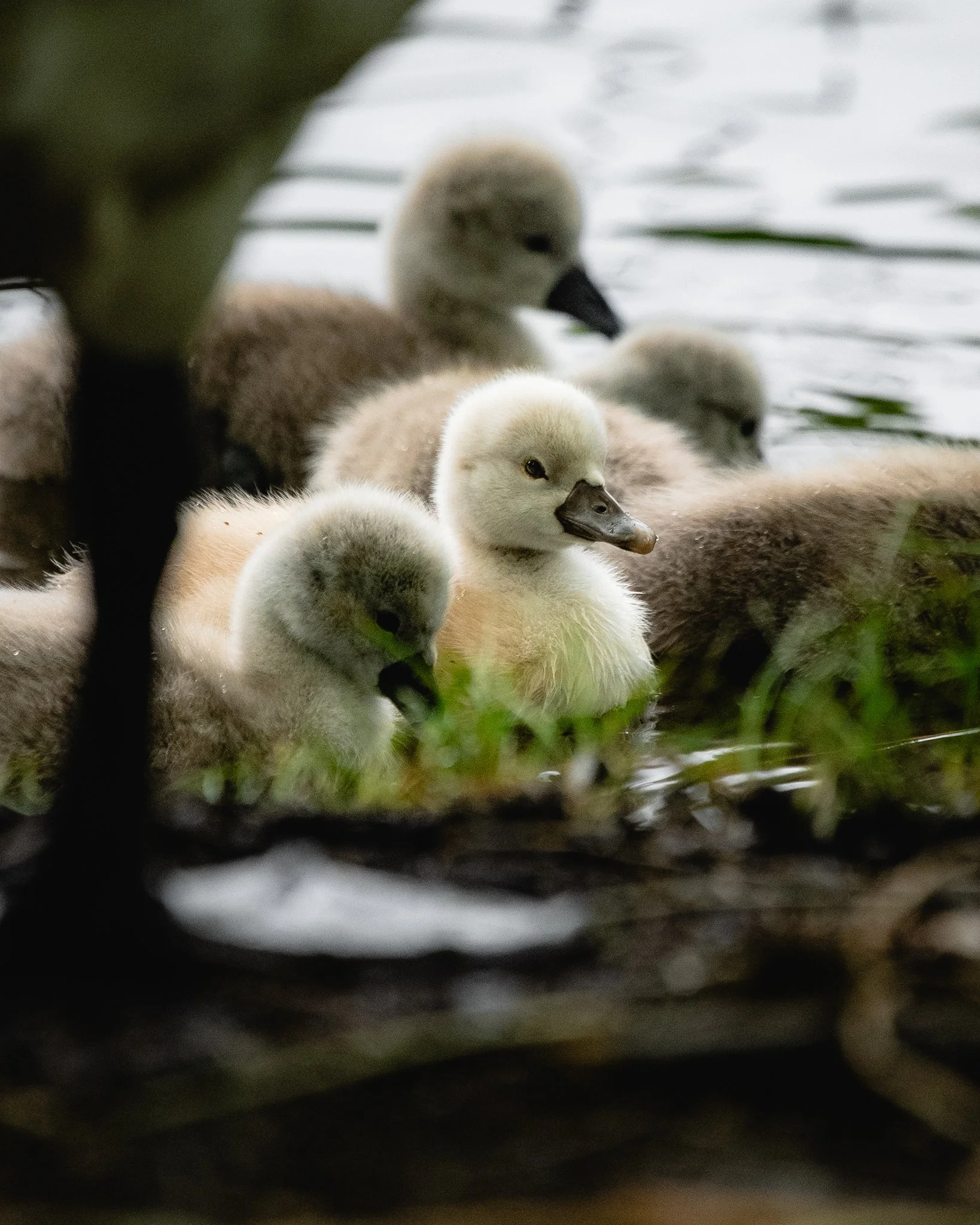
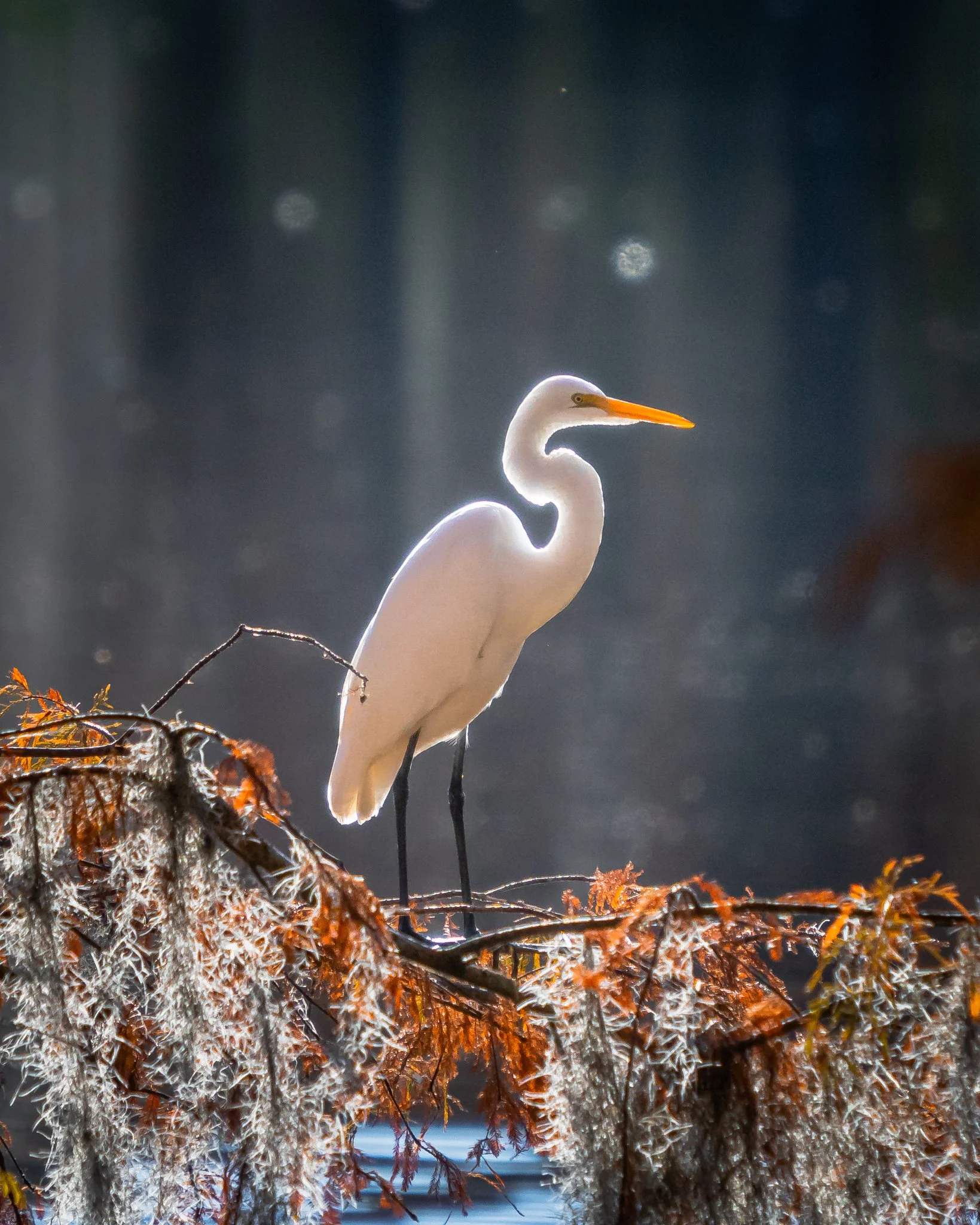
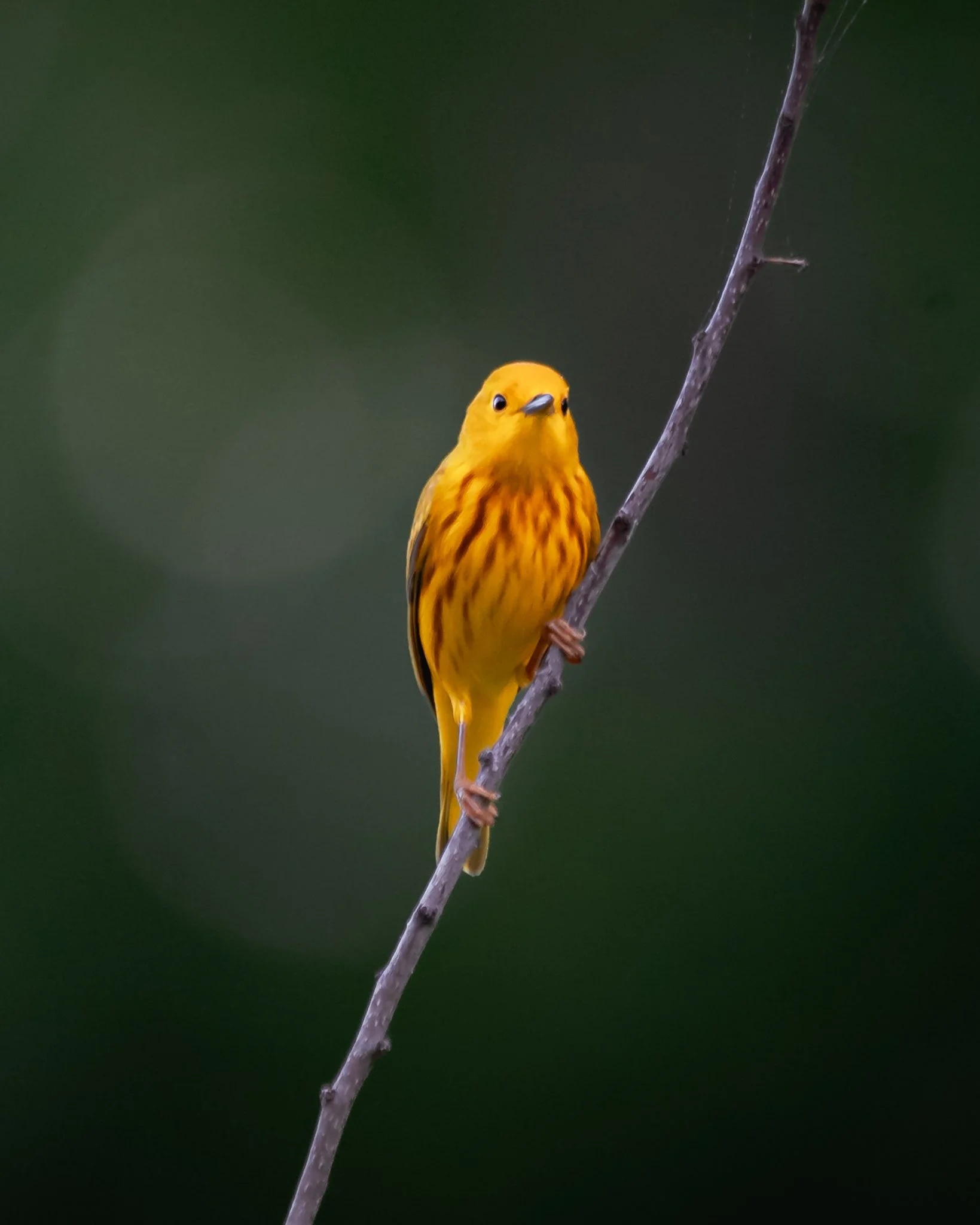
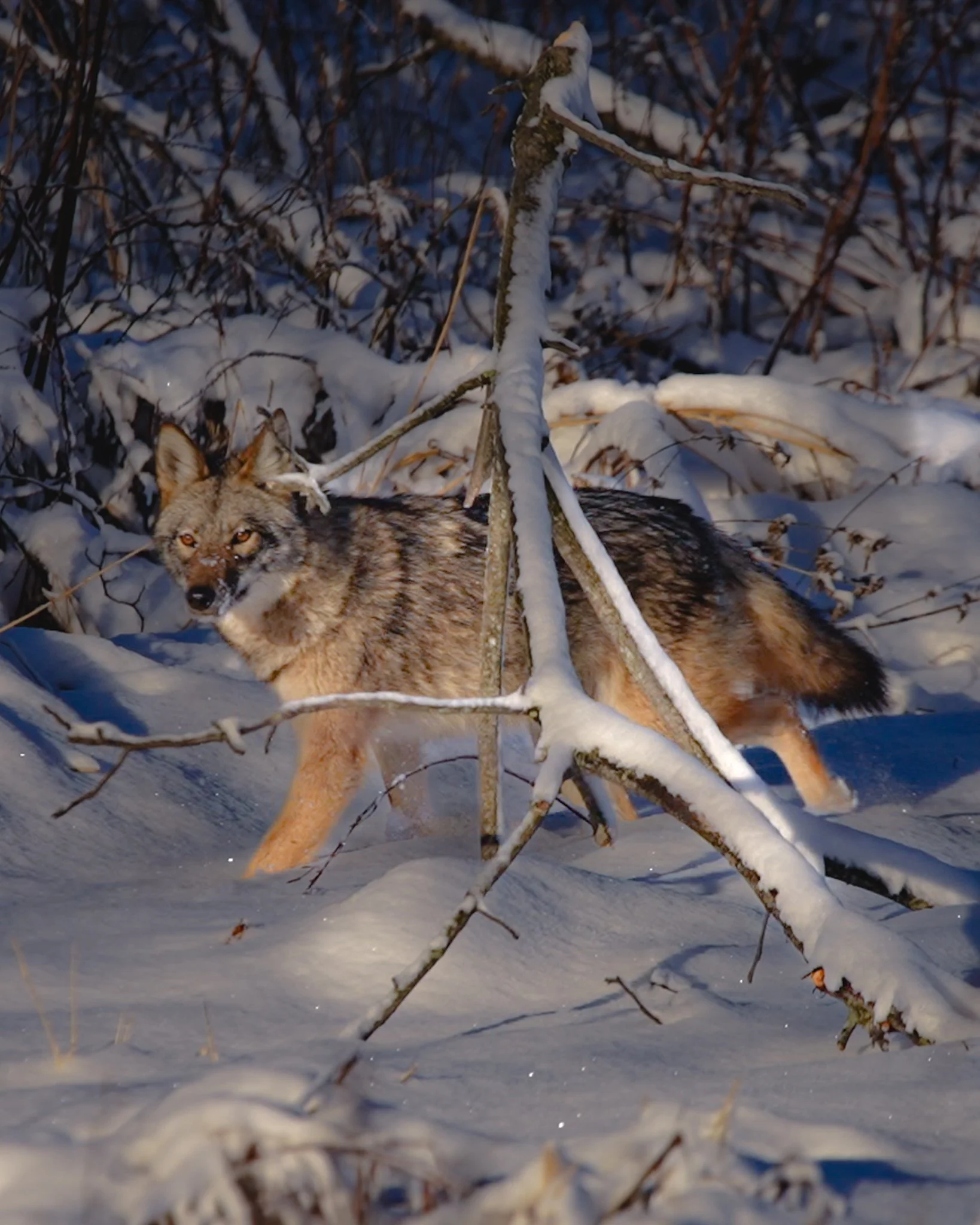
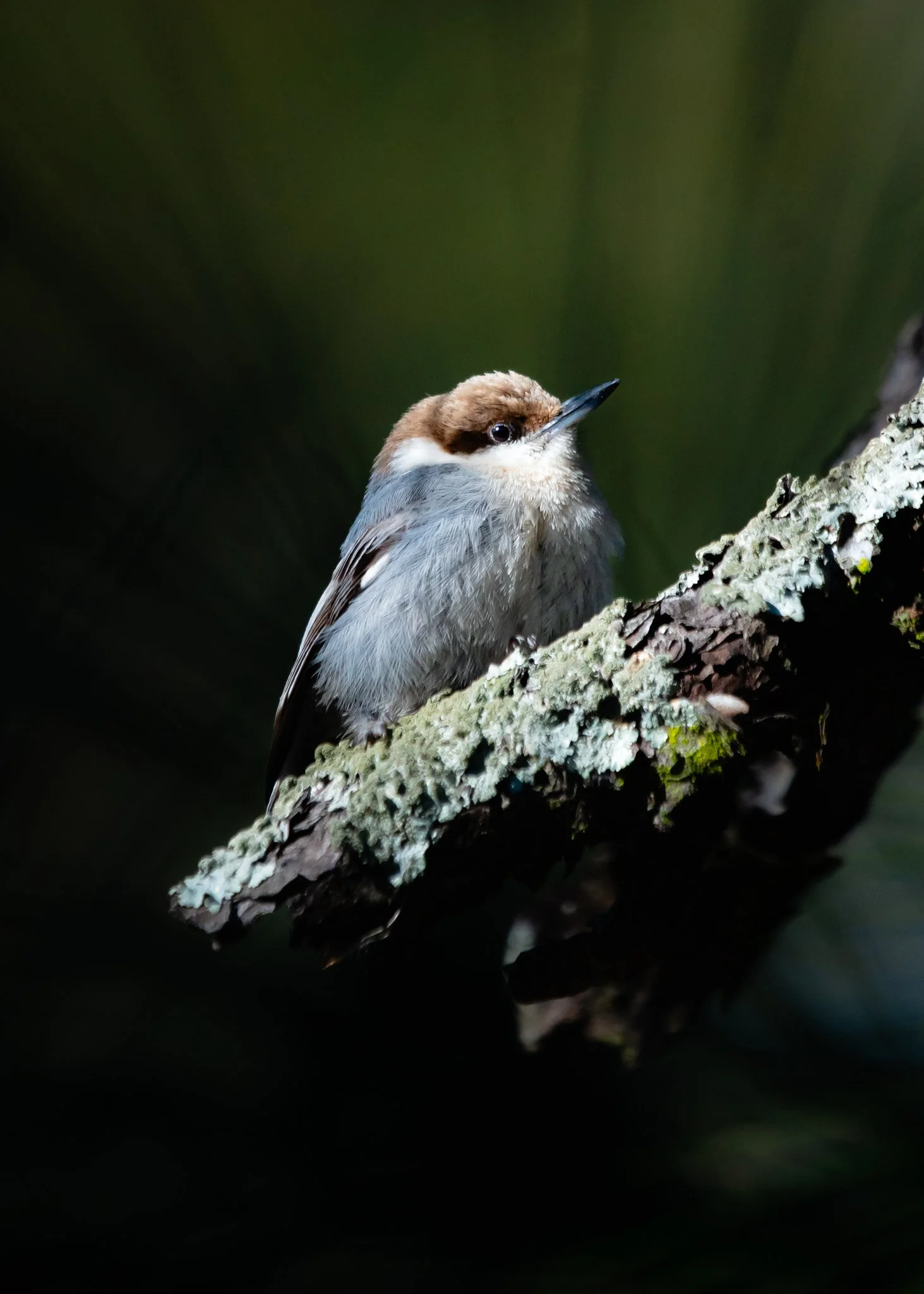
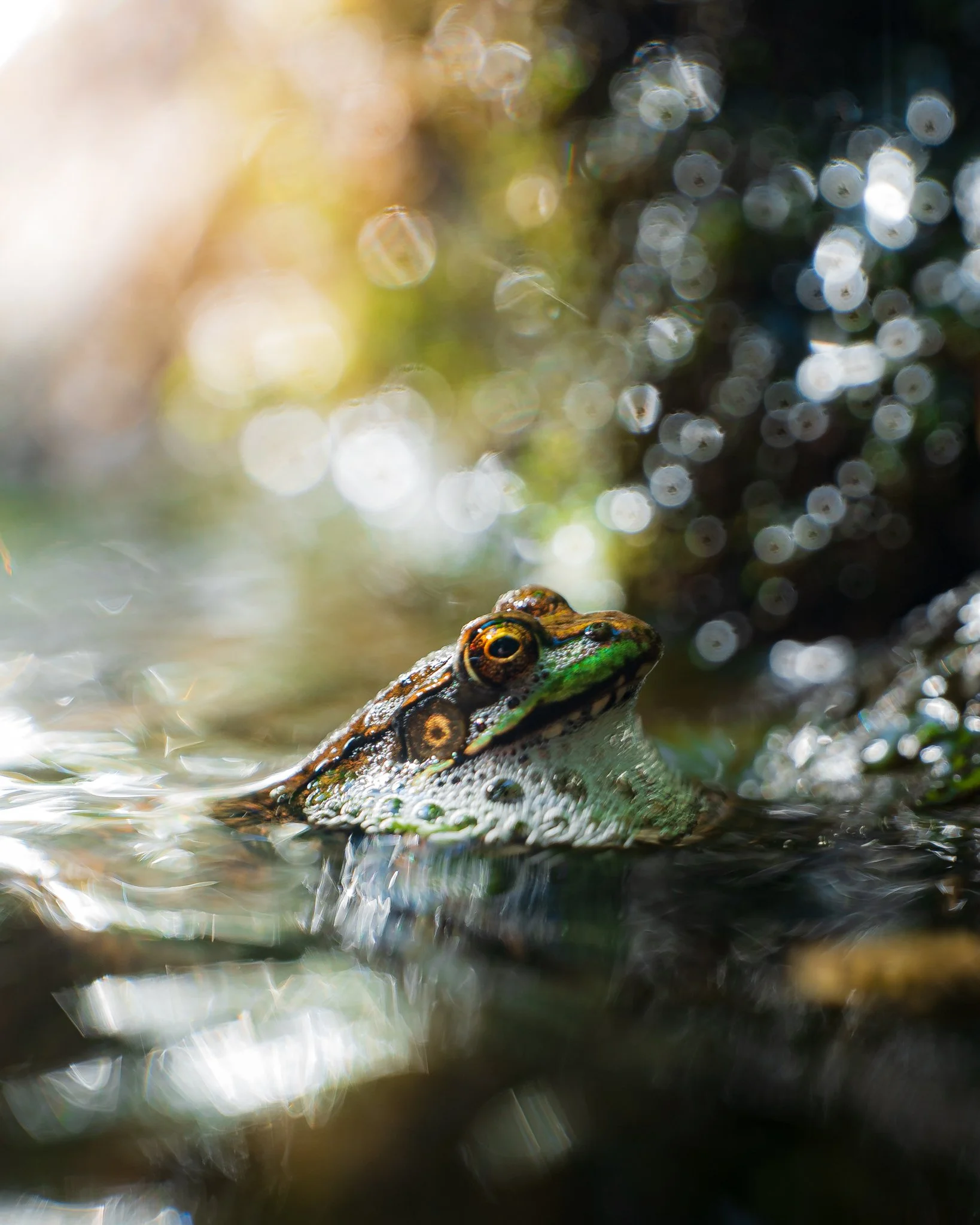
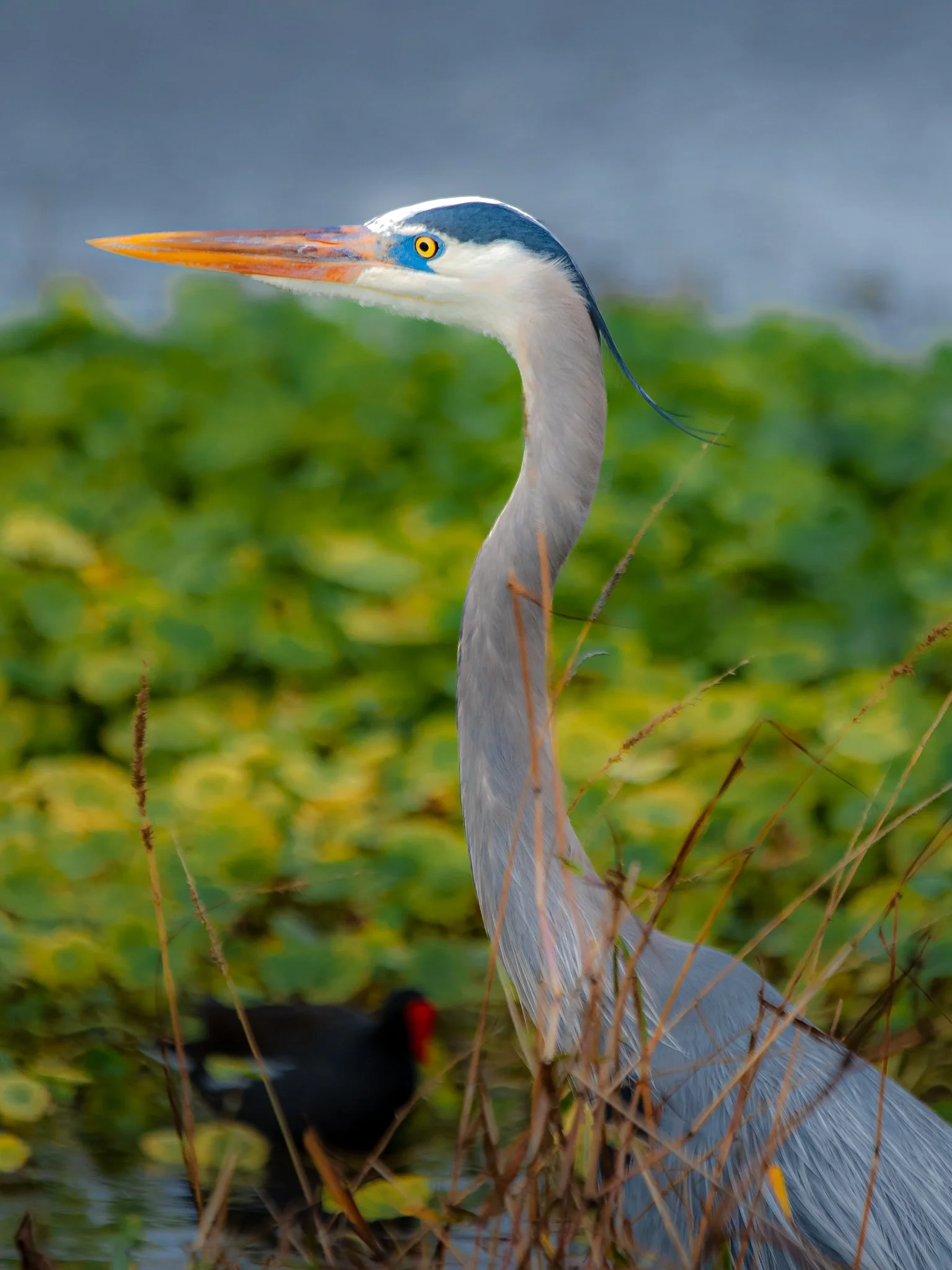
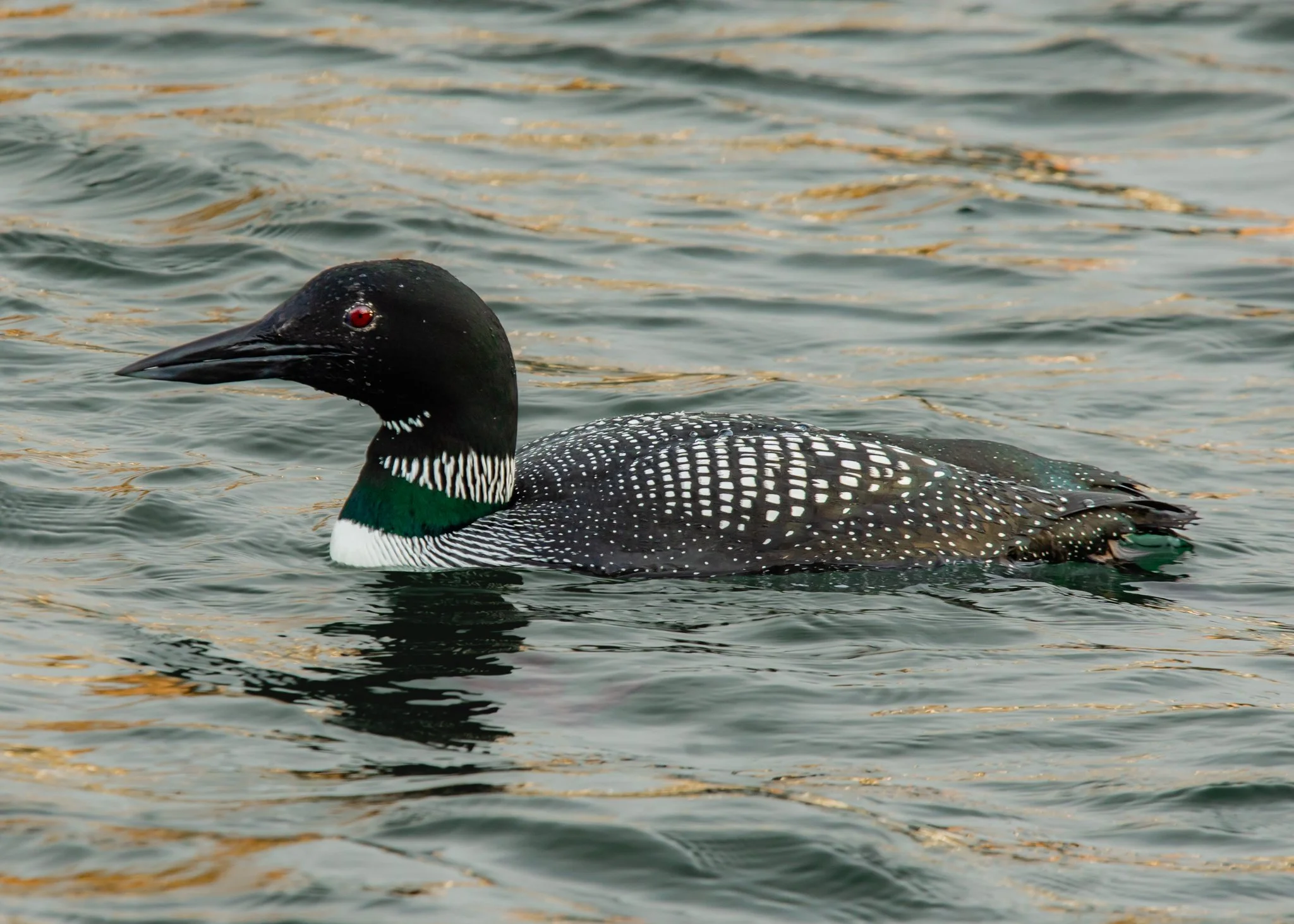
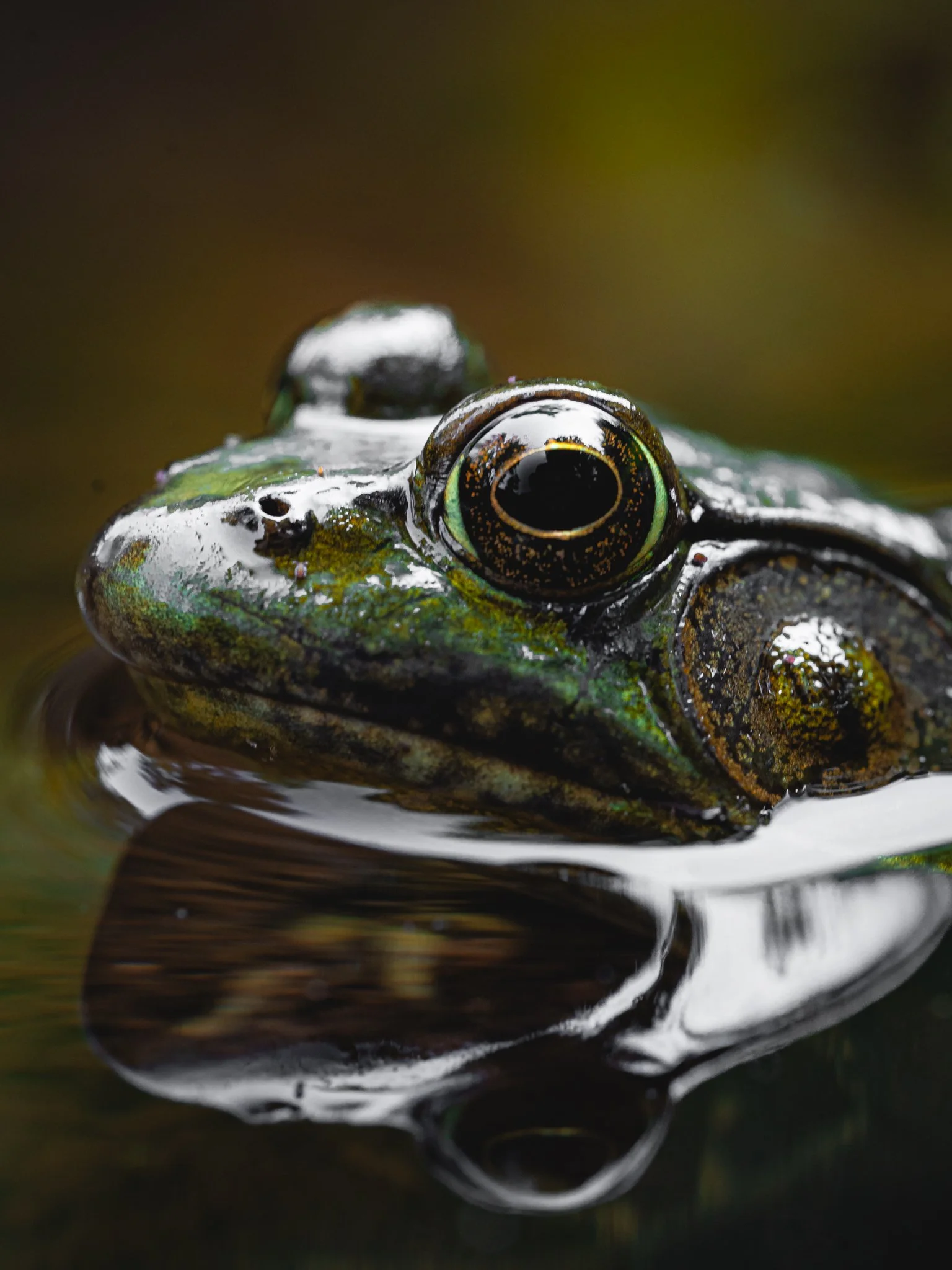
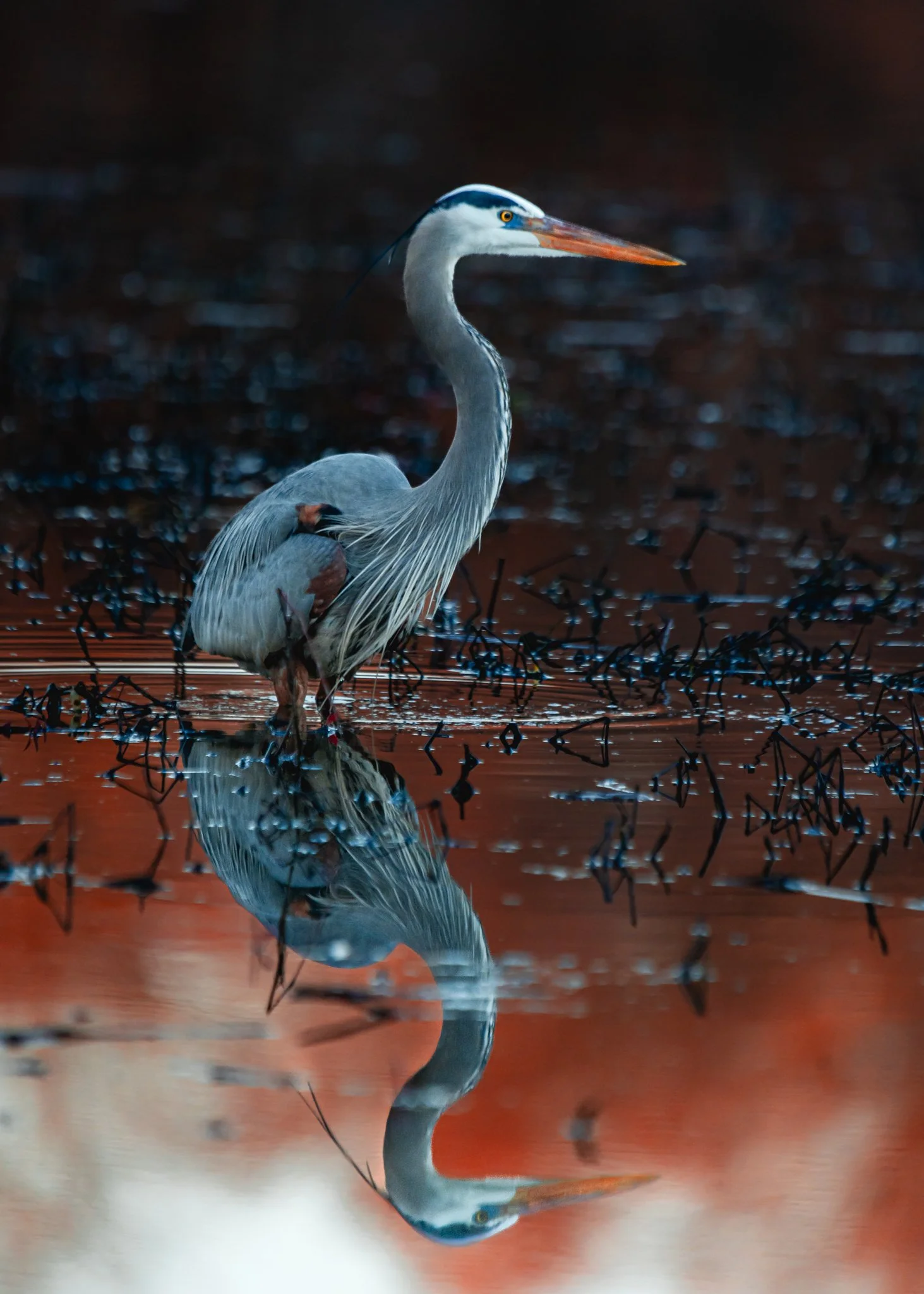
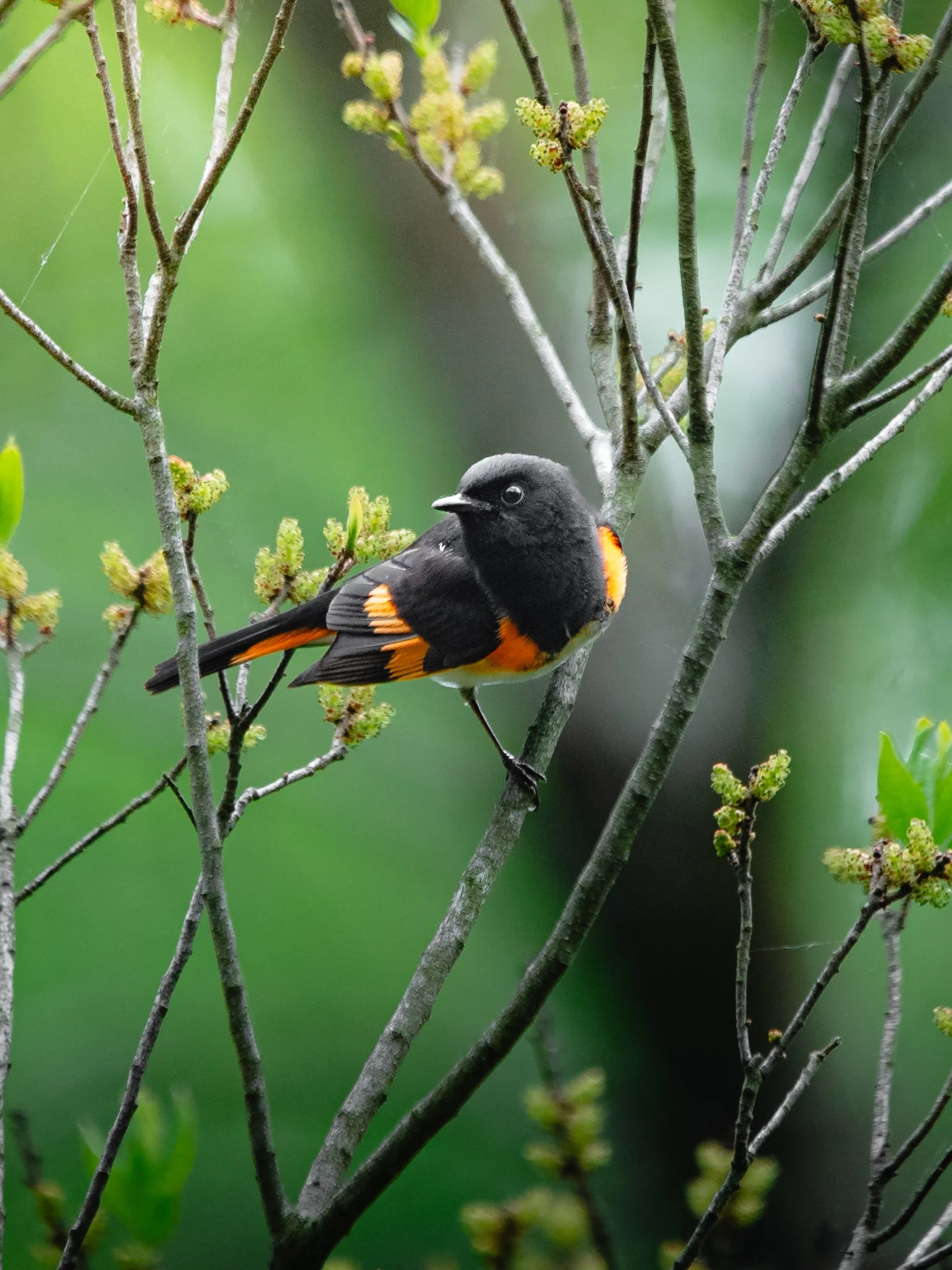
For me, wildlife photography begins with stillness, the act of slowing down long enough to notice the lives unfolding around us. These encounters, acts of communing with our neighbors, are brief, often quiet, and easily overlooked. Photography offers a way to hold onto them: to observe, remember, and bear witness to a world that is increasingly vulnerable to climate catastrophe, pollution, and so-called development.
At its best, wildlife photography is more than an act of observation, it’s an act of conservation. What we choose to photograph tells intimate stories about who we are and what we value.
Throughout the evolution of the discipline of natural history, wildlife art has helped us encounter species we might otherwise never see, transforming distant or unfamiliar forms of life into objects of curiosity, wonder, study, and care. Today, as global temperatures rise, habitats are destroyed, and species face unprecedented pressures and extinction, the photograph can serve not only as a document of what exists, but as a record reminding us of what is at stake.
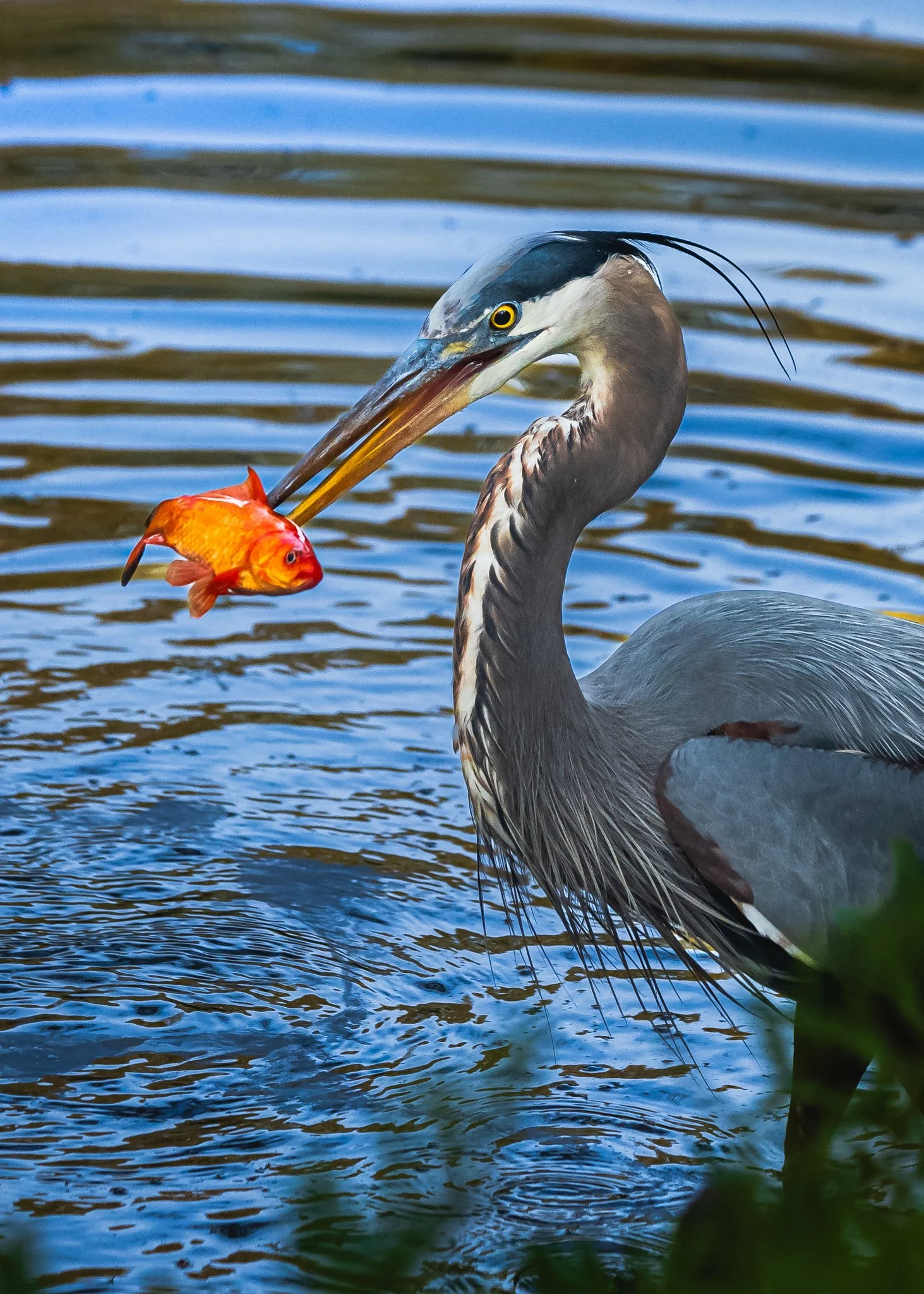
My approach to wildlife photography is grounded in my intellectual background as an environmental philosopher, ethicist, and scholar of religion. I photograph animals not simply to capture their appearance, but to document behavior, ecological relationships, and the environments upon which their lives depend. The camera gives me a method to observe and understand individual animal neighbors as integral parts of a vast and finite ecological system that we all share.
This way of seeing connects my wildlife work to a broader investigation into the history of nature, its artistic and scientific representation, and its relationship to the “human”. From the nineteenth-century natural history illustrations and collections that sought to classify and make meaning out of the natural world, to the awe-inspiring paintings of Hudson River School artists like Thomas Cole, Frederic Edwin Church, and Martin Johnson Heade, art has deeply influenced how we understand our relationship to nature. Their work emerged from a violent history of colonial domination, capitalism, racism, exploration, collecting, science, and technological reproduction that we are still grappling with. At the same time, these figures also help to cultivate ideas about beauty, wilderness, stewardship, and environmental justice.
My wildlife photography practice is in conversation with these ongoing legacies through contemporary imaging by asking what has changed — and questioning what hasn't. How do imaging technologies bring to light new ways of seeing, and what do they overshadow and obscure? In an age of habitat loss and climate catastrophe, can new forms of seeing help create a deeper sense of ecological connection and moral responsibility?
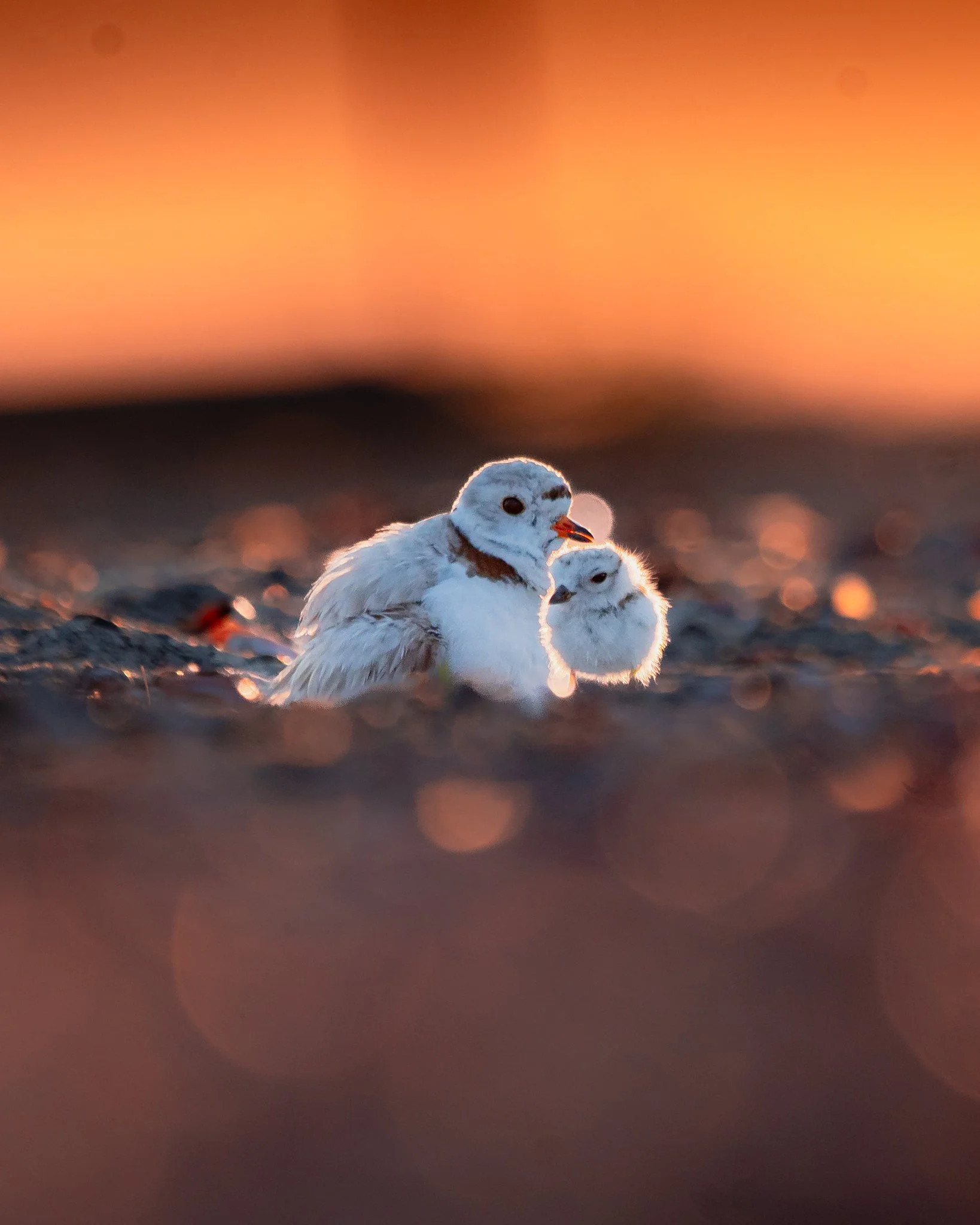
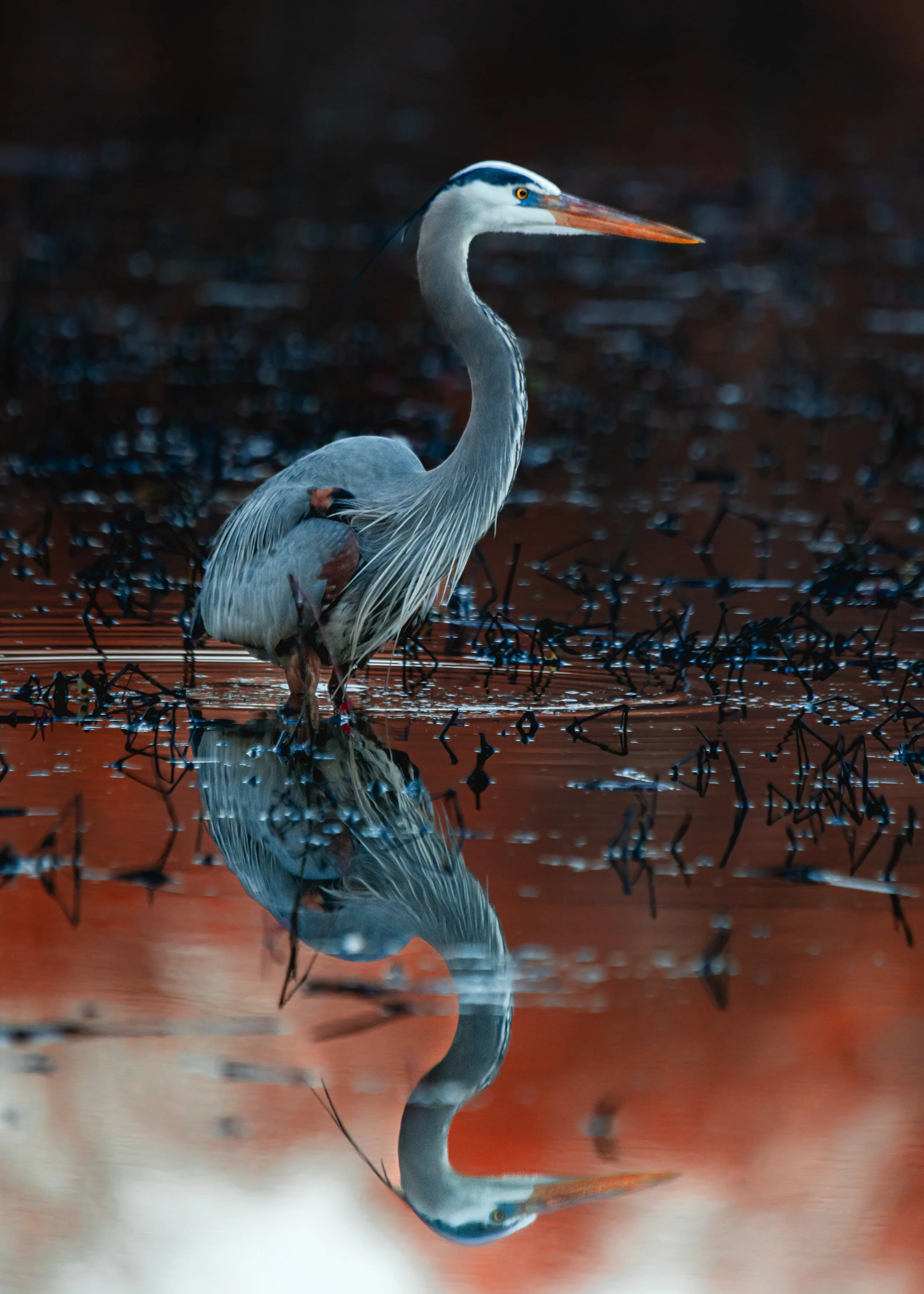
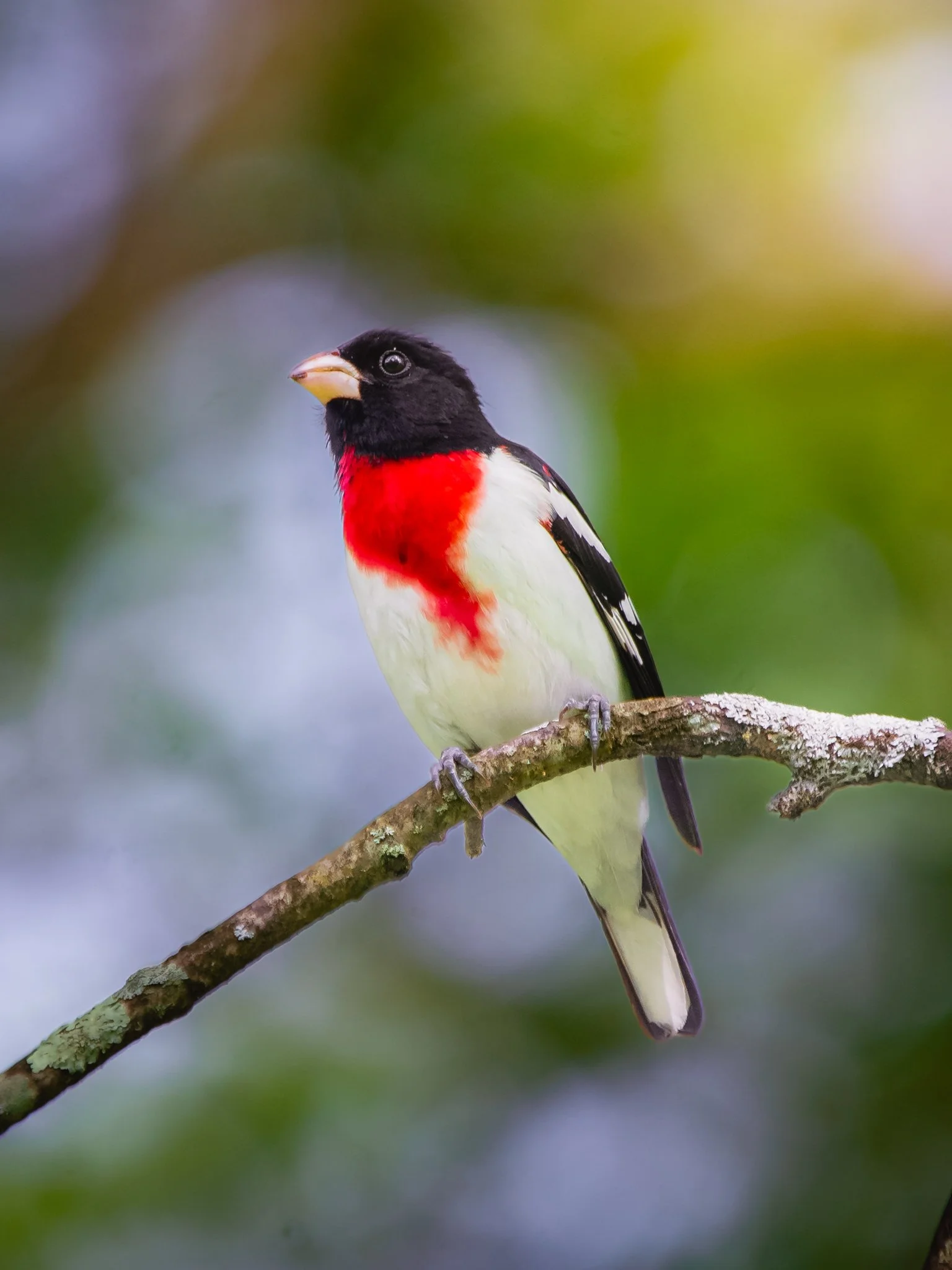
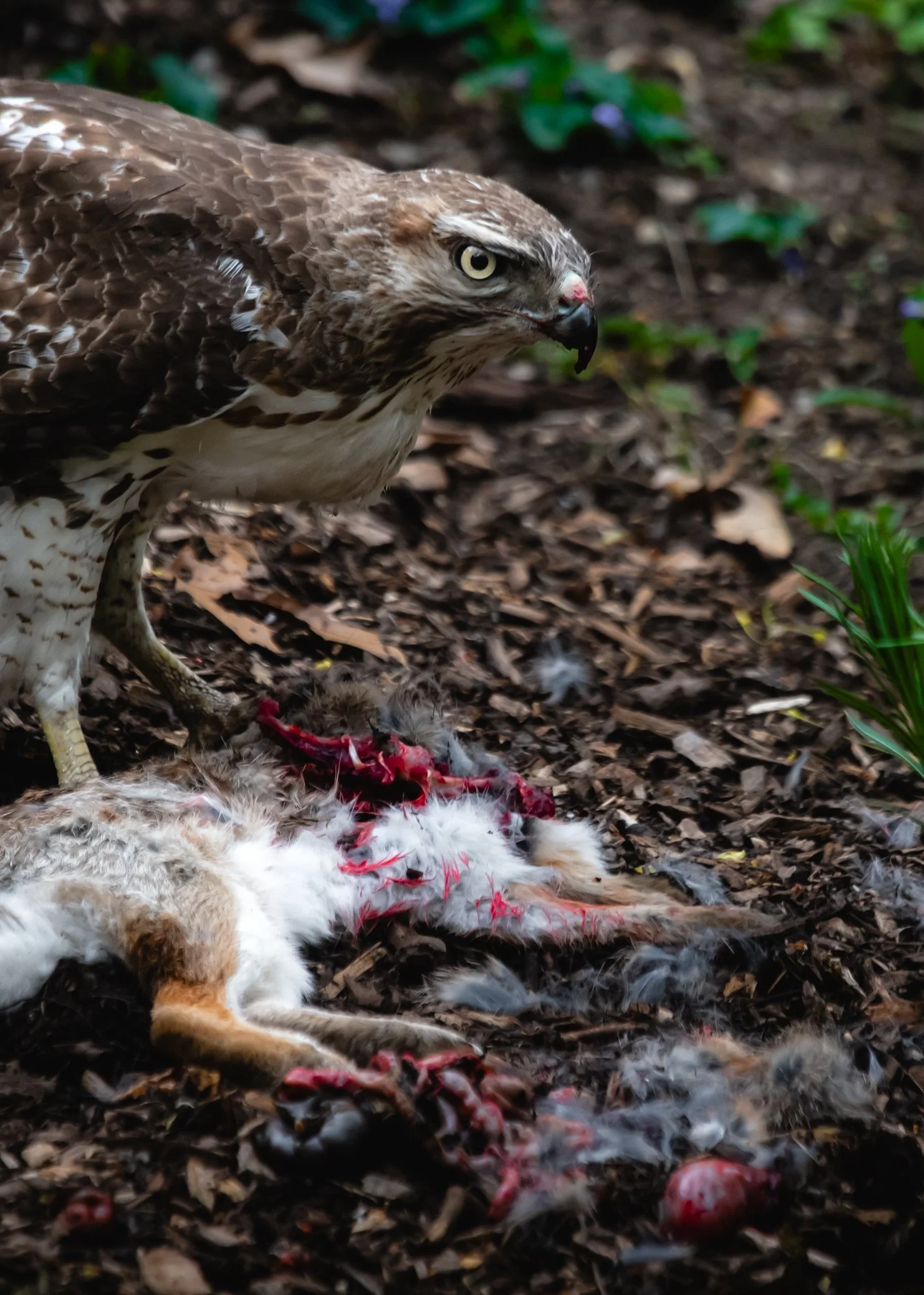
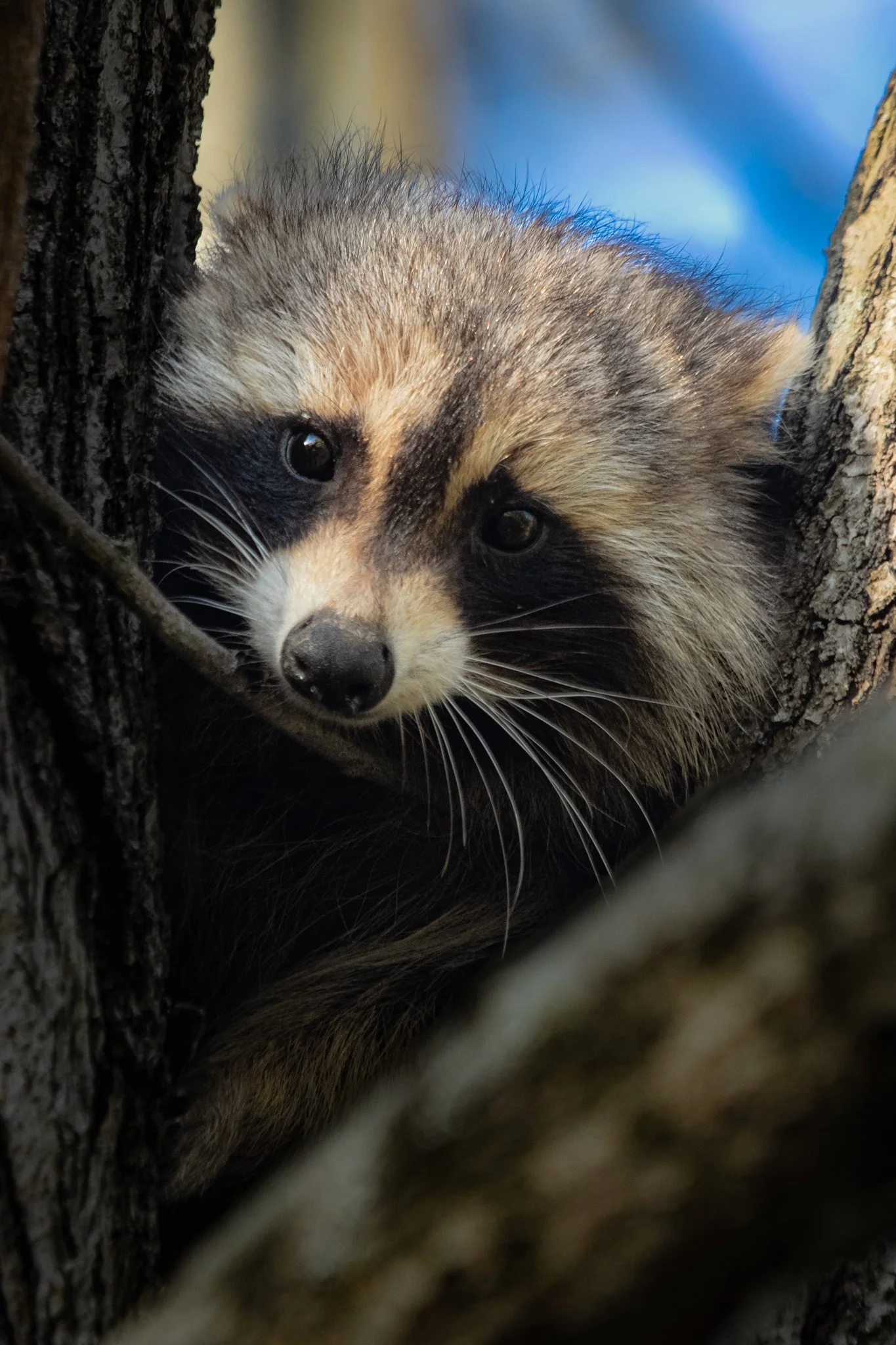
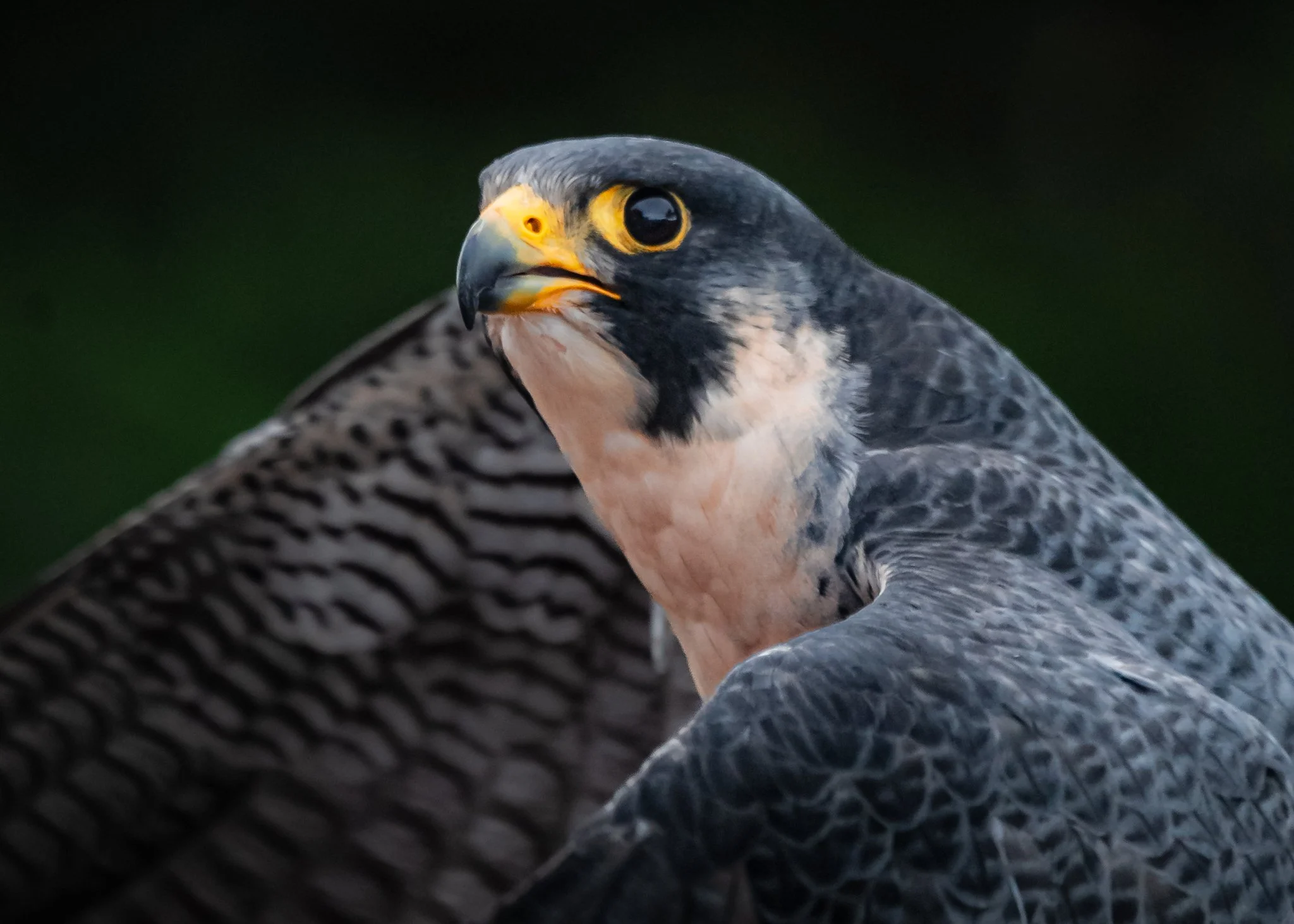
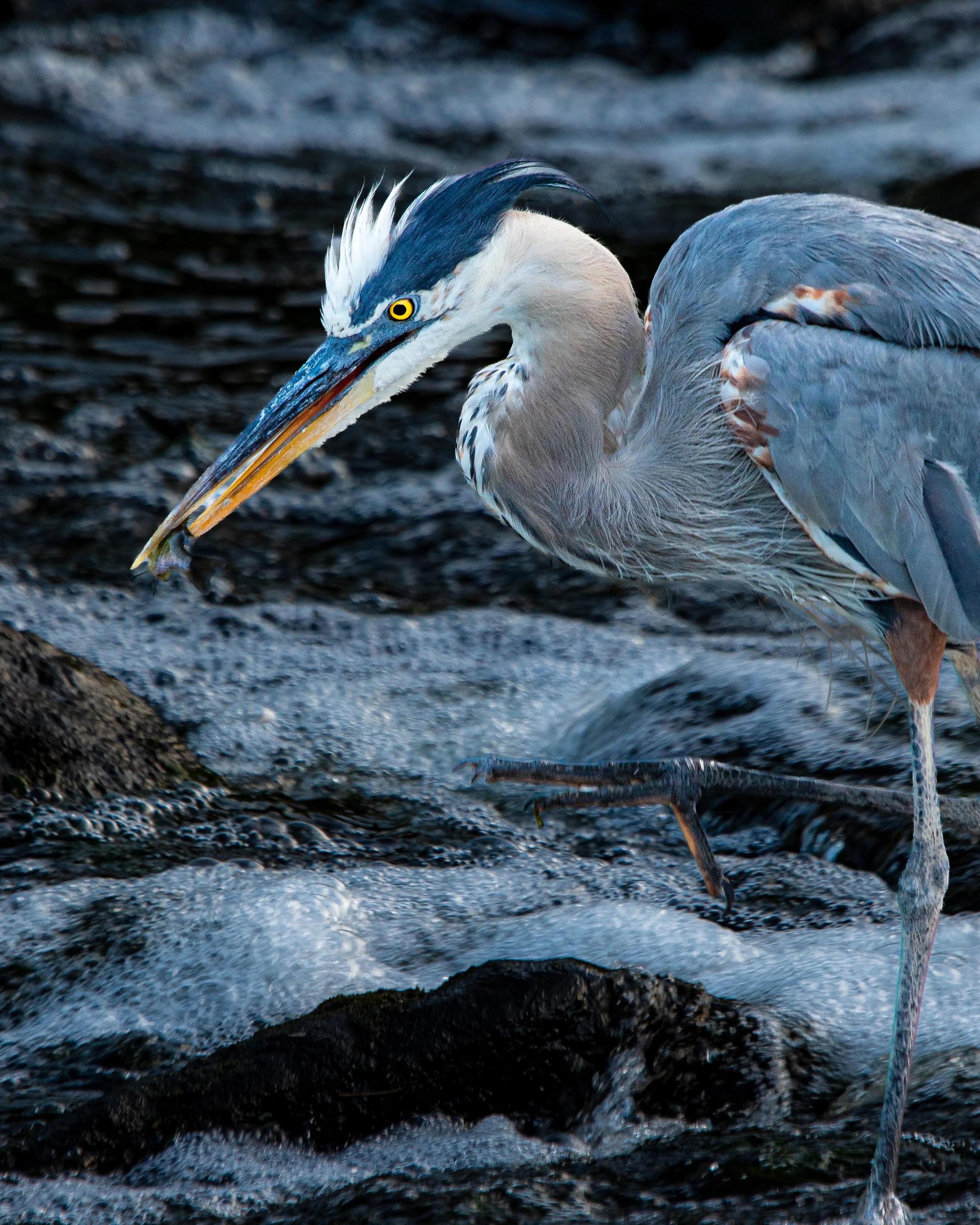
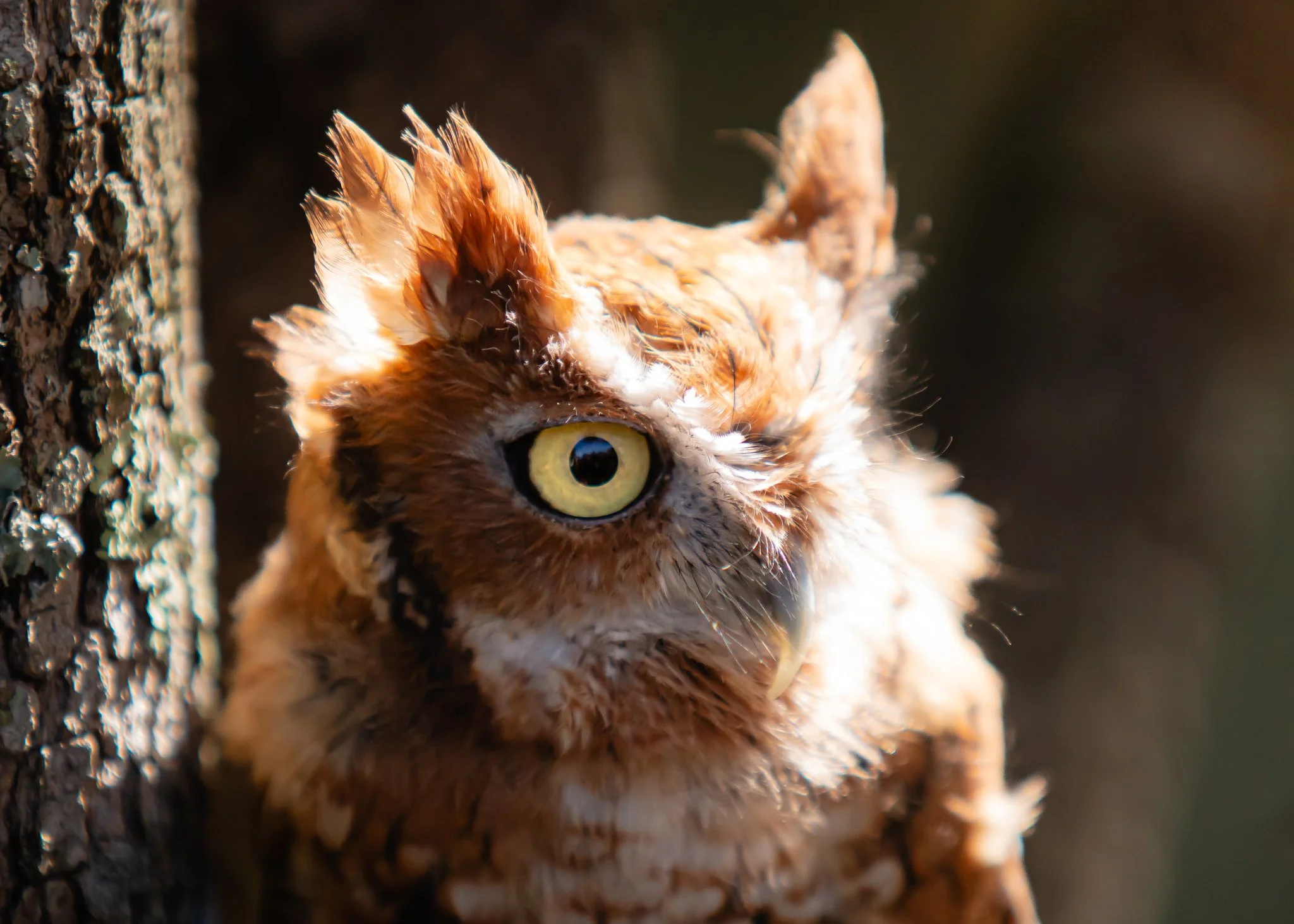
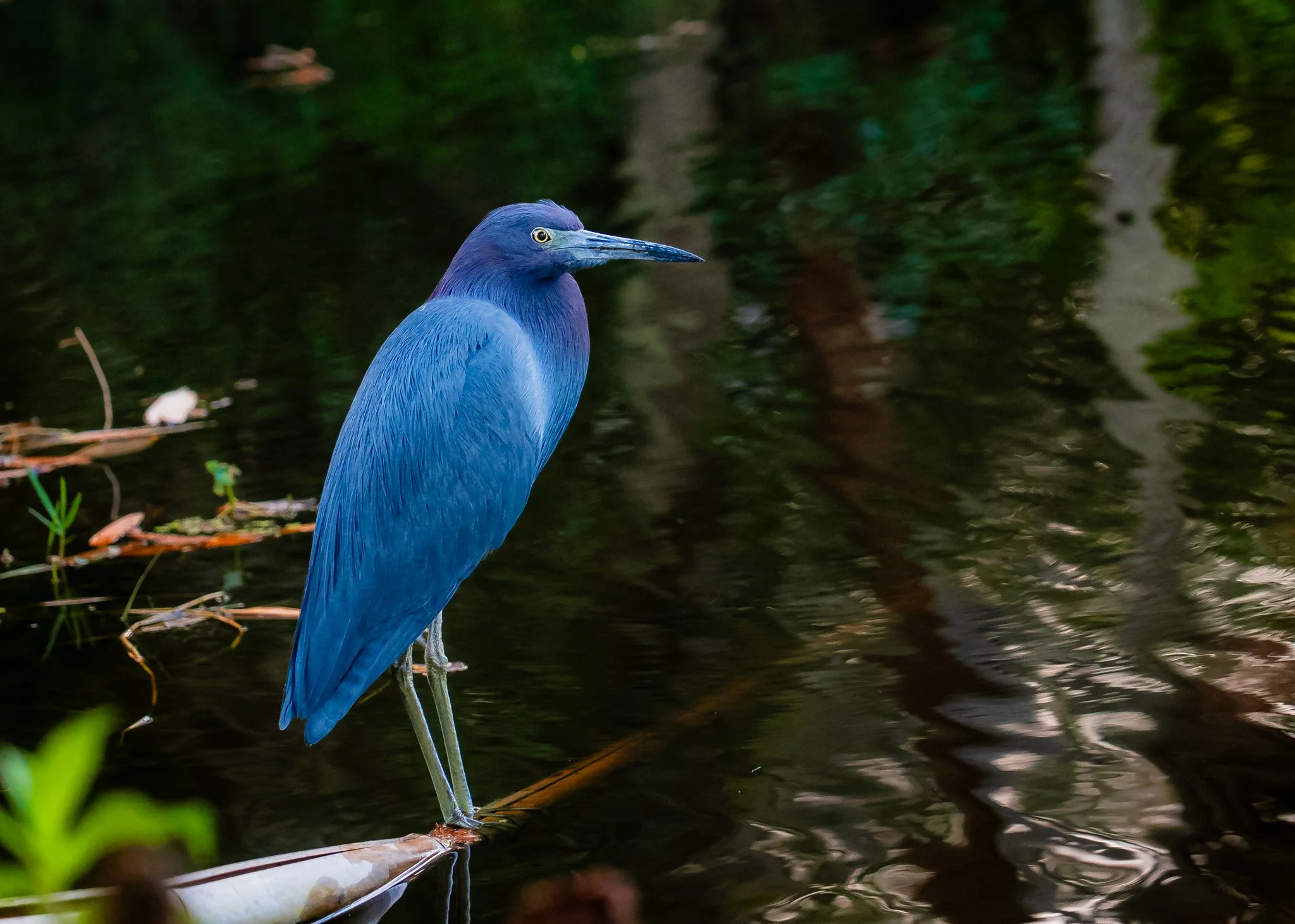
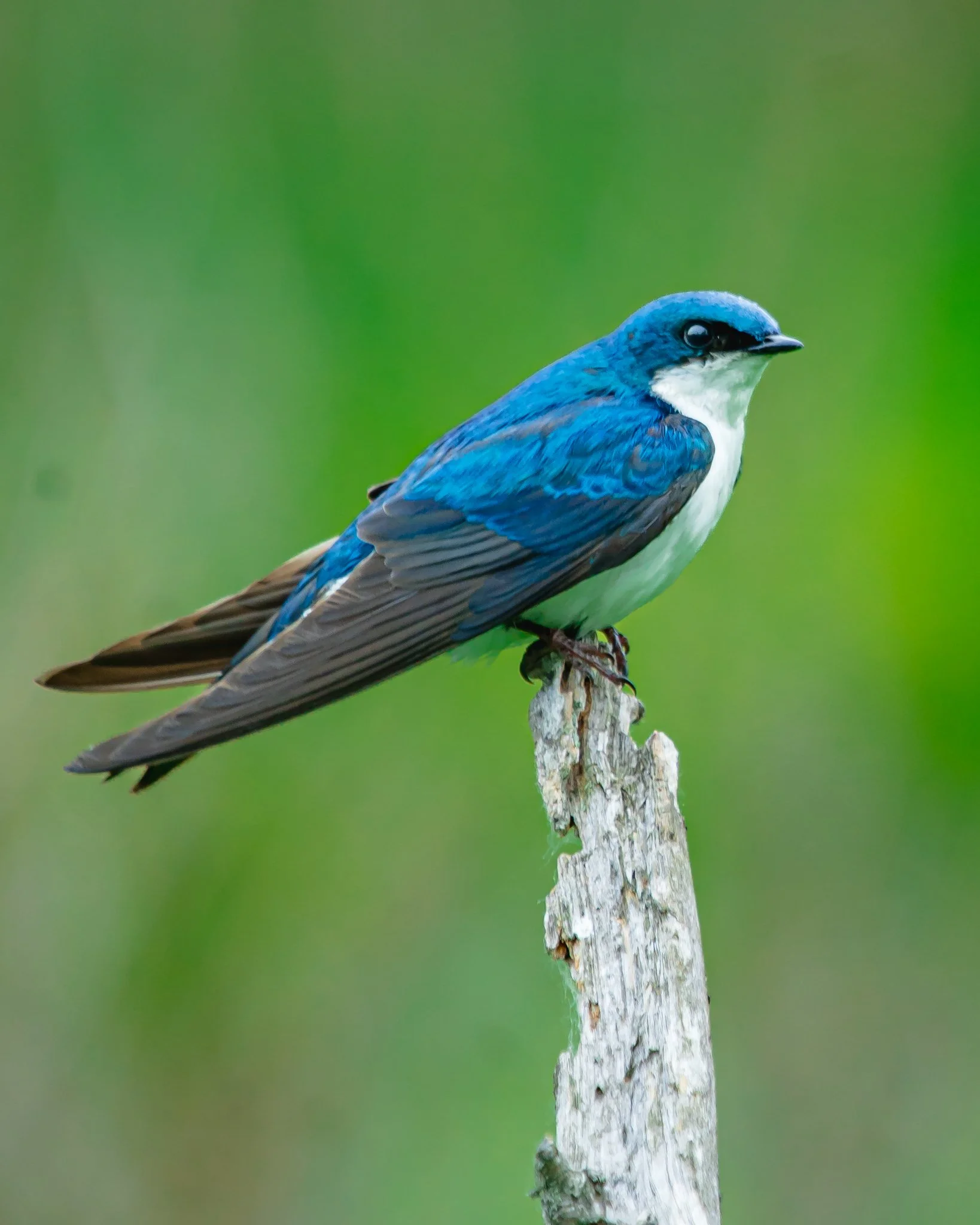
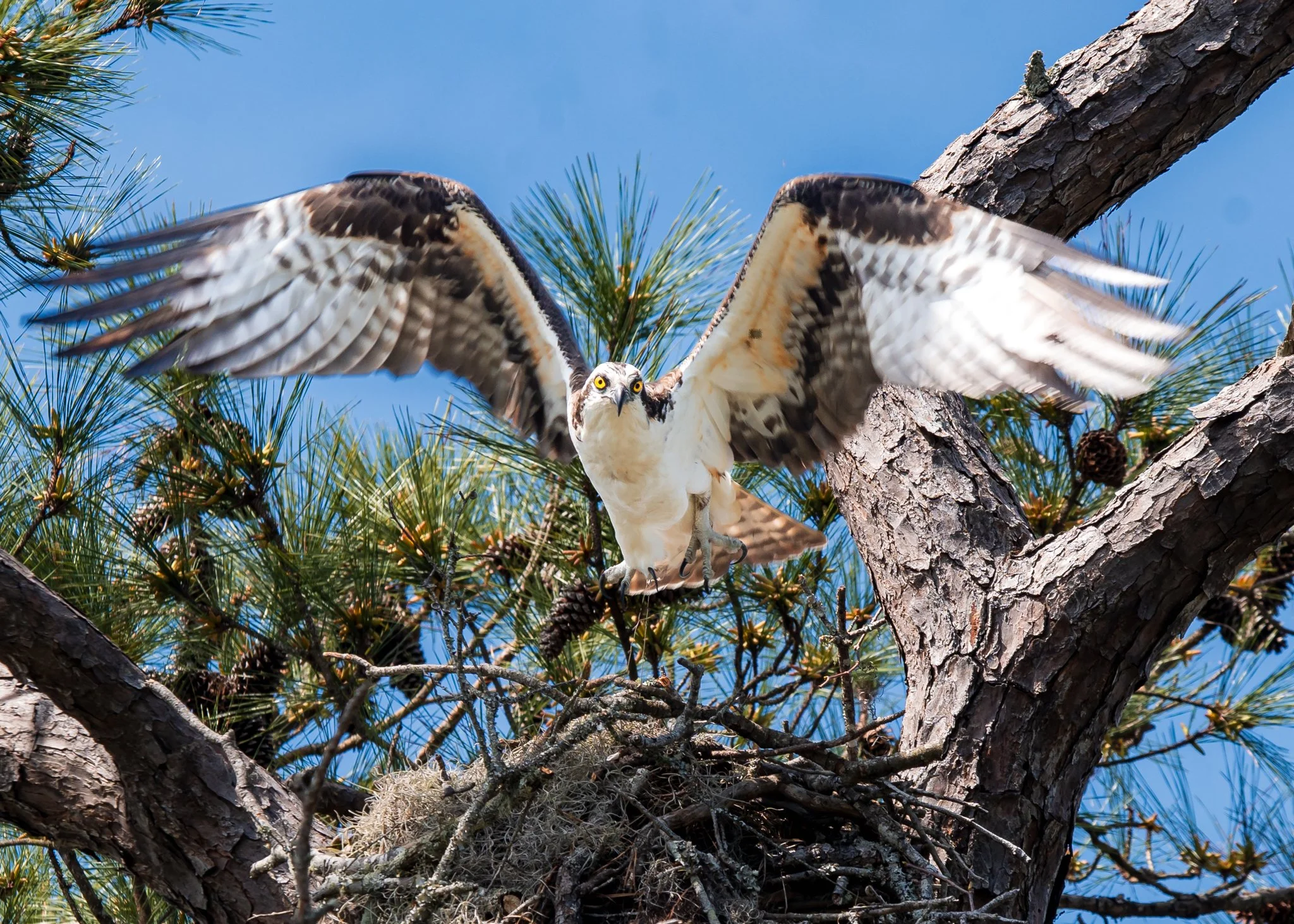
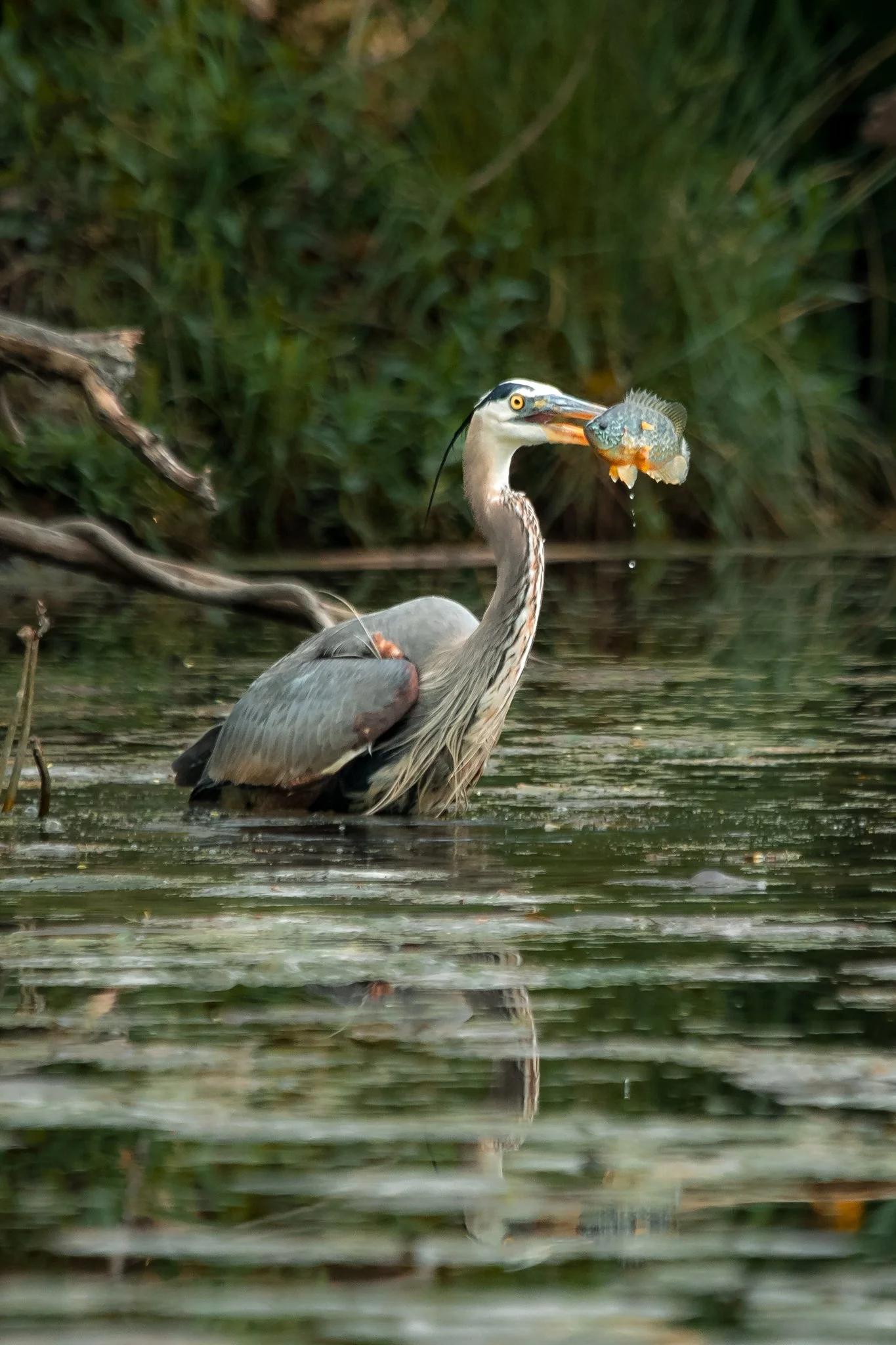
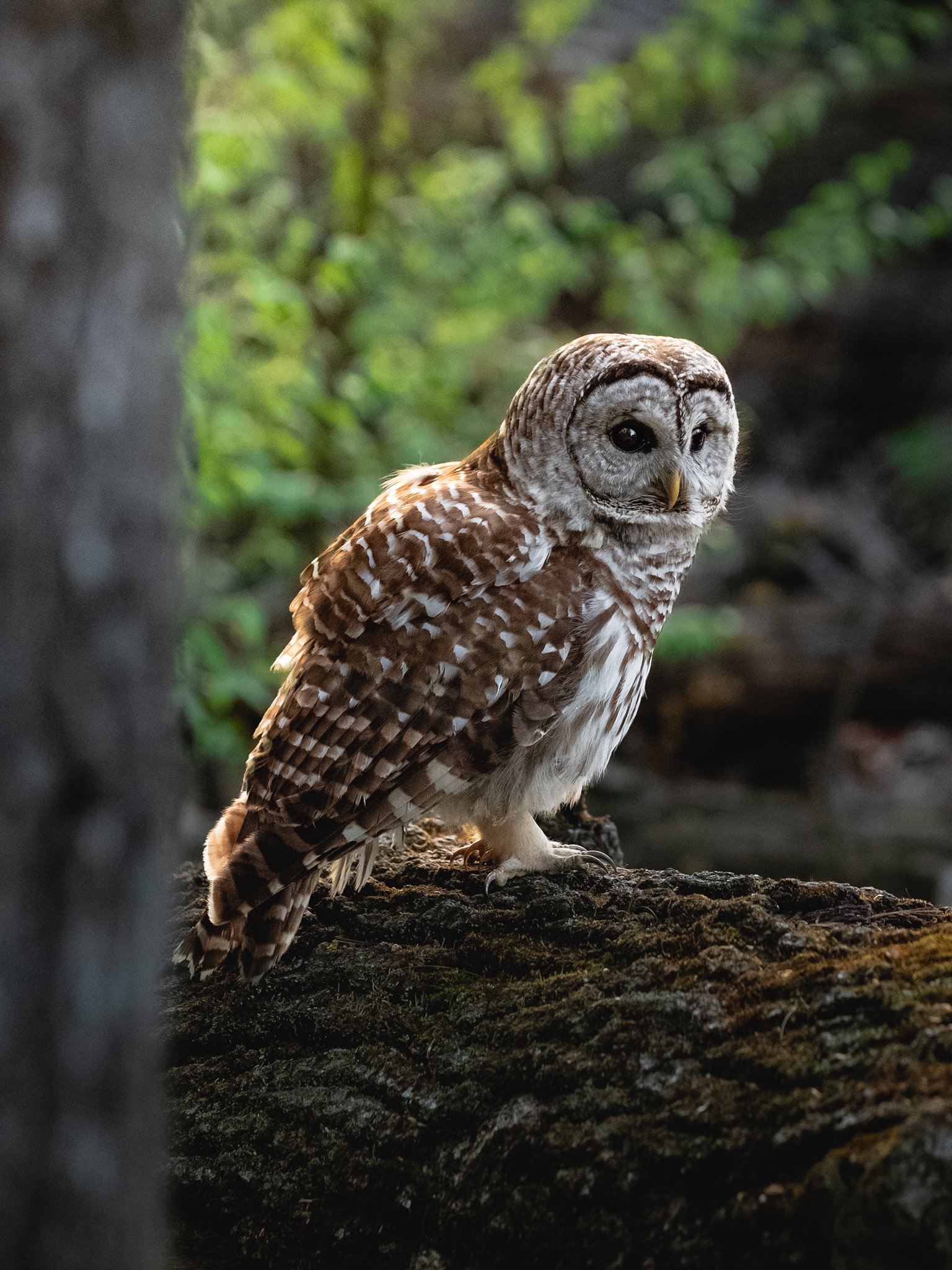
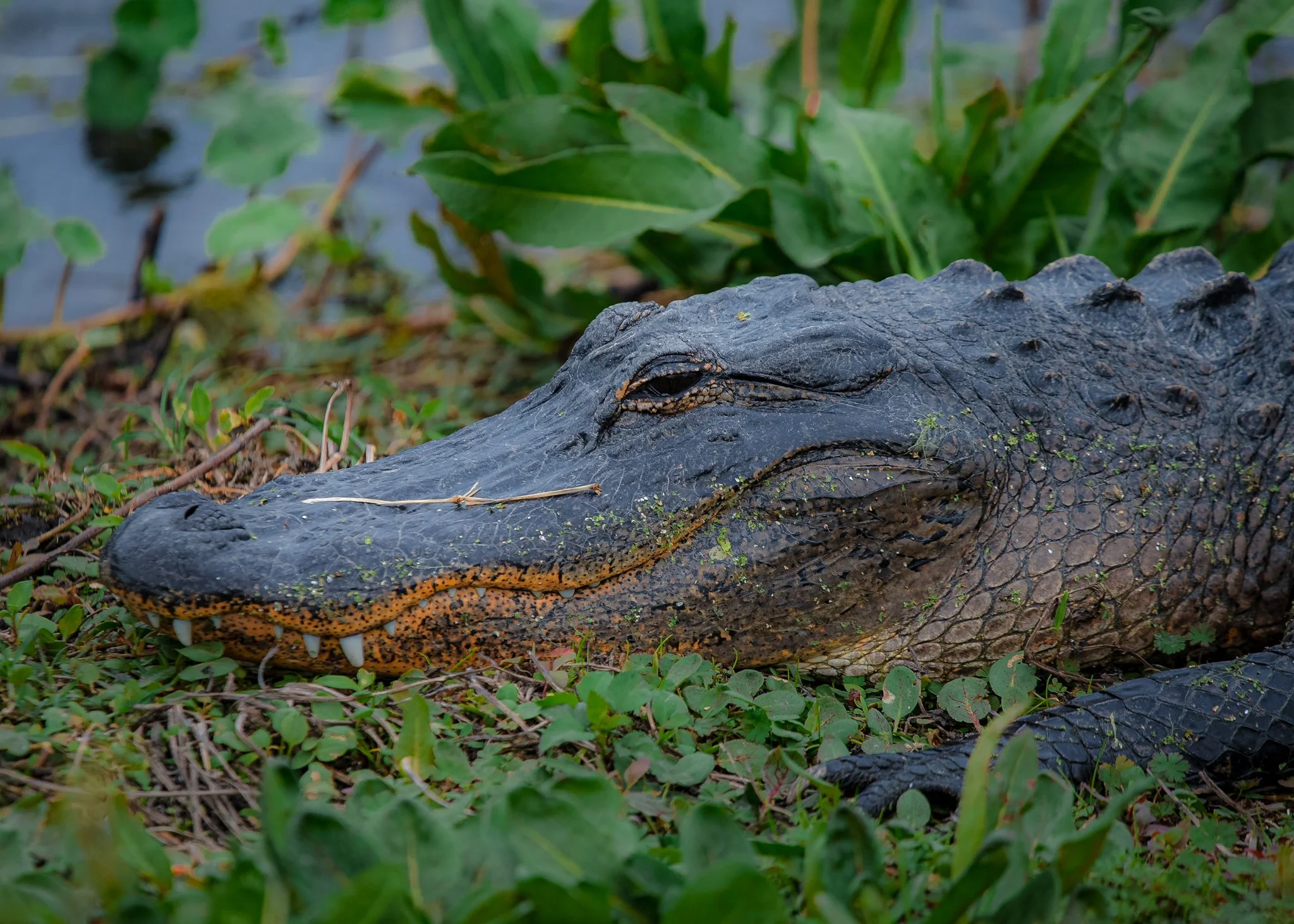
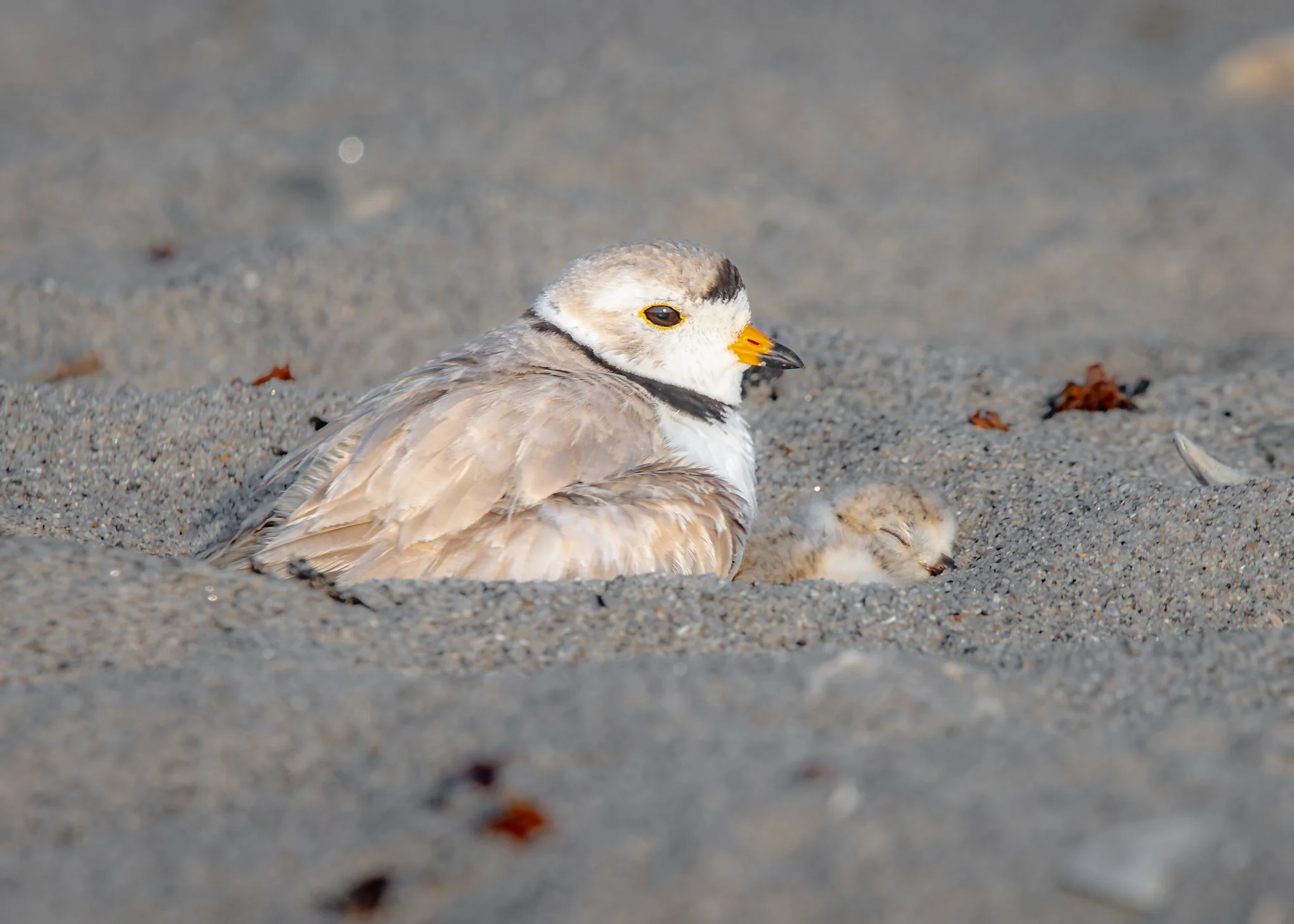
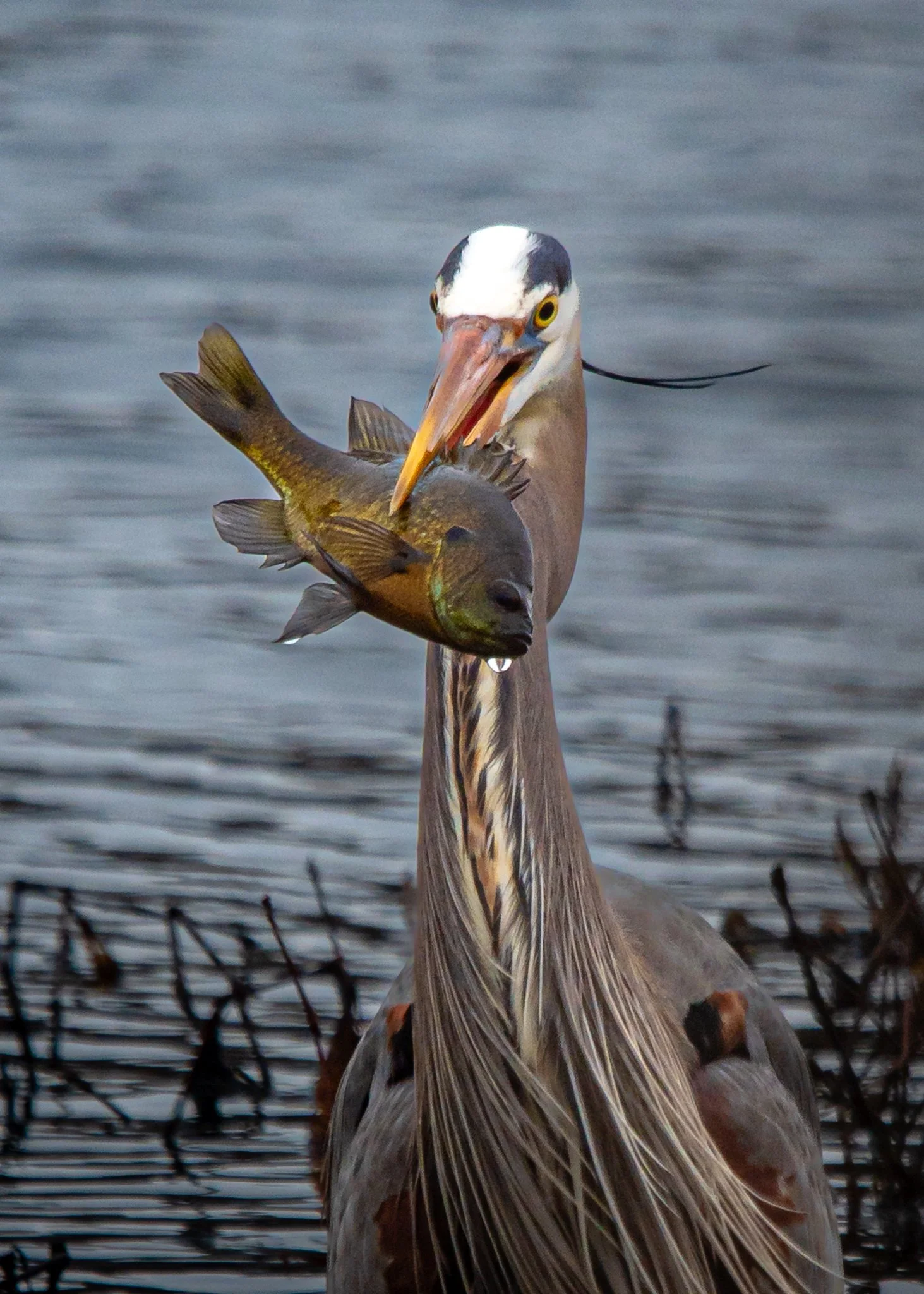
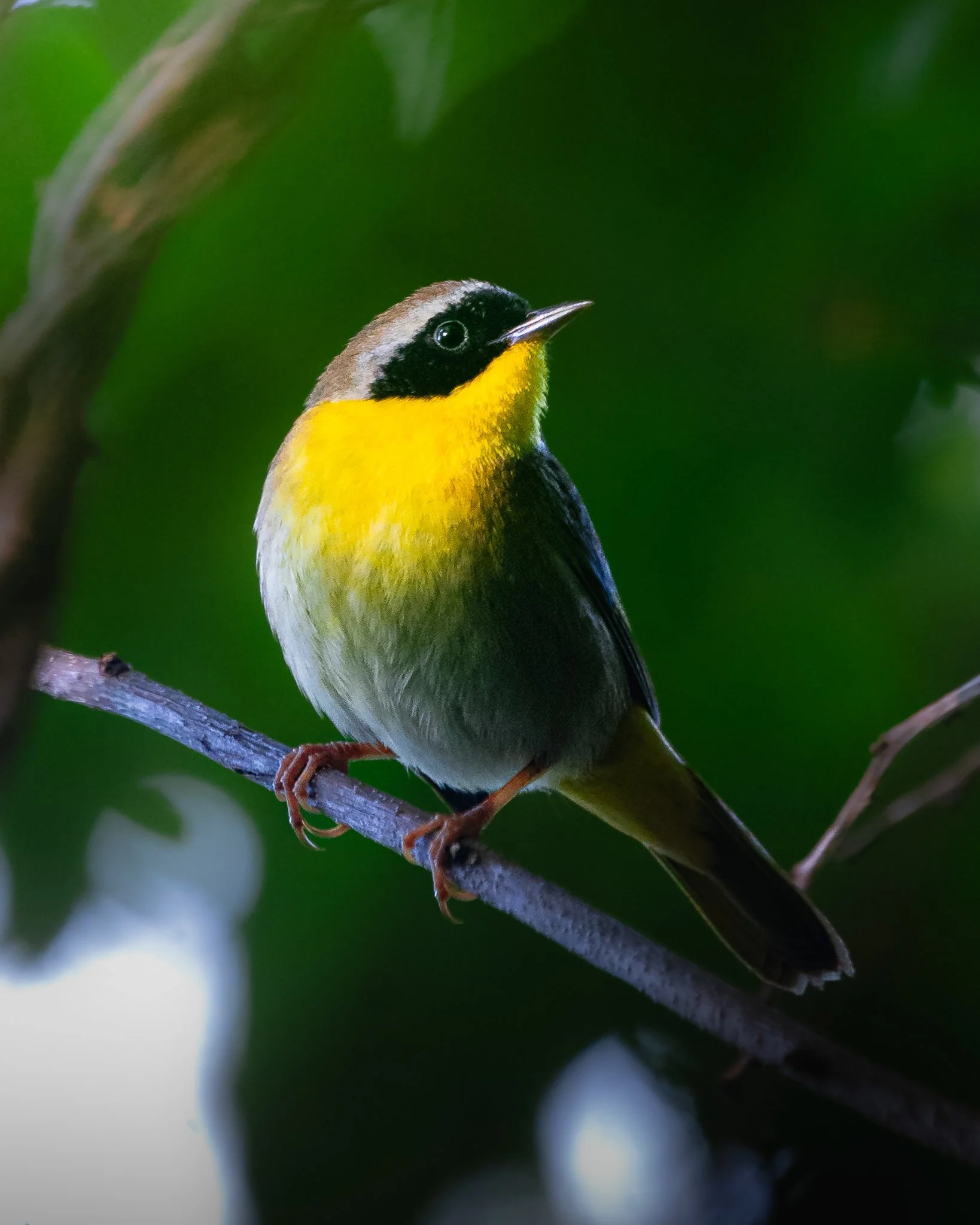
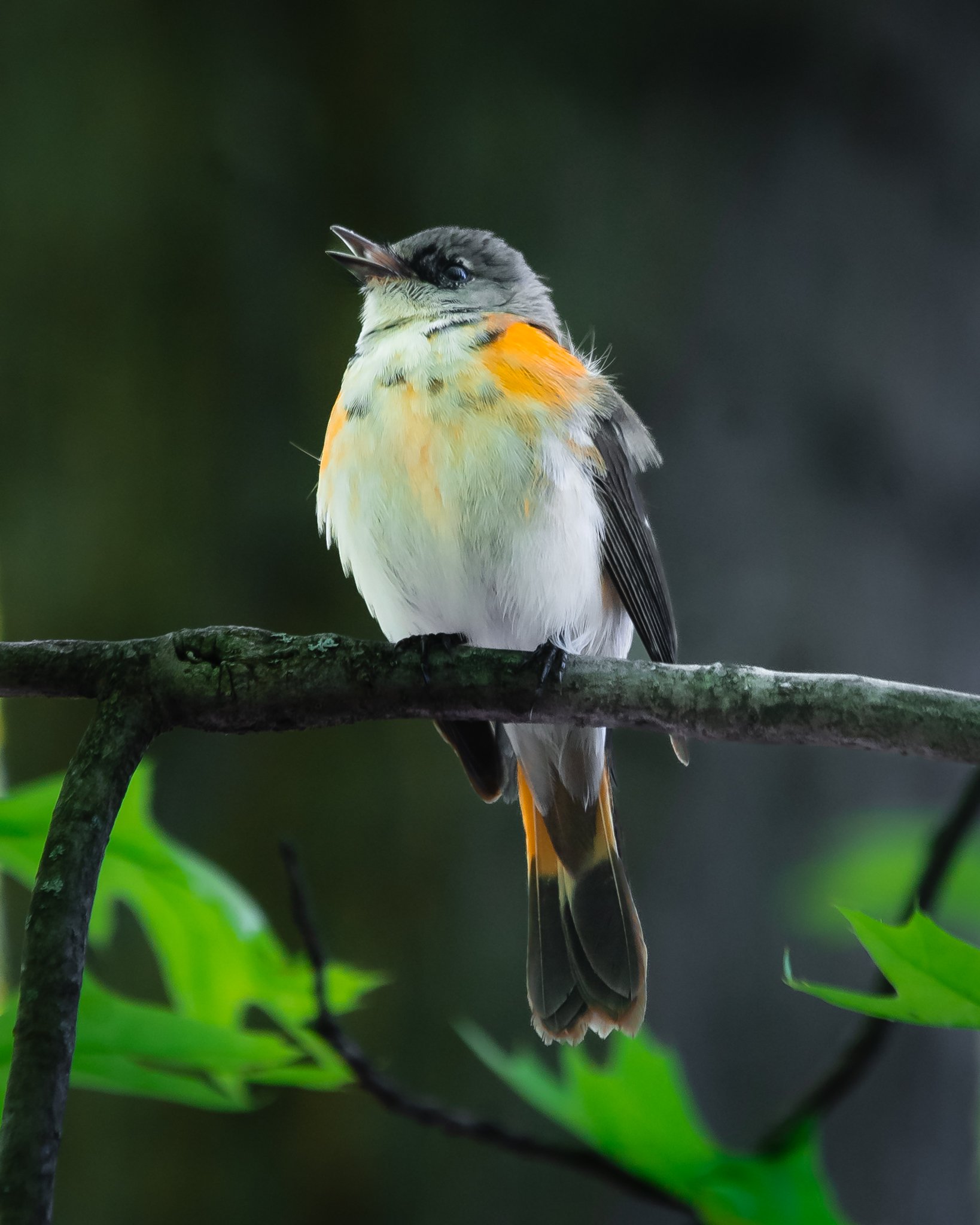
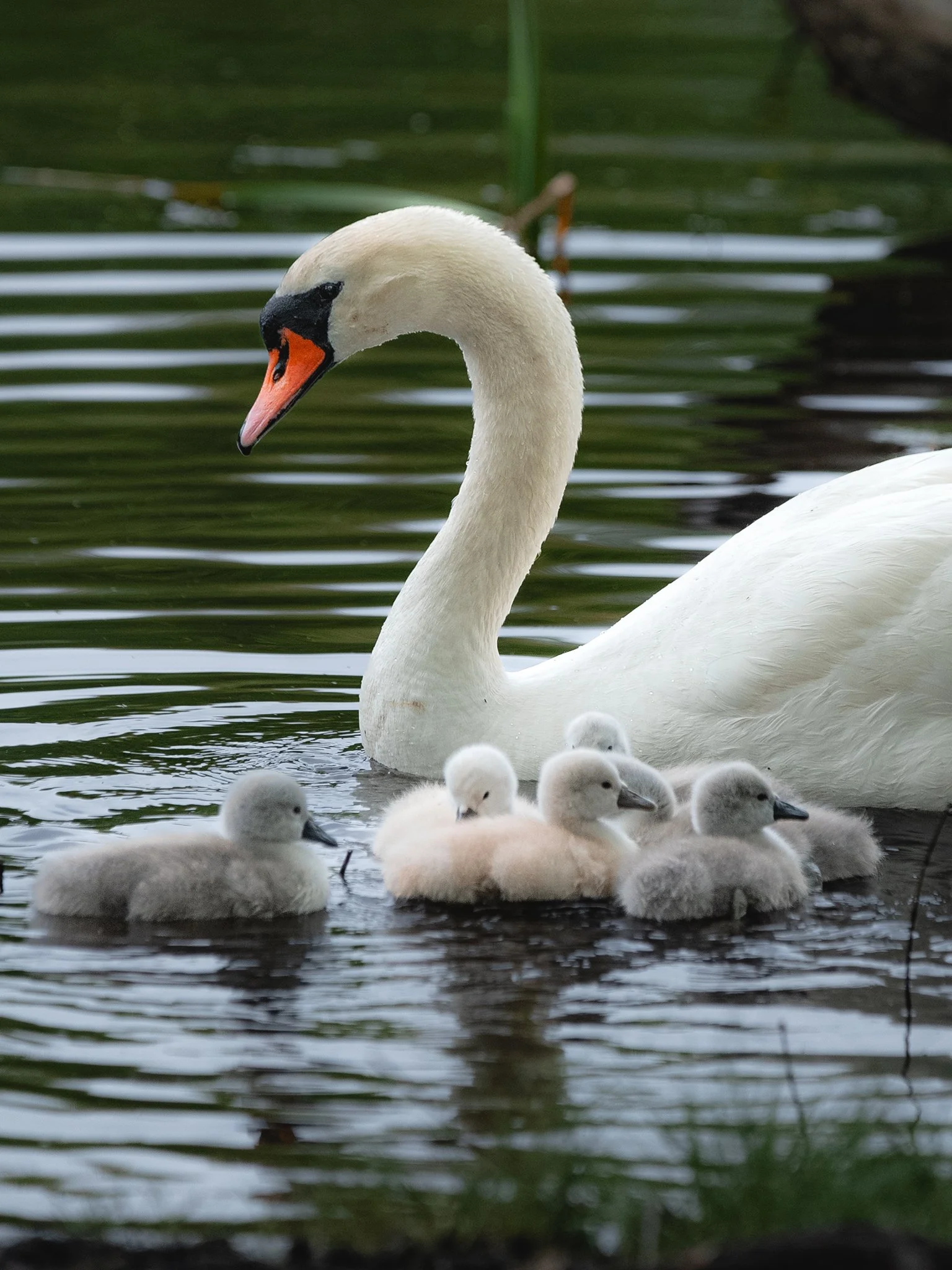
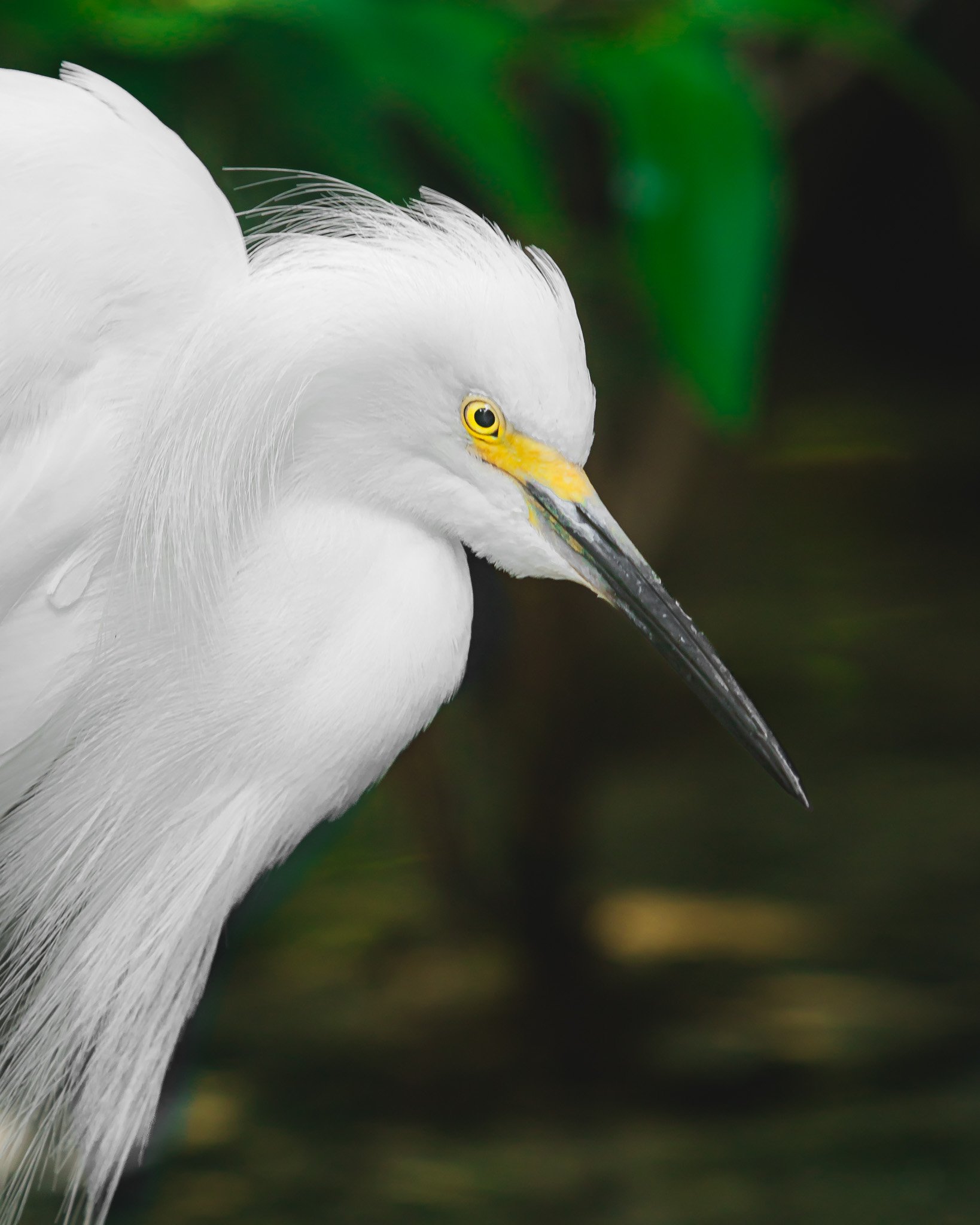
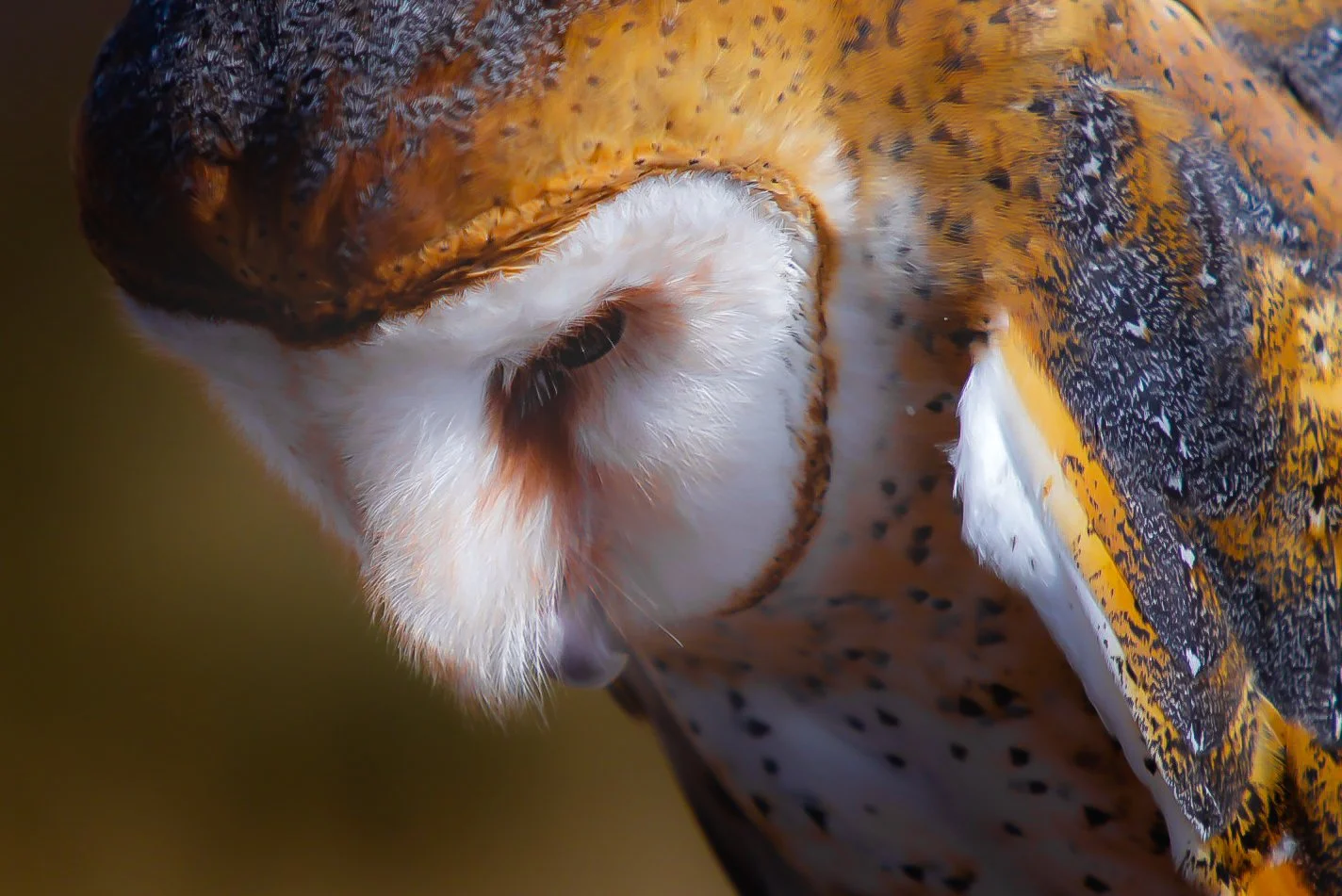
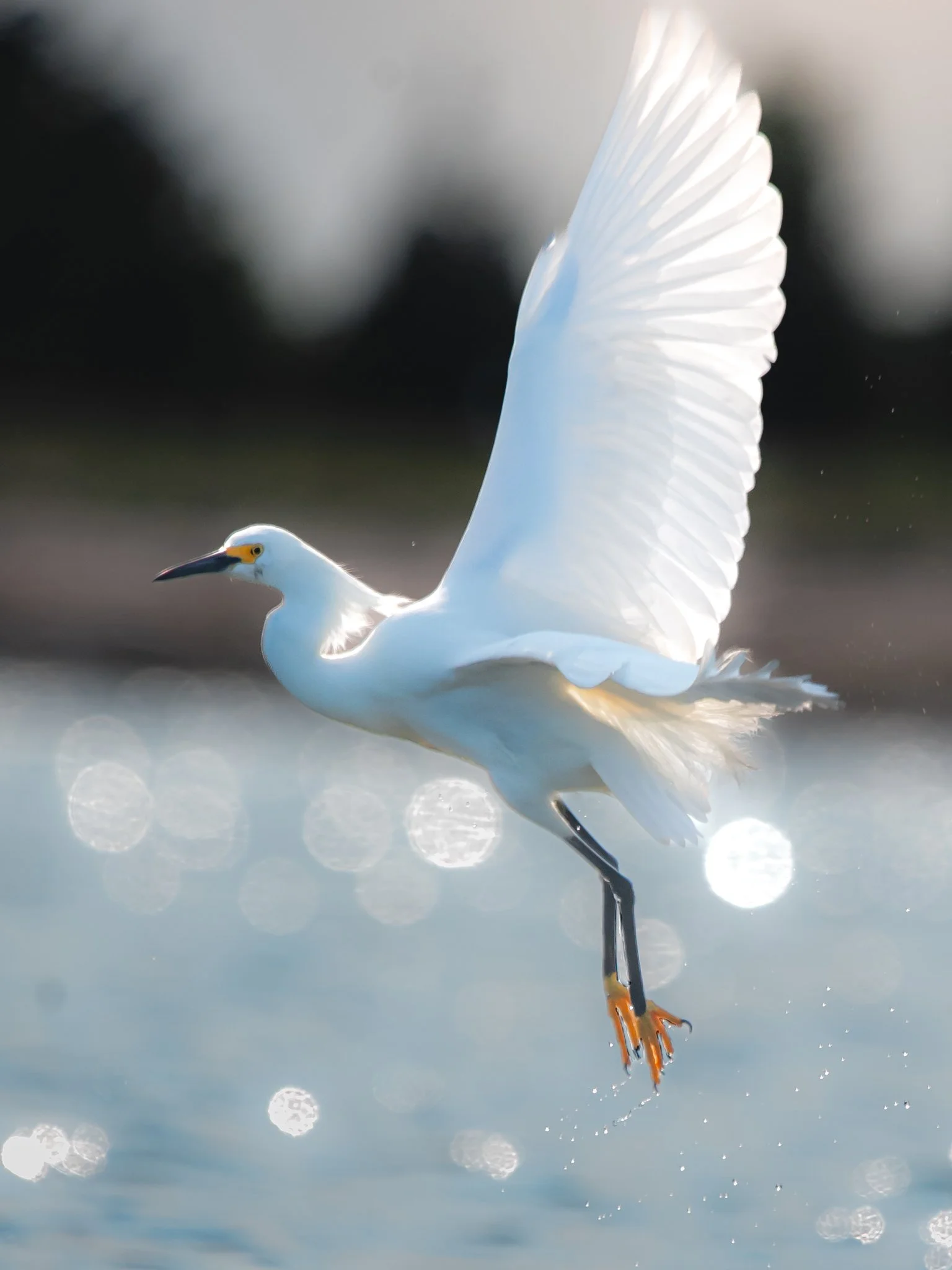
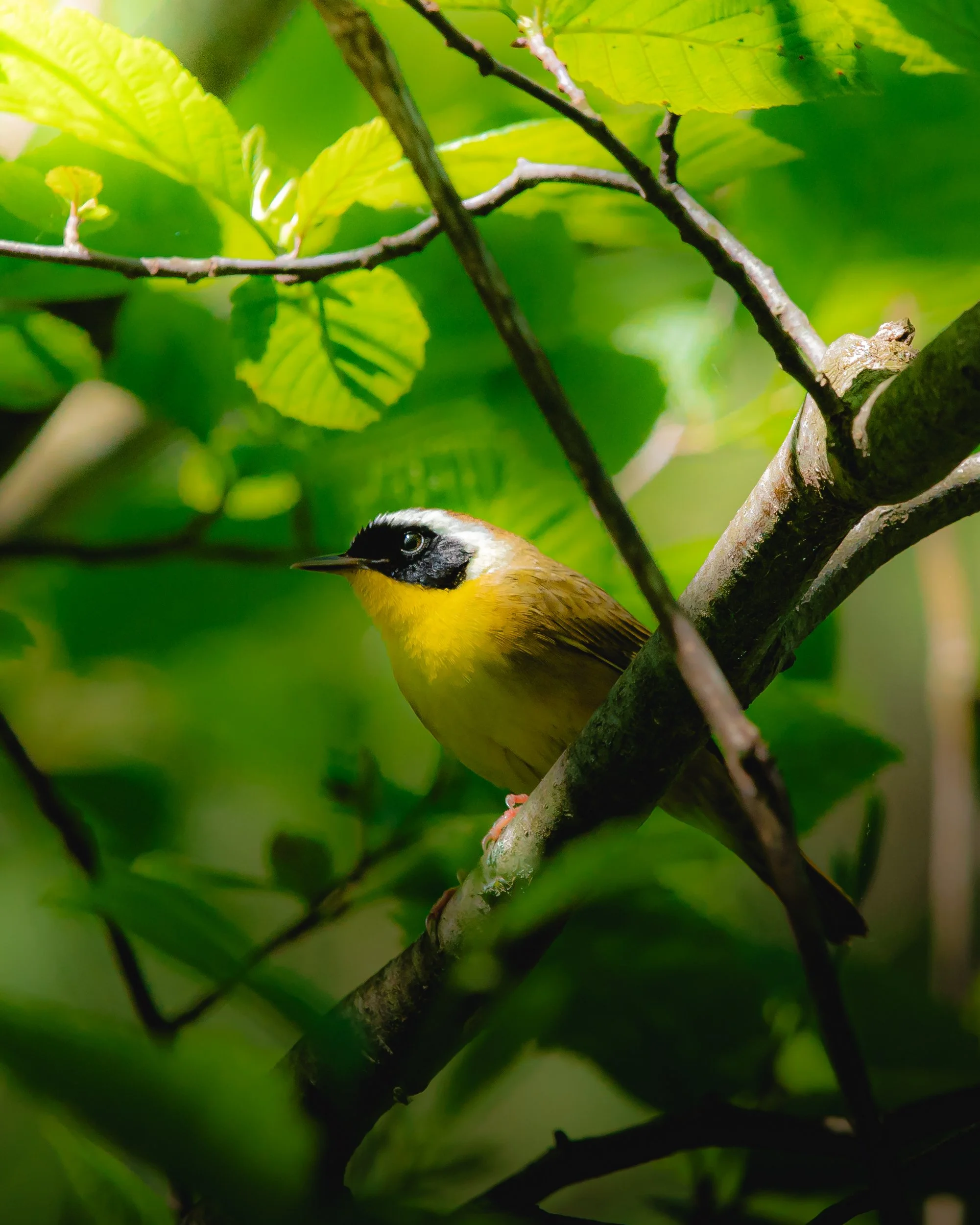
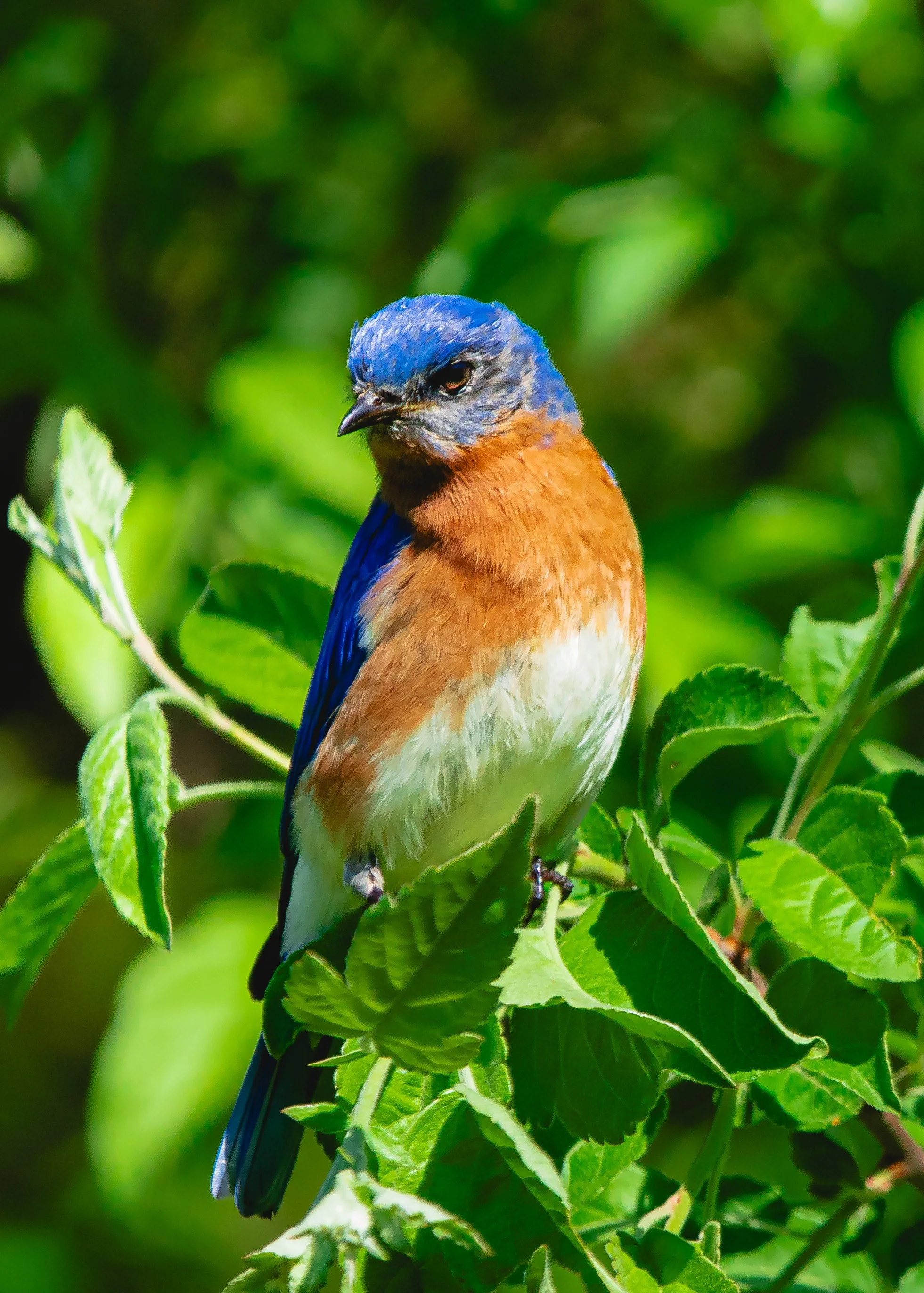
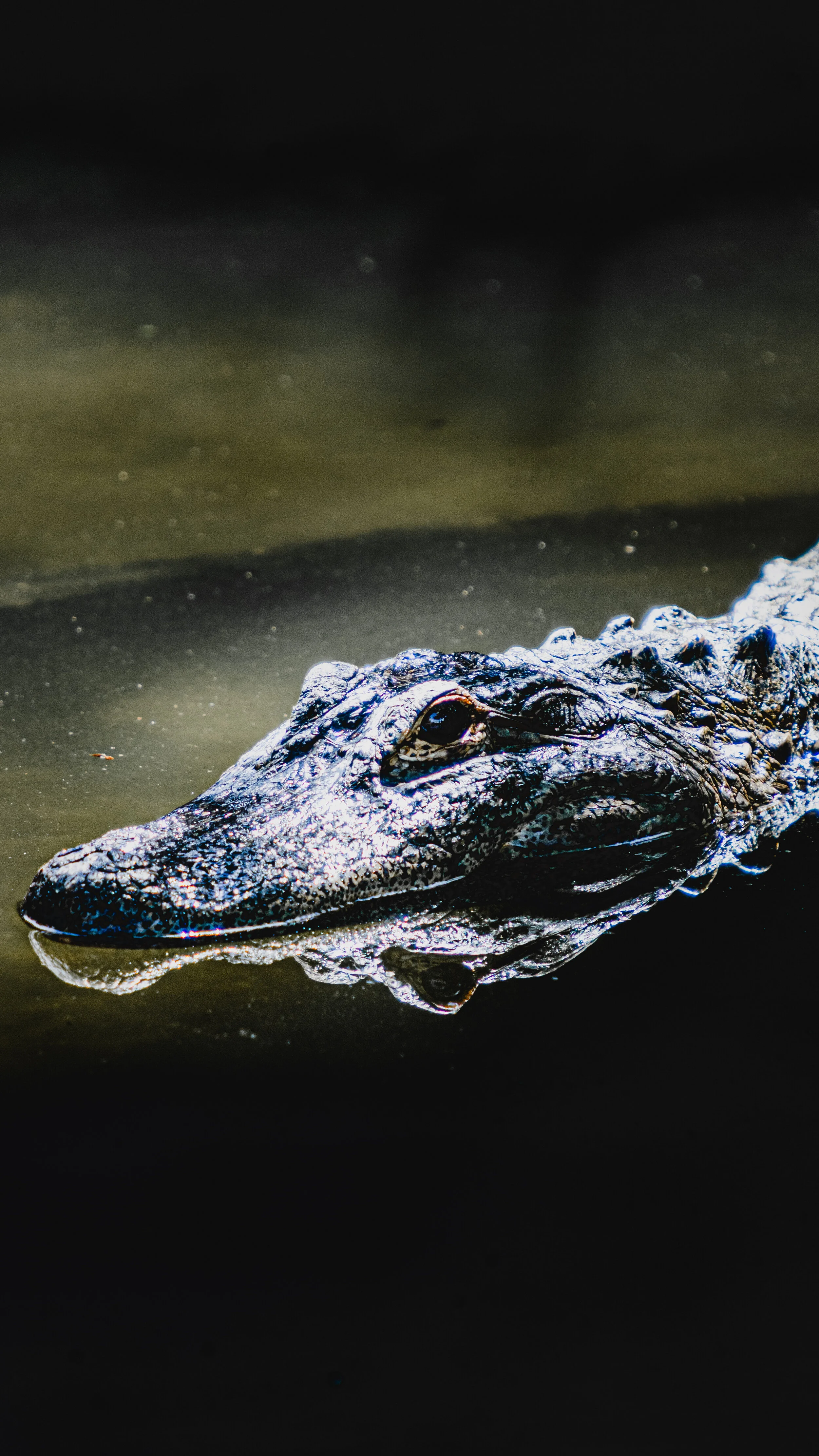
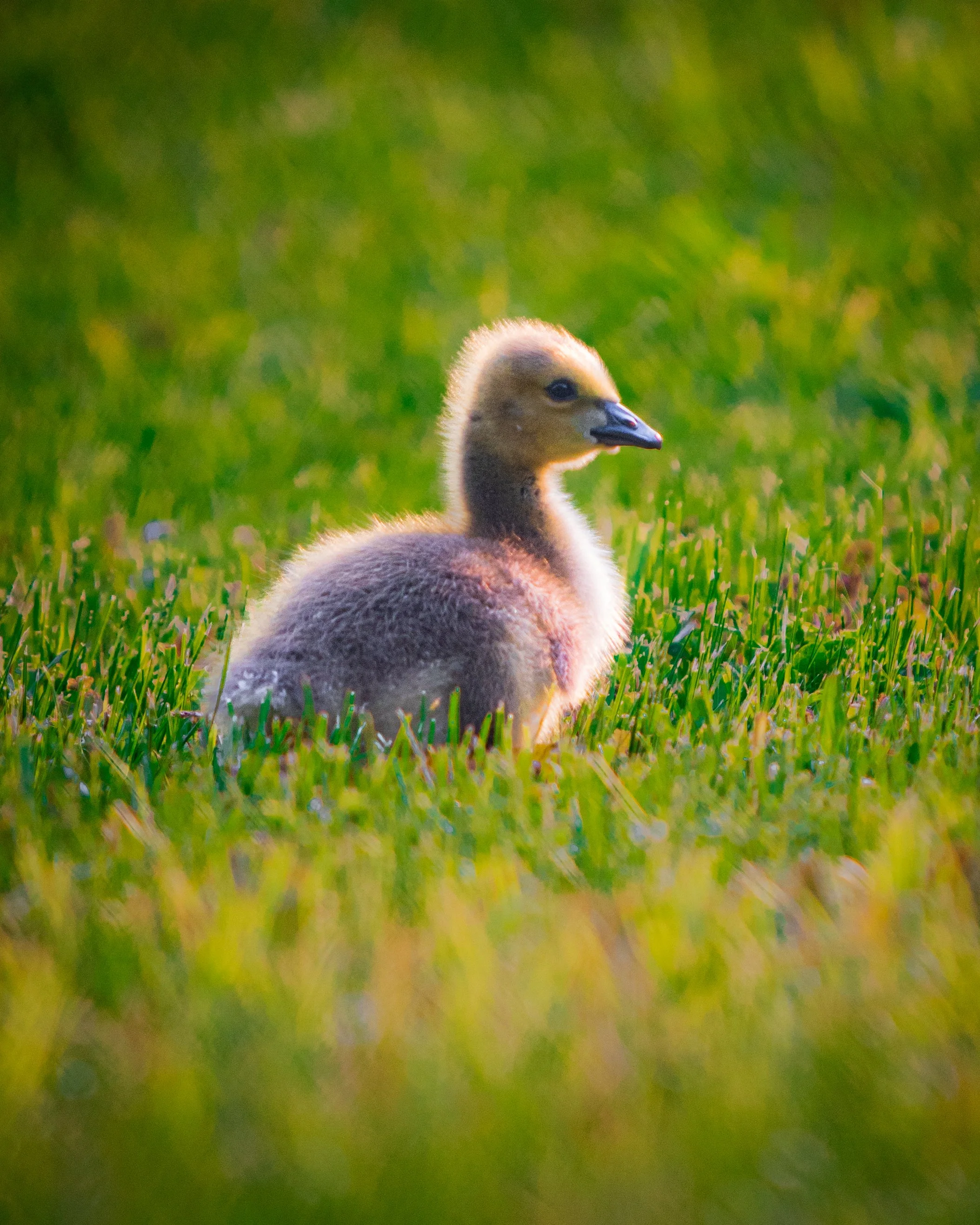
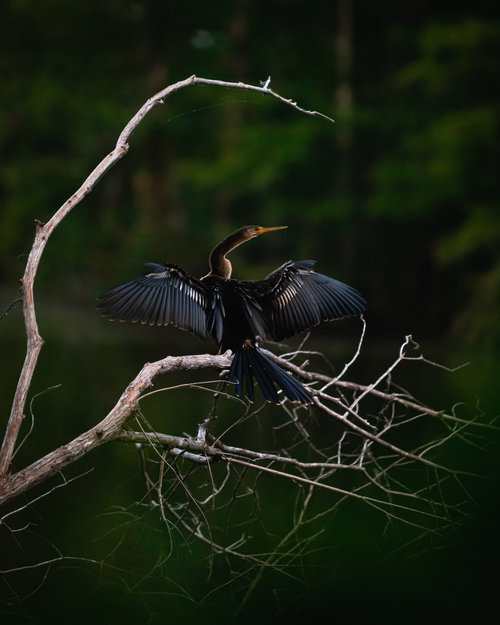
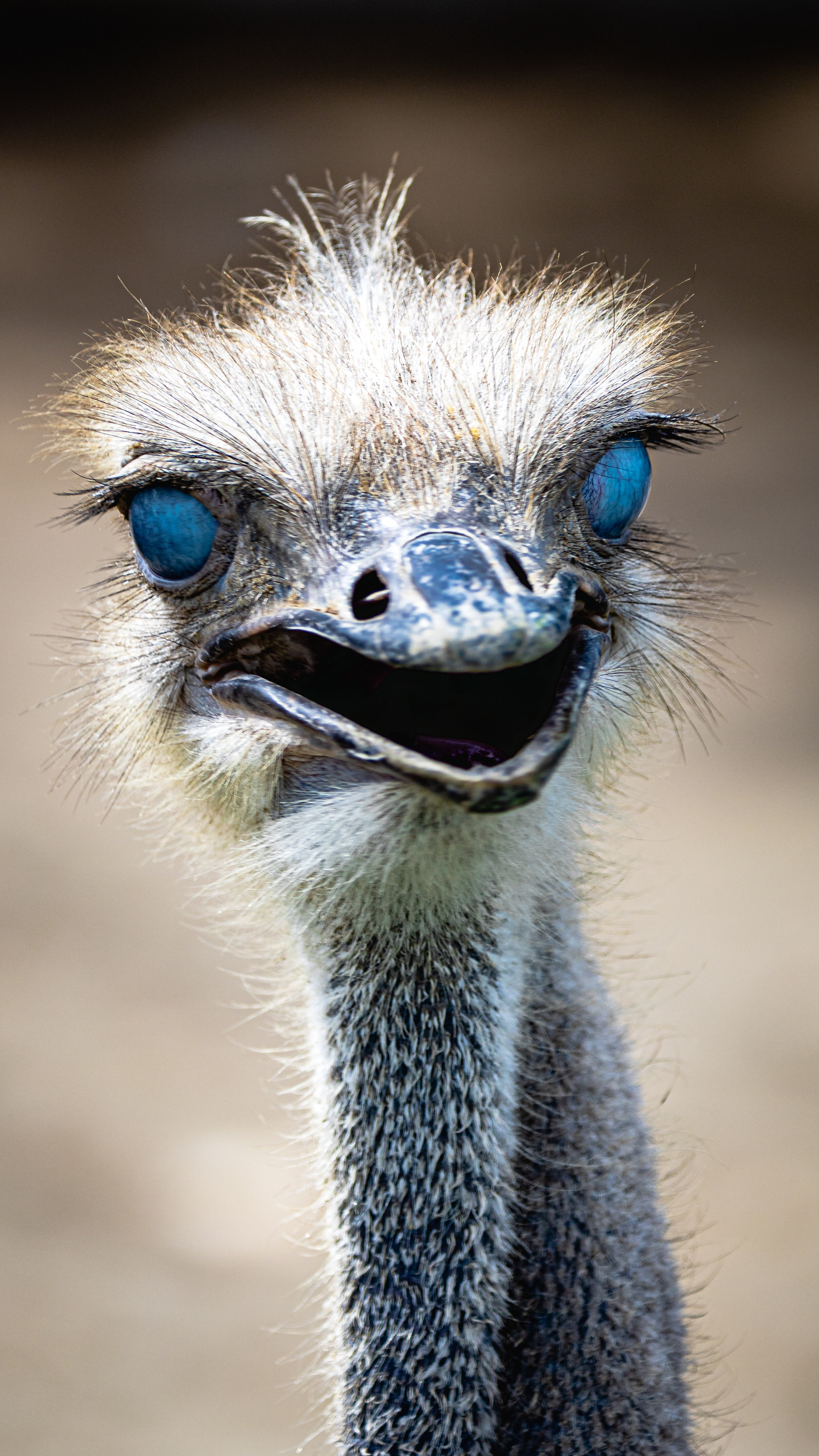
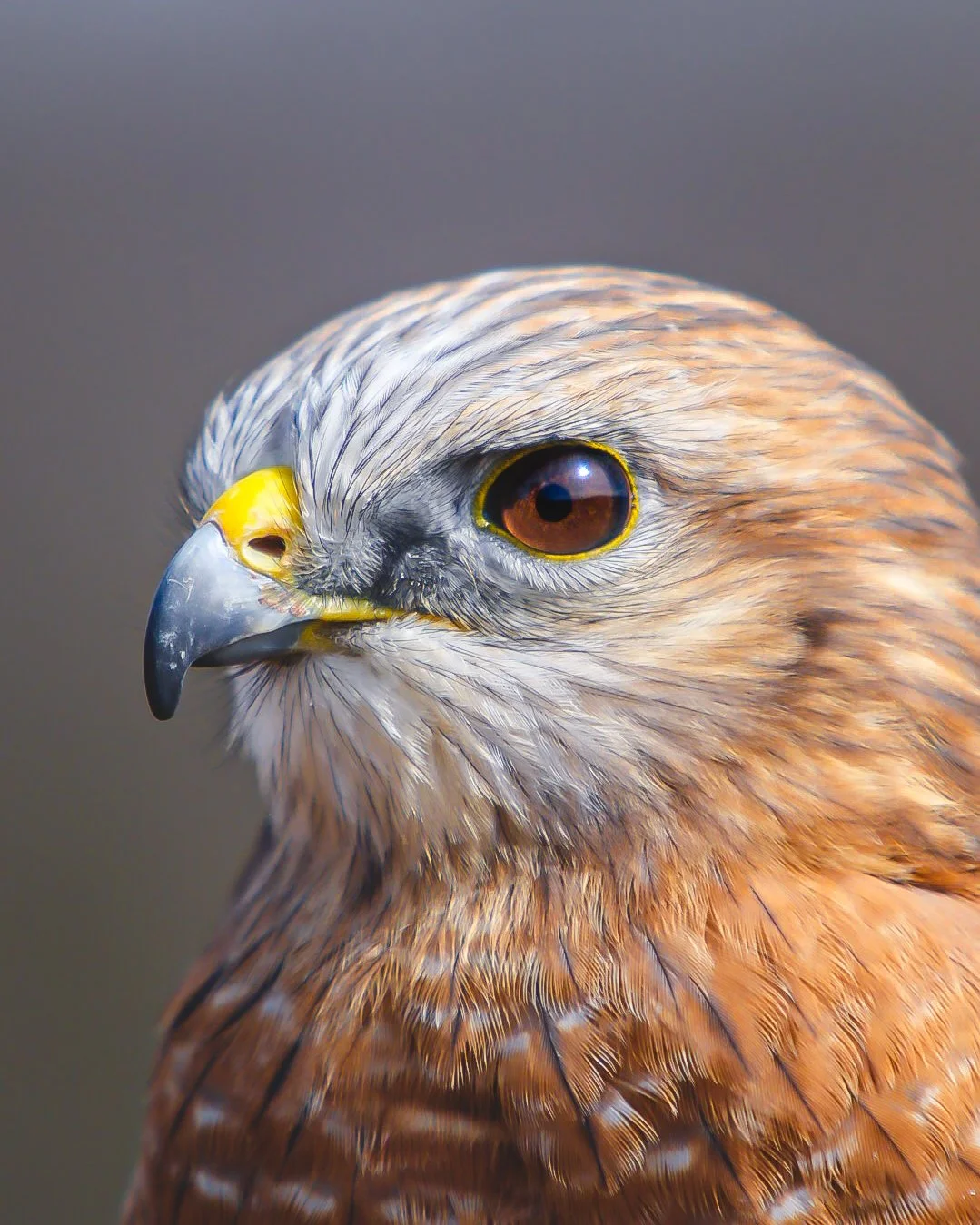
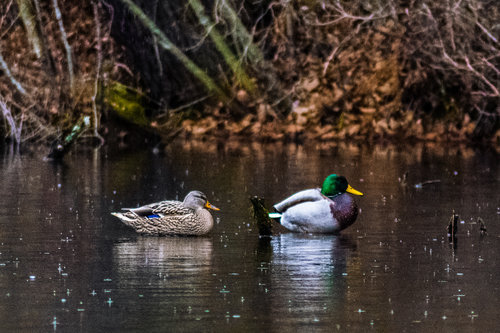
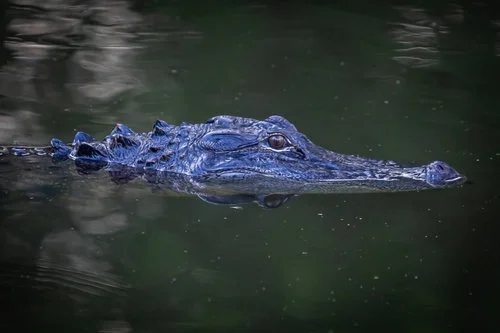
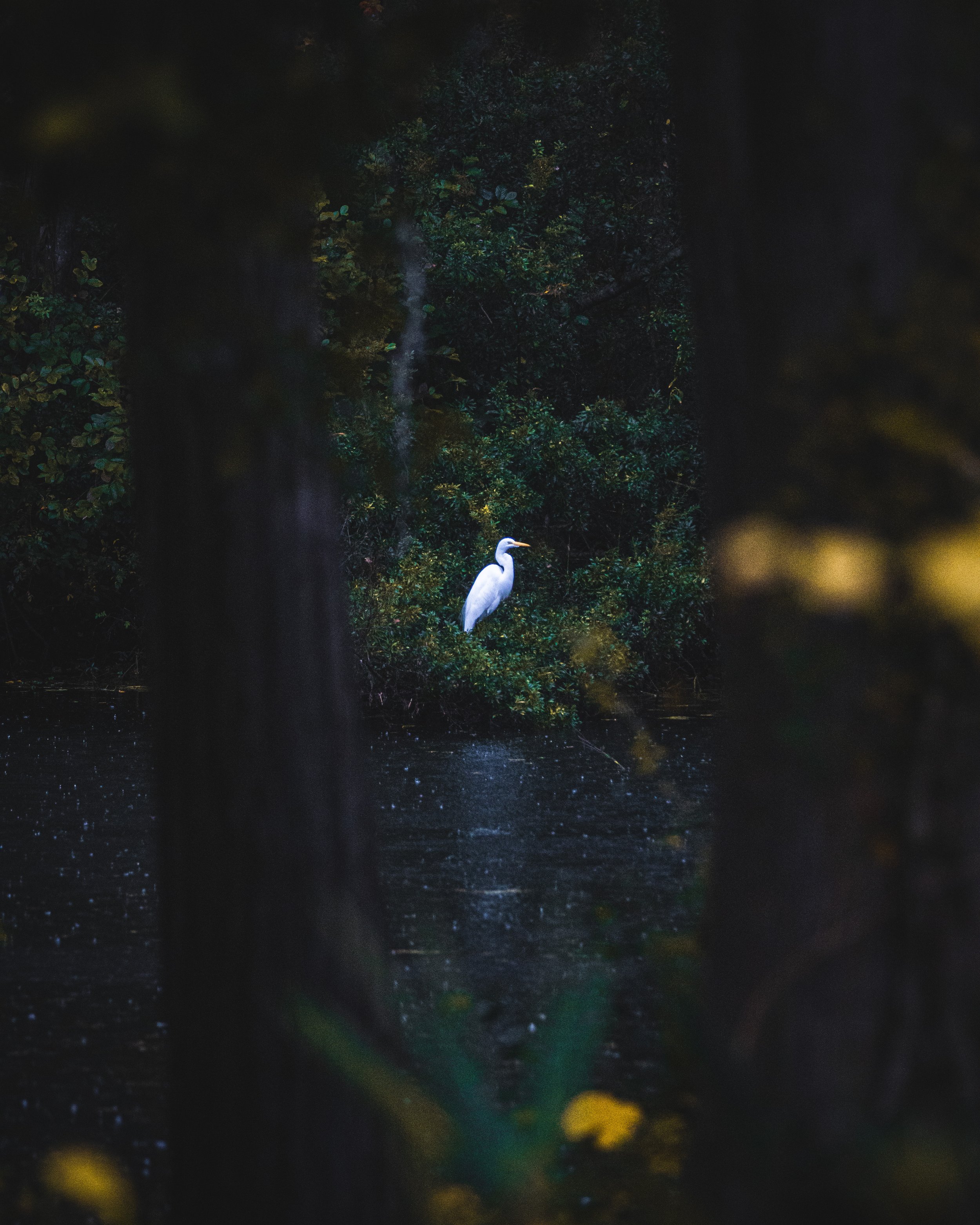
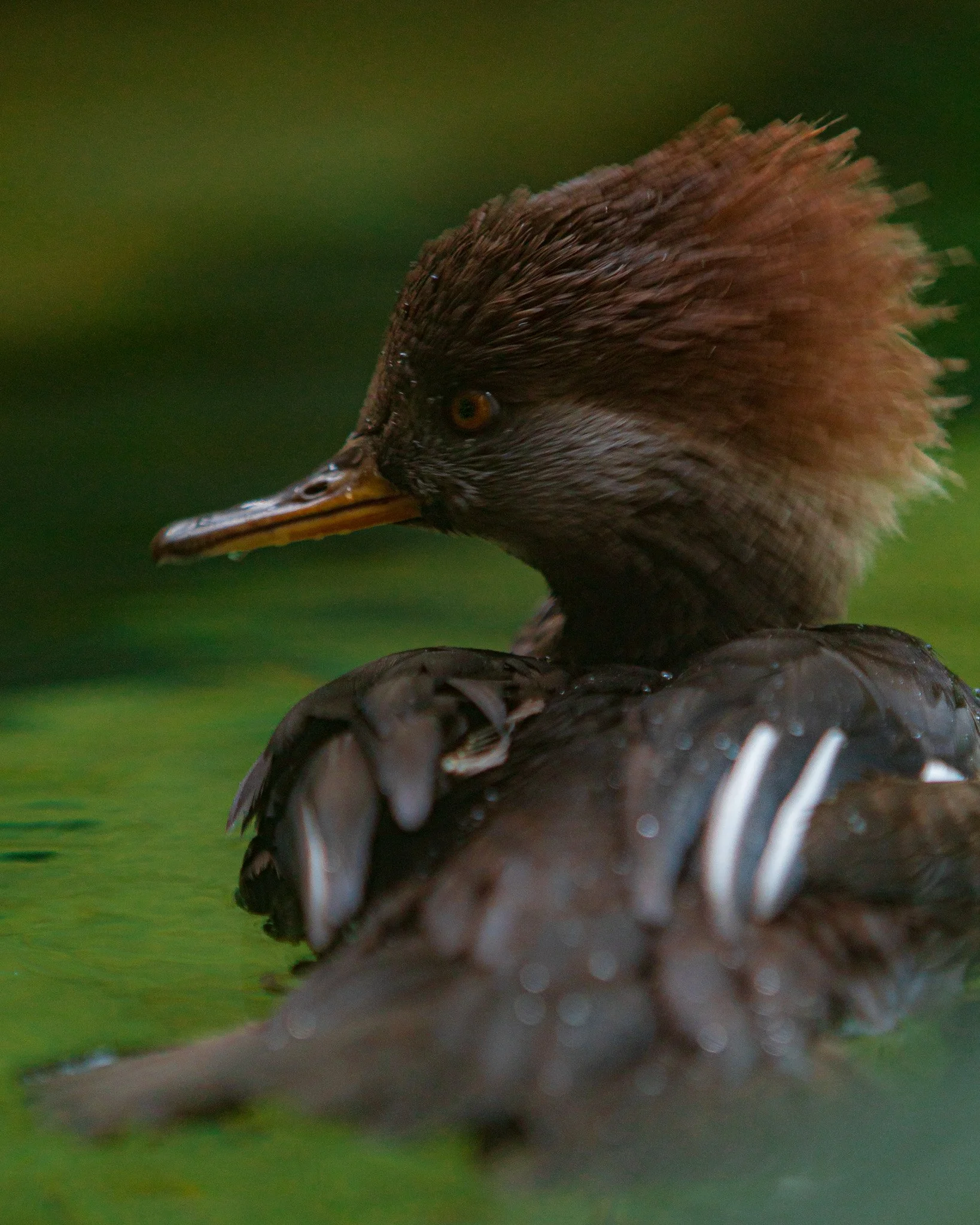
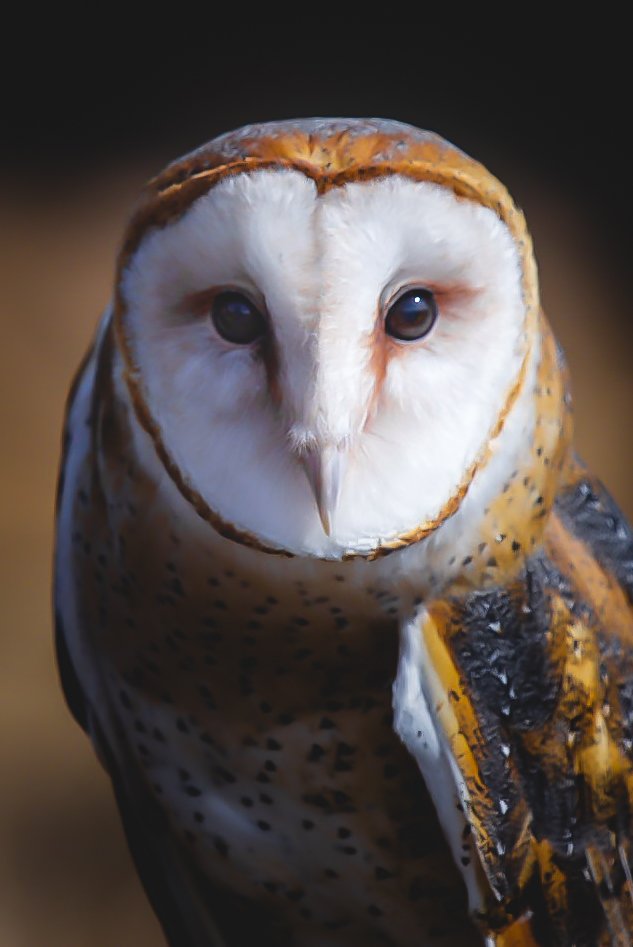
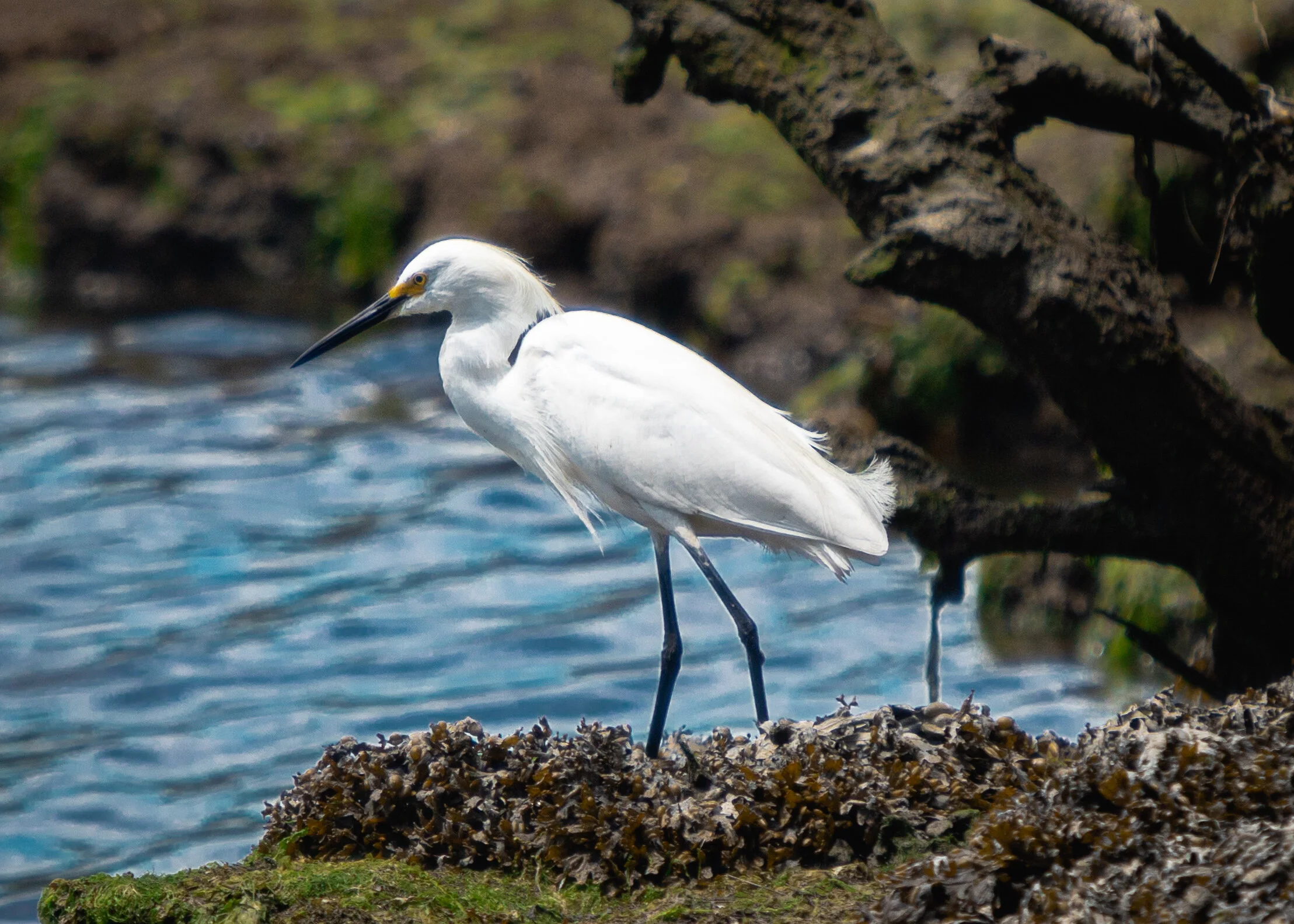
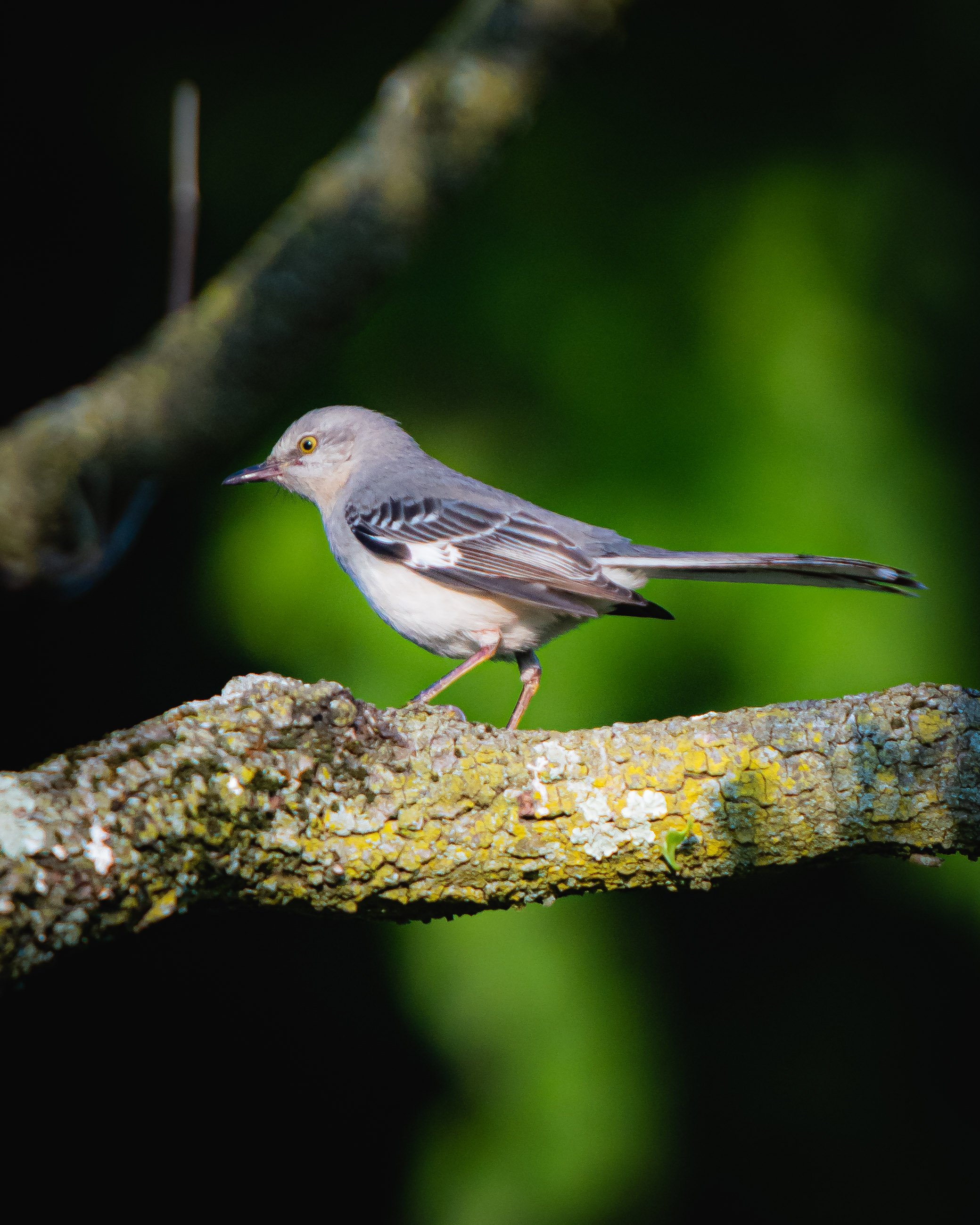
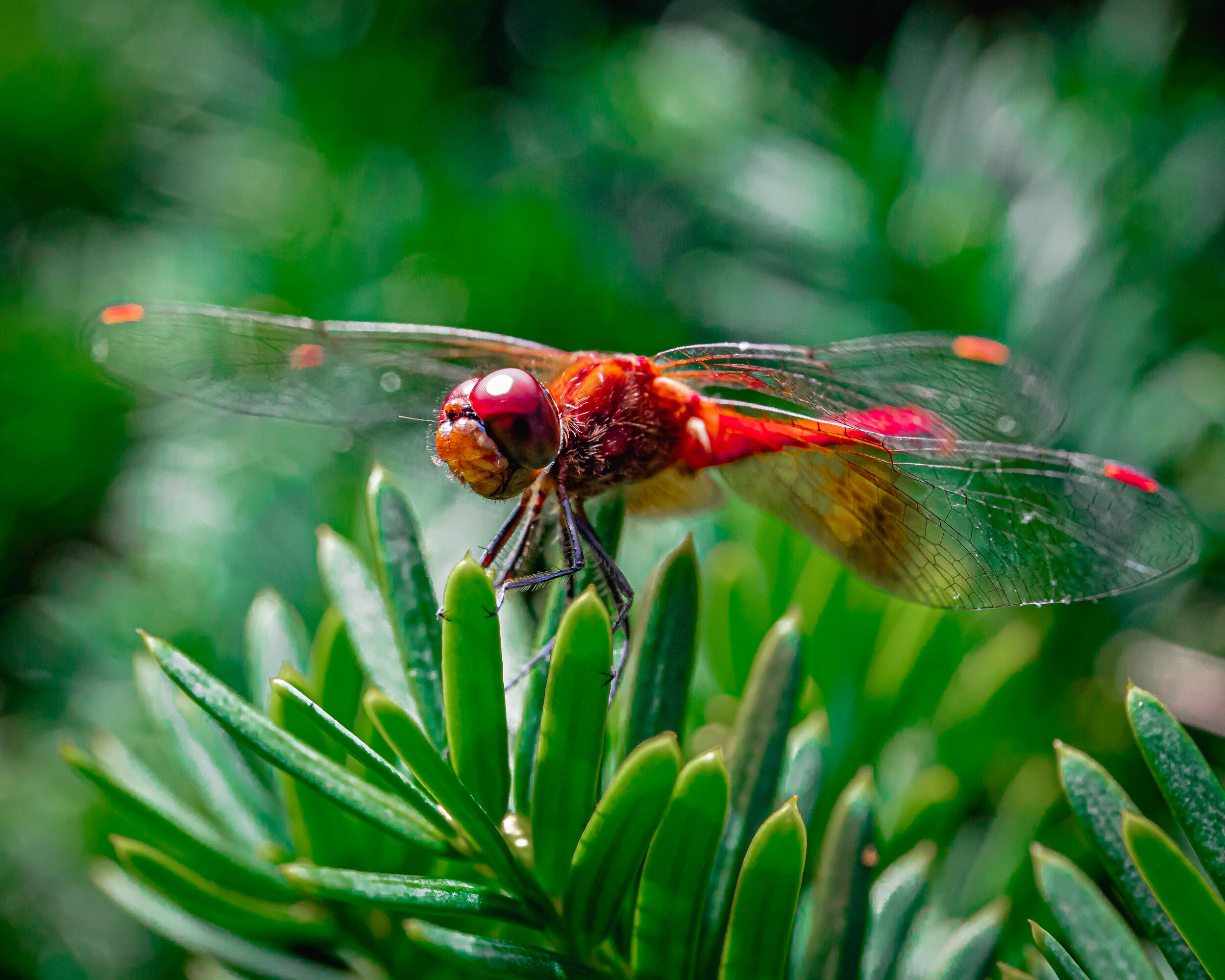
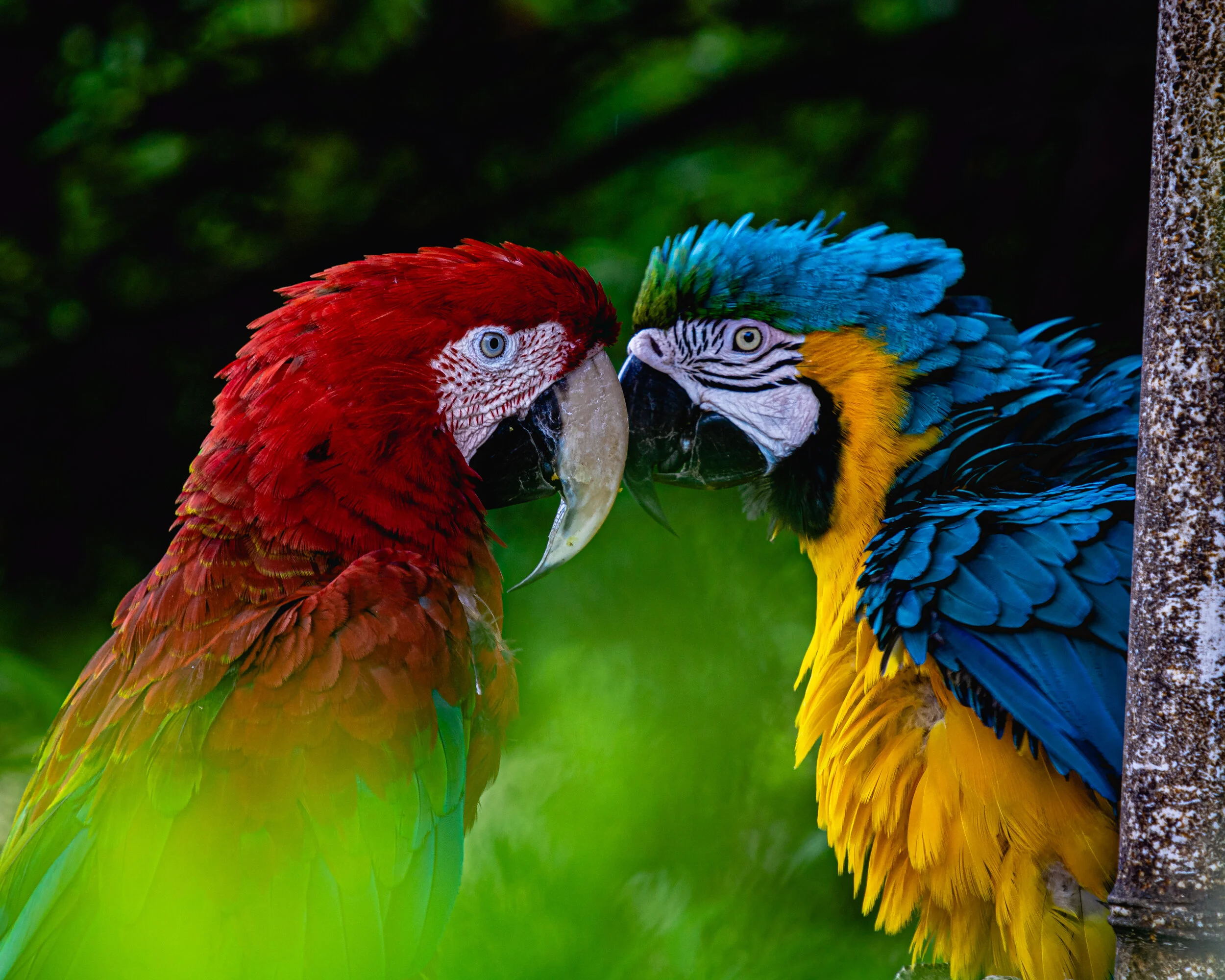
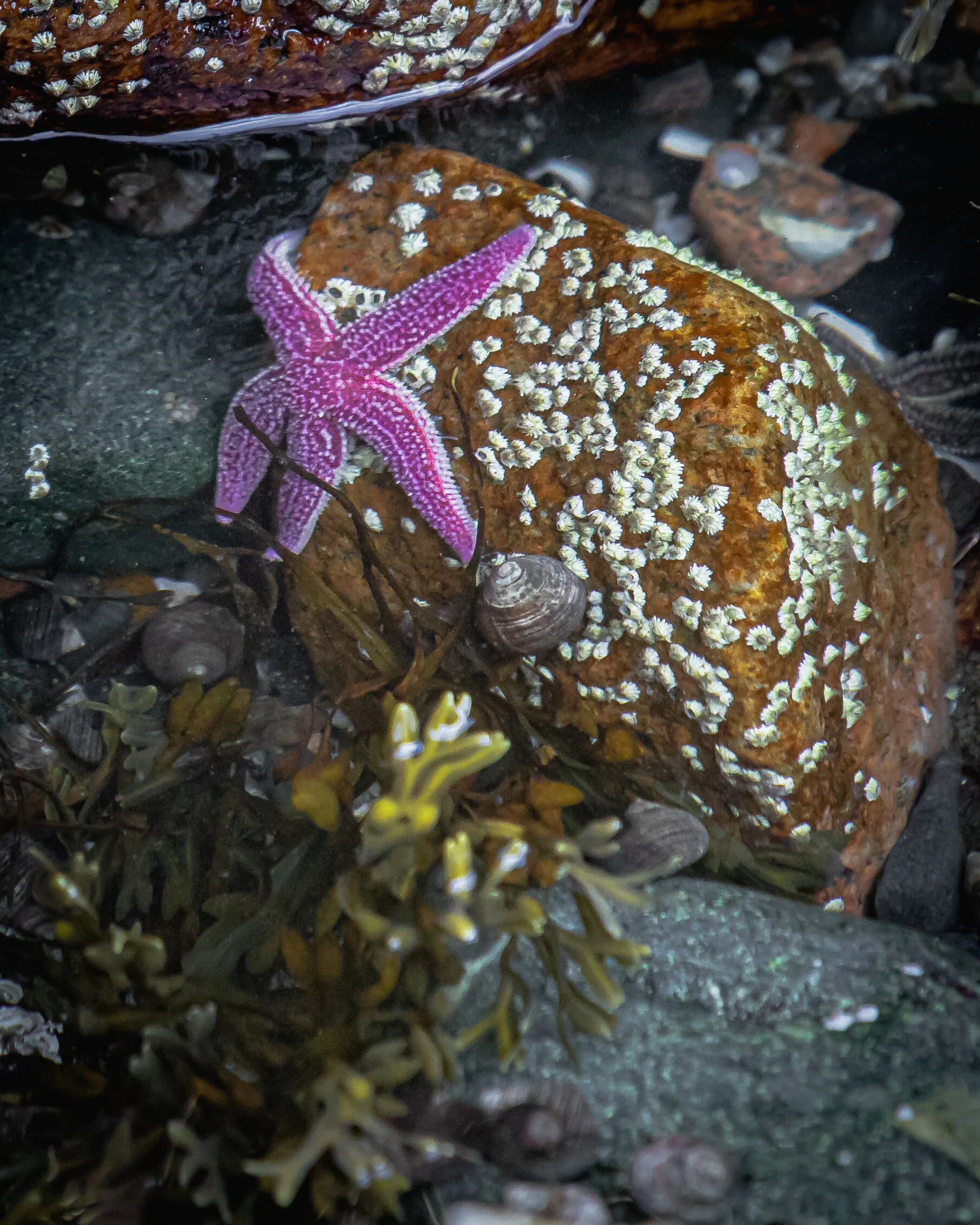
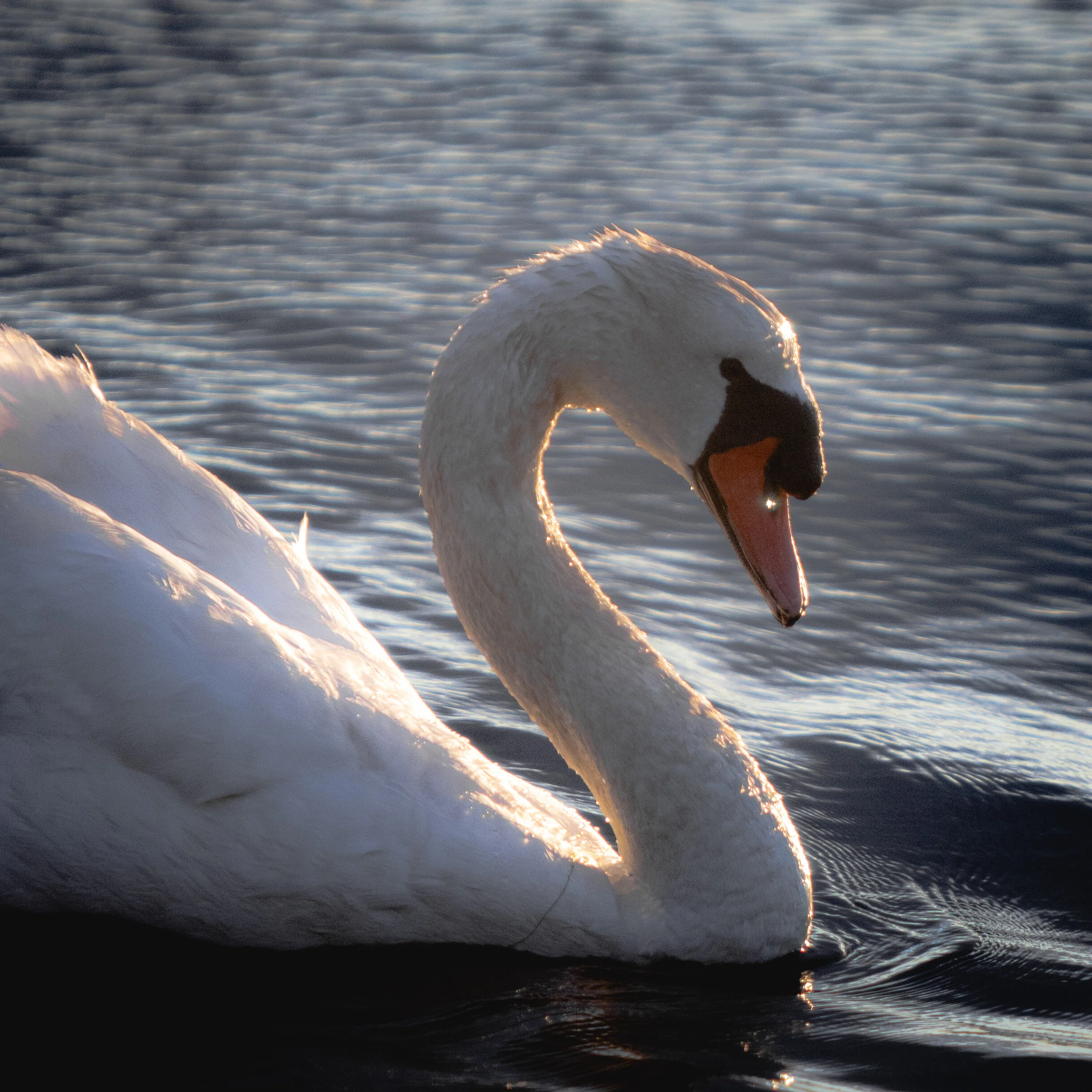
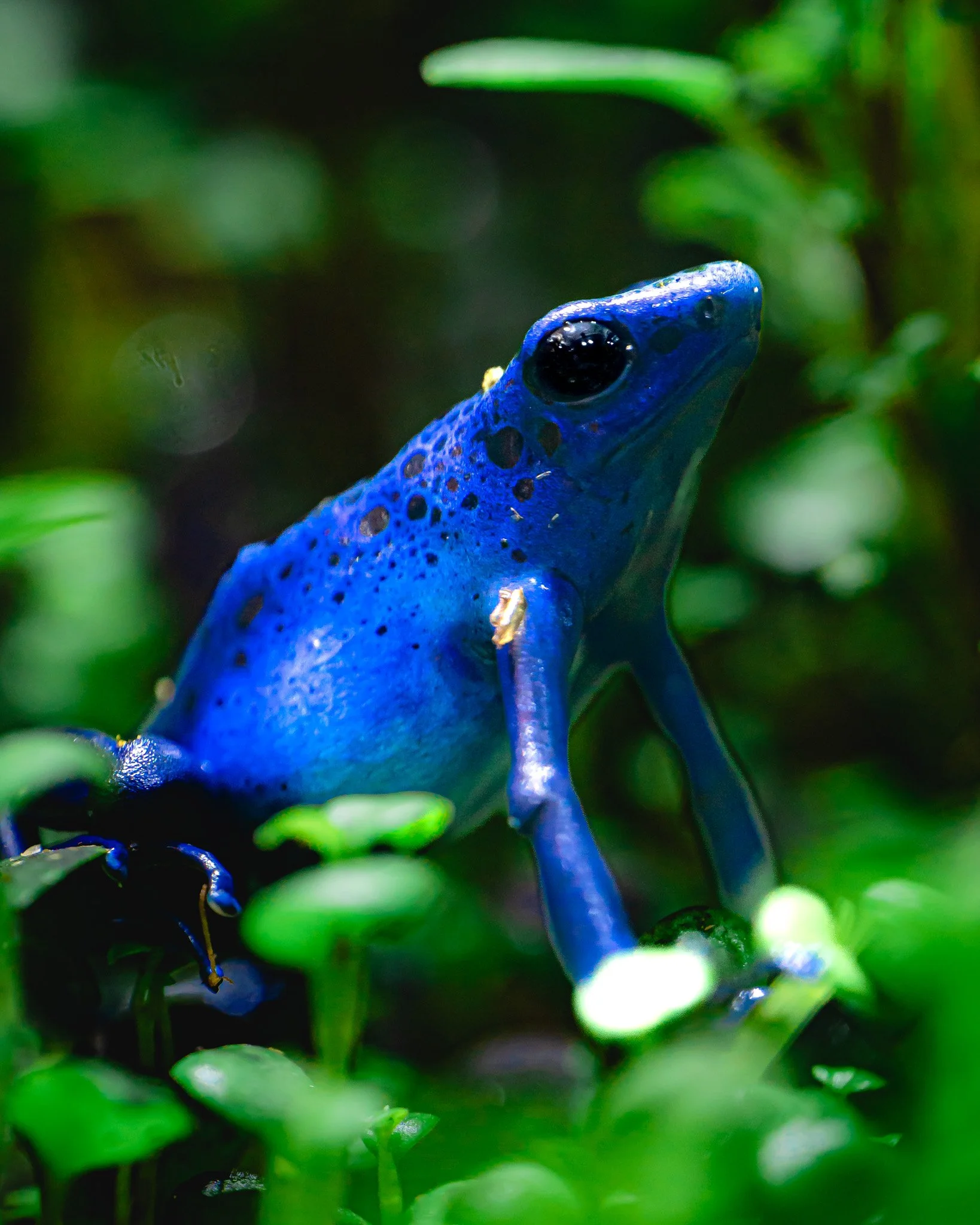
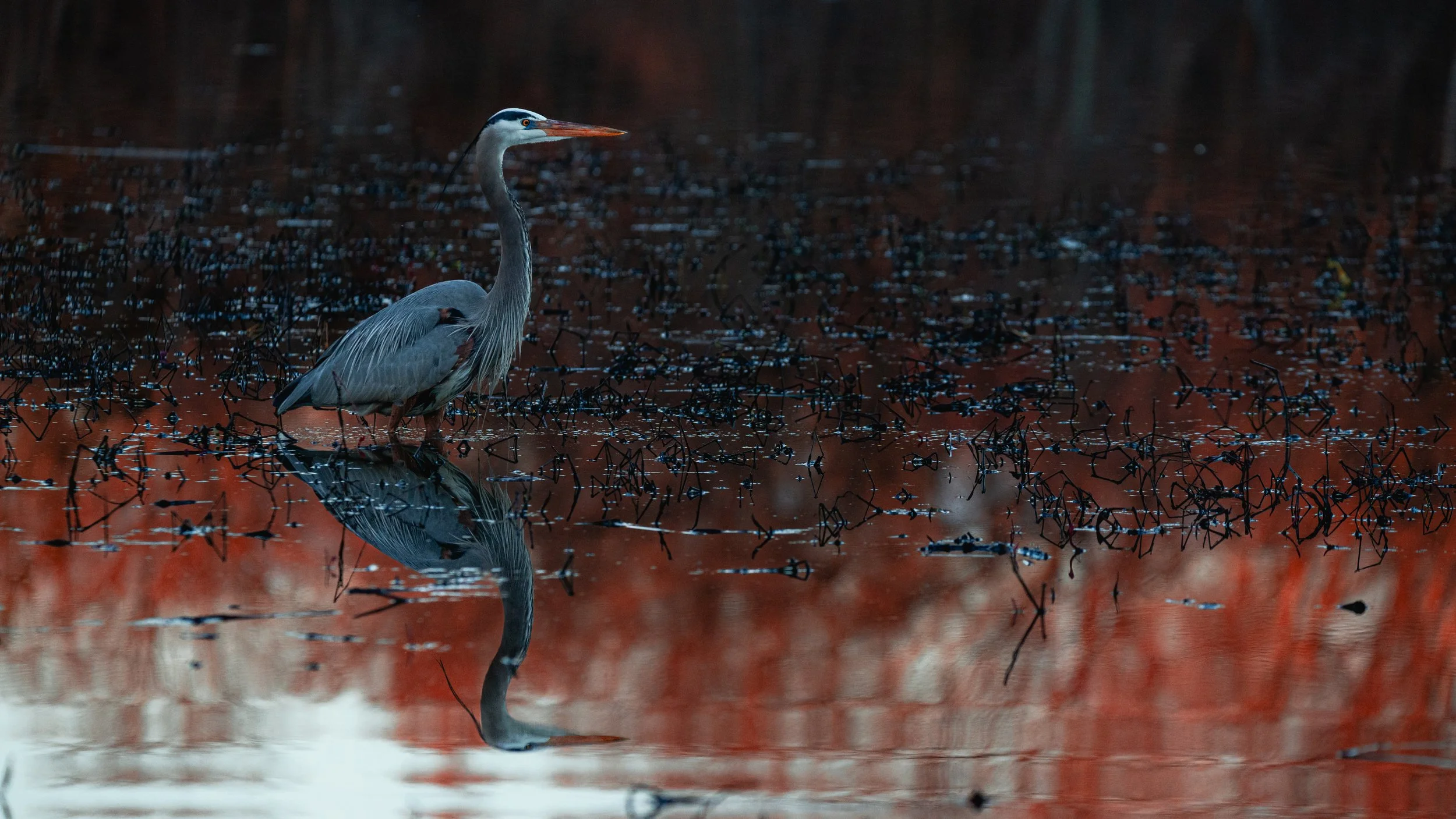
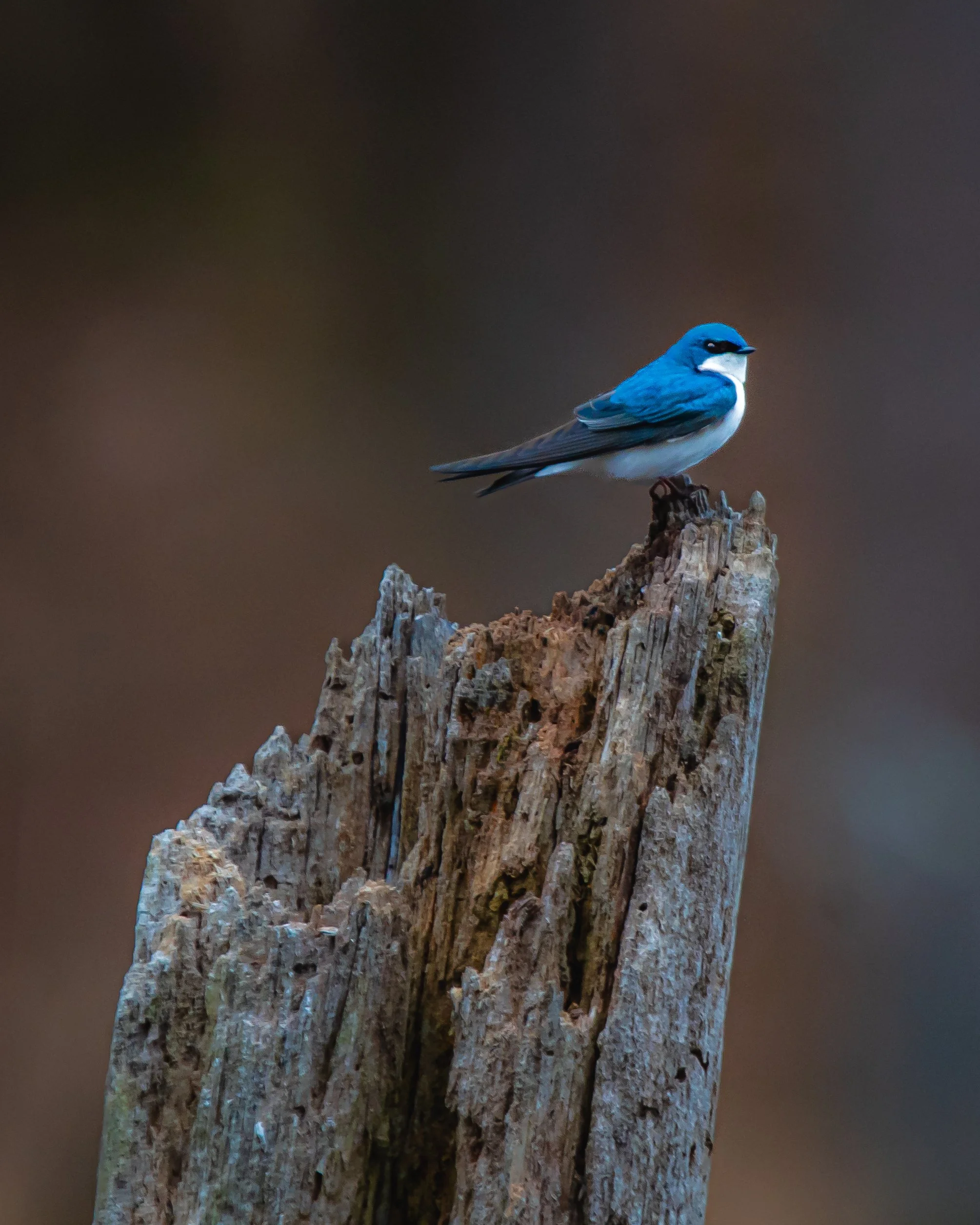
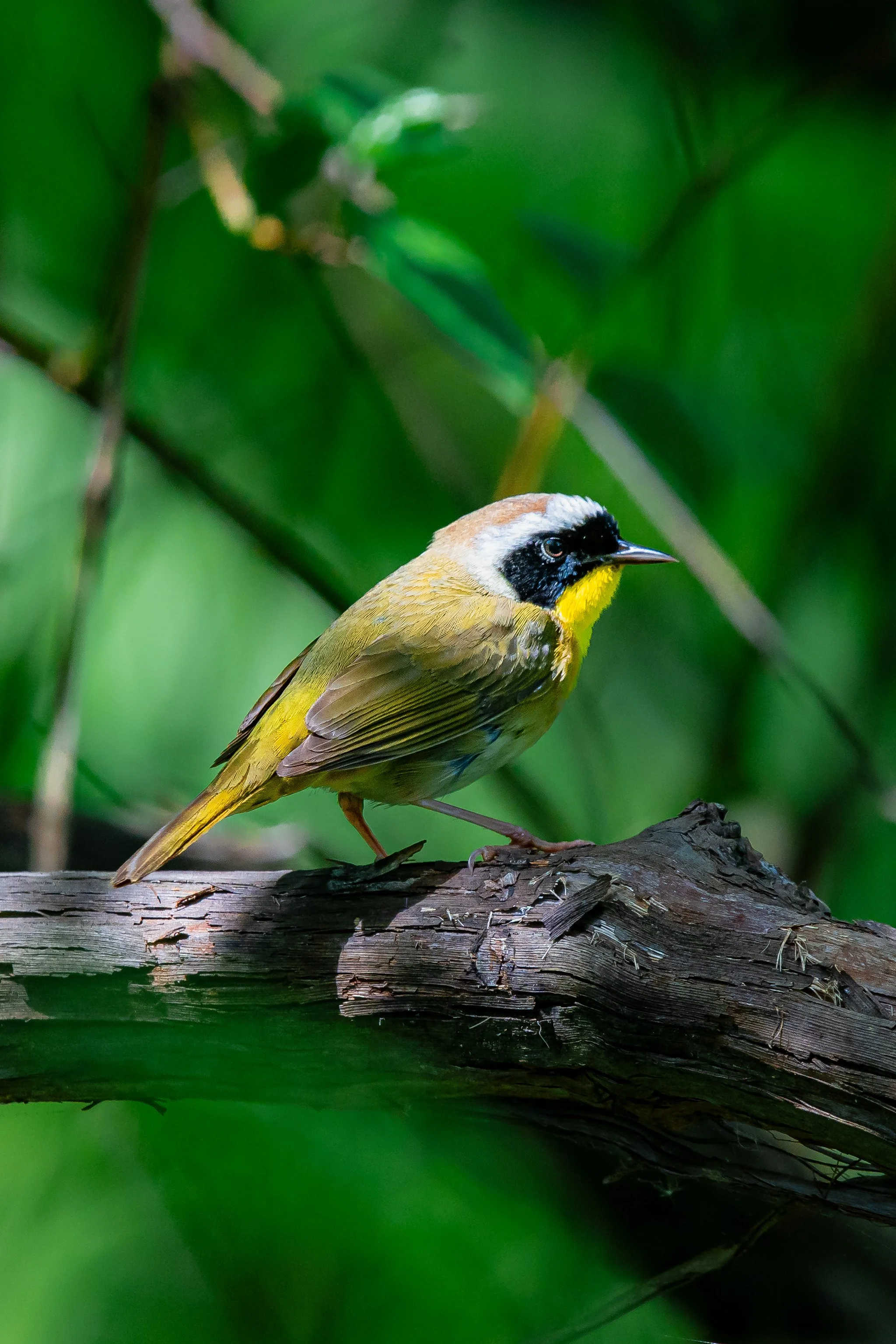
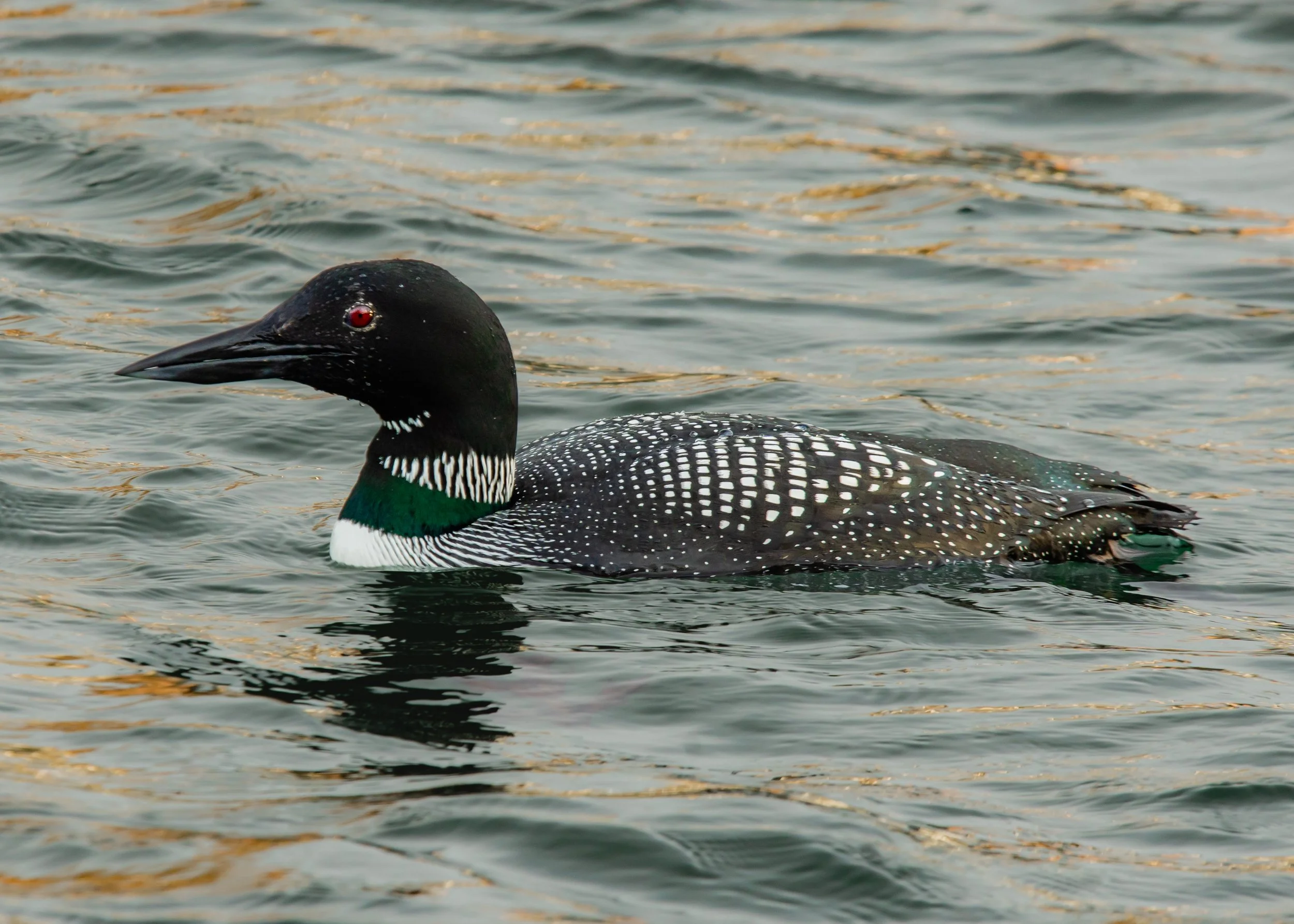
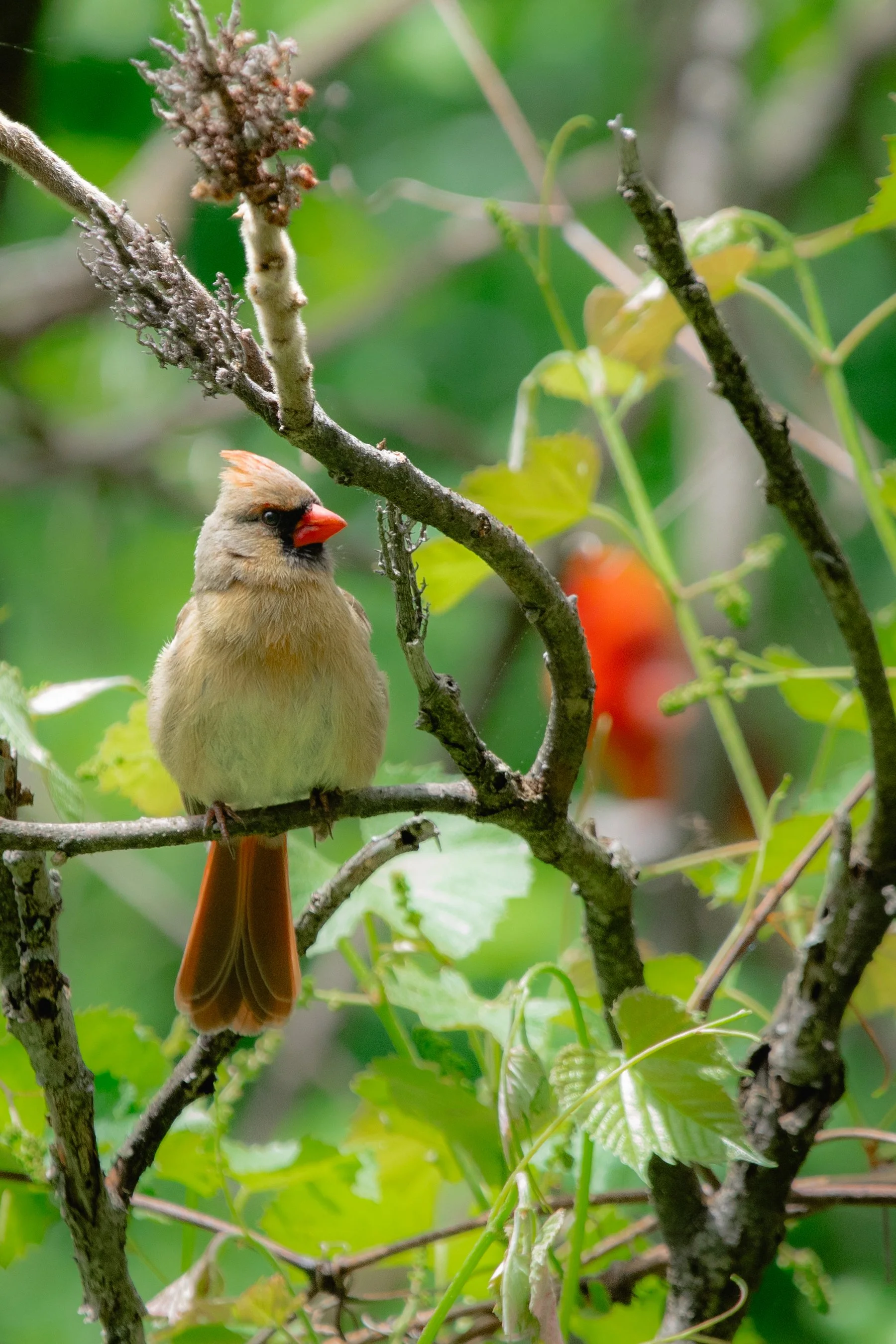
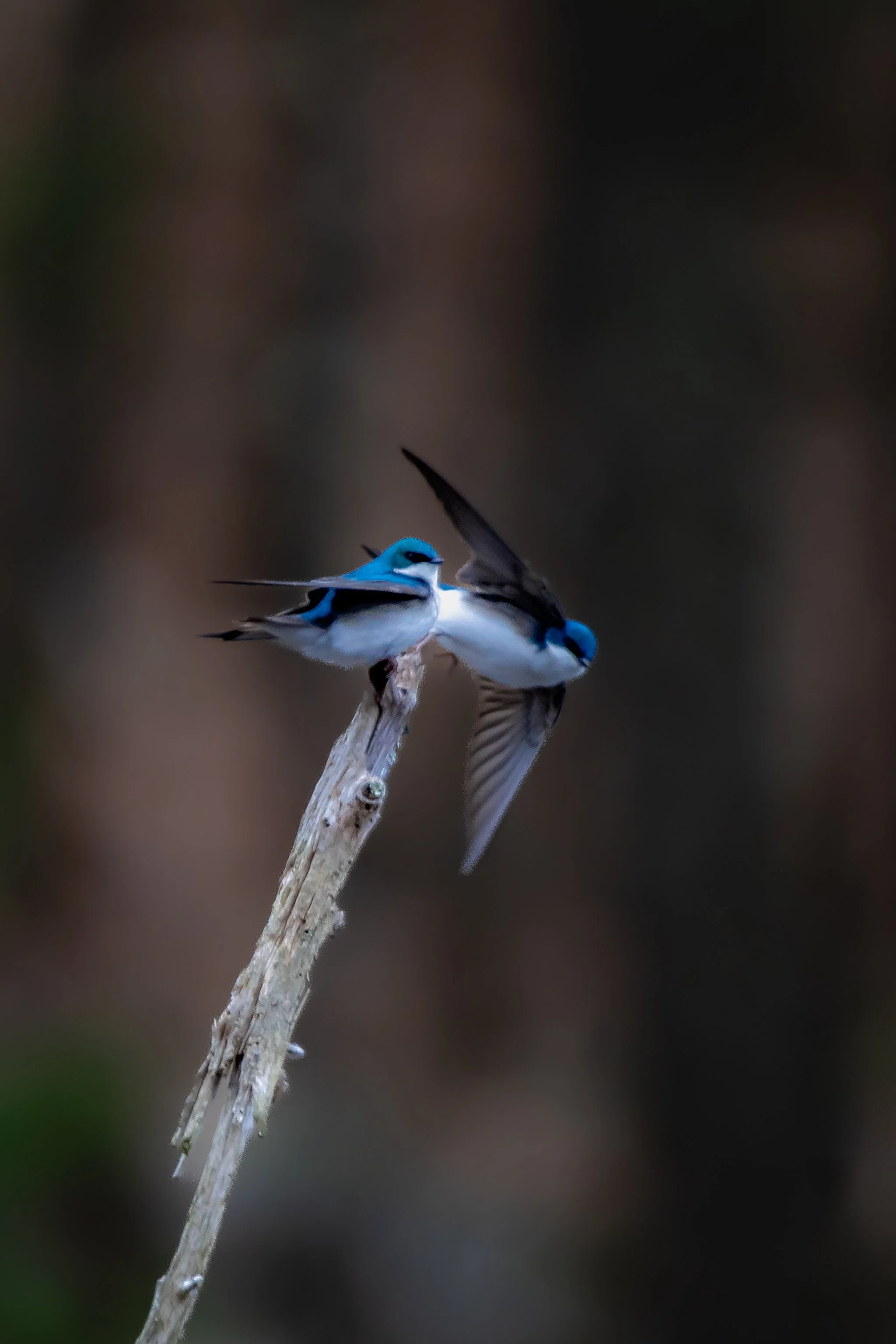
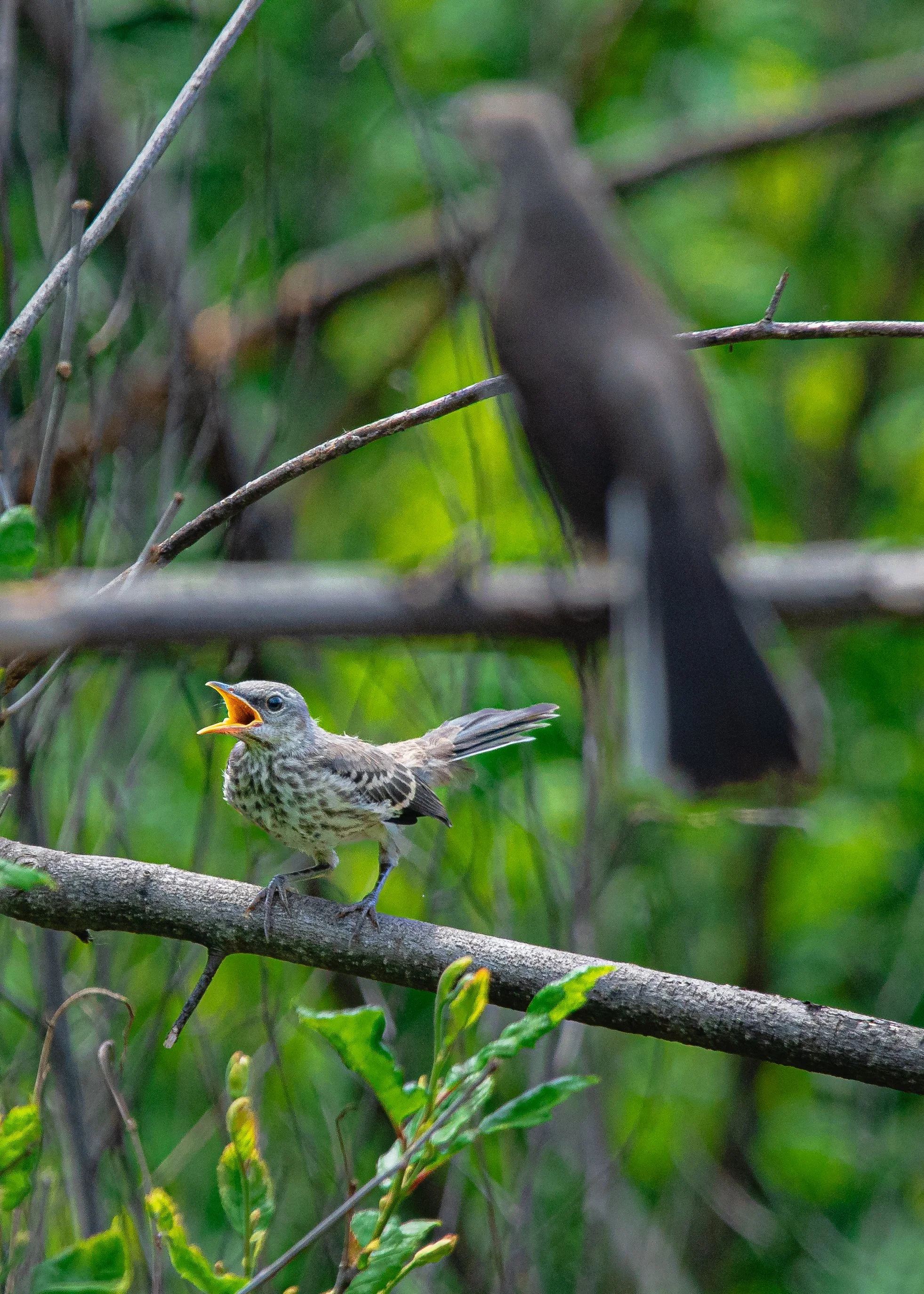
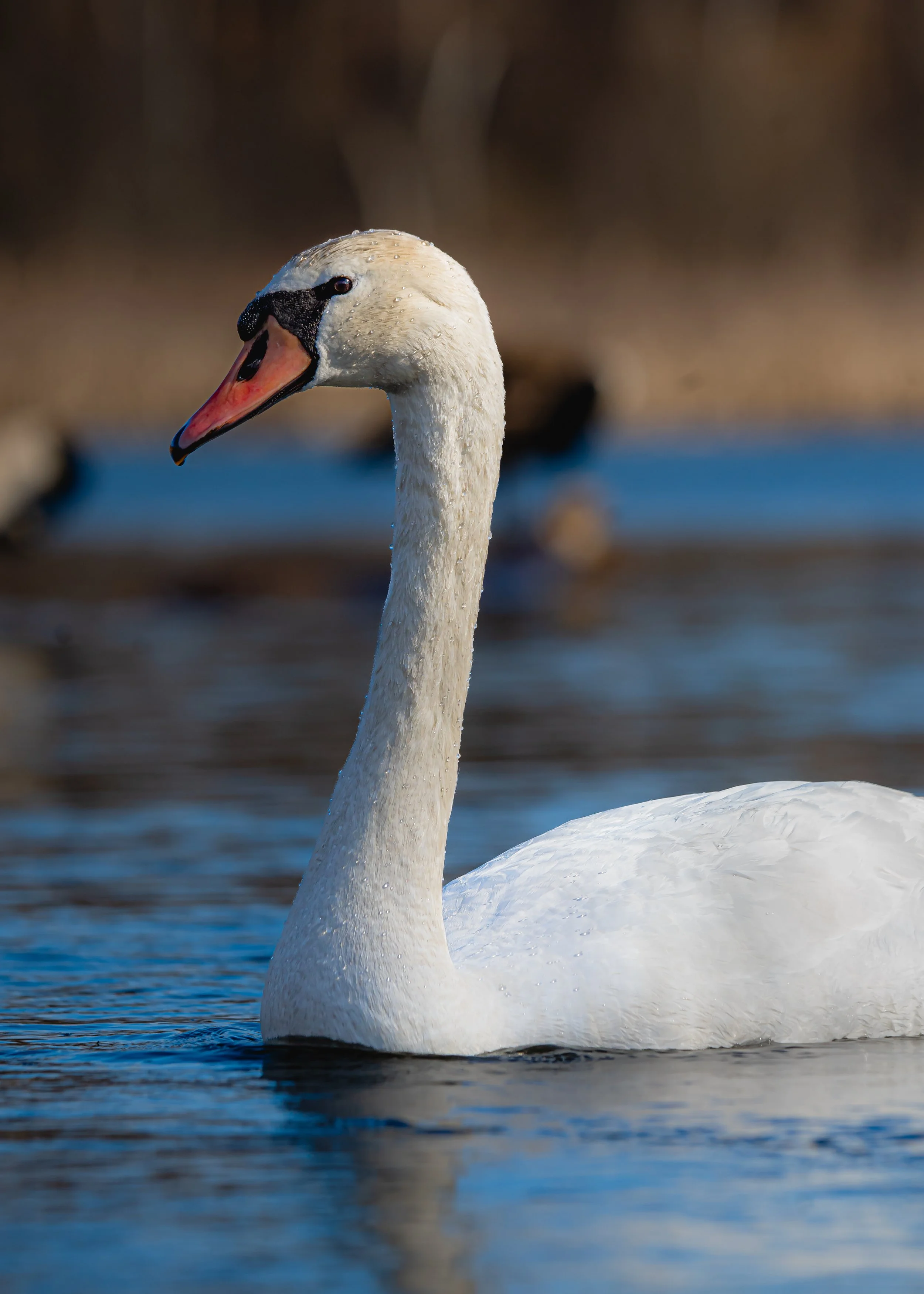
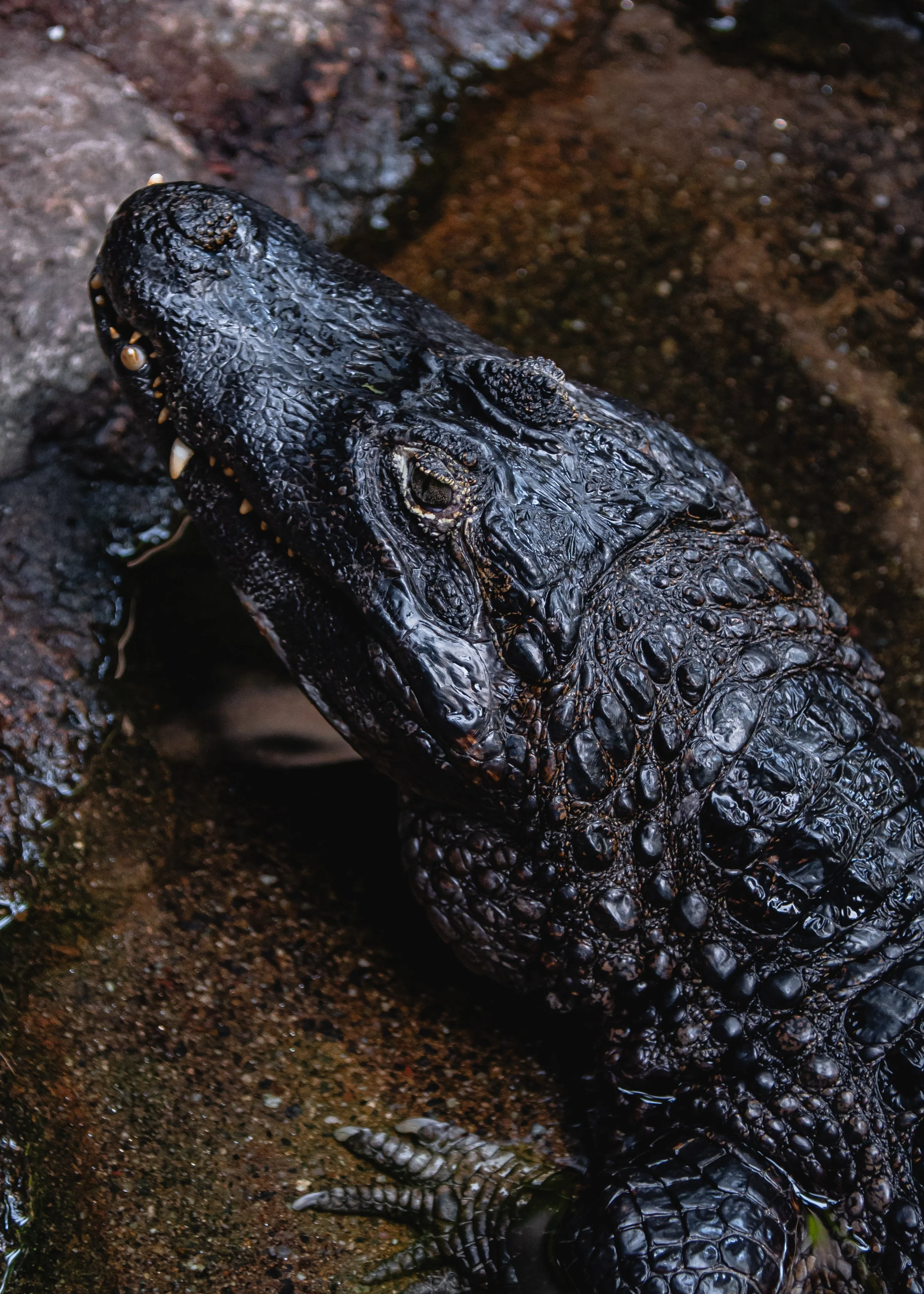
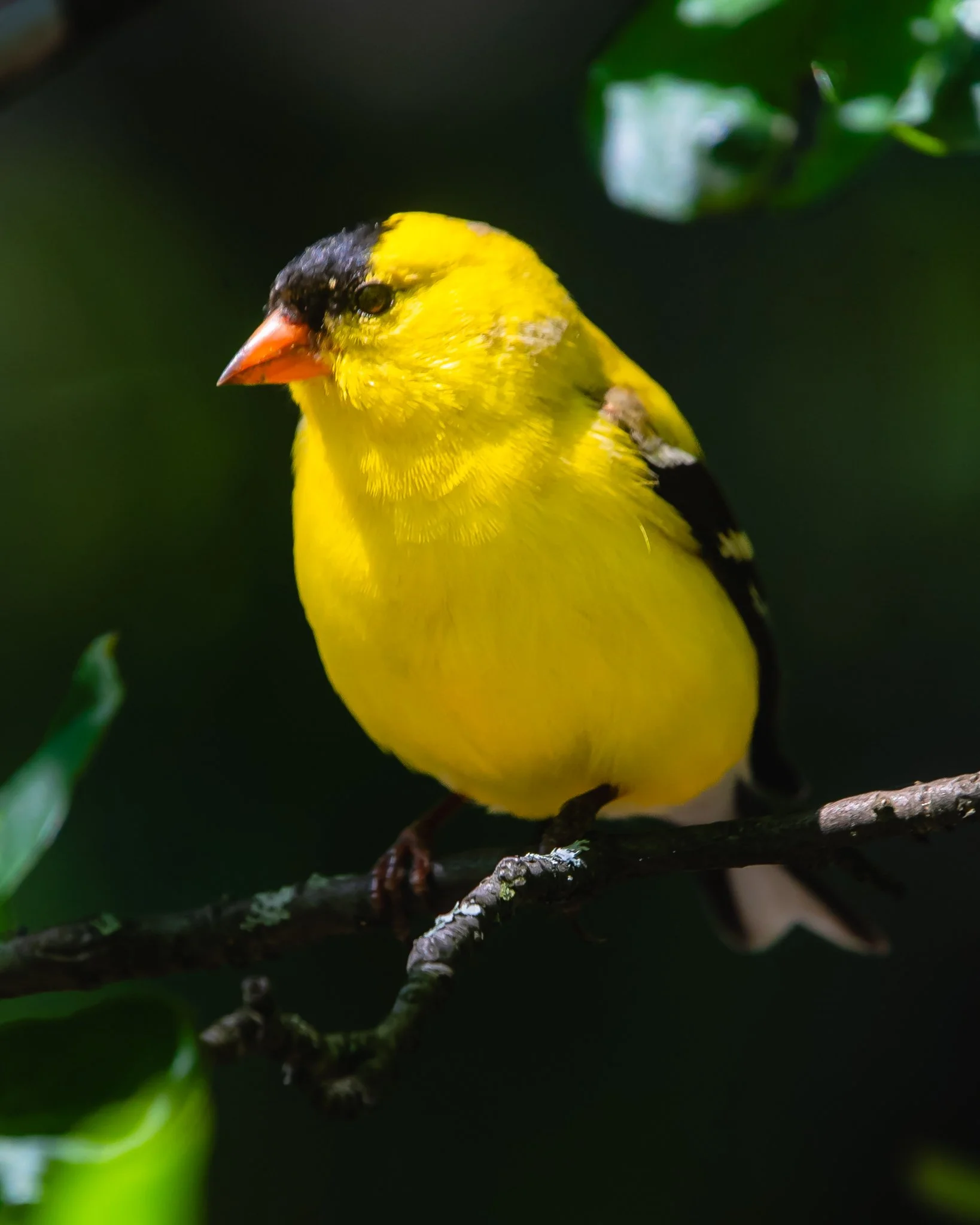
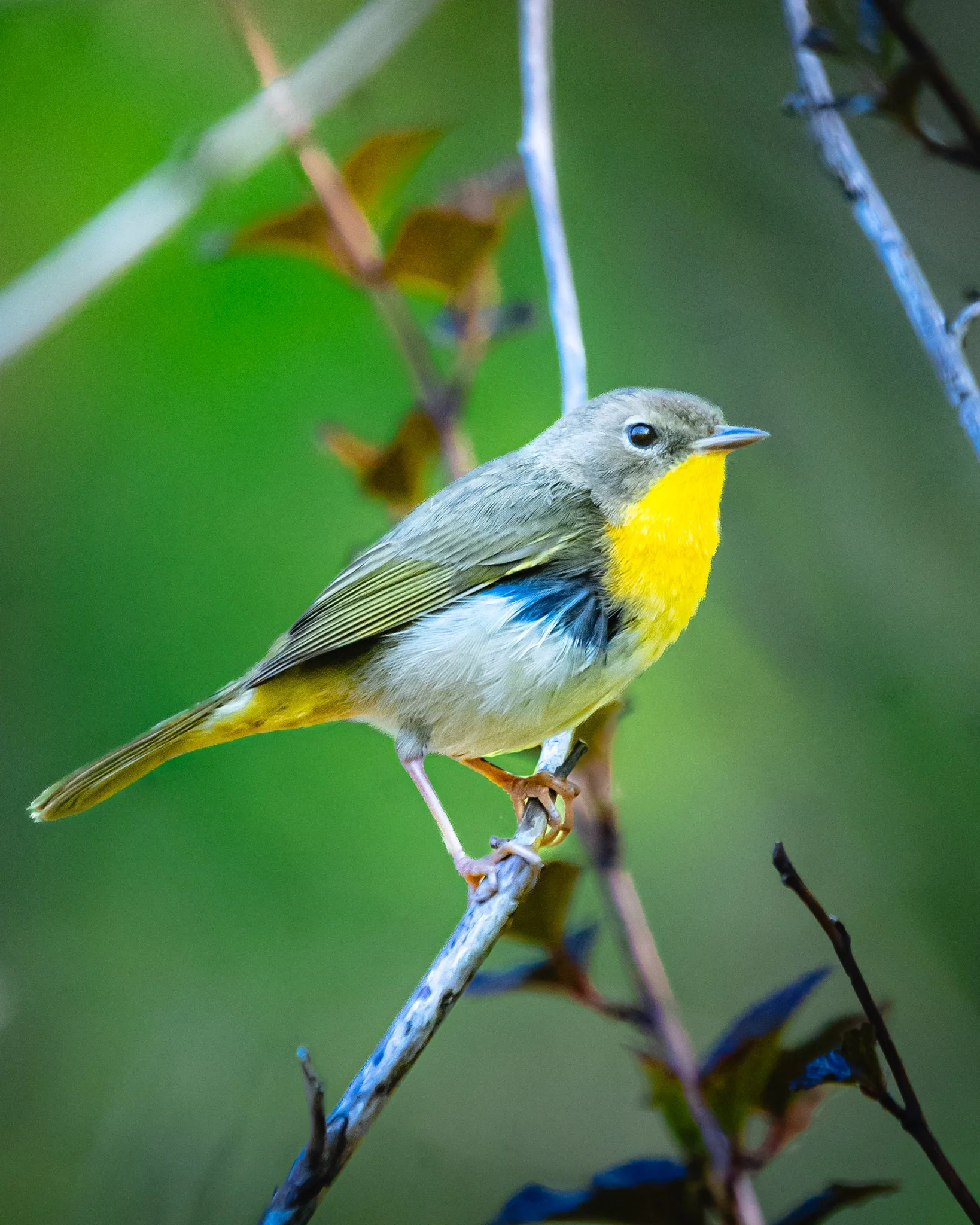
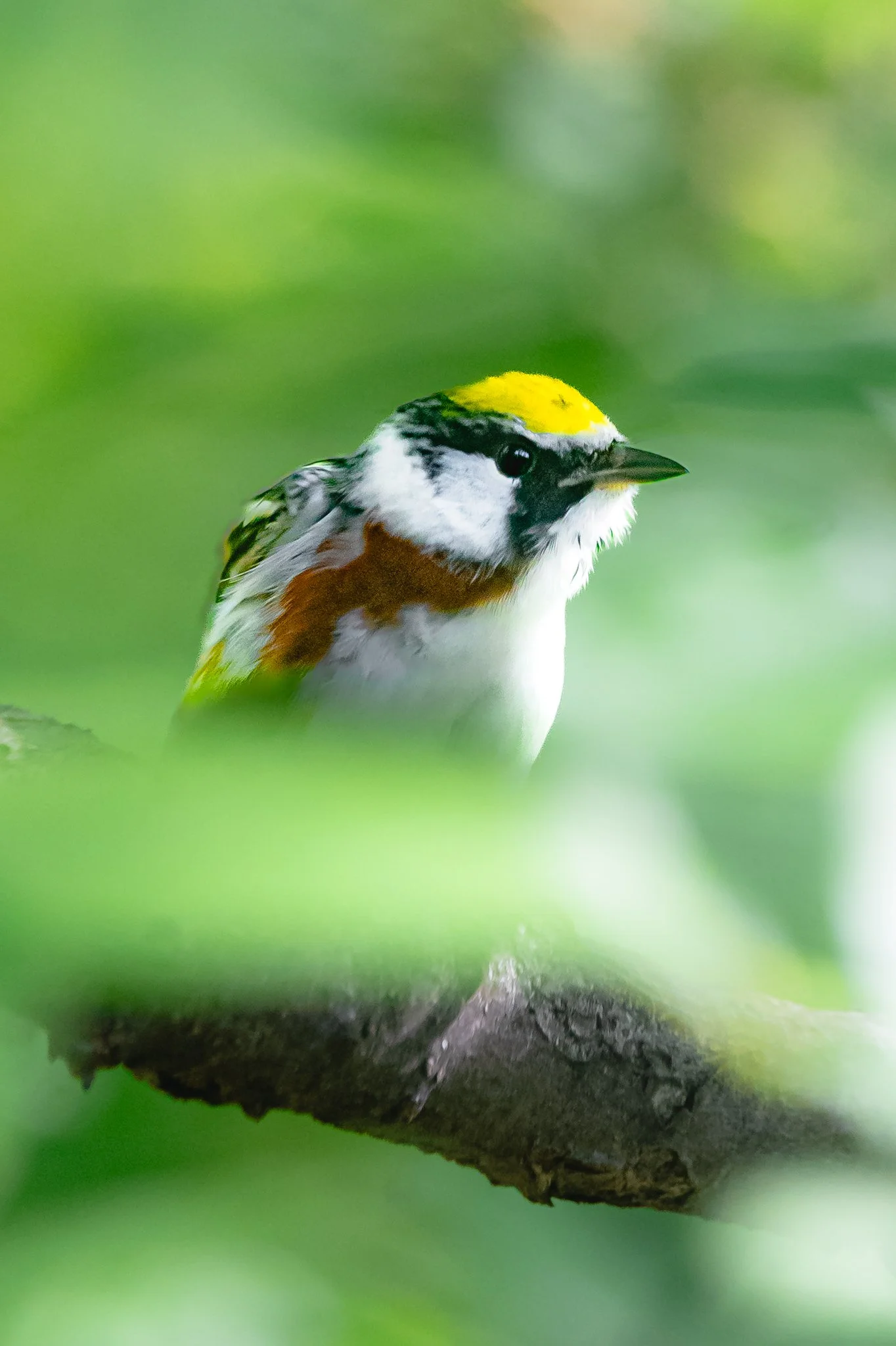
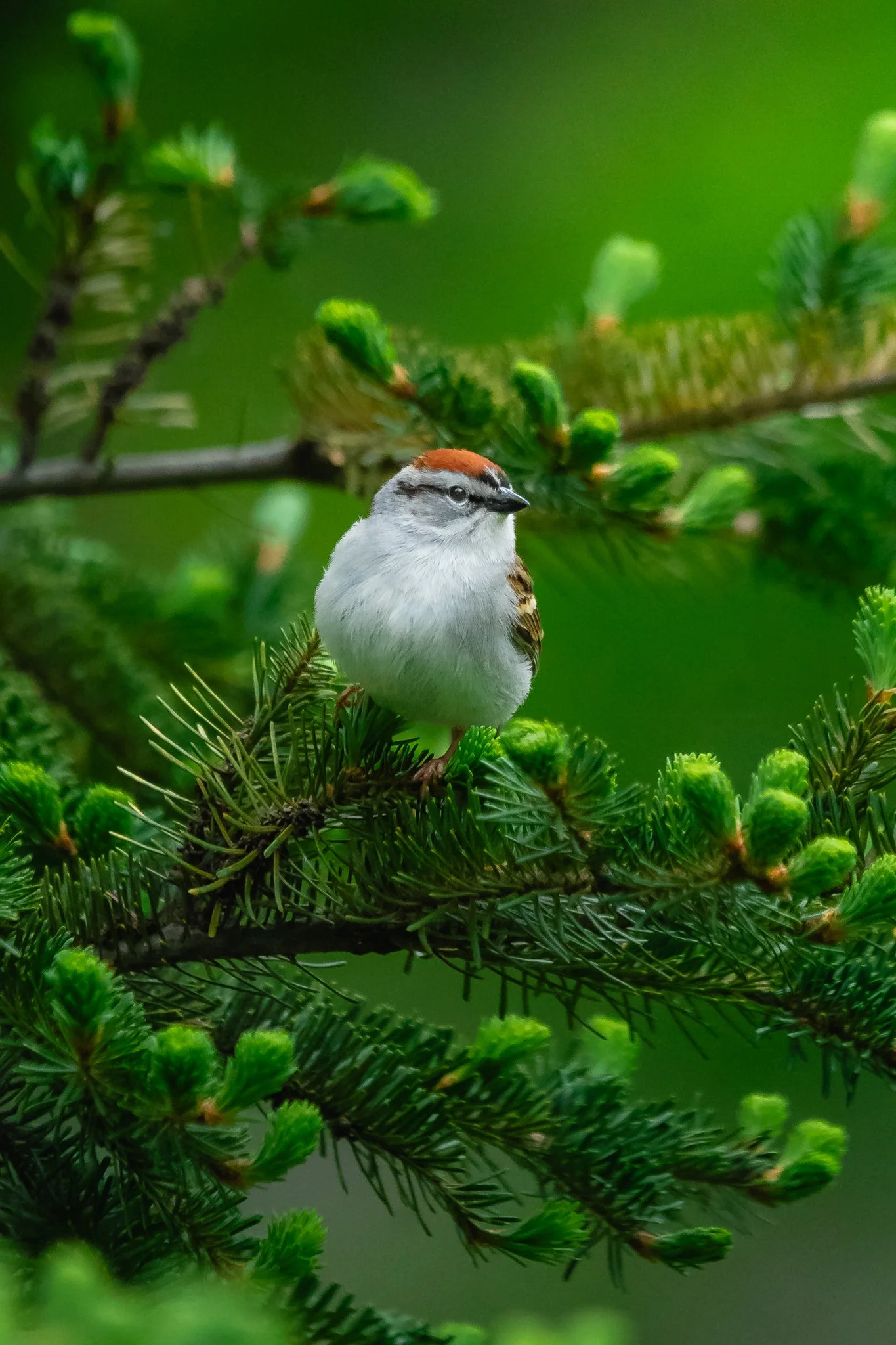
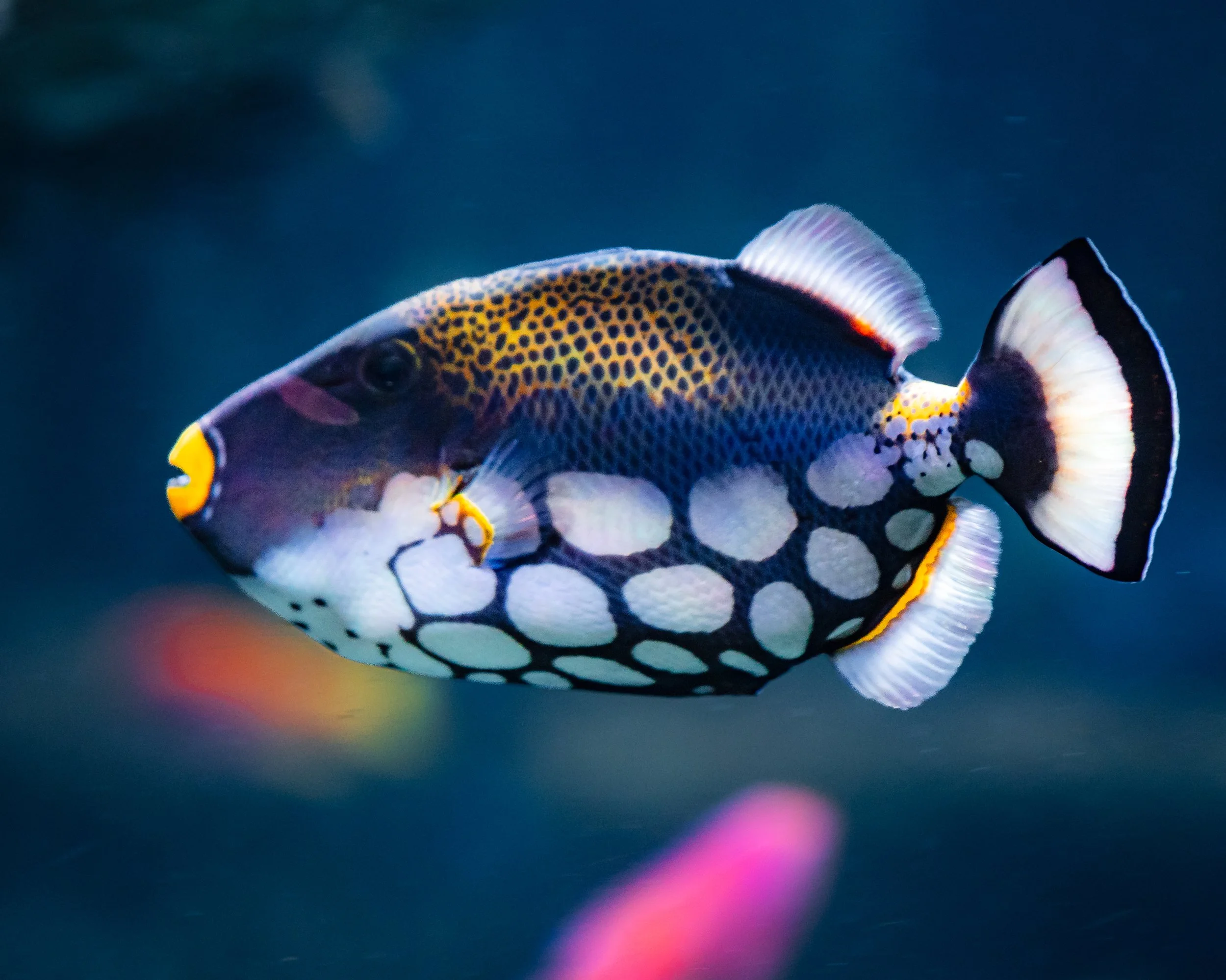
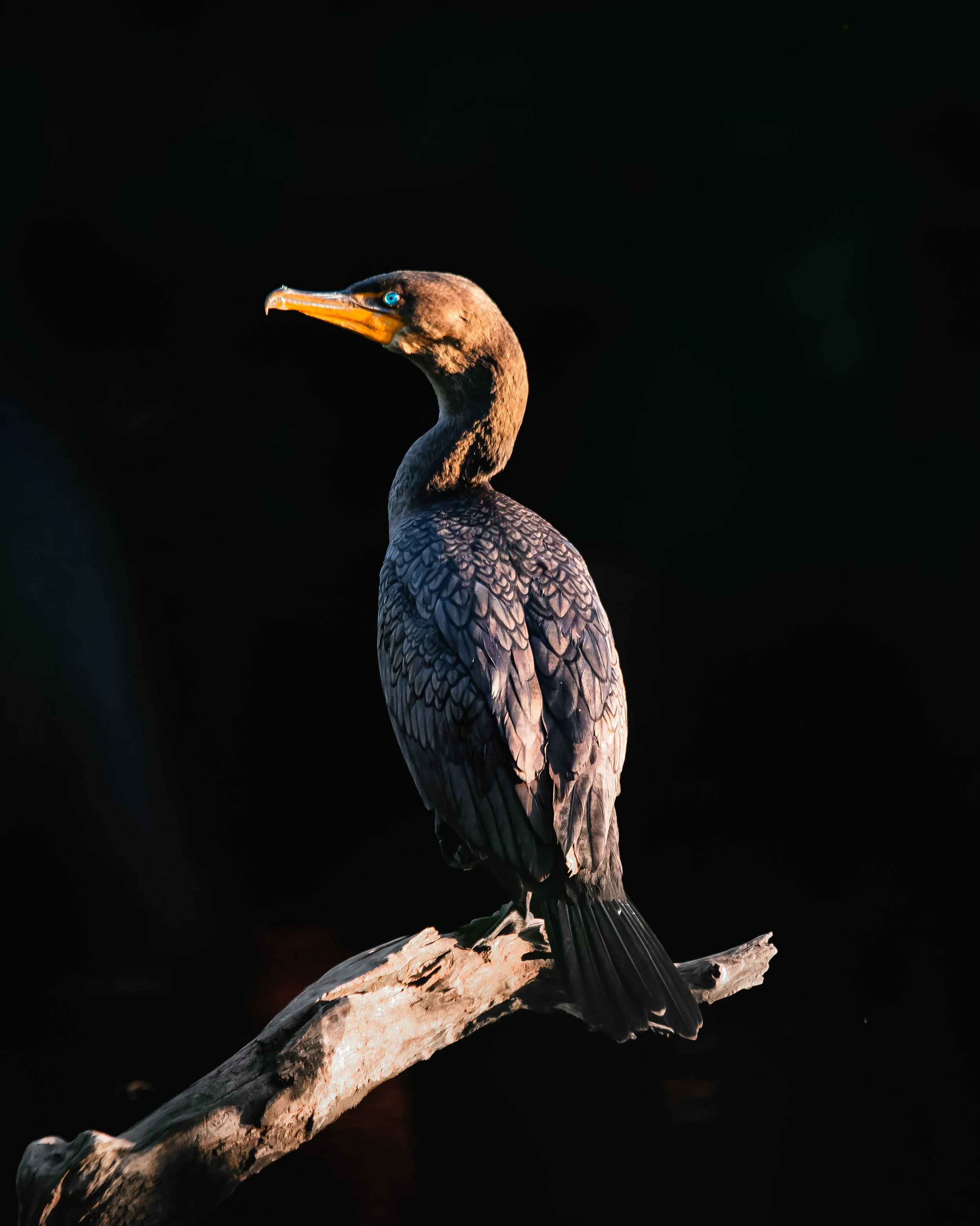
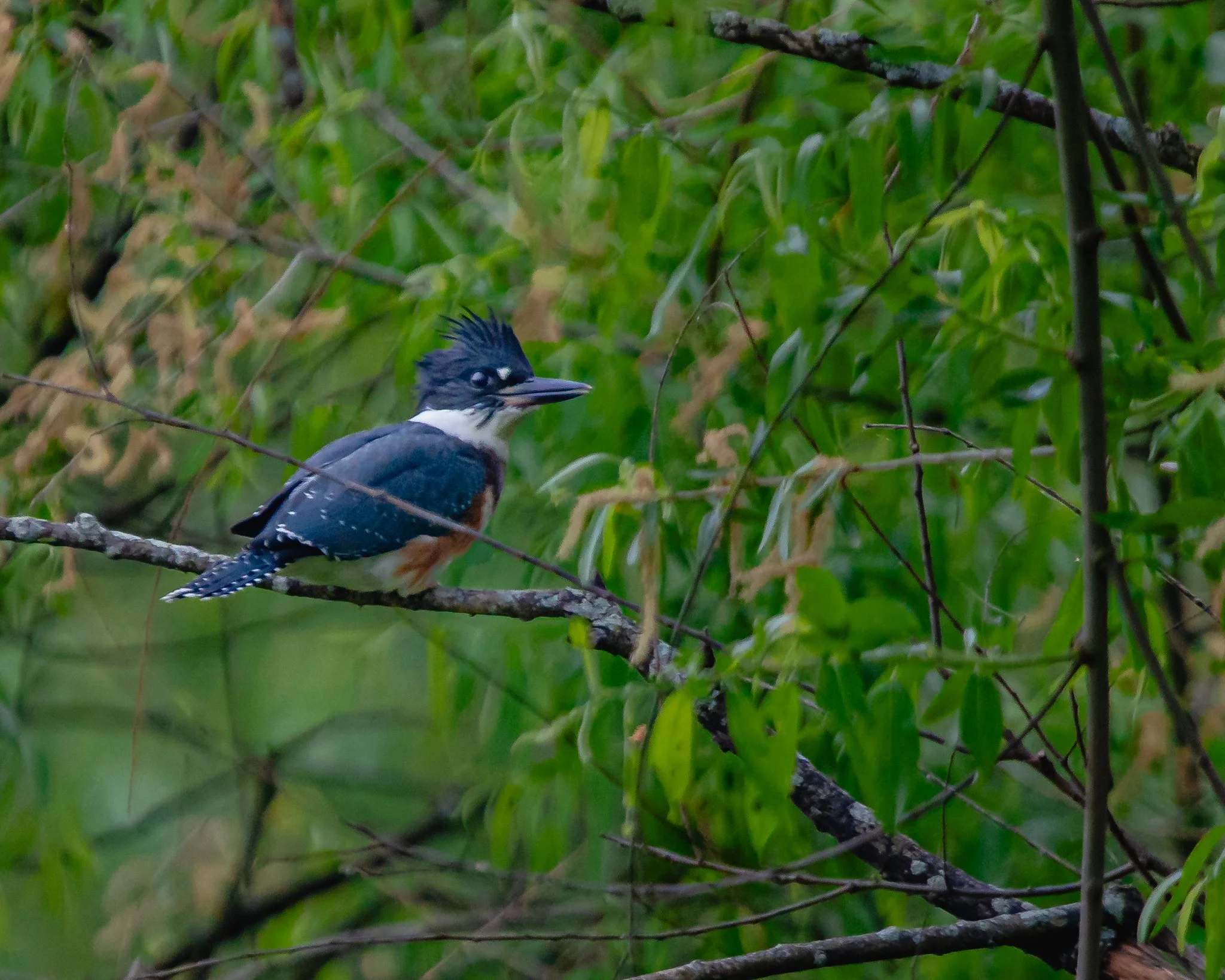
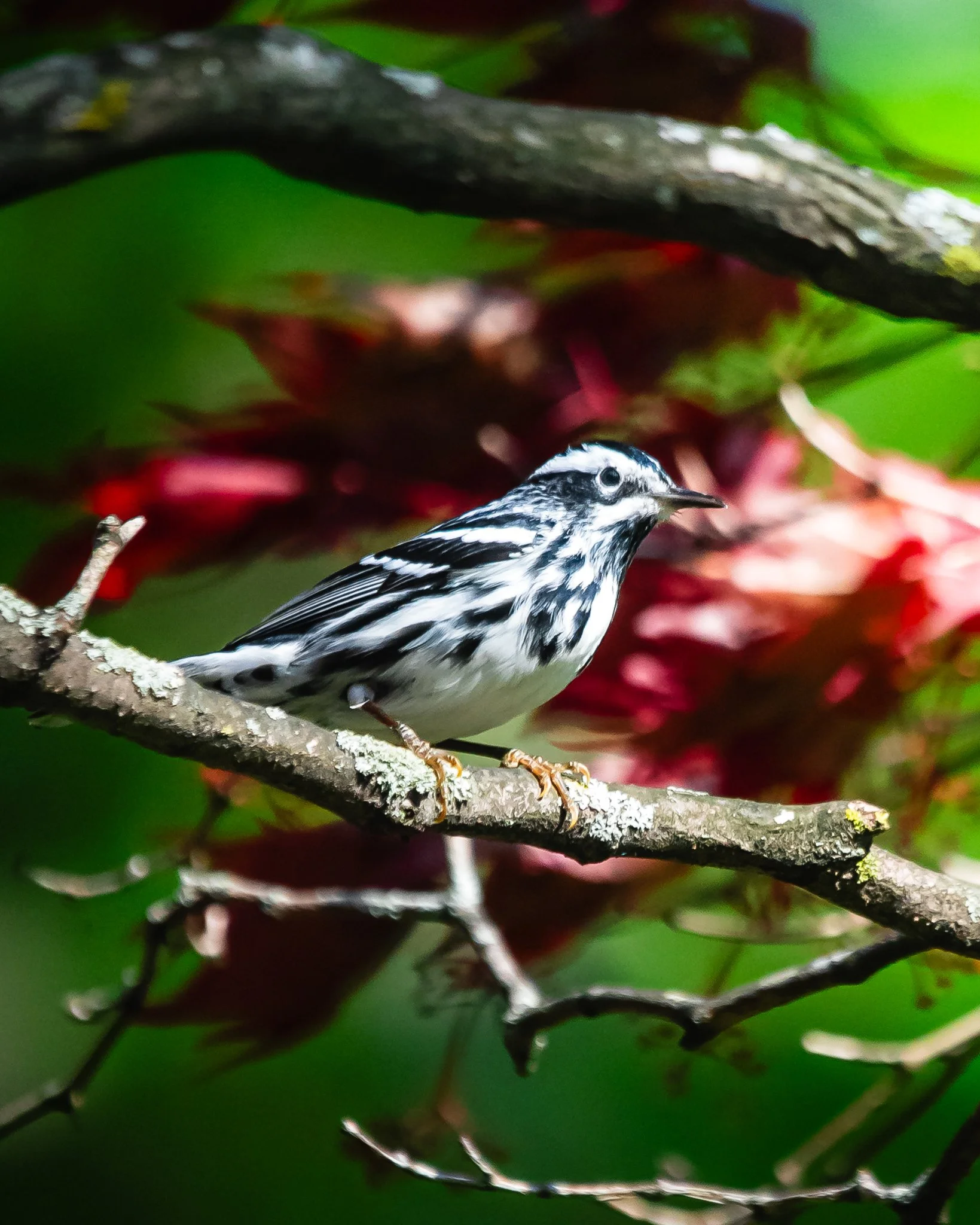
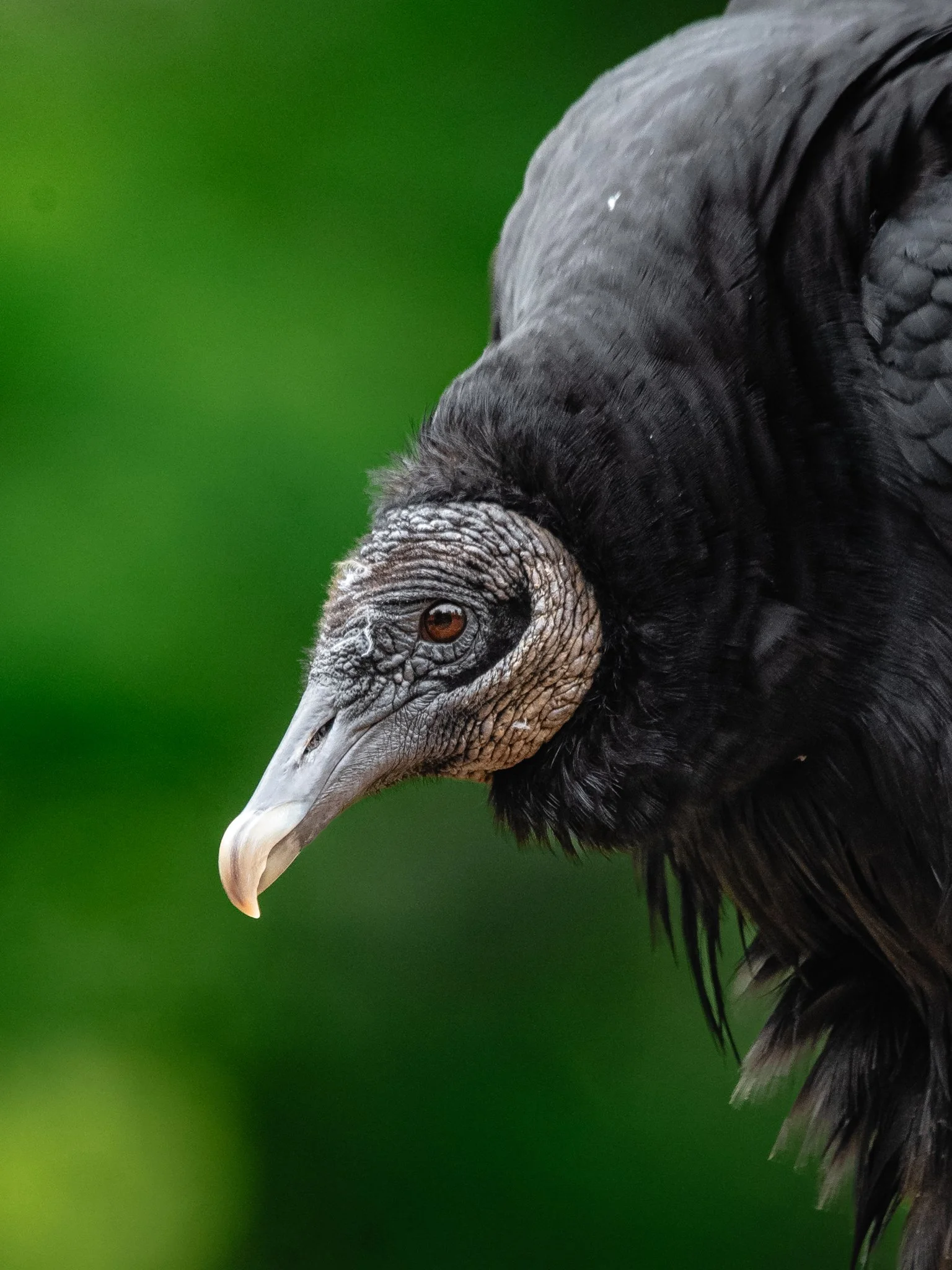
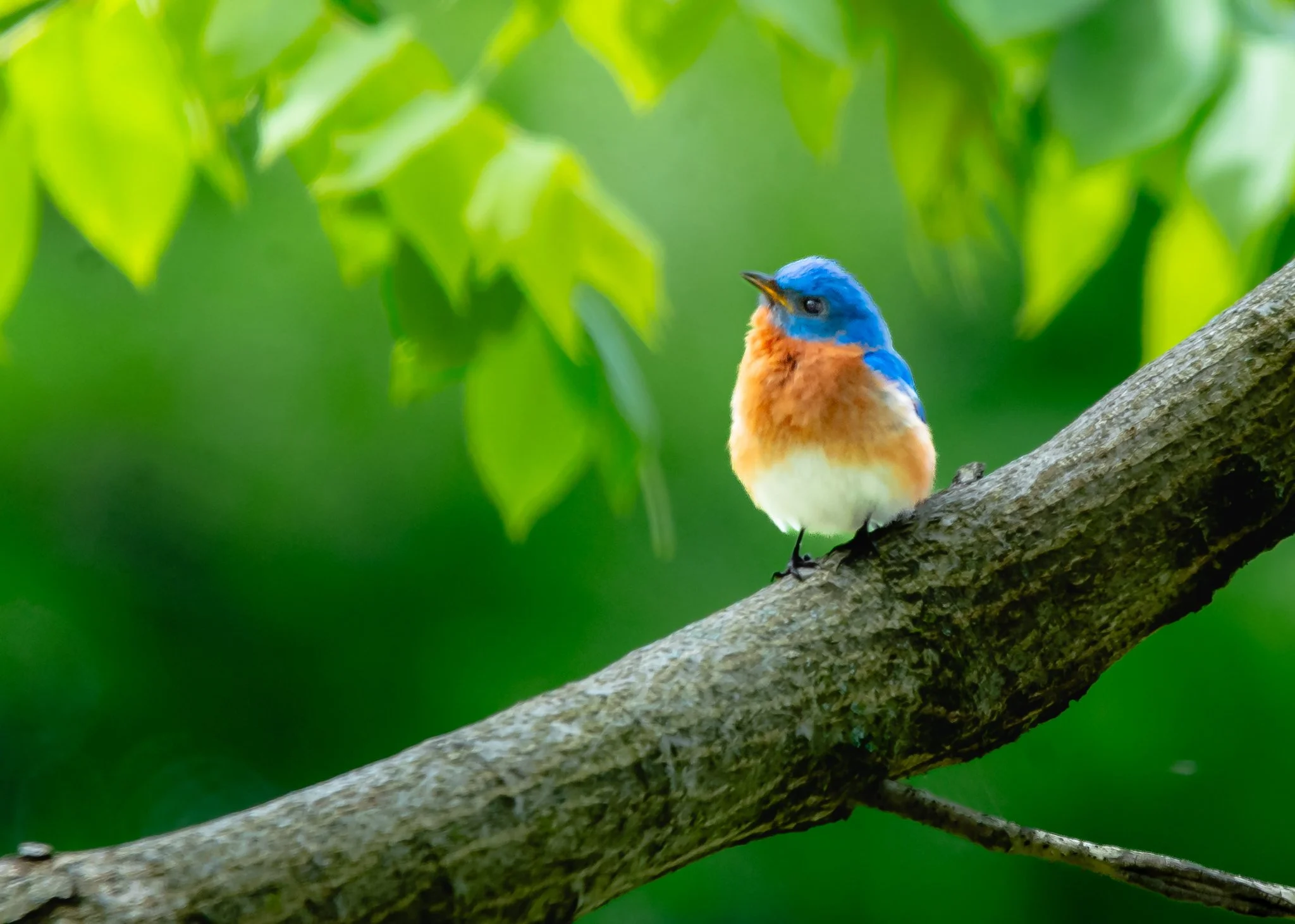
The photographs in this collection are therefore both encounters and records. They celebrate the beauty, intelligence, vulnerability, and complexity of wild lives while acknowledging that the species and habitats depicted here are not guaranteed existence. Each image is a small act of profound care, witness, and truthtelling.
Look closely. Take a moment. Breathe.
There is always more than what meets the eye, and increasingly so, there is so much more at stake.